
Hear from Our Customers
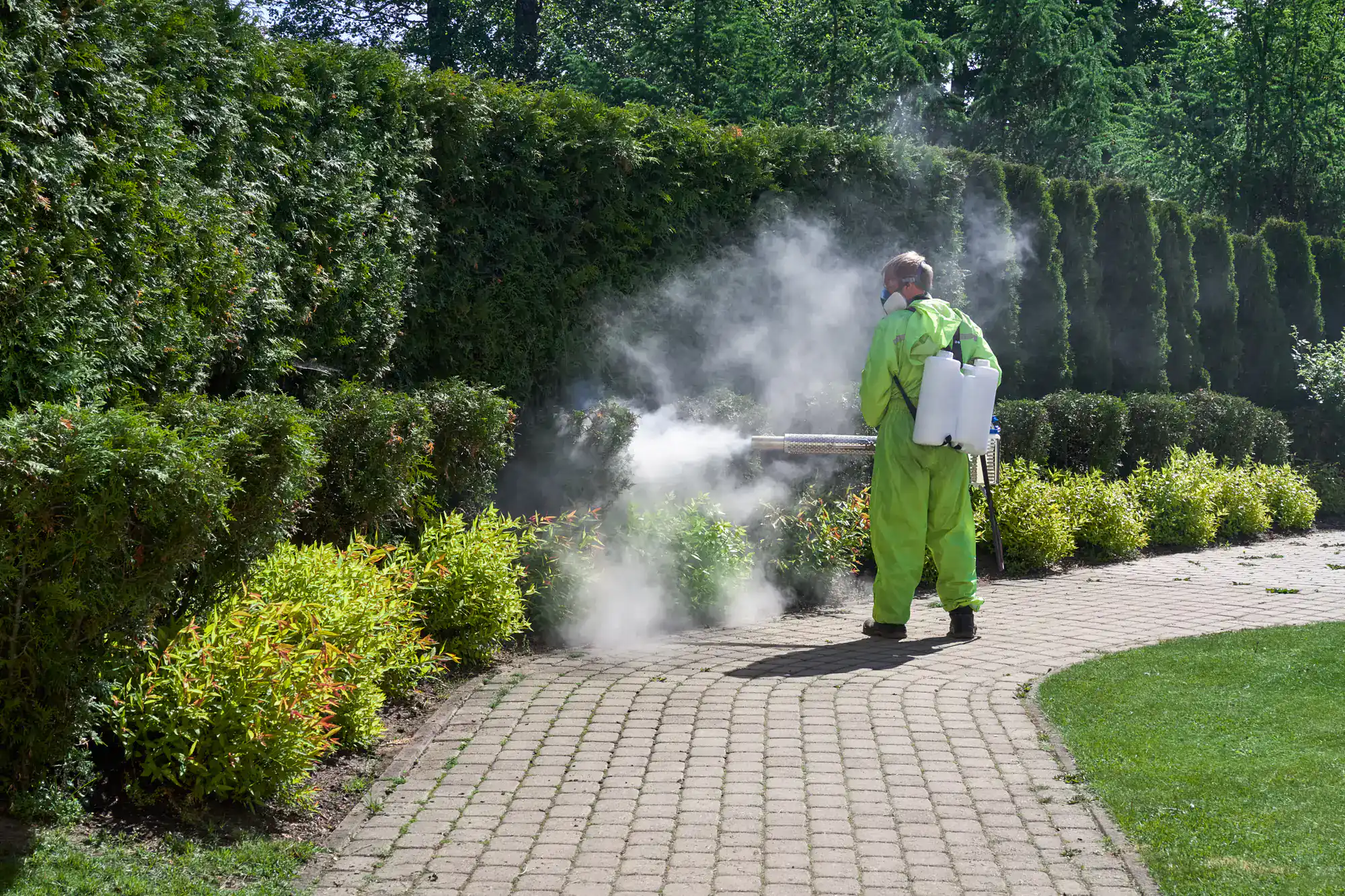
When you stop finding ticks on your kids or your dog after they’ve been in the yard, that’s when you realize how much the problem was affecting how you used your own property. That’s what a well-executed flea and tick control program actually delivers not just fewer pests, but the ability to use your yard again without running a tick check every time someone comes inside.
Holbrook sits at the edge of the Long Island Pine Barrens corridor, and that geography matters. Deer move through these neighborhoods regularly along Patchogue-Holbrook Road, through the wooded borders behind Timber Ridge, and along the green edges near MacArthur Airport. Where deer go, ticks follow. The black-legged tick, which carries Lyme disease, uses deer as a primary host and your lawn as its landing zone.
The Sachem school district community is tight-knit. Parents whose kids play at Grundy Avenue or come home from Seneca Middle School are right to take tick exposure seriously. A seasonal treatment program timed to Long Island’s actual tick activity peaks not some national calendar means your yard is protected during the windows that matter most.
We’ve been operating in Suffolk County since 1987. That’s not a tagline it means we’ve been treating Holbrook and central Suffolk County lawns through every season, every pest cycle, and every shift in how this region’s tick population has grown. Most of Holbrook’s current housing stock was built in the 1960s and 70s. We were already here.
Every job is handled by a licensed pesticide professional not a labor-only crew sent out to hit a quota. New York State requires NYSDEC certification to apply pesticides commercially, and that standard exists for a reason. When someone is applying product to the yard where your kids play, credentials aren’t optional.
We’re not a franchise. There’s no call center, no rotating crew, no one to track down when something isn’t right. The same level of expertise that designs your program is the same expertise that shows up to execute it and has been doing so for families across Holbrook and central Suffolk County for nearly four decades.
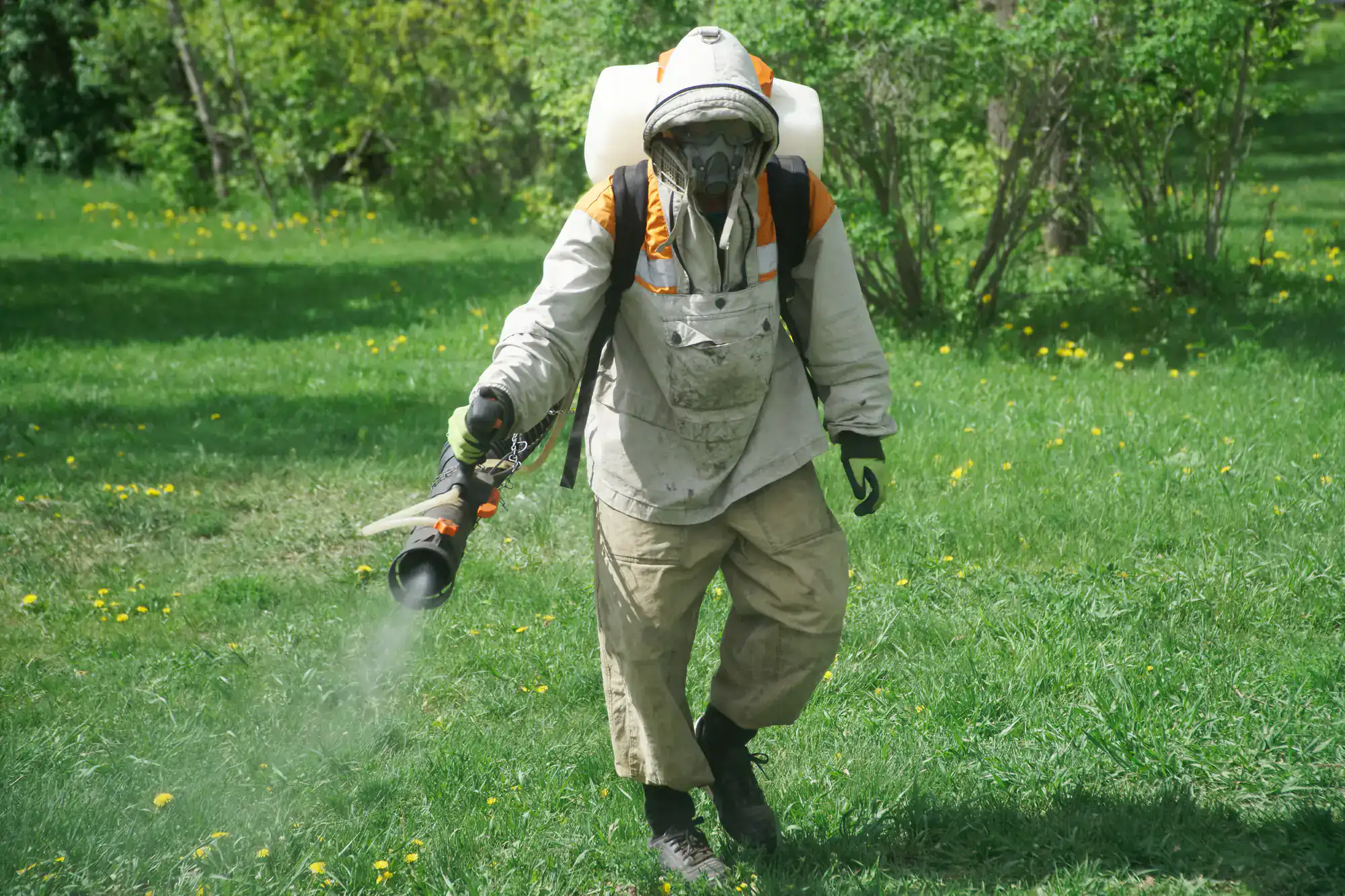
It starts with understanding your specific property not just square footage, but what’s actually creating tick pressure. A wooded border along the back fence, a shaded ornamental bed, a leaf litter zone near the fence line these are the areas where ticks harbor, and they’re different on every Holbrook lot. That initial read of your property is what separates a targeted program from a broadcast spray that misses the spots that matter.
From there, the seasonal program is timed to Long Island’s actual tick calendar. The spring kickoff goes in early April, before nymphal deer ticks start emerging as temperatures climb past 50°F. May and June are the highest-risk months nymphal ticks are poppy-seed-sized, nearly impossible to spot, and at peak density right when Holbrook kids are finishing the school year and spending more time outside. Summer maintenance treatments run every three to four weeks through August. A fall application in September or October targets adult ticks, which surge again as the season turns.
Flea treatments follow a similar structure starting in early spring and running through October, with particular attention to pet activity zones and any areas where wildlife traffic is visible. After each application, re-entry is typically safe within 30 to 60 minutes once the product has dried. You’ll know what was applied, where, and when no guesswork.
Ready to get started?
Three tick species are active on Long Island the black-legged deer tick, the American dog tick, and the lone star tick. Lone star ticks specifically thrive in scrub oak and Pine Barrens habitat, which makes Holbrook’s geographic position particularly relevant. A treatment program that only accounts for deer ticks is leaving a real gap. Our programs address all three species across their active seasons.
Every program is custom-built for the property. That means the treatment approach for a Timber Ridge townhome with shared green-space borders looks different from a half-acre lot on the north side of Holbrook near the LIE corridor. Wooded edges get treated as transition zones. Pet areas get specific attention. Ornamental beds, fence lines, and shaded areas the spots ticks actually use are part of the program, not an afterthought.
Because we handle both lawn care and pest management, there’s an integrated benefit that standalone pest control companies can’t offer. A properly aerated, fertilized, and maintained lawn creates less thatch, less moisture retention, and less of the ground-level harborage that fleas and ticks depend on. The lawn health work and the pest control work reinforce each other and you’re dealing with one company, one program, and one point of accountability throughout the season.
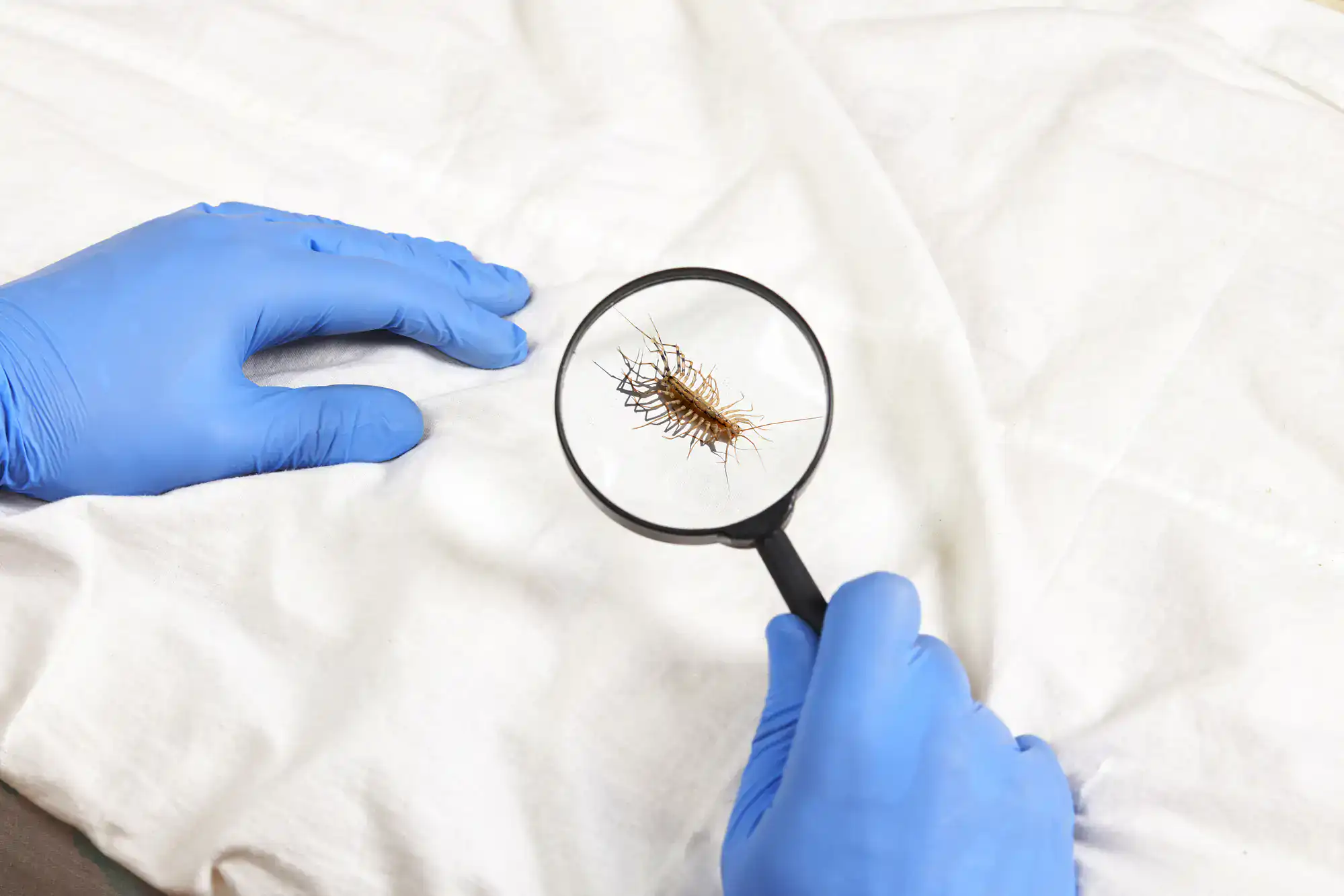
Holbrook sits in one of the higher-risk tick environments on Long Island, and that’s not an exaggeration. The community borders the Long Island Pine Barrens corridor prime habitat for all three tick species active in New York and the wildlife movement patterns around Long Island MacArthur Airport and along routes like Patchogue-Holbrook Road bring deer directly into residential neighborhoods. Deer are the primary host for adult black-legged ticks, so where deer traffic is consistent, tick pressure follows.
A Columbia University study found that 56% of ticks on Long Island carry Lyme disease. New York State reported over 19,000 Lyme disease cases in 2023 a 146% spike in a single year. Suffolk County is consistently among the highest-reporting counties in the state. Holbrook’s inland, subdivision character means the primary exposure zone isn’t a hiking trail it’s your own backyard, which is exactly why professional yard treatment is worth taking seriously here.
On Long Island, tick activity starts earlier than most people expect. Black-legged ticks become active when temperatures consistently hit 50°F which on Long Island typically happens in late March or early April. The spring kickoff treatment should go down before nymphal ticks start emerging, not after you’ve already found one on your dog.
May and June are the most dangerous months for Holbrook families. Nymphal deer ticks are at peak density during this window and are roughly the size of a poppy seed small enough that most people never spot them before they’ve already been attached long enough to transmit disease. For kids wrapping up the school year at Sachem and spending more time in the yard, that timing matters. Flea treatments follow a similar schedule starting in early spring and running through October, since flea populations build through summer and can persist indoors well into fall once they’ve established.
Store-bought tick sprays are available, and some homeowners try them first. The problem is application knowing where to spray, how much to use, and when to reapply based on actual tick activity cycles requires training that the label on a hardware store bottle doesn’t provide. Most DIY applications miss the transition zones, wooded borders, and shaded harborage areas where ticks actually concentrate. You end up spraying open lawn and leaving the high-risk spots untreated.
Professional-grade products also differ from what’s available retail. Licensed applicators in New York State certified through the NYSDEC have access to formulations and application methods that aren’t sold over the counter. More importantly, a licensed professional is trained to read a property and build a treatment plan around what’s actually creating the pressure, not just broadcast spray and hope for the best. For a Holbrook homeowner dealing with wooded lot borders, deer pressure, and kids in the backyard, the difference between a targeted professional program and a DIY spray is measurable.
Yes when applied correctly by a licensed professional. Re-entry after treatment is typically safe within 30 to 60 minutes once the product has dried, though your technician will give you specific guidance based on what was applied and current weather conditions. If it rains shortly after treatment, that affects drying time and your technician should account for that in the scheduling.
The more relevant safety comparison is this: the risk of Lyme disease, babesiosis, or anaplasmosis from an untreated yard in central Suffolk County is well-documented and serious. Babesia microti a tick-borne parasite has been found in 17% of nymphal ticks in Suffolk County, which is more than double the rate found in Connecticut. A professionally applied, properly timed treatment program reduces that exposure significantly. NYSDEC-licensed applicators are trained in targeted application product goes to tick harborage areas, not broadcast across every inch of your lawn. That precision is part of what makes the professional approach both more effective and more responsible than DIY alternatives.
For most Holbrook properties, a complete seasonal program runs from April through October and includes a spring kickoff, monthly or every-three-to-four-week summer maintenance treatments, and a fall application targeting adult ticks before they overwinter. That’s typically five to seven treatments depending on your property’s specific pressure wooded borders, deer activity, pet use patterns, and proximity to wildlife corridors all factor in.
One-time treatments exist, but they’re limited in what they accomplish. Ticks don’t have a single active season black-legged ticks are active spring through fall, lone star ticks run from spring through late summer, and adult deer ticks surge again in September and October. A single spray in May leaves your yard unprotected through the back half of the season, which is when a lot of tick exposure actually happens. A seasonal program isn’t upselling it’s the only approach that actually covers the full window of risk for a property in central Suffolk County.
Three species are active in this area, and each one has a different profile worth understanding. The black-legged tick commonly called the deer tick is the primary carrier of Lyme disease, babesiosis, and anaplasmosis. It’s most dangerous in its nymphal stage during May and June, when it’s nearly invisible and most likely to go undetected on a person or pet. This is the species that drives most of the Lyme disease cases Suffolk County reports each year.
The American dog tick is larger and more visible, which makes it easier to find after outdoor exposure. It’s active primarily from spring through summer and is a carrier of Rocky Mountain spotted fever. The lone star tick is the one most specific to Holbrook’s geographic situation it thrives in scrub oak and Pine Barrens habitat, which is exactly the environment that borders central Suffolk County communities. Lone star ticks are aggressive and active from spring through late fall, extending the treatment season beyond what deer tick control alone would cover. Knowing which species you’re dealing with and when each one peaks is part of what shapes a treatment program that actually works for a Holbrook property.
Useful Links
Other Services we provide in Holbrook