
Hear from Our Customers
If you’ve ever pulled a tick off your dog after a walk near Cordwood Landing, or found one on your kid after they played in the backyard, you already know the problem isn’t going away on its own. Miller Place sits in one of the highest-risk tick zones on Long Island wooded lots, mature landscaping, and direct adjacency to a 70-plus-acre deer habitat mean your yard is under constant pressure from spring through late fall.
What changes after our professional treatment isn’t just the tick count. It’s the way you use your yard. You stop hesitating before letting the kids run outside. You stop doing a full-body check every time the dog comes in from the back. That’s what this is actually about getting your outdoor space back without the anxiety that’s been quietly attached to it.
Miller Place homes average over six decades of age, which means established trees, shrubs, leaf litter, and the kind of layered landscaping that ticks genuinely prefer. Add the wooded bluff properties near Long Island Sound and the harbor-edge lots along Mount Sinai Harbor, and you have a community where flea and tick pressure isn’t seasonal background noise it’s a real, documented health risk. A properly executed treatment program addresses that pressure at the source, not just the surface.
We’ve been treating Suffolk County lawns since 1987, and Miller Place has been part of our territory the entire time. That means decades of hands-on experience with the exact conditions that define this hamlet the wooded North Shore lots, the deer corridors running through Cordwood Landing, the mature landscaping on older properties along North Country Road, and the seasonal tick patterns that come with living this close to Long Island Sound.
Every technician we send to your property is a licensed pesticide professional under NYSDEC not a labor crew handed a tank and a route sheet. That distinction is legally meaningful and practically important. You get someone who actually knows what they’re applying, where it needs to go, and how to protect your family and pets in the process.
Our programs are built around your specific property, not a generic schedule. A wooded lot near the bluffs gets treated differently than a more open yard south of Route 25A. That’s the difference between a company that shows up and one that actually solves the problem.
It starts with an honest look at your property. Before any product goes down, one of our licensed professionals assesses your specific conditions how close you are to wooded borders, where deer activity is concentrated, where your pets spend time, and where leaf litter and shrub beds create harborage zones. On a Miller Place property near Cordwood Landing or the Sound-facing bluffs, that assessment carries real weight. A lot on the southern side of Route 25A gets a different read than a heavily wooded lot backing up to the park.
From there, your program is scheduled around Long Island’s actual tick calendar not a national template. Treatment begins in early April, before nymphal blacklegged ticks emerge. Those nymphs peak in May and June, and at poppy-seed size, they’re nearly impossible to spot before they’ve already bitten. Each application provides roughly four to six weeks of protection, so the program runs through the season with timed follow-ups that cover the lone star tick activity through summer and the adult blacklegged tick surge that hits in September and October.
After each application, re-entry is typically safe within 30 to 60 minutes once the product has dried. You’ll know when it’s clear. We handle the scheduling reminders so you’re not left guessing when the next treatment is due and online payment means no chasing invoices or waiting on callbacks.

Ready to get started?
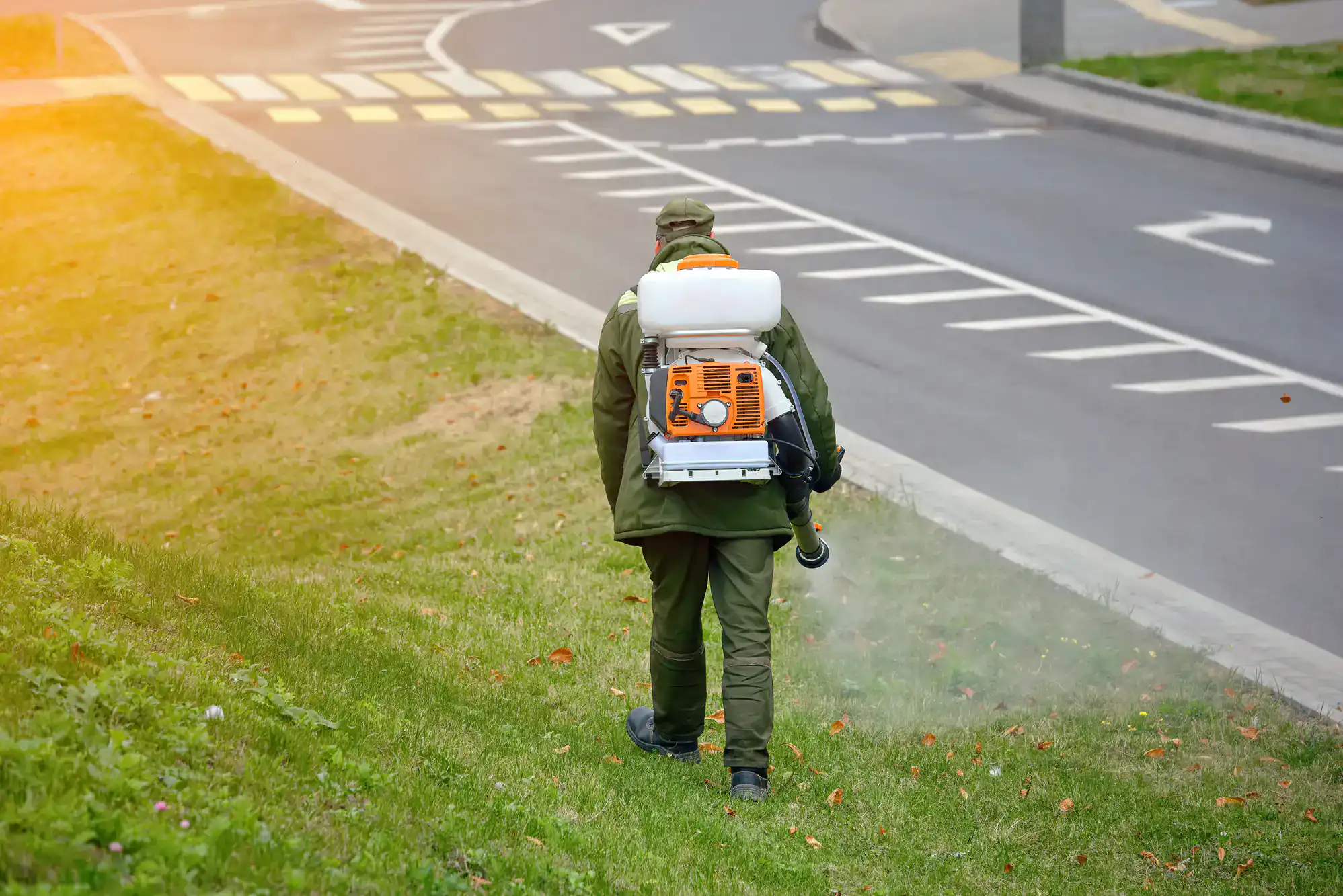
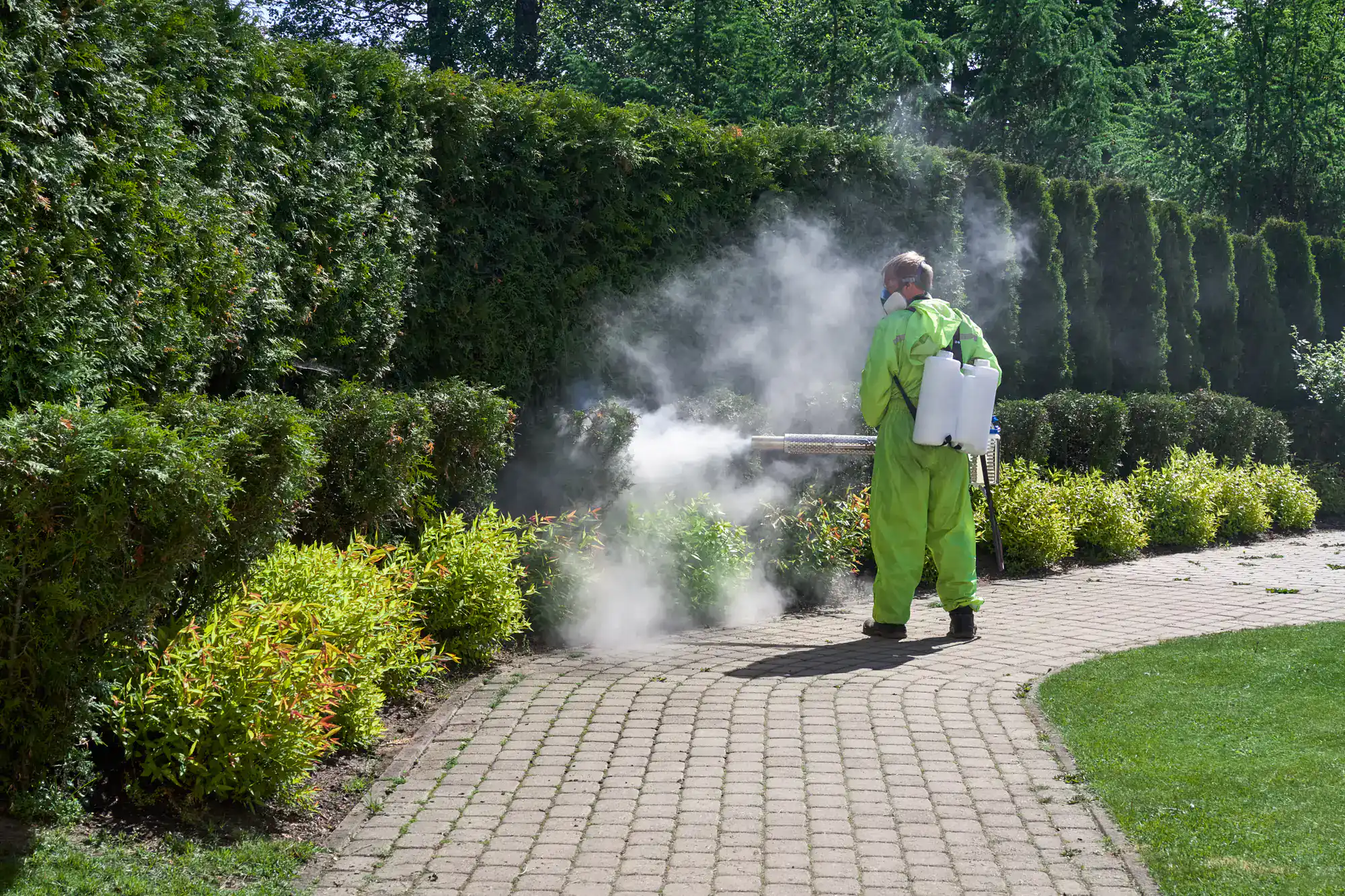
Flea and tick control in Miller Place isn’t a one-size application. The properties here are older, more wooded, and more directly exposed to wildlife corridors than most of Suffolk County. Our programs account for that. Treatment targets the areas where ticks actually live the 20-to-30-yard wooded buffer along property edges, shrub beds, fence lines, leaf litter zones, and the shaded border areas that blacklegged ticks prefer. Open lawn areas get addressed too, but the real work happens at the margins where residential yards meet the kind of habitat that surrounds so much of Miller Place.
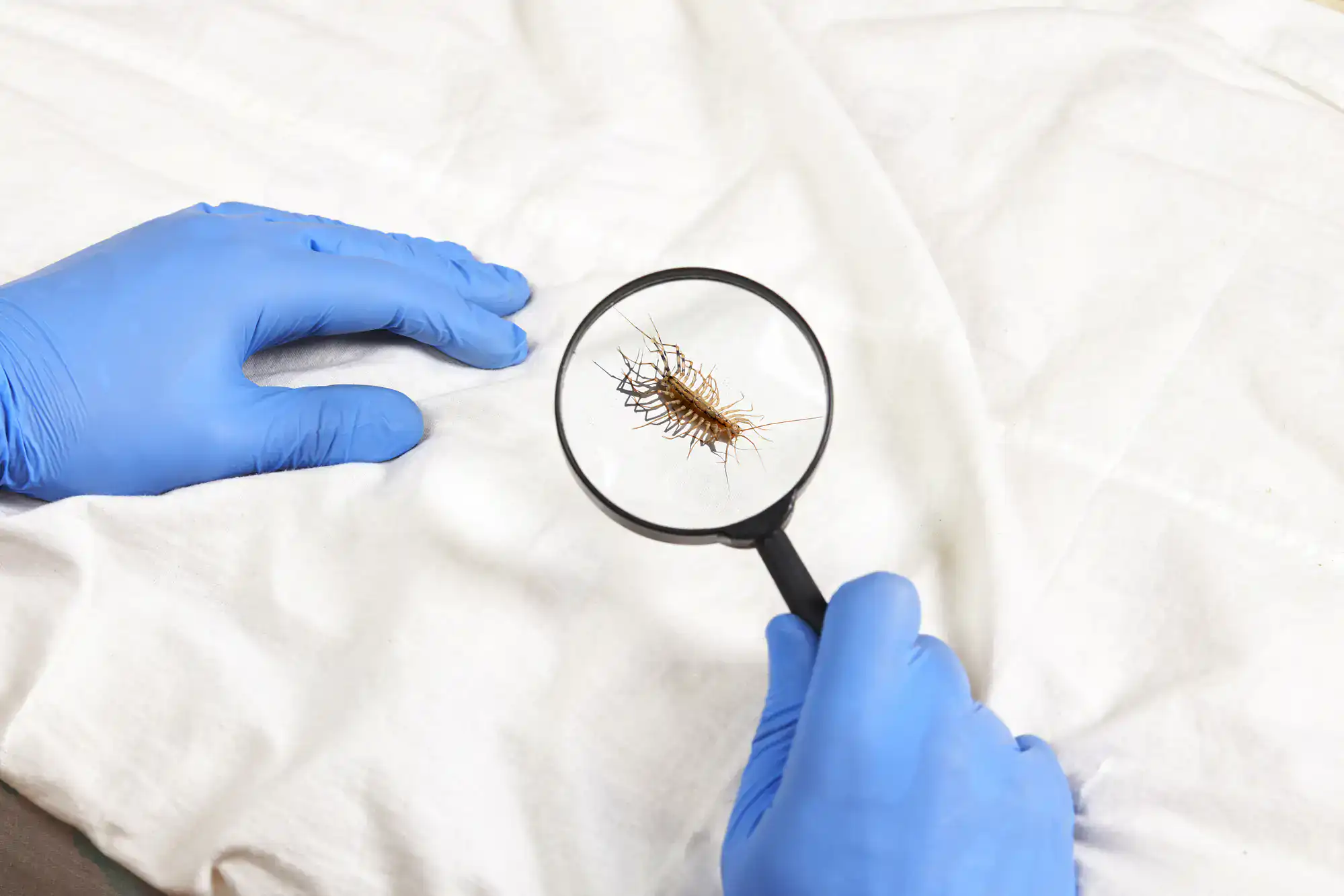
Three tick species are active in this area: the blacklegged (deer) tick, the American dog tick, and the lone star tick. Each has a different peak season and a different preferred habitat. A program that only addresses one or two of them leaves real gaps. Our licensed professionals are trained to treat for all three across the full active season from the first warm days in April through the fall adult surge in October.
Fleas get addressed as part of the same program. They become active once temperatures hold above 50 degrees, which in Miller Place’s North Shore climate runs from roughly April through October. Indoor infestations can persist year-round in heated homes, so catching the problem in the yard before it moves inside is the goal. If you have pets that use the yard regularly or if you’re anywhere near the trails at Cordwood Landing a seasonal flea and tick program isn’t a luxury. It’s the more practical choice.
Yes and the geography explains why. Miller Place sits on the North Shore of Suffolk County, directly adjacent to Cordwood Landing County Park, which is a 70-plus-acre wooded preserve with documented deer activity. Deer are the primary reproductive host for adult blacklegged ticks, and properties near that park face consistent pressure from deer moving between the preserve and residential yards throughout the year.
Beyond Cordwood Landing, Miller Place’s older housing stock means most properties have mature trees, established shrub beds, and accumulated leaf litter all of which are prime tick harborage zones. The Suffolk County Department of Health Services has noted that North Shore infection rates may be even higher than the countywide average, and a Columbia University study found that 56% of Long Island ticks carry Lyme disease.
For a Miller Place property with any wooded border or proximity to open space, a single application isn’t going to hold the season. Each treatment provides roughly four to six weeks of protection, and tick activity in this area runs from early April through late October that’s nearly seven months of active pressure from multiple species.
A properly structured seasonal program typically involves an early April application before nymphal ticks emerge, follow-up treatments through May and June during peak nymph season, summer maintenance every three to four weeks for lone star tick activity, and at least one fall application to address the adult blacklegged tick surge in September and October. If your property backs up to wooded land or you’re near Cordwood Landing, staying on schedule matters more than it would for a fully open suburban lot. Gaps in coverage are when exposure happens.
This is the most common question, and it’s a fair one. The short answer is yes when applied correctly by a licensed professional, the products we use are safe for children and pets once dry. Re-entry is typically appropriate within 30 to 60 minutes of application, depending on conditions.
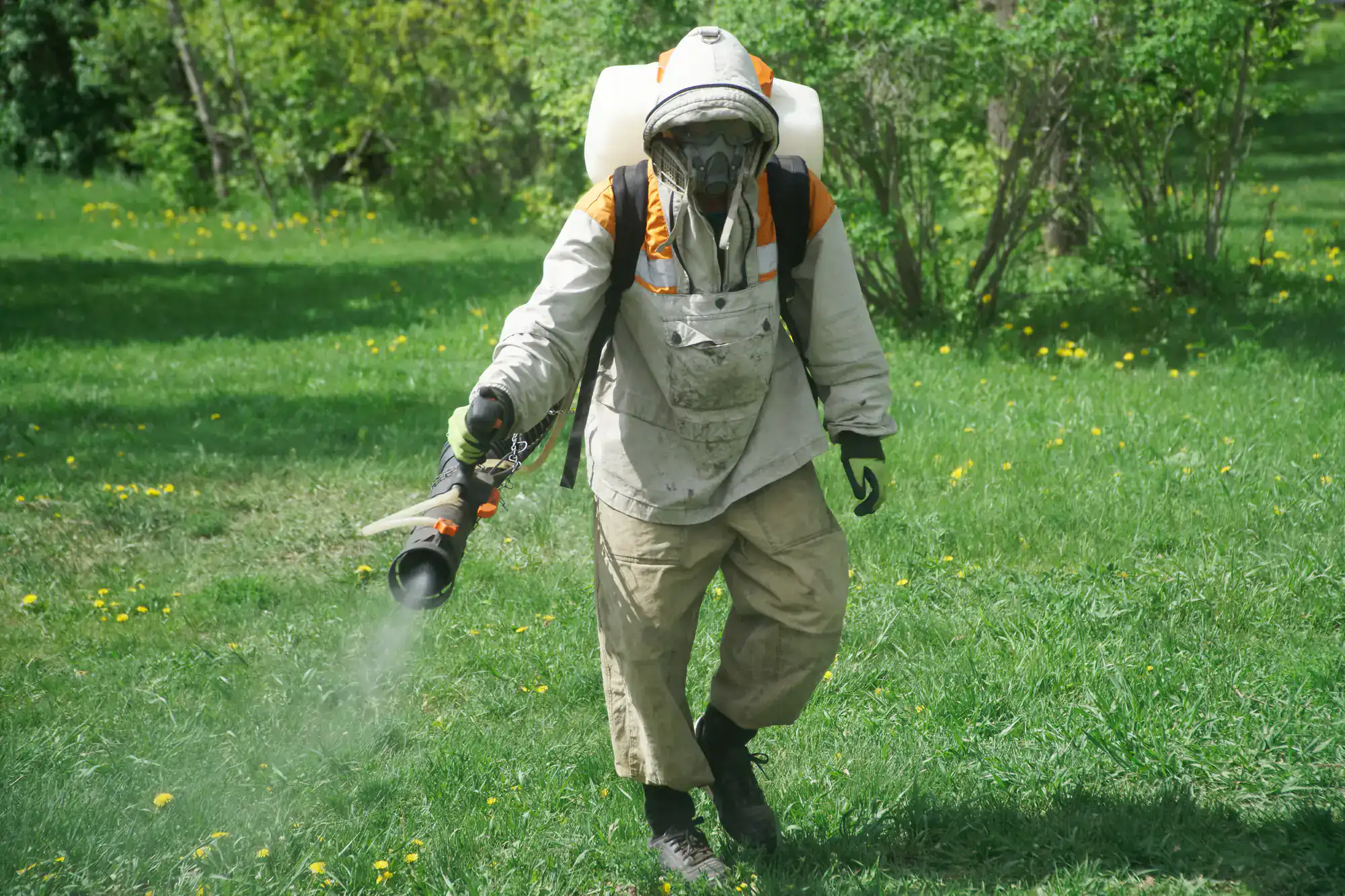
What makes the difference is how the product is applied. Our NYSDEC-licensed technicians are trained to target tick harborage areas specifically wooded edges, shrub beds, fence lines, leaf litter zones rather than broadcasting product across every inch of your yard. That targeted approach reduces overall product volume while concentrating coverage where ticks actually live. It’s also why hiring a licensed professional matters: the application rate, the product selection, and the placement are all governed by state certification requirements. An unlicensed applicator doesn’t have that training, and the result is often either over-application or missed zones. With us, your kids can be back outside the same afternoon.
Store-bought tick sprays are formulated for consumer use, which means lower active ingredient concentrations and no insect growth regulators the compounds that break the flea life cycle at the egg and larval stage before adults emerge. You can apply them yourself, but you’re working with a product that’s designed to be safe for untrained handling, not optimized for results.
Professional-grade products applied by a licensed technician operate at higher concentrations, cover a broader spectrum of tick and flea life stages, and are applied with commercial hydraulic equipment that delivers consistent, controlled coverage across the target zones. There’s also the knowledge component knowing where to treat matters as much as what you treat with. On a Miller Place property with a wooded border, old stone walls along North Country Road, or direct adjacency to preserved open space, the margin between a thorough professional application and a consumer spray is significant. One actually holds the season. The other gives you a few weeks of partial coverage and a false sense of security.
Earlier than most people expect. On Long Island’s North Shore, blacklegged ticks can activate during late-winter warm spells, and the maritime influence of Long Island Sound means Miller Place tends to have slightly milder winters than inland communities. That can push the start of tick activity earlier than it would be in, say, Coram or Medford.
The practical answer is to begin treatment in early April, before nymphal ticks emerge. Nymphs are the stage responsible for the majority of Lyme disease transmissions they’re roughly the size of a poppy seed, nearly invisible, and peak in May and June. By the time you’re thinking about summer yard use, the highest-risk window is already open. Starting in April means your property is protected before that peak hits, not after you’ve already had a close call. Waiting until you “see” a tick problem in your yard means the problem has already been active for weeks.
Yes, and it happens regularly. Cordwood Landing County Park covers over 70 acres of heavily wooded terrain with documented deer populations. Deer don’t stay inside the park boundary they move through residential neighborhoods, cross yards, and bed down in landscaped borders throughout Miller Place, particularly along the properties that back up to the bluffs and wooded corridors on the North Shore side of the hamlet.
Adult blacklegged ticks feed on deer for their final blood meal before winter, and they drop off in whatever yard, garden bed, or leaf pile the deer happens to be standing in at the time. That’s how ticks migrate from preserved open space into residential properties not by crawling long distances on their own, but by hitching a ride on the deer that move freely between the park and the surrounding neighborhood. If you live within a half mile of Cordwood Landing, or anywhere along the wooded bluff properties near Long Island Sound, your yard is in that movement corridor. A seasonal treatment program creates a buffer at your property line which is exactly where the exposure risk is highest.
Useful Links
Other Services we provide in Miller Place