
Hear from Our Customers
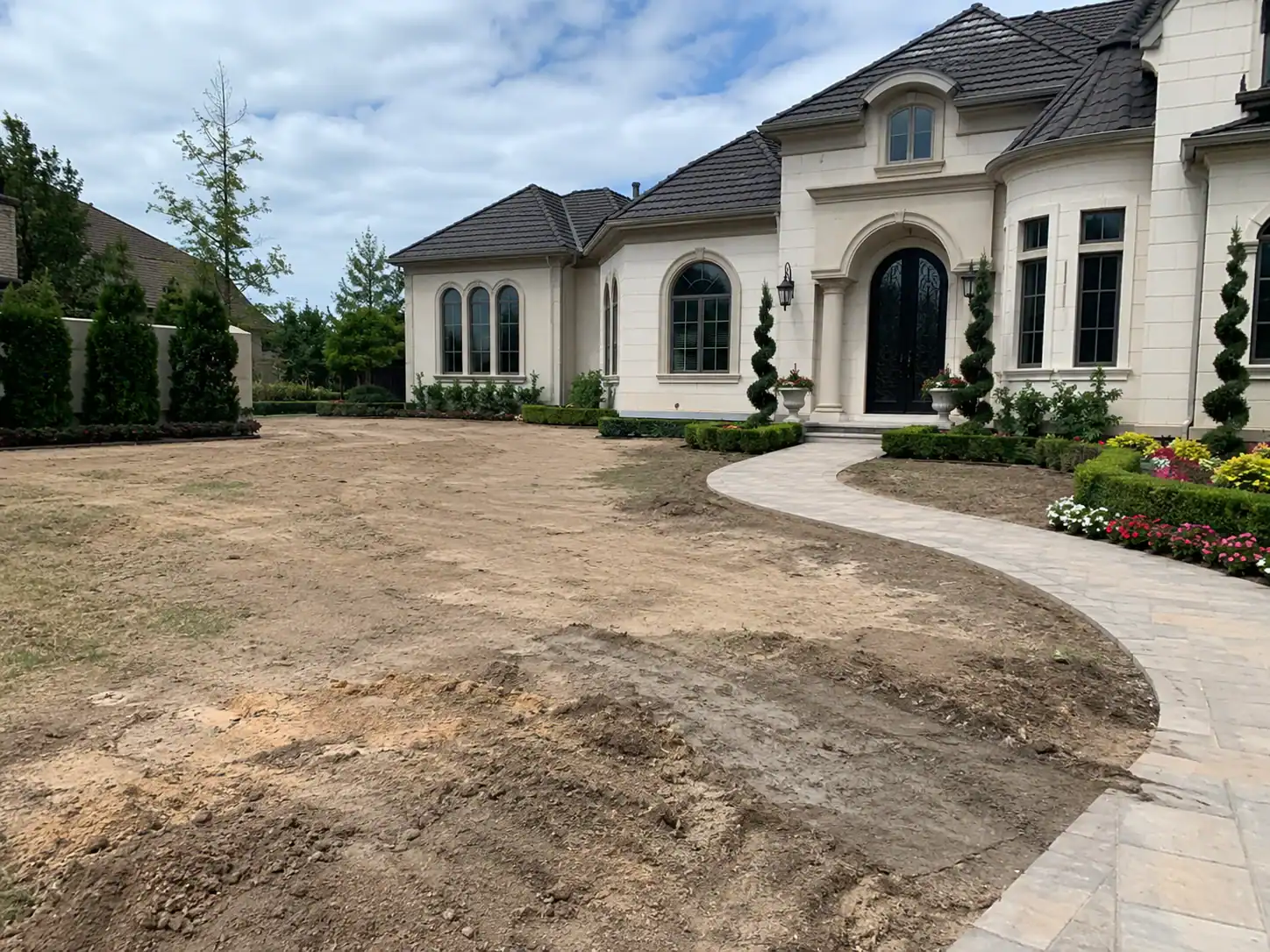
Most homeowners in Miller Place who call us have already tried something. A bag of seed from the local hardware store. A box of lime. Maybe a fertilizer program that helped for a season and then faded. The lawn still looks thin, patchy, or just plain tired and the frustration is real, especially when the rest of the property reflects the kind of care and investment that homes in this area typically receive.
Here’s what changes when the problem is addressed correctly. Dense, even turf that fills in bare patches and holds through summer heat. Grass that actually holds its color because the soil beneath it has the structure to retain nutrients instead of letting them drain straight through. In the coastal sections of Miller Place North Harbor, the bluffs above Long Island Sound, anywhere the salt air reaches that kind of soil correction isn’t optional. It’s the only thing that produces lasting results.
Restored lawns in Miller Place also tend to recover faster and stay healthier longer because the underlying conditions have been fixed, not just masked. When your soil pH is right, your thatch is managed, and your turf variety matches what actually performs on the North Shore’s sandy substrate, you stop fighting the same battle every spring. That’s the outcome worth investing in.
We’ve been working in Suffolk County since 1986. That’s nearly four decades of restoring damaged, neglected, and struggling lawns across the North Shore including the sandy, salt-air-exposed properties that define Miller Place’s coastal character. We know what cool-season grasses perform here. We know how the summer humidity window hits turf that’s already stressed. And we know that a lawn sitting 200 yards from Cordwood Landing County Park faces different conditions than one in the interior of the county.
We’re NYS-licensed, which matters more in Suffolk County than most places. The fertilizer regulations here are strict no applications between November 1 and April 1, phosphorus restrictions on established lawns and navigating them correctly is part of what you’re paying for when you hire a licensed professional. We handle compliance as a matter of routine so you don’t have to think about it.
What you get is a company that has been doing this specific work, in this specific area, long enough to know what actually works and honest enough to tell you when restoration is the right call versus when something more is needed.
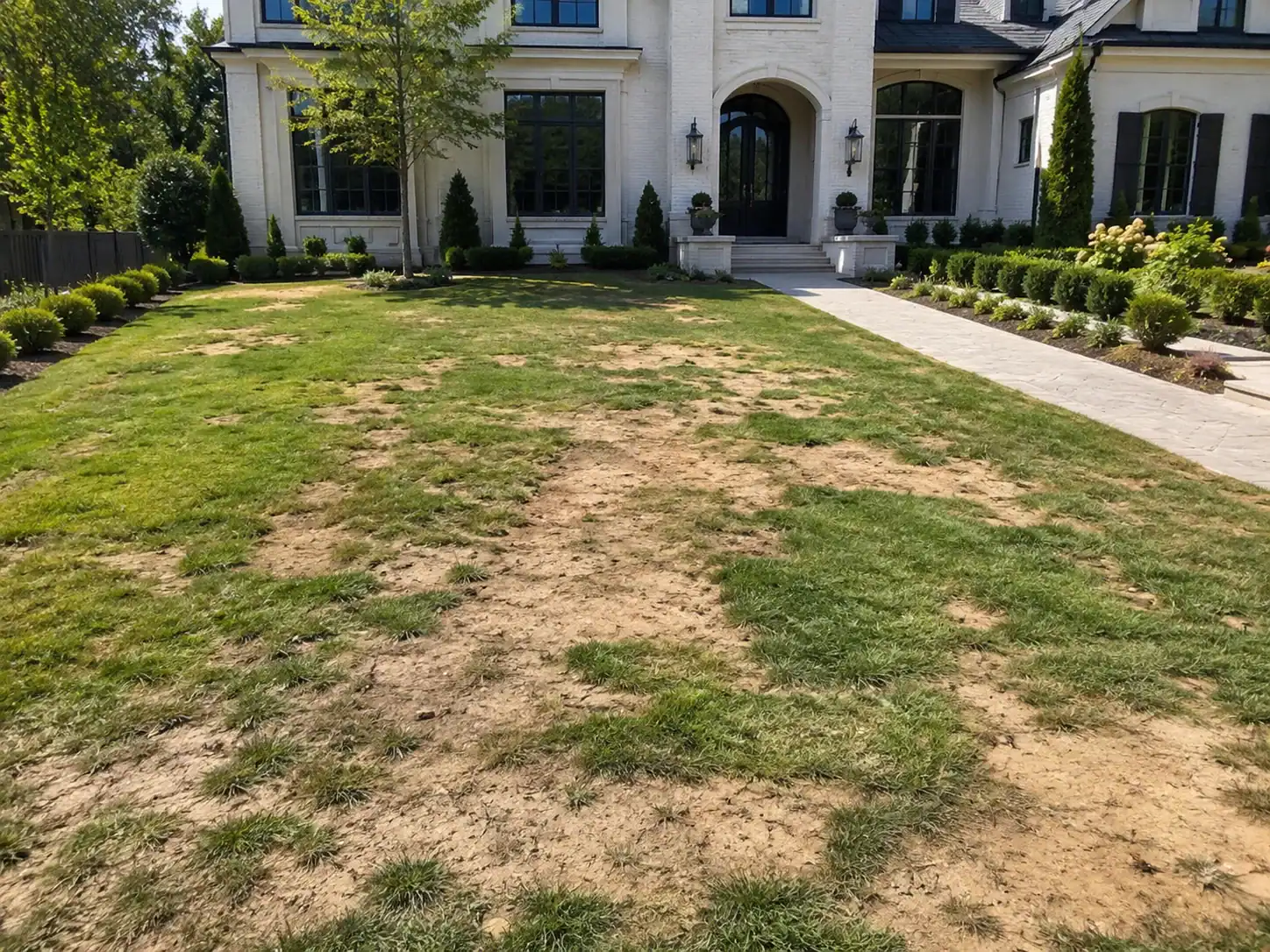
It starts with a real assessment not a sales visit. We look at your soil pH, measure thatch depth, evaluate compaction, and identify the specific stress factors affecting your turf. For properties in Miller Place, that often means accounting for the coarse, fast-draining soils common throughout the North Shore, and checking for salt stress if your lawn is anywhere near the water. That diagnosis shapes everything that follows.
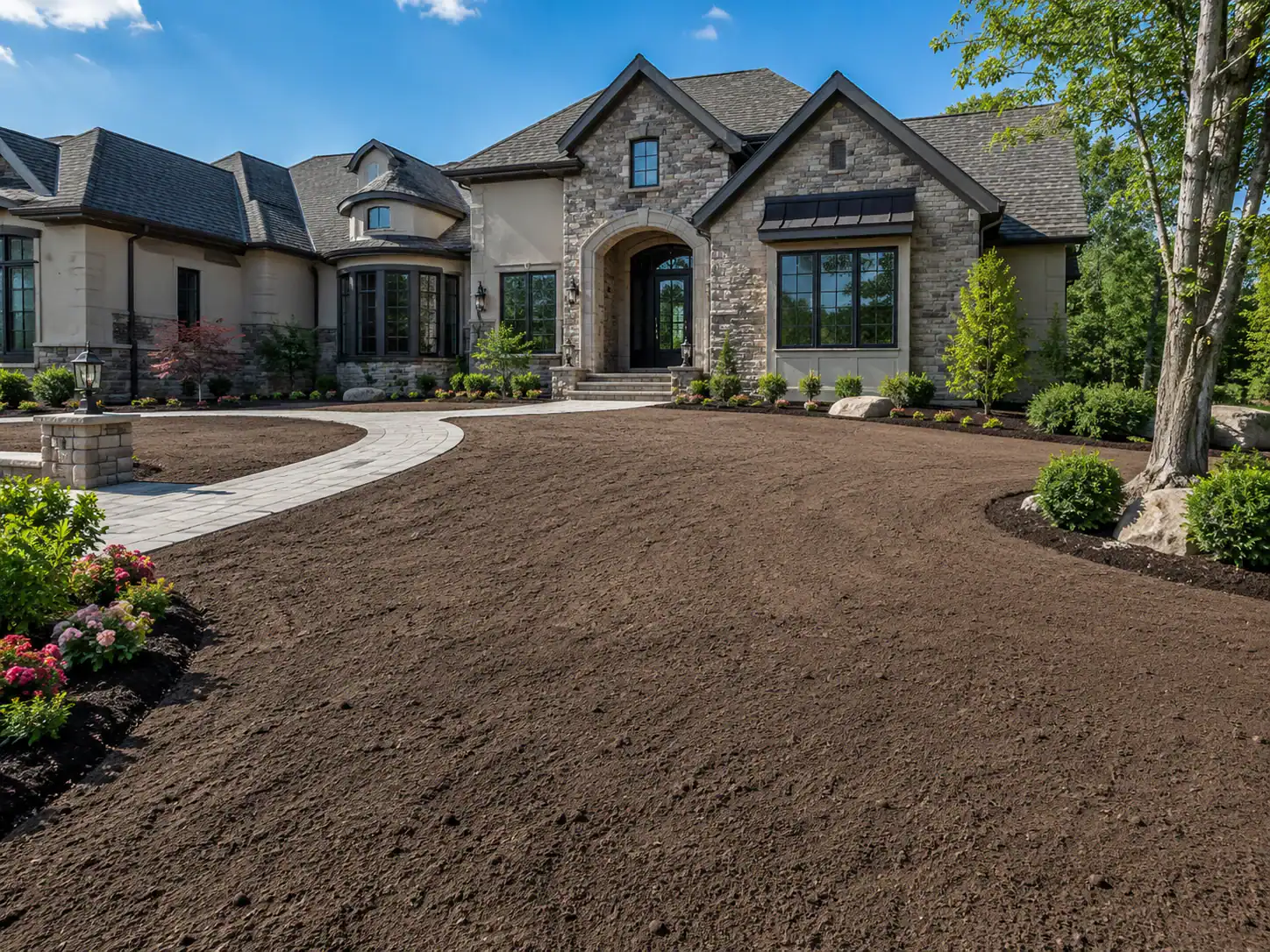
Once we know what we’re working with, we correct the foundation. That typically means lime to bring pH back into range, core aeration to break up compaction and open the soil profile, and organic matter amendment where the substrate needs it. This step is what separates a restoration that holds from one that looks good for six weeks and then falls apart again. Suffolk County’s sandy soils don’t retain nutrients the way heavier soils do skipping soil correction just means you’ll be back here next year with the same problem.
After the soil is ready, we seed using commercial-grade slice seeding equipment that cuts through thatch and places seed directly into the soil at the right depth. This isn’t broadcast spreading it’s precision seeding that dramatically improves germination rates on the kind of compacted or thatch-heavy lawns we see throughout Miller Place. From there, we walk you through a realistic recovery timeline so you know exactly what to expect and when.

Ready to get started?
Lawn restoration in Miller Place isn’t a one-size program. The soil profile here sandy, low in organic matter, prone to leaching requires a different approach than what works in heavier inland soils. Properties near North Harbor or Miller Place Beach deal with salt air exposure that causes tip burn and persistent thinning. Homes built in the 1970s and 1980s, which make up a large share of Miller Place’s housing stock, often have lawns that have never had professional soil rehabilitation meaning decades of compaction and nutrient depletion are baked in. We address all of it.
What’s included depends on what your lawn actually needs, which is why the assessment comes first. Core aeration, soil pH correction, thatch management, and slice seeding are the most common components for lawns in Miller Place. Where salt stress is a factor, turf variety selection becomes part of the conversation some grass varieties simply don’t hold up to what Long Island Sound delivers to the North Shore, and putting the wrong seed down is a waste of time and money.
One important distinction worth understanding: lawn restoration is about bringing your existing lawn back to health. If your lawn has been severely damaged stripped by construction, graded, or lost beyond a threshold where revival is cost-effective that’s a different conversation, and we’ll tell you honestly if that’s where you are. Full lawn renovation, which involves rebuilding from the ground up, is a separate service. If restoration is the right path, we’ll restore it. If it isn’t, we’ll say so.
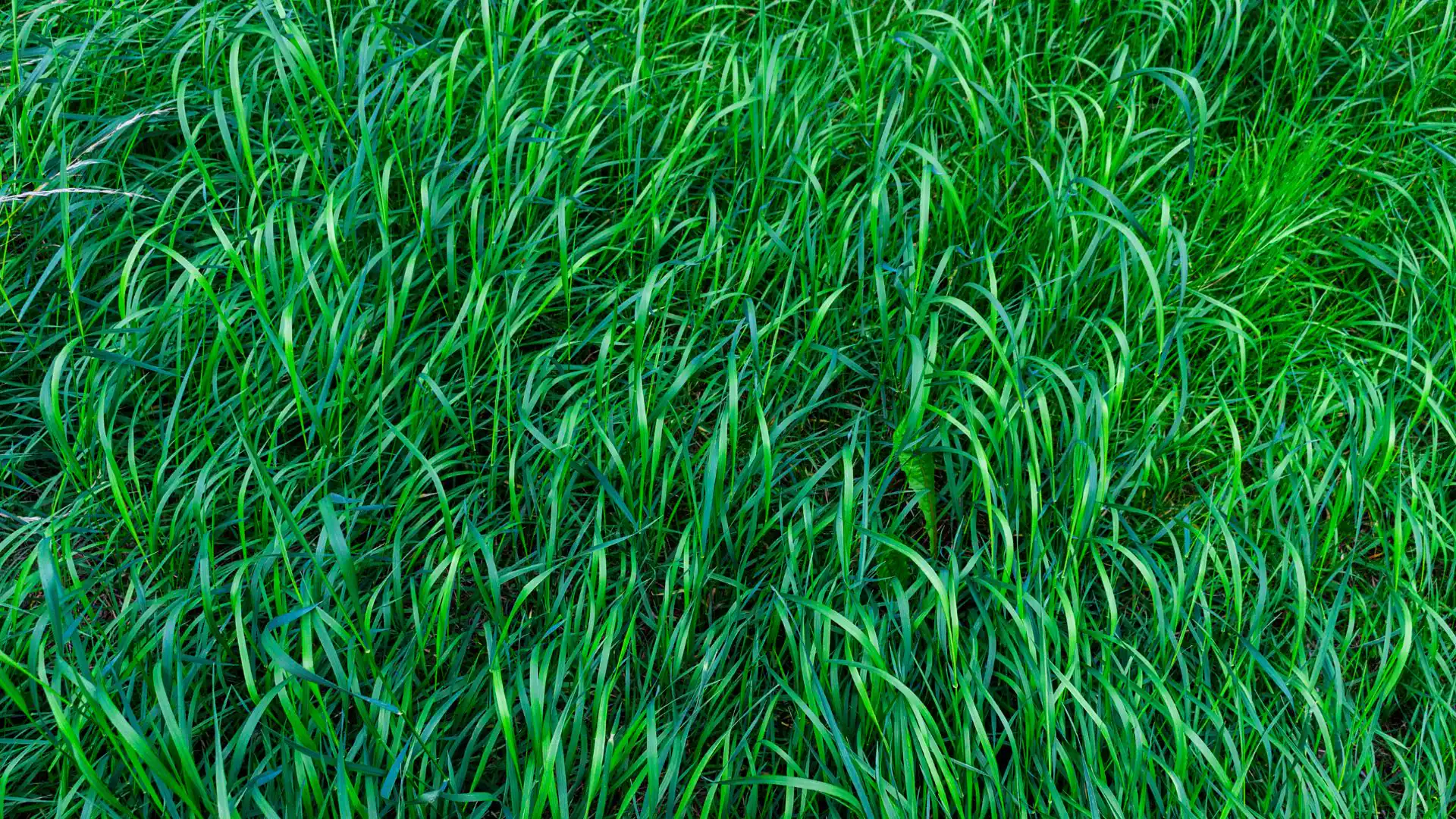
Restoration means reviving the lawn you already have. The grass is still there maybe thin, patchy, or struggling but the foundation can be corrected and the turf density brought back through soil work, aeration, and slice seeding. Renovation is a more complete rebuild: stripping out the existing lawn and starting over from bare soil. They’re fundamentally different scopes of work, and the right answer depends on what’s actually going on with your specific lawn.
For most Miller Place homeowners, restoration is the appropriate path. Even lawns that look severely stressed are often recoverable once the soil issues are addressed pH imbalance, compaction, and salt stress from the Long Island Sound proximity are all correctable. Where a lawn has been physically destroyed by construction, major grading, or complete turf loss across a large area, renovation may make more sense. We assess both possibilities honestly and tell you which one fits your situation before any work begins.
In most cases, yes and more often than homeowners expect. Thinning and bare patches in Miller Place lawns are usually symptoms of underlying soil problems, not permanent turf failure. The sandy, coarse-textured soils on the North Shore drain nutrients faster than grass roots can absorb them, which leads to chronic thinning that looks like a grass problem but is really a soil problem. Fix the soil, and the turf responds.
That said, there’s a threshold. If less than roughly 50% of your lawn has viable turf remaining, restoration becomes harder to justify economically compared to a full rebuild. Below that line, you’re spending money trying to fill in too much bare ground through seeding alone, and renovation may deliver a better result faster. We’ll give you an honest read on where your lawn falls during the assessment no pressure either way.
For most lawns in Miller Place and across Suffolk County, the best restoration window is late August through early October. Cool-season grasses tall fescue, fine fescue, and Kentucky bluegrass, which are the dominant turf types on the North Shore germinate best when soil temperatures drop back into the ideal range after summer. You’ll typically see germination within 10 to 21 days of seeding, visible density improvement within four to six weeks, and a meaningfully transformed lawn by the following spring.
Timing matters more than most homeowners realize. Seeding too late in the fall after mid-October in Miller Place risks putting down seed that doesn’t establish before the ground cools. Seeding during summer heat stress is similarly problematic for cool-season varieties. The late-summer window is the sweet spot, and it’s why scheduling your restoration assessment in July or early August gives you the best chance of a full recovery before the season closes.
Yes, and it’s worth understanding before you start. Suffolk County Local Law 41-2007 prohibits fertilizer applications between November 1 and April 1. The ground is too cold during that window for grass to absorb nitrogen, and runoff into Long Island Sound and the county’s groundwater system is a real concern one that the law takes seriously. New York State also prohibits phosphorus in fertilizers for established lawns unless a soil test documents a deficiency.
For a restoration program, this means the treatment sequence has to be planned around the legal calendar. Fall seeding combined with a properly timed fertilizer application in late September or early October before the November cutoff is the standard approach for Miller Place lawns. As an NYS-licensed applicator, we build every program around full compliance with these regulations. You don’t have to track the rules yourself; we handle that as part of the job.
This is one of the most common frustrations we hear from homeowners along the North Shore, and the answer almost always comes back to soil. Broadcast seeding over a compacted, thatch-heavy, or pH-imbalanced lawn produces weak results because the seed never makes proper contact with the soil. It sits on the surface, germinates poorly, and what does come up has shallow roots that can’t survive the following summer’s heat and humidity stress.
In Miller Place specifically, the sandy soil composition compounds the problem. Even when seed does establish, grass growing in depleted, low-organic-matter soil doesn’t build the root depth it needs to persist. The nutrients leach through before the plant can use them. Without correcting the soil first adjusting pH, improving organic matter, breaking up compaction you’re reseeding the same broken foundation every year and wondering why the results don’t hold. Soil correction before seeding is what breaks that cycle.
Cost varies based on lot size, the condition of the lawn, and which services the assessment identifies as necessary. For a typical quarter-acre to half-acre residential property in Miller Place which covers a large share of the hamlet’s single-family homes a full restoration program including soil assessment, aeration, pH correction, and slice seeding generally runs in the range of several hundred to over a thousand dollars depending on scope. Larger lots, more severe soil depletion, or significant bare patch coverage will move the number higher.
What’s worth keeping in mind is the context. Miller Place homes carry median values approaching $700,000, and a lawn in poor condition affects curb appeal in a neighborhood where property presentation genuinely matters from the North Harbor waterfront section to the historic North Country Road corridor. A properly executed restoration that holds for years is a different investment calculation than another round of bag seeding that fades by July. We provide a clear, itemized estimate after the assessment so you know exactly what you’re paying for and why before any commitment is made.
Useful Links
Other Services we provide in Miller Place