
Hear from Our Customers
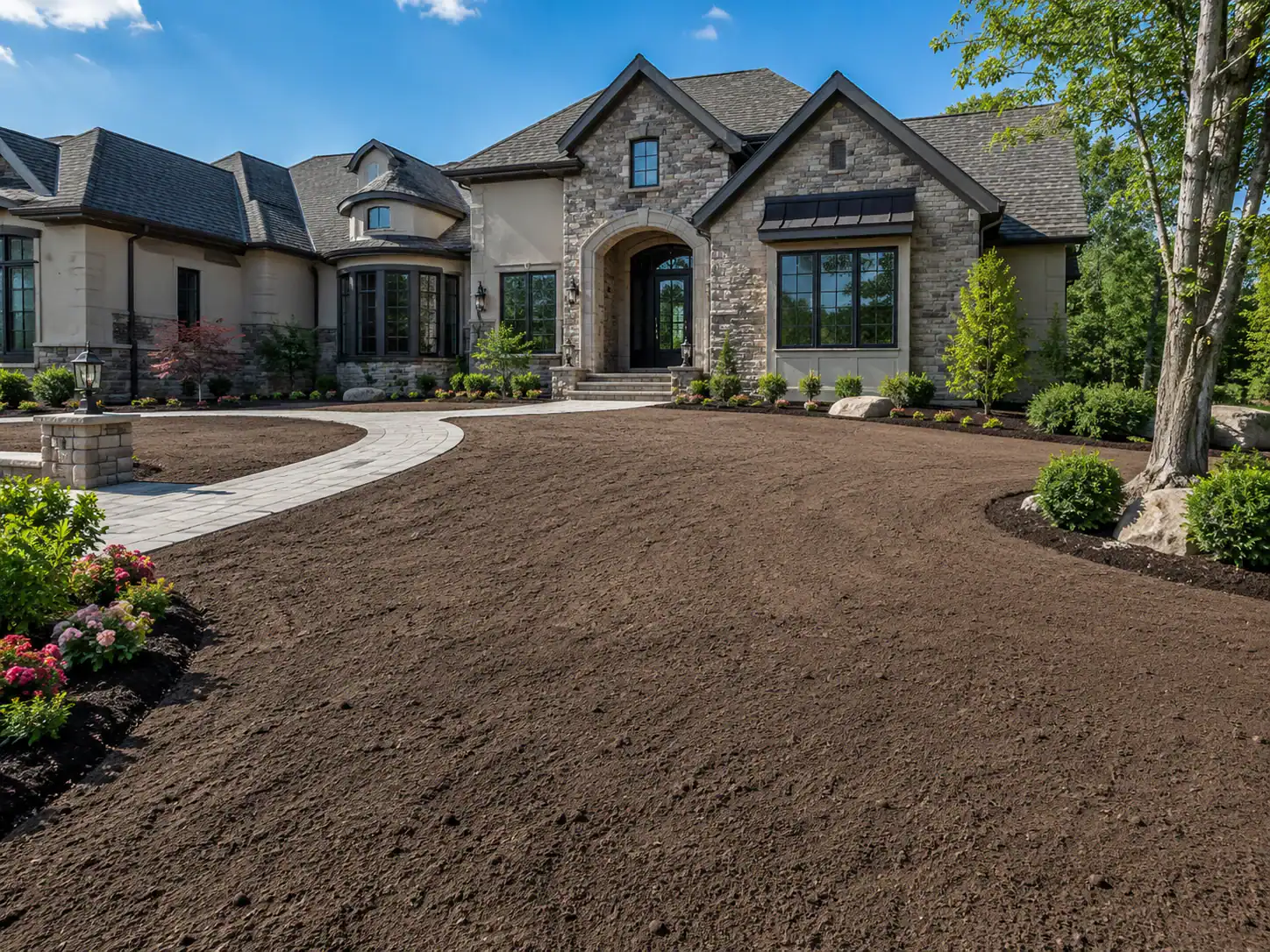
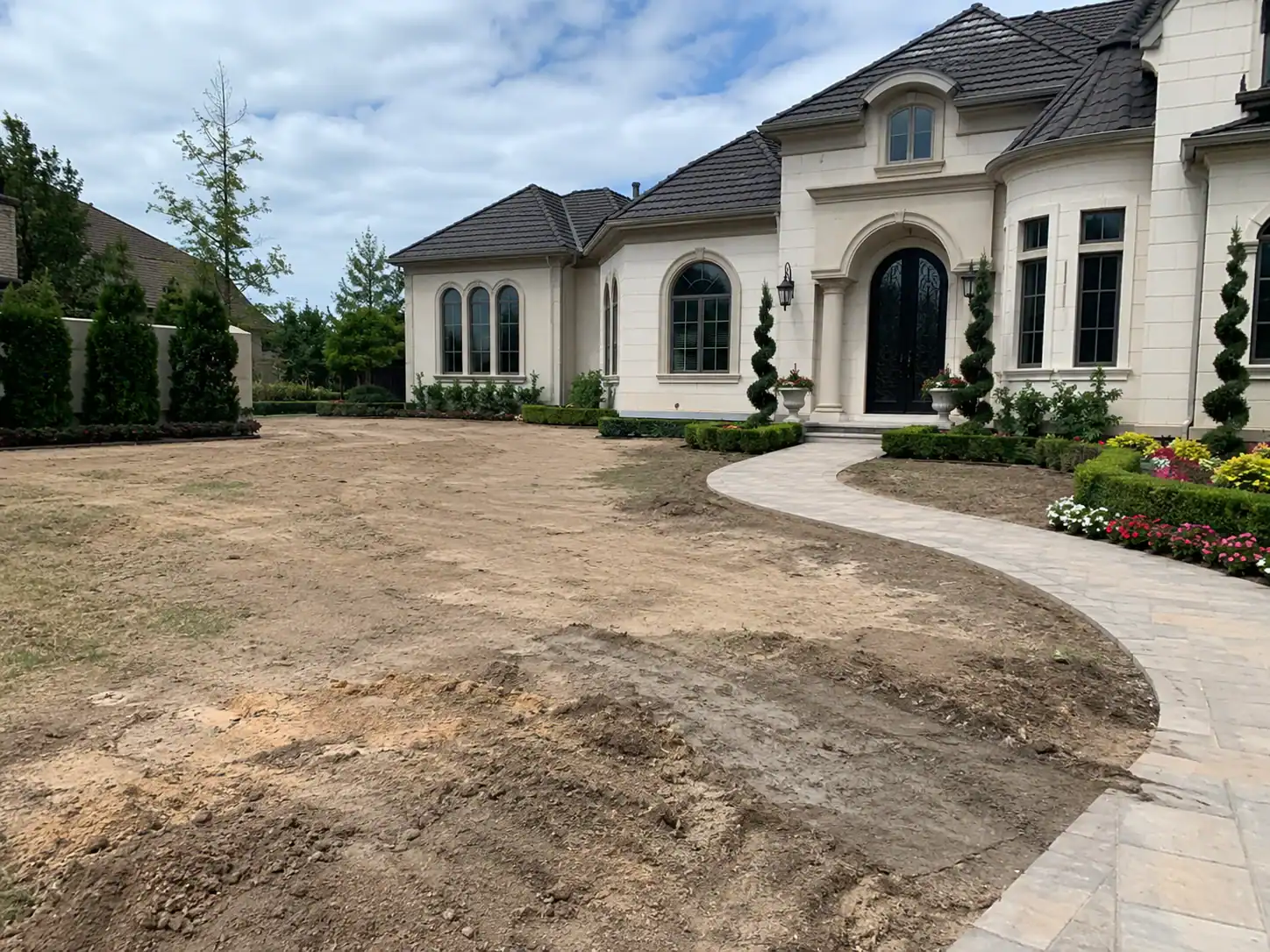
When your lawn comes back really comes back it changes how your whole property reads. The bare patches fill in. The color evens out. The turf gets dense enough that weeds stop finding room to root. That’s not just curb appeal. In Port Jefferson, where the median home value sits above $710,000, a healthy lawn is part of what the property is worth.
But here’s what most homeowners in Port Jefferson don’t realize: the reason their lawn keeps failing has nothing to do with the grass seed or the fertilizer they’ve been buying. It has to do with what’s happening underneath. The glacial till soils common throughout the North Shore carry clay particles that compact under foot traffic, lock out oxygen, and shed water instead of absorbing it. When you add the acidic pH that’s typical of this area, nutrients become chemically unavailable to grass roots so even when you feed the lawn, nothing responds.
Coastal proximity makes it worse. Properties in Belle Terre, Old Field, and the hillside streets overlooking Port Jefferson Harbor deal with salt spray that most homeowners mistake for drought stress. The browning looks the same, but the fix is completely different. Getting the diagnosis right is what separates a lawn that recovers from one that keeps declining no matter what you throw at it.
We’ve been working in Port Jefferson and throughout Suffolk County since 1986. That’s 38 years of diagnosing the specific problems that affect North Shore turf the compacted glacial till, the acidic pH, the salt exposure near Port Jefferson Harbor, the shade from the mature tree canopy on Port Jefferson’s older residential streets. We’re not applying a national program to a local problem. We’re applying what we’ve actually learned from working this specific soil and climate for nearly four decades.
We’re NYS-licensed applicators, which matters both for the quality of what we use and for your peace of mind as a homeowner in Port Jefferson’s incorporated village with active code enforcement. Every treatment we recommend is backed by a soil assessment, not a sales script. We serve Port Jefferson, Belle Terre, Port Jefferson Station, Stony Brook, East Setauket, Mount Sinai, and the surrounding North Shore communities and we know the difference between how a lawn behaves on the harbor side of Route 25A versus a shaded lot a few blocks inland.
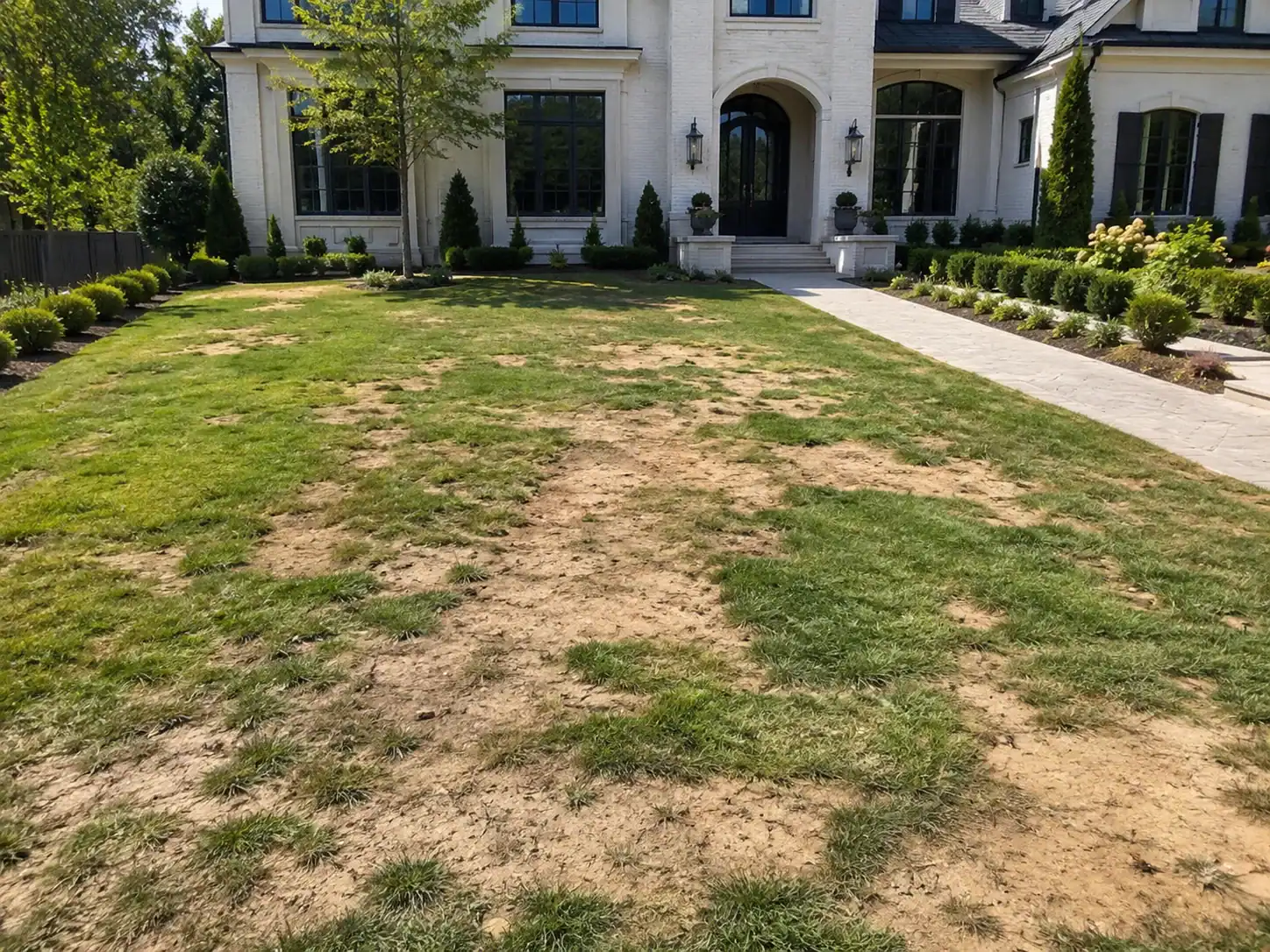
The first thing we do is look at your soil, not your grass. We assess pH, compaction, thatch depth, and any visible signs of disease or pest pressure before we recommend a single treatment. For most Port Jefferson lawns, that assessment reveals at least one underlying condition usually compaction, low pH, or both that’s been blocking recovery regardless of what’s been applied on top.
Once we understand what’s actually going on, we build a plan around it. If compaction is the issue, core aeration comes first physically pulling plugs from the soil to open up the root zone and let water and oxygen back in. If pH is off, lime goes down before any fertilizer does, because feeding an acidic lawn is largely wasted effort. If you have thin or bare areas, we use slice seeding rather than broadcast overseeding. Slice seeding cuts directly through the thatch layer and deposits seed into the soil where it can actually make contact and germinate broadcast seed on a thatchy Port Jefferson lawn mostly just sits on top and fails.
Timing matters too. The optimal window for overseeding and restoration work on the North Shore is late August through mid-October, when soil temperatures support cool-season grass germination but the summer heat stress has eased. We work with that window, not against it. By the time the following spring arrives, the difference in your lawn is visible and it holds.
Ready to get started?
Lawn restoration and lawn renovation are not the same thing, and the distinction matters before you spend a dollar. Restoration means correcting the underlying conditions that caused your lawn to decline and bringing the existing turf back to health. Renovation means rebuilding or replacing the lawn from the ground up. Most lawns in Port Jefferson even ones that look severely damaged are restoration candidates, not renovation candidates. We’ll tell you honestly which one applies to your property. If it turns out your lawn needs a full rebuild, we handle that too, and we’ll explain exactly why before we recommend it. You can learn more about that on our lawn renovation page.
What a restoration program with us typically includes: soil testing and pH assessment, core aeration to relieve compaction in the clay-heavy soils common throughout the North Shore, lime application where pH correction is needed, slice seeding for bare and thin areas, a targeted fertilization program calibrated to your soil results, and where applicable, treatments for the specific weeds, disease pressure, or salt accumulation affecting your lawn. For properties near Port Jefferson Harbor or in coastal neighborhoods like Belle Terre, we also address salt stress directly flushing affected areas and reseeding with appropriate cool-season varieties that perform in that environment.
This isn’t a package you pick off a menu. It’s a program built around what your specific lawn actually needs.
Restoration means working with the lawn you have correcting soil conditions, overseeding thin areas, addressing pH imbalance, and rehabilitating what’s already there. Renovation means tearing out what exists and rebuilding from scratch, either through sod installation or full-scale reseeding after soil preparation. The two are completely different in scope, cost, and disruption.
For most homeowners in Port Jefferson, restoration is the right starting point. Even lawns that look severely damaged patchy, thin, discolored, weed-heavy are often salvageable once the underlying soil problems are corrected. The glacial till soils and acidic pH common throughout Port Jefferson and the North Shore are responsible for a lot of lawns that appear dead but aren’t. When you fix the root cause, the turf responds. If a full renovation turns out to be necessary after our assessment, we’ll tell you clearly and explain why but we don’t recommend it until we’ve determined that restoration isn’t viable.
In most cases, yes it can be saved. A lawn that looks dead or severely damaged in Port Jefferson is often reacting to conditions that are completely correctable: compacted soil that’s suffocating the root zone, a pH that’s drifted too low for nutrients to absorb, thatch buildup blocking water penetration, or salt accumulation from coastal exposure near Port Jefferson Harbor. None of those are death sentences for a lawn.
The honest answer is that we can’t tell you for certain until we look at it. That’s why we start with a soil assessment rather than a program recommendation. What we can tell you is that 38 years of working Suffolk County lawns including properties throughout the North Shore has shown us that most lawns people have given up on can be brought back with the right sequence of treatments. The ones that genuinely can’t be restored through rehabilitation alone are the exception, not the rule.
It depends on what’s being corrected and when the work starts, but here’s a realistic timeline for a North Shore lawn. If restoration work aeration, lime, slice seeding begins in the late August to mid-October window, which is the optimal period for cool-season grass establishment on Long Island, you’ll typically see germination within two to three weeks and meaningful fill-in by late fall. The lawn will continue to thicken and strengthen through the following spring.
Soil correction takes longer to show its full effect. Lime application, for example, takes several weeks to begin shifting pH, and the full benefit may not be visible until the next growing season. That’s not a flaw in the process it’s just how soil chemistry works. The important thing is that the correction is happening beneath the surface, and when the grass responds, it responds durably. A lawn restored through proper soil correction and slice seeding holds significantly better than one that was patched with broadcast seed and surface fertilizer.
This is one of the most common frustrations we hear from homeowners throughout Port Jefferson and the North Shore, and the answer is almost always the same: the soil conditions are blocking the response. Fertilizer applied to an acidic lawn doesn’t feed the grass the nutrients lock up chemically and become unavailable at low pH. Seed broadcast over a compacted, thatchy lawn doesn’t germinate reliably because it never makes proper contact with the soil. You can repeat that cycle indefinitely and get the same result.
In Port Jefferson specifically, there are a few compounding factors. The clay content in the glacial till soils here creates compaction that most homeowners don’t recognize as the problem because it’s invisible. Salt accumulation from coastal exposure particularly on properties near Port Jefferson Harbor or in Belle Terre causes browning that looks exactly like drought stress, so homeowners water more and fertilize more without addressing the actual issue. Until the underlying conditions are corrected, surface treatments are largely wasted. That’s why diagnosis comes before prescription in everything we do.
Restoration cost depends on the size of your lawn, the extent of the damage, and what the soil assessment reveals. A program that includes core aeration, lime application, slice seeding, and a multi-application fertilization plan for an average-sized residential property in Port Jefferson will typically run less than a full renovation often significantly less which is one of the reasons we exhaust restoration options before recommending a rebuild.
What we don’t do is quote a flat rate before seeing your property. Port Jefferson lawns vary considerably a shaded lot on a hillside street near Route 25A has different needs than a harbor-facing property in Belle Terre dealing with salt stress, and pricing a program without understanding those conditions would mean either underdelivering or overcharging. The estimate is free, it’s based on an actual assessment of your lawn, and it includes a clear explanation of what we found and why we’re recommending what we’re recommending. No pressure, no obligation.
Yes, and it’s more widespread than most homeowners realize. Salt spray carried inland from Port Jefferson Harbor and Long Island Sound especially during nor’easters and coastal storms accumulates in soil over time and disrupts the way grass roots take up water and nutrients. The result looks a lot like drought stress: browning, thinning, dieback along the edges of the lawn. Because the symptoms mimic drought, homeowners often respond by watering more, which doesn’t help and can make the underlying soil conditions worse.
Properties in Belle Terre, Old Field, and the harbor-facing streets of Port Jefferson village are the most commonly affected, but salt can travel further inland than people expect during significant storm events. Addressing salt damage properly requires flushing the affected soil, applying appropriate amendments to restore balance, and reseeding with cool-season grass varieties that perform in coastal conditions. It’s a specific problem that needs a specific fix not just more fertilizer and seed. If your lawn is near the water and keeps declining despite regular care, salt accumulation is one of the first things we check.
Useful Links
Other Services we provide in Port Jefferson