
Hear from Our Customers
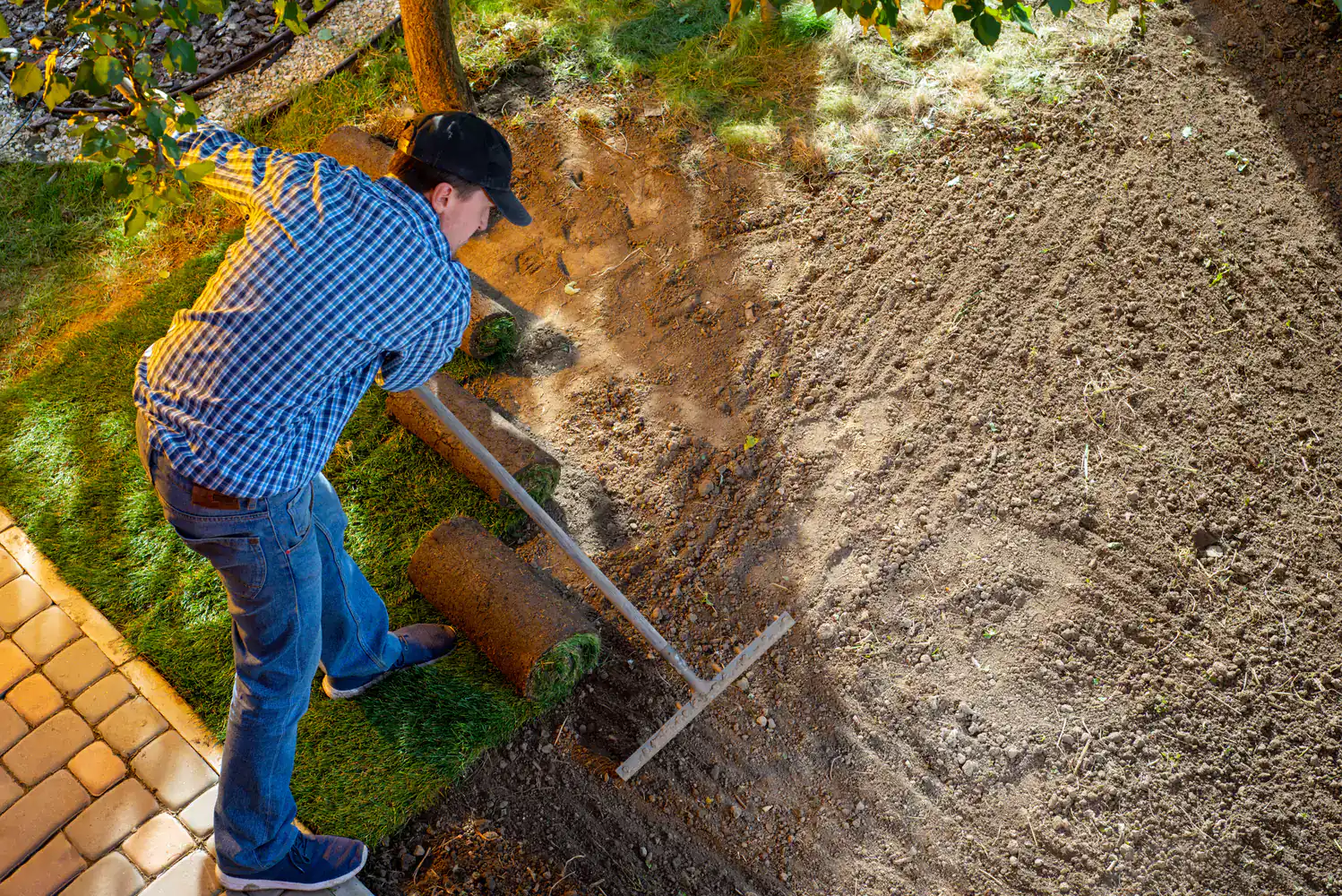
When you’re standing in front of bare ground after a renovation, a pool install, or a new build, the lawn isn’t just landscaping it’s the last visible piece of everything you’ve invested in. Get it wrong and it shows. Get it right and the whole property clicks into place.
Port Jefferson’s soil is not forgiving to shortcuts. The glacial moraine terrain along the North Shore holds clay pockets that drain differently depending on where you are on the lot and harbor breezes off Long Island Sound leach nutrients faster than inland soils ever would. A lawn installed without accounting for those conditions will thin out under summer heat and salt stress, usually by the second season when it’s too late to pretend the installation was solid.
What you actually get from a proper installation here is a lawn that establishes deep roots before its first winter, holds its density through the coastal conditions that stress weaker installs, and genuinely looks like it belongs on a $700,000-plus property. That’s just what the right process produces when someone who knows Port Jefferson soil is running it.
We are not a landscaping company. There’s no hedge trimming, no mulch delivery, no general yard maintenance on the menu. New lawn installation and lawn renovation is the work and it has been for 38 years on Long Island.
That matters here specifically. The North Shore between Port Jefferson village and Belle Terre is not the same terrain as Hauppauge or Medford. The soils are different, the salt air is real, and the spring soil warming runs 7 to 14 days behind what you’d see 20 miles south. We’re based in Port Jefferson Station not a contractor driving in from Nassau County or the South Shore, but a team that has worked this exact ground, in this exact climate, for decades.
When your Port Jefferson property is at the end of a major project and you need a lawn that actually performs, you want a specialist who has done this hundreds of times right here not someone figuring it out on your dime.
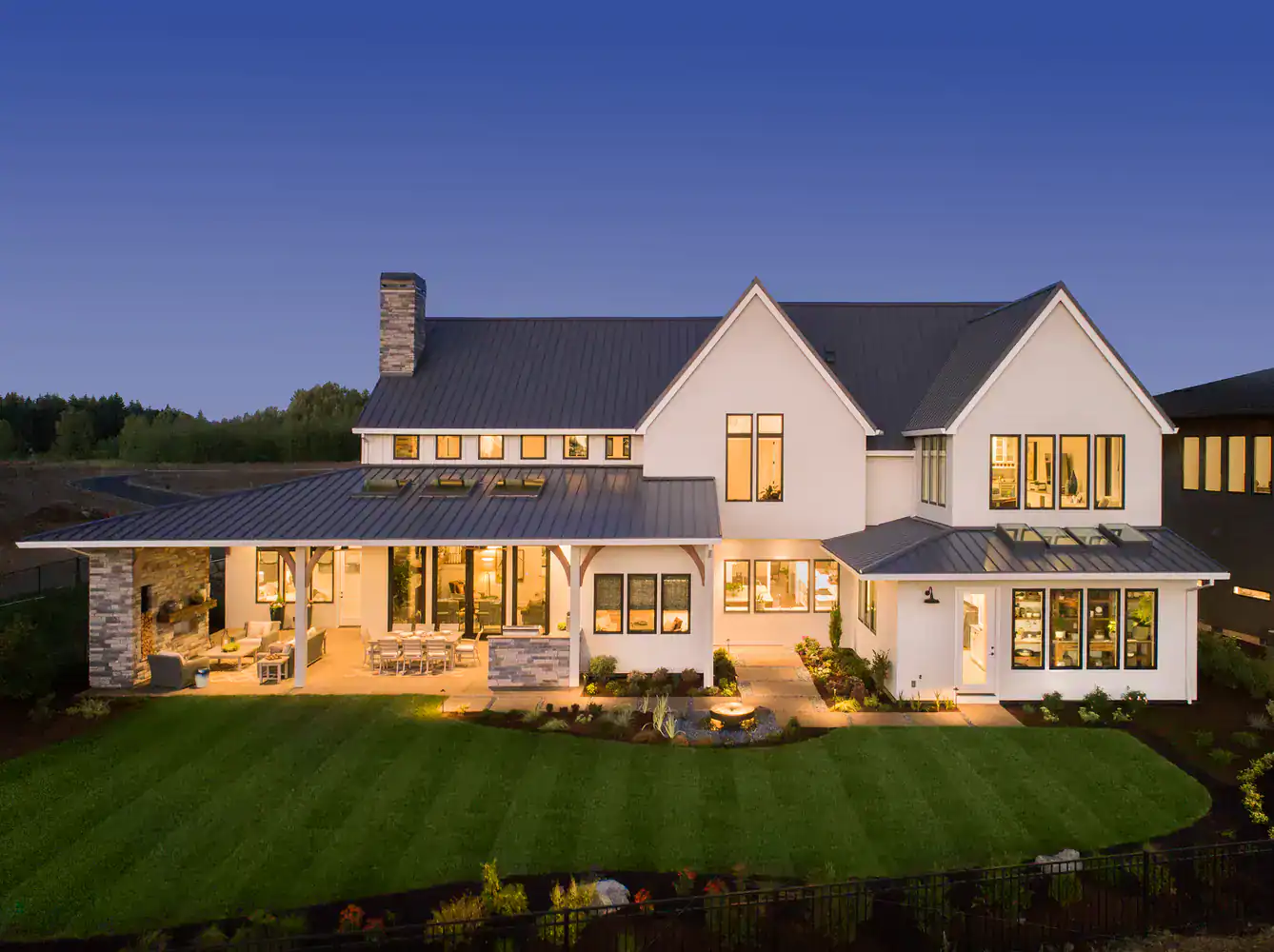
It starts with the ground, not the seed. Before anything goes down, the site gets assessed soil composition, drainage patterns, grading, and what the construction or renovation left behind. On North Shore properties, that assessment matters more than most contractors admit. Heavy equipment from a pool or foundation project compacts subsoil in ways that strangle root development if you don’t address it first. Buried construction debris is more common than homeowners expect. We find it before it becomes your problem.
From there, the grading gets corrected if needed, topsoil depth is brought to the right level, and the soil gets amended based on what it actually needs not a generic checklist. Port Jefferson’s coastal soils often need specific pH and nutrient correction that inland properties don’t. Then comes seed selection. Tall fescue and Kentucky bluegrass blends perform well on the North Shore, but not all varieties handle salt air and heat stress equally. The right variety gets chosen based on your specific site conditions, not what’s easiest to source.
Once the seed is down, you get a clear establishment guide watering schedule, first mowing height, traffic restrictions, and first-year fertilization timing. The installation is the beginning of the process, not the end of the conversation.
Ready to get started?
Every new lawn installation starts with a site-specific plan. That means soil testing, grading evaluation, topsoil assessment, and a seed or seeding recommendation based on your property’s actual conditions not a one-size approach. For larger lots, seeding is often the smarter call. It’s significantly more cost-effective than sod, the grass establishes its root system in place rather than being transplanted, and it performs exceptionally well on the North Shore when the seed blend is dialed in correctly. For properties where timing or immediate coverage is the priority, sod is on the table too the recommendation depends on your site, your timeline, and your goals.
Post-renovation and new construction installs get particular attention here because construction damage to soil is almost always worse than it looks. Compacted subsoil, stripped topsoil, and drainage disruption from heavy equipment are standard issues on Port Jefferson properties that have just come through a major project. We address that at the foundation level before installation begins.
New York State’s nutrient runoff regulations also apply to every installation high-phosphorus starter fertilizer is only permitted on new lawns, and all applications follow current NYSDEC commercial applicator standards. For homeowners in the Village of Port Jefferson, any grading or drainage work that changes site runoff may require coordination with local Village codes. That’s not something you should have to figure out alone and it’s part of the conversation from day one.
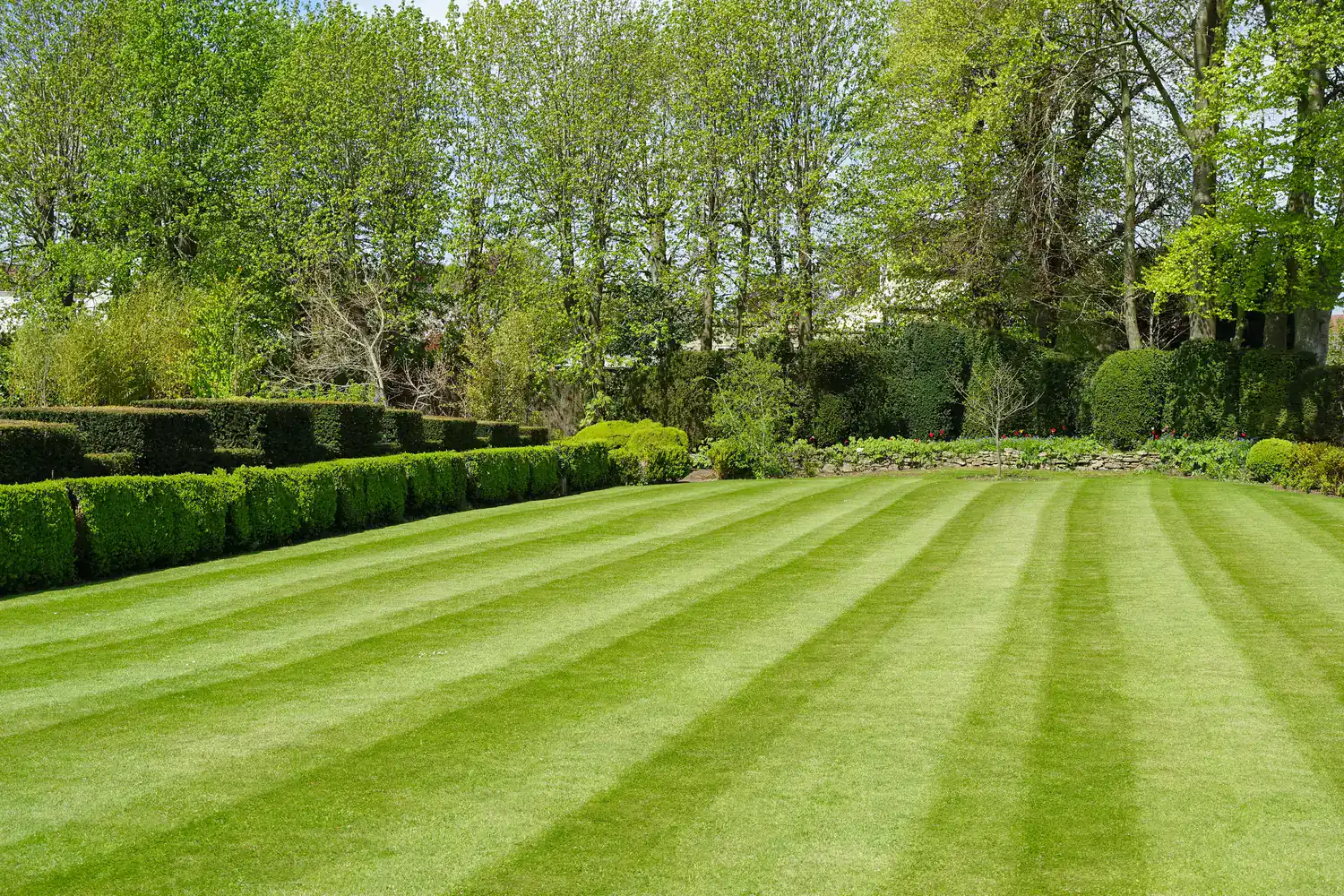
Late August through October is the strongest window for new lawn installation on Long Island’s North Shore and Port Jefferson specifically benefits from this timing more than most. Cool-season grasses like tall fescue and Kentucky bluegrass blends germinate best when soil is still warm from summer but air temperatures are dropping. That combination drives fast germination and strong root development before the ground goes dormant for winter.
Spring installations are possible, but there’s a catch on the North Shore that most contractors don’t mention: Port Jefferson’s glacial moraine soils warm up 7 to 14 days later in spring than the deep sandy soils on the South Shore. That means a calendar-based approach “start seeding in early April” is often too early here and leads to poor germination. If you’re planning a spring install in Port Jefferson, soil temperature at the 4-inch depth should be confirmed before anything goes down. Fall is simply the more reliable window, and it gives the lawn the best possible foundation before its first summer of salt air and coastal heat stress.
Professional new lawn installation in the New York area generally runs between $1 and $4 per square foot depending on the method, the scope of soil preparation, and the size of the property. For a typical Port Jefferson residential lot, a complete installation including grading, topsoil, soil amendment, seeding or seeding, and starter fertilization can reasonably land between $3,000 and $12,000 or more depending on what the site needs.
Seeding, also called seeding, comes in at the lower end of that range roughly $0.50 to $1.00 per square foot and is worth serious consideration for larger properties. It’s not a budget shortcut; it’s a proven method that produces excellent results when the seed blend and soil prep are done correctly. Sod runs higher, typically $1 to $3 per square foot for materials and labor, and makes sense when immediate coverage or a tight timeline is the priority. The honest answer is that the cost depends heavily on what the ground actually needs before installation starts and on a post-renovation or post-construction site, that assessment is where the real planning begins.
Both can work the right answer depends on your timeline, your lot size, and the condition of the soil after construction. Sod gives you immediate coverage and a finished look right away, which matters if you’re moving in, hosting an event, or just want the property to look complete quickly. It’s also more forgiving if there’s foot traffic or erosion risk before a seeded lawn would be established. The trade-off is cost sod is significantly more expensive per square foot than a seeded or hydroseeded install.
Seed-based installation and seeding produce a lawn that germinates and roots in place, which means the grass develops a stronger connection to your specific soil from day one rather than being transplanted. On North Shore properties with the kind of clay-bearing glacial soil common in Port Jefferson, that in-place root development can actually produce better long-term results than sod on sites where soil conditions weren’t perfectly matched to the sod’s origin. For larger lots and Port Jefferson has plenty of them seeding is often the most practical and cost-effective path. The recommendation always starts with a site assessment, not a default preference.
Yes and skipping that step is the most common reason new lawns on the North Shore fail. Port Jefferson sits on glacial moraine geology, which means the soil profile is a mix of sandy layers and clay-bearing glacial till. That combination drains inconsistently across a single property some areas drain freely through sandy pockets, while others hold moisture in clay layers and can stay saturated long enough to suffocate new grass roots. Without a proper site assessment, you’re essentially guessing.
Beyond drainage, the coastal environment adds another layer. Harbor breezes and salt air off Long Island Sound leach nutrients from North Shore soils faster than inland properties experience. That means pH correction, organic matter, and starter fertilization aren’t optional add-ons they’re baseline requirements for a lawn that’s going to perform through its first season. Properties that have just come through construction have the added issue of compacted subsoil and stripped topsoil from heavy equipment, which we address before any seed goes down. The soil preparation stage is where a professional installation earns its price and where a cheap install reveals itself within a year.
Salt air is a real stress factor for turf, and it’s one of the things that separates a North Shore install from a generic Long Island lawn job. Properties in lower Port Jefferson near the harbor, and especially those in adjacent Belle Terre overlooking Long Island Sound, are exposed to salt-laden air that damages grass varieties not selected for coastal tolerance. The damage doesn’t always show up immediately it tends to appear in the second summer as thinning, browning under heat, and reduced recovery from foot traffic.
The solution is variety selection, not just soil prep. Tall fescue blends with demonstrated salt tolerance outperform standard varieties in this environment, and the specific cultivar matters more than most homeowners realize. Beyond variety, proper soil amendment at installation helps buffer the nutrient-leaching effect of coastal conditions the salt air accelerates the process by which nutrients move through the soil profile and out of the root zone. A lawn installed with coastal conditions in mind from the start will hold its density and color through conditions that would thin out a less thoughtfully installed lawn within two seasons.
A general landscaper can put seed or sod on the ground that part isn’t complicated. What separates a specialist from a generalist is everything that happens before the seed goes down and everything that gets communicated after. Soil assessment, drainage correction, grading, topsoil depth evaluation, construction damage remediation, region-appropriate seed selection, and New York State nutrient application compliance are not standard parts of a landscaper’s workflow. They’re the core of what we do.
On a Port Jefferson property where you’re dealing with North Shore glacial soils, coastal salt air, late spring soil warming, and often the aftermath of a significant renovation or build those details aren’t optional. They’re the difference between a lawn that establishes cleanly and one that comes in patchy, washes out on a slope, or thins out by its second summer. The investment in a $700,000-plus property deserves a lawn that was installed with the same level of craft and knowledge as everything else on the lot. That’s not a case against landscapers generally it’s just an honest description of what this specific type of work requires to be done right.
Useful Links
Other Services we provide in Port Jefferson