
Hear from Our Customers
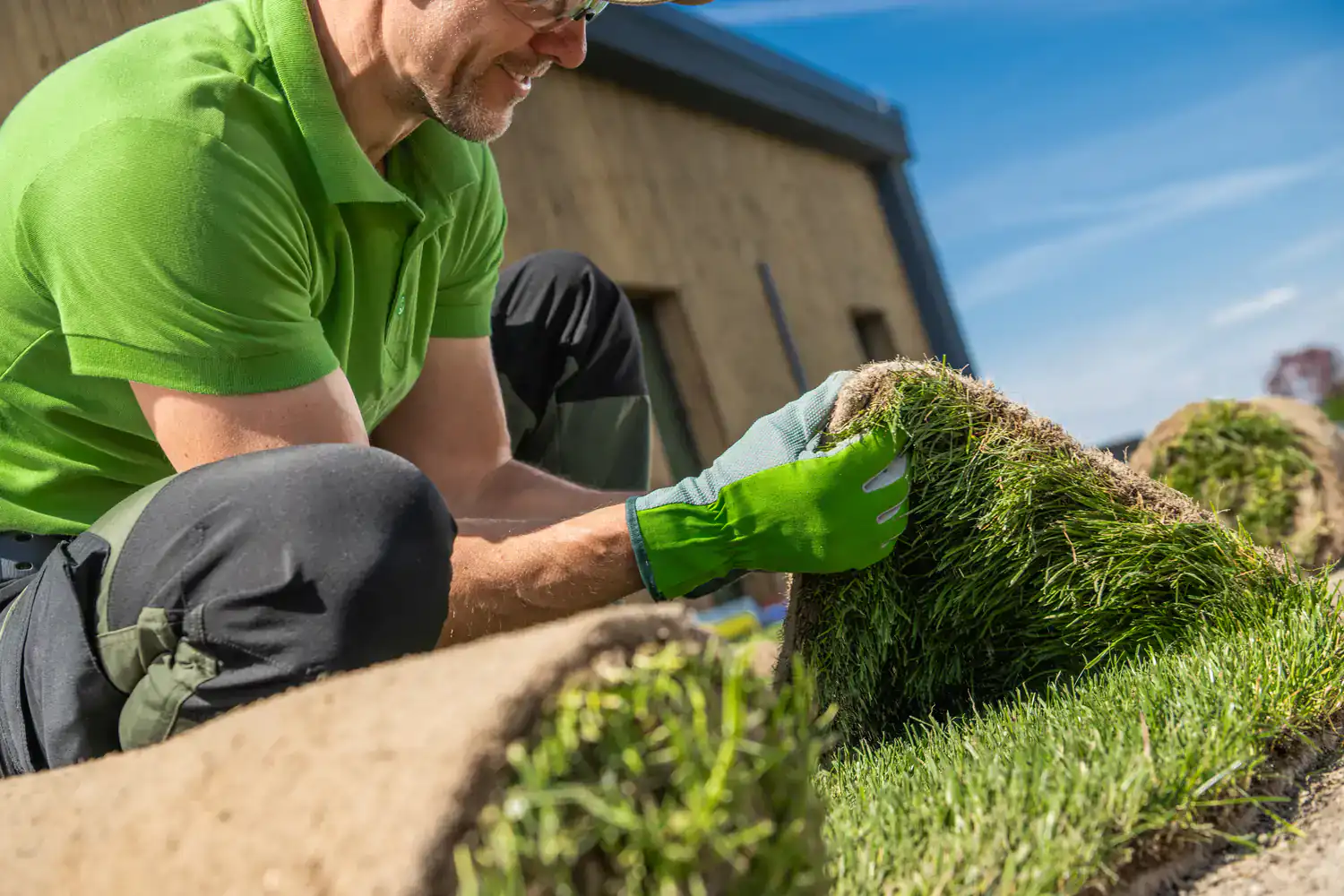
A thin lawn on a $700,000 Port Jefferson home stands out and not in a good way. Whether you’re dealing with bare patches from a renovation, turf that’s been thinning for years under a mature tree canopy, or a hillside that loses seed every time it rains, the fix isn’t more seed. It’s the right process.
Port Jefferson’s sandy, loamy North Shore soils drain fast. Nutrients leach through before roots can use them, and moisture disappears before new seed has a chance to germinate. That’s why a bag of hardware store seed spread over dry ground rarely produces what you’re hoping for. Professional lawn seeding accounts for this from seedbed preparation that improves moisture retention to deep-rooting grass varieties that anchor into sandy soil and hold through heat stress.
Properties in Upper Port Jefferson and along the bluff roads face an added challenge: slope runoff. Seed applied without proper preparation washes downhill with the first real rain. The result is uneven germination, bare streaks, and a lawn that never fully fills in. When the process is right proper soil contact, the right blend, the right timing what you end up with is a lawn that’s dense, uniform, and built to last more than one season.
We’ve been serving Port Jefferson homeowners and the surrounding North Shore communities for years, and Port Jefferson is one of the most distinct markets we work in. The combination of harbor-adjacent microclimates, hillside lots, older housing stock, and sandy loam soils creates conditions that require real local knowledge not a one-size-fits-all treatment plan copied from a national franchise playbook.
We work throughout Port Jefferson Village and the surrounding communities Belle Terre, Mount Sinai, Setauket, and Port Jefferson Station and we know how conditions shift from one street to the next. A shaded yard on East Broadway needs a different seed blend than an open, wind-exposed property near the bluff. A newly renovated home in Upper Port Jefferson needs a different approach than an established lawn that just needs to be thickened up.
Every job starts with a real assessment. We look at your soil, your grade, your shade, your drainage and then we build a plan around what we actually find. That’s how you get results that hold.
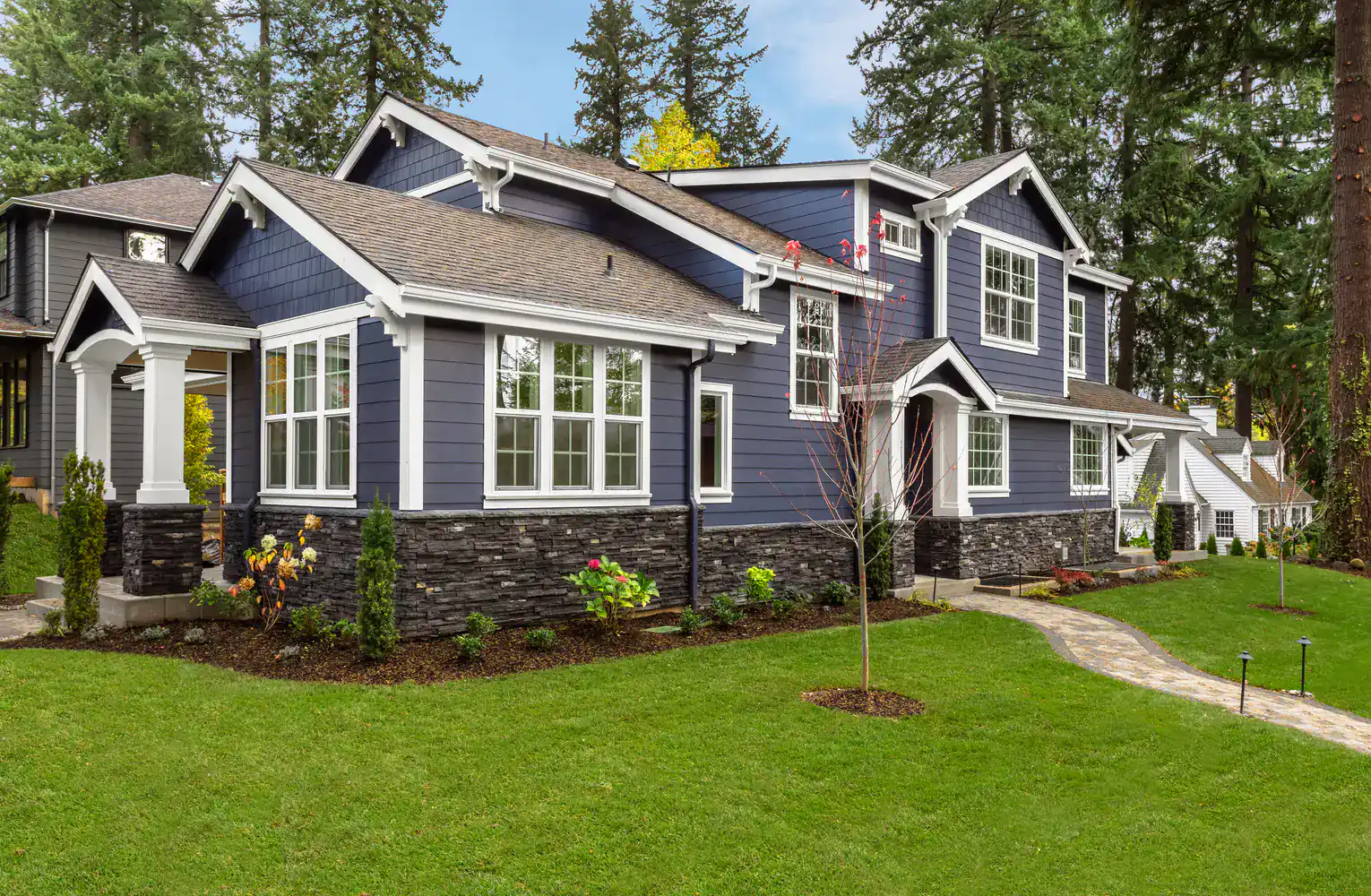
Before a single seed goes down, we assess the property. Soil conditions, pH, drainage, shade coverage, existing turf density, weed pressure all of it gets evaluated. This isn’t a formality. It’s what determines which seed blend you need, how the seedbed gets prepared, and what your fertilization timing should look like. Skip this step and you’re guessing.
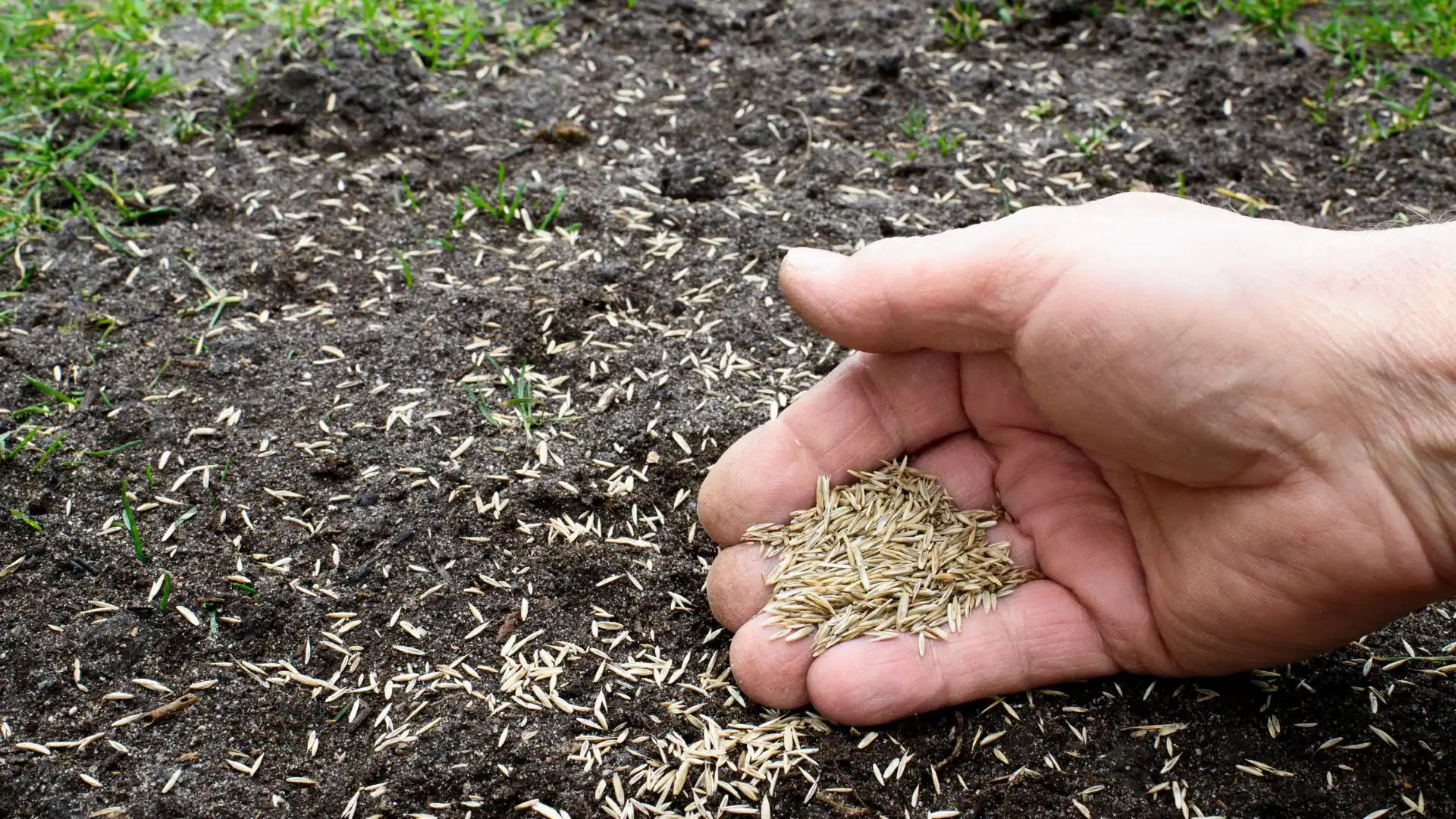
Once we have a clear picture, we prepare the seedbed. For most Port Jefferson lawns, that means core aeration before overseeding pulling plugs from the soil so seed drops directly into the ground rather than sitting on top of thatch where it dries out and dies. For hillside properties or larger bare areas, seeding is often the better method, embedding seed into a mulch matrix that holds moisture and resists washout on graded terrain. We match the method to the property, not the other way around.
Timing matters here too. The fall window late August through mid-October is the best time to seed cool-season grasses on Long Island. Soil temperatures are still warm enough for germination, air temperatures are cooling, and weed competition drops significantly. We plan our fall seeding schedule in advance because this window fills up, and the homeowners who wait too long end up pushing their results back a full year. After seeding, we walk you through the establishment protocol watering schedule, first mow timing, and what to expect week by week.
Ready to get started?
We use professional-grade cool-season seed blends tall fescue, Kentucky bluegrass, and perennial ryegrass selected specifically for Long Island’s climate and the North Shore’s unique conditions. Tall fescue is a go-to for Port Jefferson properties because of its deep root system, drought tolerance in sandy soils, and performance on sloped terrain. Kentucky bluegrass fills in beautifully over time in open, sunny areas. Perennial ryegrass establishes quickly and adds density where you need it fast. We’ll tell you exactly what blend we’re recommending for your property and why not just that “grass seed” is going down.
Every seeding program includes starter fertilization timed to support new seedling establishment. This is where Suffolk County’s fertilizer regulations come into play. The county has strict rules around phosphorus applications and a winter blackout period running December through March and new seeding programs require phosphorus-containing starter fertilizer to work correctly. We are fully licensed in New York State and operate in compliance with all Suffolk County fertilizer ordinances. For homeowners near Port Jefferson Harbor, that compliance isn’t just a legal requirement it’s the right way to work in a community that depends on clean groundwater and protected coastal waterways.
Whether you’re starting a new lawn from bare ground after a renovation, overseeding a thinning existing lawn, or dealing with a slope that’s never held turf properly, the program is built around your specific property not a generic package designed for a flat suburban lot three towns away.
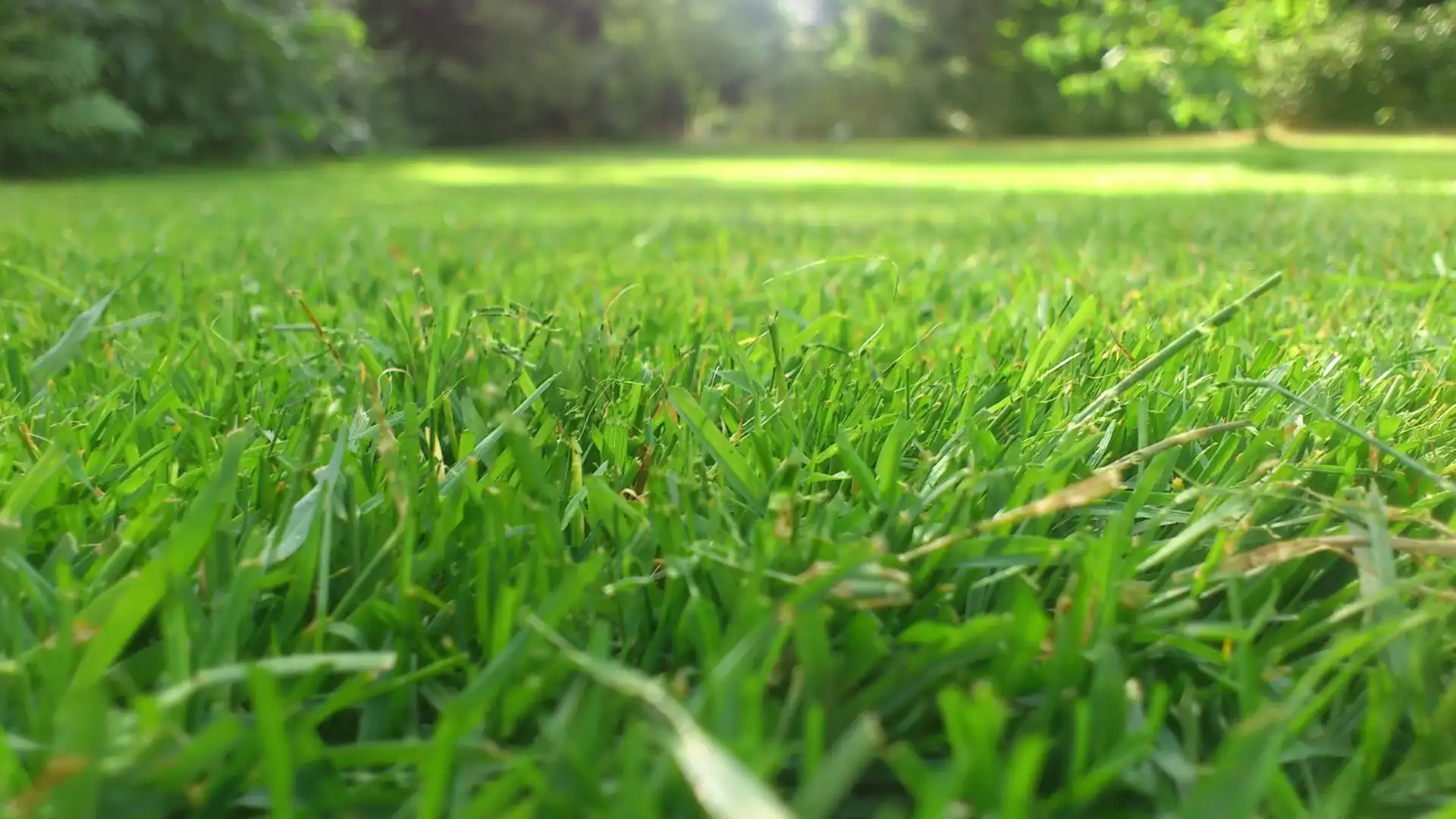
The best window for lawn seeding in Port Jefferson is late August through mid-October. This is when soil temperatures are still warm enough to support germination typically above 50°F while air temperatures are cooling down and reducing heat stress on new seedlings. Weed pressure also drops significantly in fall compared to spring, which means new grass has less competition during the critical establishment phase.
Spring seeding is possible, but it comes with real trade-offs on Long Island. The window between “warm enough to germinate” and “too hot and dry for new seedlings” is narrow, and crabgrass pressure in Suffolk County is significant. A spring seeding program typically requires skipping a pre-emergent crabgrass application, which means accepting some weed risk in exchange for getting seed down. For most Port Jefferson homeowners, fall seeding produces better, more consistent results and we plan our schedule around that window specifically.
For most properties in Port Jefferson and across the North Shore, a blend of tall fescue, Kentucky bluegrass, and perennial ryegrass performs best. Tall fescue is particularly well-suited to Port Jefferson because of its deep root system it anchors into sandy, loamy soil far better than shallow-rooting varieties and holds up through the heat and drought stress that Long Island summers bring. It also performs well on the sloped and hillside properties that are common in Upper Port Jefferson, where erosion resistance matters as much as appearance.
Kentucky bluegrass fills in slowly but produces a dense, fine-textured turf that holds up beautifully in open, sunny areas over time. Perennial ryegrass establishes quickly and is often blended in to give you visible coverage while the slower varieties catch up. The right ratio depends on your specific property sun exposure, shade from mature trees, slope, and soil drainage all factor in. That’s why we assess before we recommend, rather than applying the same blend to every lawn we seed.
Overseeding means spreading seed over an existing lawn to improve density filling in thin areas, thickening turf that’s been worn down by foot traffic, shade, or drought stress, and improving the overall coverage of your lawn without tearing it up and starting over. It’s the right approach when your lawn has a reasonable base but has lost density over the years. For Port Jefferson homeowners with older properties and established lawns that have gradually thinned, overseeding after core aeration is often the most efficient path to a noticeably better result.
A full lawn seeding program sometimes called new lawn from seed is what you need when the existing turf is too far gone to renovate, or when you’re starting from bare ground after construction, grading, or a major landscaping project. This involves more extensive soil preparation, potentially grade correction, pH adjustment, and a complete seeding and establishment protocol from scratch. Many homeowners who’ve recently purchased or renovated older Port Jefferson homes some of which were built before 1940 find themselves in this situation. We’ll tell you honestly which approach your lawn actually needs after we assess it.
It does, yes. Properties close to Port Jefferson Harbor experience a coastal microclimate that differs from inland Suffolk County in meaningful ways. Salt spray even at low levels can stress turf and affect how certain grass varieties perform over time. Harbor-adjacent properties also tend to experience higher summer humidity, which increases the risk of fungal disease in dense turf. Selecting disease-resistant seed blends and avoiding over-watering during humid stretches are both important considerations for lawns in Lower Port Jefferson and along the waterfront.
The harbor’s moderating effect on temperature can actually extend the fall seeding window slightly compared to inland communities soil temperatures near the water tend to stay warm a bit longer into October, which gives new seed more time to establish before the first frost. We factor in your property’s specific location when we plan the seeding program, and for harbor-adjacent lawns in Port Jefferson, we’re deliberate about seed variety selection to make sure what goes down is suited to the conditions it’s going to live in.
Slope seeding requires a different approach than flat ground. Standard broadcast seeding on a hillside often ends in failure seed rolls or washes downhill before it can germinate, leaving you with bare streaks and uneven coverage after the first rain. For sloped properties, which are common in Upper Port Jefferson and along the bluff roads overlooking the harbor, seeding is typically the better method.
Seeding sometimes called seeding sprays a slurry of seed, mulch, water, and fertilizer directly onto the slope. The mulch matrix holds the seed in place, retains moisture during germination, and biodegrades naturally as the turf establishes. It produces significantly more uniform coverage on grades than a spreader can achieve, and the deep-rooting tall fescue blends we use on slopes add erosion resistance that helps the turf hold the soil over time. If your Port Jefferson property has a hillside that’s never held grass properly, this is usually why and seeding is how we fix it.
Cost varies based on the size of the area being seeded, the method used, and the condition of the existing lawn. For a standard overseeding program combined with core aeration on a typical Port Jefferson residential property, you’re generally looking at a range of $400 to $900 depending on square footage. A full new lawn seeding program which includes soil preparation, grade work if needed, and a complete establishment protocol typically runs $800 to $2,500 or more for larger properties. Seeding for sloped or larger areas is priced by the square foot and generally falls in the range of $0.10 to $0.25 per square foot, with minimums that vary by job.
What’s worth understanding is that the cost difference between a professional program and a DIY attempt isn’t just about the service it’s about what happens after. Sandy North Shore soils are unforgiving. Seed that doesn’t make proper soil contact, goes down at the wrong time, or gets the wrong starter fertilization simply won’t establish the way it should. The homeowners who call us after a failed DIY attempt have usually spent money on seed and supplies already. Getting it done right the first time, with the right process for Port Jefferson’s specific conditions, is almost always the more cost-effective path.
Useful Links
Other Services we provide in Port Jefferson