
Hear from Our Customers
Here’s what most East Patchogue homeowners don’t know: when your soil pH is too low, the nutrients in your fertilizer become chemically unavailable to your grass roots. The fertilizer is there. The grass just can’t use it. On Long Island’s South Shore, where sandy, fast-draining soil is the norm, this isn’t a fringe problem it’s the default condition. Your lawn isn’t struggling because you’re doing something wrong. It’s struggling because the soil beneath it has been quietly working against you.
Once pH is corrected to the 6.3–6.5 range that Cornell Cooperative Extension recommends for Suffolk County turf, everything changes. Fertilizer actually absorbs. Bare patches fill in. Grass thickens and holds its color through summer heat. The weeds and moss that thrive in acidic conditions lose their competitive edge. You’re not adding more treatments you’re finally getting results from the ones you’re already paying for.
There’s also something worth considering if you live near Patchogue Bay. When soil pH is too low and grass can’t absorb fertilizer, that fertilizer doesn’t just disappear it leaches through East Patchogue’s sandy soil and heads toward the groundwater and the bay. Correcting your lawn’s pH so nutrients stay in the root zone isn’t just good lawn science. For a community that depends on Great South Bay for fishing, boating, and recreation, it’s the responsible call.
We’re based in Port Jefferson Station and serve homeowners throughout Suffolk County including East Patchogue and the surrounding South Shore communities. We’re not a national chain routing your call to a regional office. When you reach out, you’re talking to a local team that knows the difference between South Shore sandy soil and the clay-mixed soils on the North Shore, and why that difference matters for how your lawn is treated.
We work with a soil-test-first approach because guessing doesn’t work especially in a community like East Patchogue where the soil conditions, the salt air off Patchogue Bay, and the fast-draining ground all interact in ways that a generic program won’t account for. Every lime application we make is based on actual data from your property, not a one-size-fits-all schedule.
Our program-based model means we’re not here for a single visit and gone. East Patchogue homeowners who’ve been in their houses for years and plan to stay deserve a lawn care provider who thinks the same way. We build long-term soil health because that’s what actually produces lasting results.
It starts with a professional soil test. Before anything gets applied to your East Patchogue lawn, we need to know exactly where your pH stands. A basic home kit can give you a rough number, but it can’t calculate the precise lime dose your specific soil requires and that precision matters. Over-applying lime pushes your soil alkaline, which creates a whole new set of nutrient problems. Under-applying means you’re spending money without moving the needle. The test removes the guesswork entirely.
Once we have your results, we determine the correct lime type and application rate for your property. East Patchogue’s sandy, fast-draining South Shore soil absorbs and processes amendments differently than heavier inland soils so the application is calibrated to what your ground will actually hold and integrate, not just a standard dose. Timing matters here too. Fall is the optimal window for lime application on Long Island. The combination of fall rain, winter freeze-thaw cycles, and spring snowmelt works the lime into the soil profile so your lawn enters the growing season with the right pH foundation already in place.
After treatment, we build in a retest cycle typically every two to three years because soil pH drifts over time, especially in a coastal environment with high rainfall and sandy drainage. You’ll receive seasonal reminders so nothing slips through the cracks, and you’ll always have a direct line to our office if you have questions between visits.
Ready to get started?
Our professional lawn pH treatment isn’t just spreading lime and leaving. It starts with a soil test that tells us your current pH level, how far it needs to move, and how much lime in what form will get it there. Pelletized lime, granular lime, and calcitic versus dolomitic lime all behave differently in sandy South Shore soil, and the right choice depends on your test results and your lawn’s specific needs.
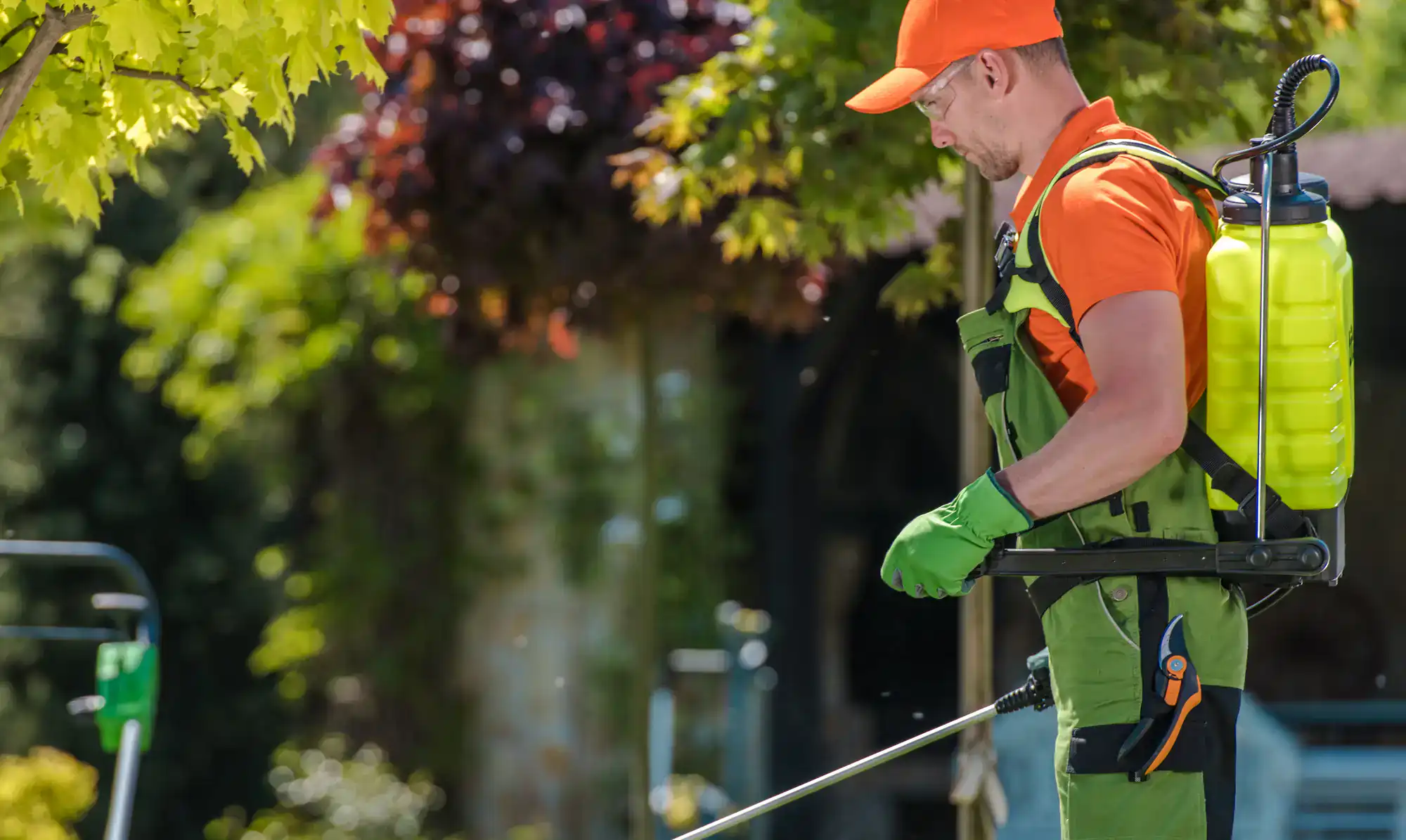
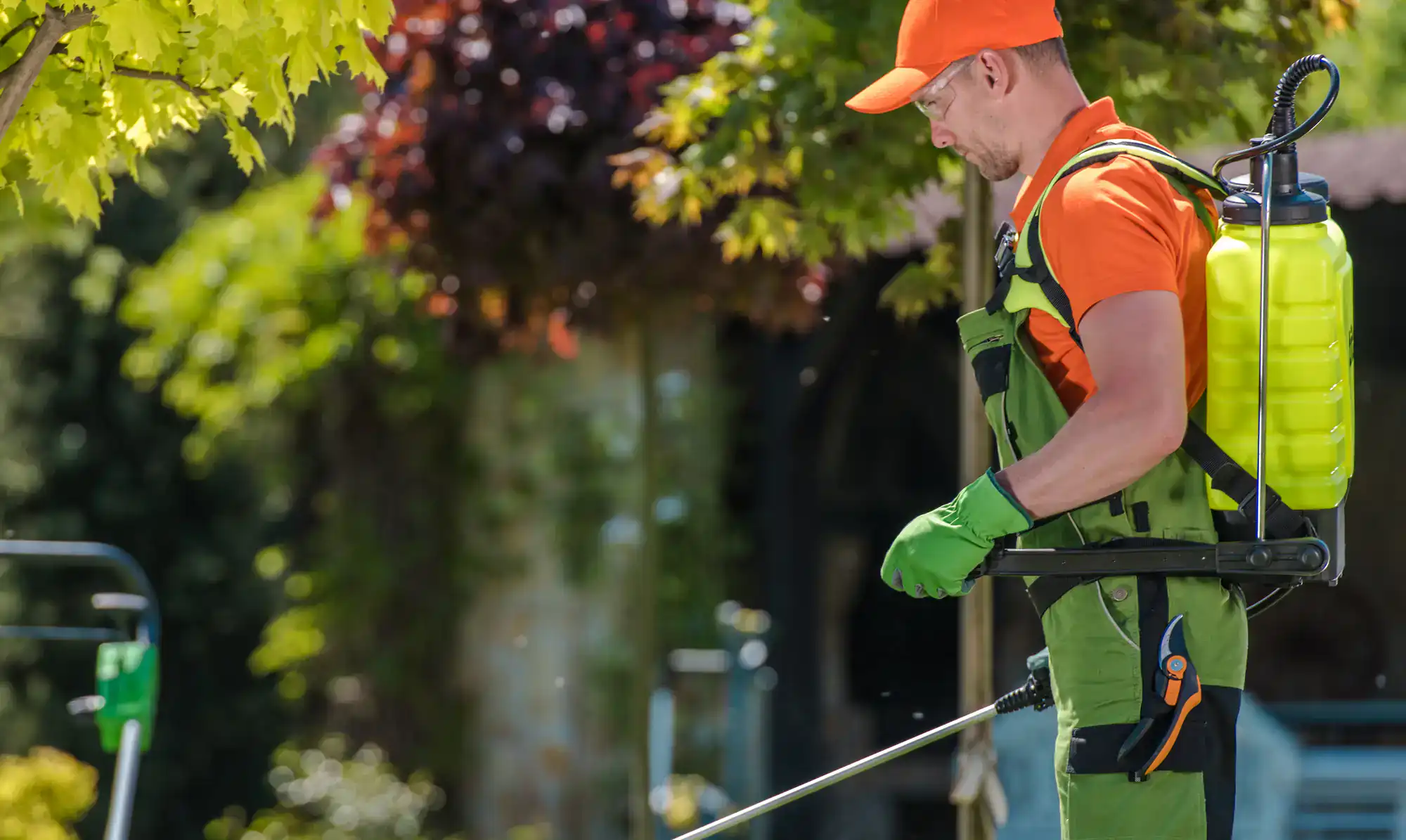
From there, we handle the full lime application using professional-grade equipment that distributes the amendment evenly across your lawn. Uneven application creates hot spots areas where pH swings too high which is one of the most common problems with DIY lime spreading. We apply at the rate your soil test indicates, not a standard broadcast amount, and we document what was applied so your account history reflects the actual treatment your property has received.
All of our applicators are NYSDEC-certified and our business is registered with New York State, as required by law for any commercial lawn care operation applying amendments in Suffolk County. We also comply with New York’s Neighbor Notification requirements before any treatment. Lime is a natural ground limestone mineral not a synthetic chemical but we treat every application with the care and documentation that a professional service requires. Because East Patchogue homeowners with kids, pets, and a bay in their backyard deserve to know exactly what’s going into their soil.
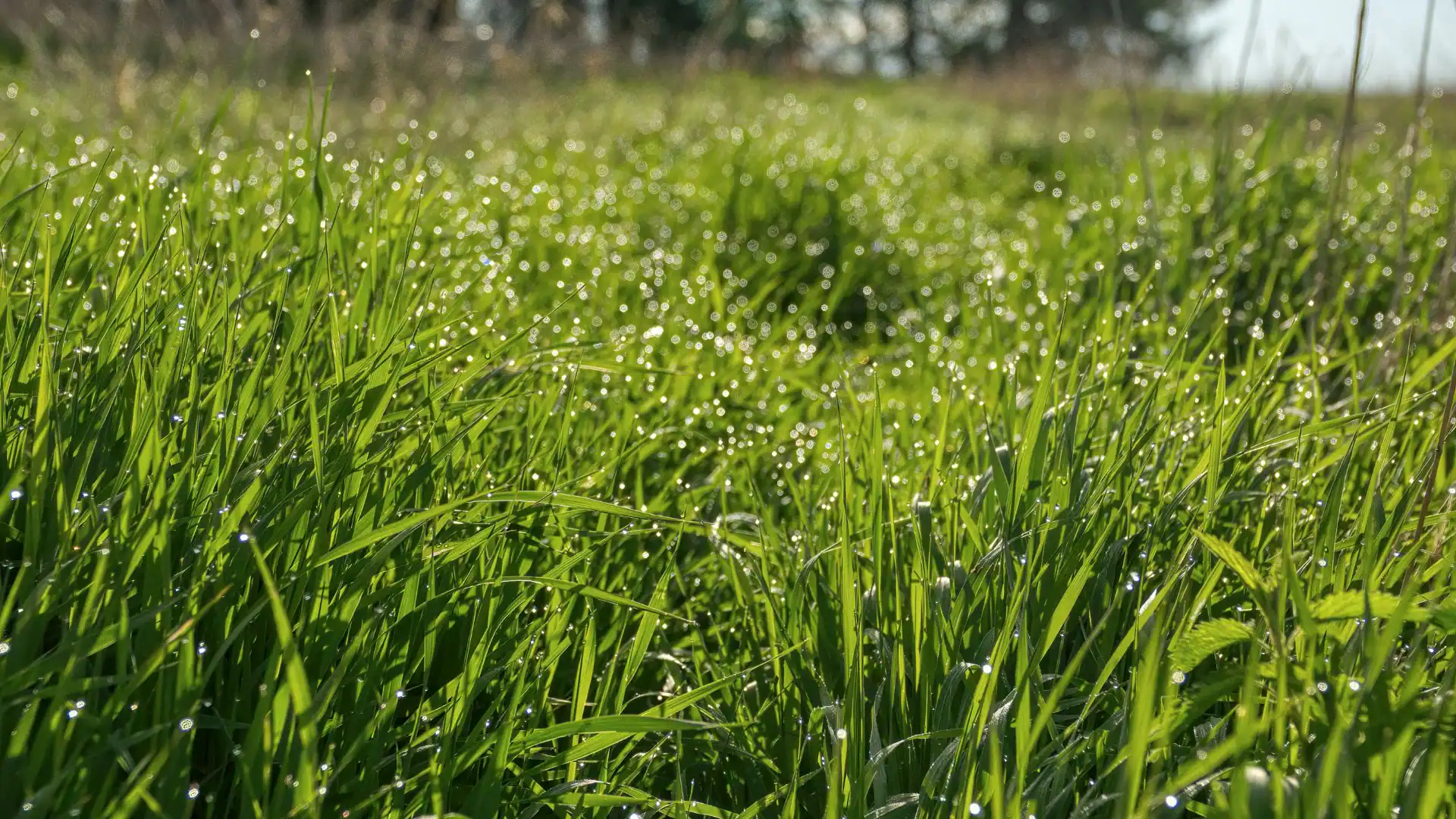
The most likely answer is that your soil pH is too low for the fertilizer to work. East Patchogue sits on sandy, porous South Shore soil that naturally trends acidic often falling in the 4.8 to 5.5 range without treatment. When pH drops below 6.0, the nutrients in your fertilizer become chemically locked in the soil. Nitrogen, phosphorus, and potassium are all present, but your grass roots can’t access them. So the lawn stays thin, pale, or patchy no matter how consistently you fertilize.
The fix isn’t more fertilizer. It’s correcting the soil pH first so the fertilizer you’re already applying can actually do its job. A professional soil test will confirm whether pH is the issue, and a properly timed lime application ideally in the fall will start shifting the soil into the 6.3 to 6.5 range that Suffolk County turf needs to thrive. Most homeowners see a meaningful improvement within one full growing season after treatment.
The only reliable way to know is a soil test. Visual symptoms thin grass, yellowing, persistent weeds, moss in shaded areas can all point toward acidic soil, but they can also have other causes. A soil test measures your actual pH level and gives you the data to make a real decision. Guessing and applying lime without testing is risky because over-liming is just as harmful as under-liming. Push the pH too high and you create alkaline conditions that lock out a different set of nutrients.
In East Patchogue specifically, the combination of sandy soil, coastal humidity, and proximity to Great South Bay creates conditions where pH imbalance is extremely common but the degree varies from property to property. A lawn on the south side of the hamlet near the water may have different drainage and soil characteristics than one near the Patchogue-Medford school district boundary to the north. A soil test accounts for those differences and ensures the treatment is right for your specific property, not just the neighborhood average.
Fall is the best time, and it’s not a close call. Applying lime in the fall gives it the entire winter to work into the soil. East Patchogue’s sandy, fast-draining ground doesn’t hold amendments the way heavier soils do, so you need the freeze-thaw cycles and spring snowmelt to help integrate the lime into the root zone before the growing season begins. If you apply in spring, you’re already behind your grass is trying to grow in soil that still hasn’t been corrected.
The other reason fall timing matters here is that Long Island’s South Shore gets meaningful rainfall in the fall and winter months, which helps move the lime down through the soil profile at a natural pace. Spring application in sandy soil risks the lime leaching before it has a chance to neutralize the acidity at root depth. Scheduling a soil test and lime application with us before the end of fall means your East Patchogue lawn enters spring with the right pH foundation already in place and every fertilizer and overseeding treatment you do that season will actually have a chance to work.
Yes and it’s worth understanding why. Lime is ground limestone, a naturally occurring mineral. It’s not a synthetic chemical or a pesticide. When applied at the correct rate based on a soil test, lime raises soil pH gradually and is absorbed into the soil chemistry rather than running off into waterways. In fact, properly pH-balanced soil is better for the bay, not worse because grass in correctly pH-balanced soil absorbs fertilizer efficiently, which means less nitrogen and phosphorus leaching through East Patchogue’s sandy ground toward the groundwater and Patchogue Bay.
New York State does regulate commercial lawn care applications through NYSDEC, and we operate in full compliance with those requirements including proper application rates and documentation. For homeowners near the water who are mindful about what goes into their soil, lime applied professionally at the right dose is one of the more environmentally sound amendments you can make. It reduces the nutrient runoff problem rather than contributing to it.
Salt air doesn’t directly change your soil’s pH reading, but it adds a layer of stress that makes pH imbalance significantly more damaging. Salt draws moisture from grass blades, weakening the turf’s ability to fight off disease, drought stress, and nutrient deficiency. When your East Patchogue lawn is already dealing with salt stress from living near Great South Bay, adding the nutrient starvation caused by acidic soil creates a compounding problem that shows up as persistent thinning, discoloration, and slow recovery after summer heat.
The practical takeaway is that lawns in the southern sections of East Patchogue particularly near South Country Road, Miramar Beach, and the bay-adjacent neighborhoods are operating under more environmental pressure than inland Suffolk County lawns. That makes getting the soil pH right even more important, not less. A lawn that’s already fighting coastal salt stress needs every advantage it can get. Correcting the pH removes one major stressor from the equation and gives your turf a real chance to build the density and root depth it needs to handle everything else the South Shore throws at it.
For most East Patchogue properties, a soil pH retest every two to three years is the right interval. Soil pH naturally drifts over time rainfall, fertilizer applications, organic matter breakdown, and the natural leaching that happens in sandy South Shore soil all contribute to gradual acidification. A single lime application corrects the problem for a season or two, but it’s not a permanent fix. Without periodic retesting, you can find yourself back in the same acidic range within a few years without realizing it.
The retesting interval can vary based on your specific conditions. Properties in the southern parts of East Patchogue with faster-draining sandy soil near the bay may need attention on the shorter end of that range. Properties with heavier organic matter or more shade may hold pH more stably. Our program-based service model includes scheduled retesting so you’re not relying on memory or guesswork to know when your soil needs attention again. You’ll get a seasonal reminder, we’ll pull the data, and if treatment is needed, we’ll handle it at the right time fall, when it will do the most good before the next growing season.
Useful Links
Other Services we provide in East Patchogue