
Hear from Our Customers
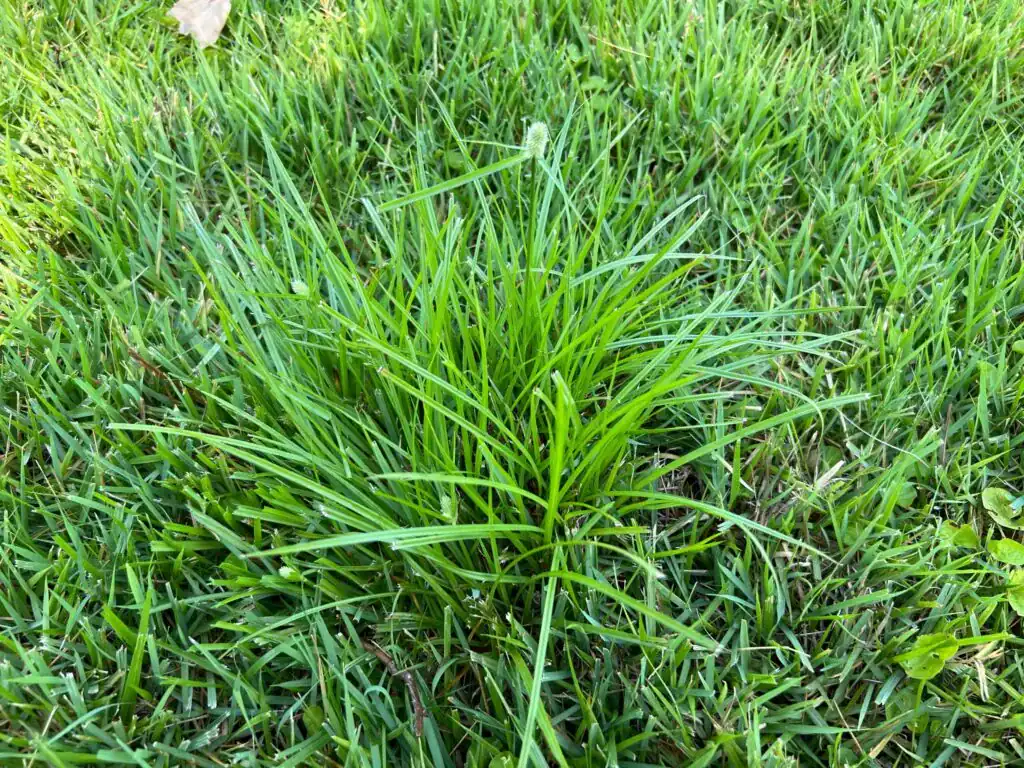
Kyllinga has a way of making a well-maintained lawn look neglected. It grows low, spreads fast, and stays dark green while the turf around it slows down in summer heat making it impossible to ignore. Once you know what it is, you can’t unsee it. And once it’s gone, the difference is immediate.
Miller Place sits on North Shore glacial terrain where clay deposits mix with sandy soil in ways that create drainage problems you might not even notice until a weed like kyllinga shows you exactly where the moisture is sitting. Low spots near irrigation zones, areas along the shaded side of the house, patches near the base of a slope kyllinga finds all of it. A successful treatment program doesn’t just eliminate the weed, it gives you back a lawn that looks uniform and healthy through the rest of the season.
For homeowners in Miller Place who’ve invested in their property and with median home values well above $600,000 in this school district, most have a spreading weed patch isn’t just an eyesore. It’s a curb appeal problem. Getting it handled correctly the first time means you’re not dealing with it again next July, and you’re not watching it double in size by the time you call someone.
We’re based in Port Jefferson Station right on Route 25A, the same road that runs through Miller Place. That’s not a coincidence. Miller Place is our service area, not a territory on a franchise map. The North Shore soil conditions, the drainage patterns near the Long Island Sound, the way clay pockets retain moisture differently than the sandier communities further south that’s all familiar ground to us.
Kyllinga control is a specialty, and we treat it that way. The herbicides that actually work on sedge require a New York State DEC Commercial Pesticide Applicator License Category 3a, Ornamental and Turf. That’s the credential that separates a provider who can apply the right chemistry from one who’s guessing with a retail product. Every application in Suffolk County is also made in compliance with the county’s pesticide buffer zone regulations under Local Law 41-2007, which matters for properties near the North Shore coast.
You’re not getting a call center. You’re getting a local operator who knows Miller Place and will be back for the follow-up treatments your program requires. When a lawn is too damaged to recover, our new lawn installation in Miller Place gives homeowners a fresh start.
It starts with proper identification. Kyllinga is a sedge, not a grassy weed, and it’s not the same plant as nutsedge even though the two are often confused. Before anything gets applied, we correctly identify the weed. That single step is where most failed treatments begin to go wrong.
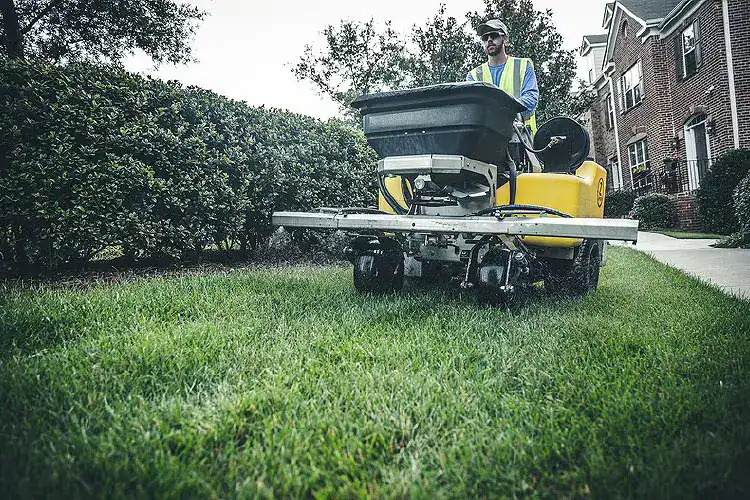
Once confirmed, we build the treatment program around the plant’s biology, not around scheduling convenience. Kyllinga spreads through underground rhizomes that survive a single herbicide application. That means one spray isn’t a program it’s a start. A properly structured kyllinga control plan in Miller Place requires a minimum of two to three targeted applications spaced four to six weeks apart, timed during the active growing season, which on the North Shore typically runs from late May through late August. The herbicides we use professional-grade formulations with active ingredients like halosulfuron-methyl or sulfentrazone are not available over the counter, and we apply them at the right rate and timing to maximize uptake while the plant is actively growing.
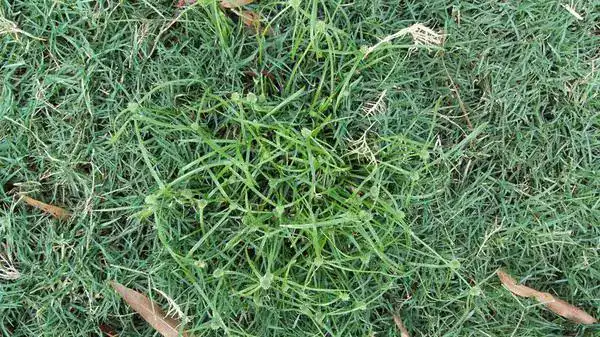
After the treatment cycle is complete, we assess the affected areas for overseeding and soil restoration. Kyllinga leaves behind thin or bare patches when it dies off, and those open areas will re-invite the weed if they aren’t filled back in with healthy turf. The job isn’t finished until the lawn is on its way back.
Ready to get started?
This isn’t a single-visit weed spray. Kyllinga is a perennial sedge, which means it goes dormant in winter and comes back from its rhizome network every spring often larger than the year before. We build programs for Miller Place lawns that account for that biology from the start.
Every program begins with a site assessment that looks at more than just where the weed is growing. The moisture conditions feeding it matter just as much as the weed itself. Miller Place properties near the Long Island Sound often deal with elevated water tables, and irrigation habits on higher-value properties here can unintentionally create the exact soil moisture kyllinga needs to outcompete surrounding turf. Sprinkler head placement, low-lying areas, and clay-heavy soil pockets all get factored into our assessment. If overwatering is contributing to the problem, you’ll hear about it because fixing the weed without adjusting the conditions is a short-term answer.
The herbicide applications follow a structured schedule typically two to three treatments through the summer using licensed, professional-grade chemistry that isn’t available to unlicensed applicators. Applications near the North Shore are made in full compliance with Suffolk County Local Law 41-2007 buffer zone requirements. And once the weed is cleared, we can overseed and restore the affected areas so the lawn comes back dense and competitive which is the best long-term defense against reinfestation.
Kyllinga is a perennial sedge, which means it doesn’t die at the end of the season it goes dormant. The rhizome network underground survives winter and pushes new growth back up every spring. If you’ve treated it before and watched it return, the treatment either didn’t reach the rhizomes effectively, wasn’t applied at the right time during active growth, or wasn’t followed up with a second application before the plant recovered.
In Miller Place specifically, the soil conditions along the North Shore contribute to the cycle. Areas with clay deposits or poor drainage retain moisture through the summer in ways that keep kyllinga well-fed even during dry stretches. If those underlying conditions aren’t addressed alongside the herbicide program, the weed has everything it needs to reestablish. A program that only targets what’s visible above ground is always going to produce the same result.
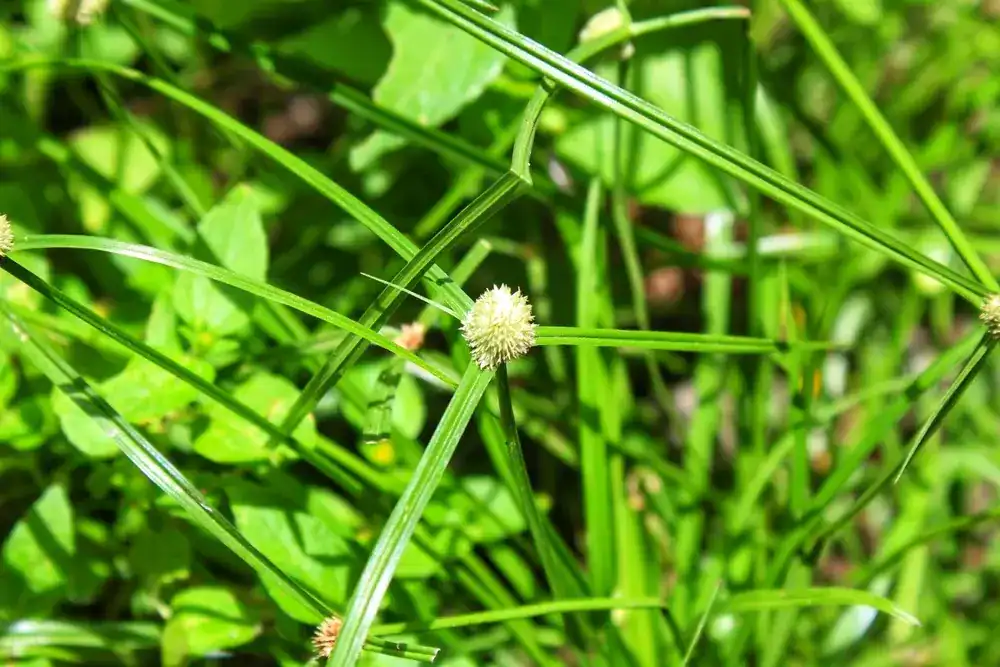
Both are sedges, both have triangular stems, and both thrive in moist, poorly drained soil so the confusion is understandable. The difference is in the growth habit and seed head. Kyllinga grows lower to the ground and forms a denser mat than nutsedge. Its seed head is round or oval, while nutsedge produces a longer, more elongated seed structure. Kyllinga also tends to spread more aggressively through rhizomes and can take over a lawn faster than most homeowners expect.
The reason the distinction matters is that while many herbicide programs overlap, the timing, rate, and follow-up protocol can differ between species. A treatment plan built around nutsedge identification may underperform on a kyllinga infestation. On Long Island, where both weeds are present and often misidentified, getting the correct ID before selecting a treatment approach is the step that separates a program that works from one that partially works and frustrates everyone.
The short answer is no not effectively. The herbicides that have meaningful activity on kyllinga, specifically formulations containing halosulfuron-methyl or sulfentrazone, require a New York State DEC Commercial Pesticide Applicator License to purchase and apply in professional-grade concentrations. What’s available on the shelf at retail stores in the area isn’t formulated for sedge control. Standard broadleaf weed killers and grassy weed controls don’t work on kyllinga because it belongs to a completely different plant family Cyperaceae, the sedge family.
Beyond product access, the application itself requires proper timing, rate calibration, and follow-up scheduling to be effective. A single application of even the right product won’t eliminate an established infestation. The rhizome network requires multiple treatments across the growing season to break down. DIY attempts with retail products don’t just fail they delay the start of a real program while the weed continues to spread.
For most established infestations in Miller Place, expect a minimum of two to three applications spaced four to six weeks apart during the active growing season. On the North Shore, that window runs roughly from late May through late August when kyllinga is metabolically active and taking up herbicide most effectively. Trying to treat outside that window, or making a single application and stopping, is the most common reason programs don’t deliver lasting results.
The size of the infestation, the soil conditions on your specific property, and how long the weed has been present all affect the timeline. A smaller patch caught early may respond well after two treatments. A lawn that’s been dealing with kyllinga for multiple seasons, particularly in areas with drainage issues common to Miller Place’s mixed glacial soils, may require the full three-application cycle plus post-treatment overseeding to fully recover. You’ll have a clearer picture after the initial site assessment.
Yes and this is one of the most common patterns we see in higher-value properties where irrigation systems run regularly through the summer. Kyllinga is a moisture-loving sedge that thrives in consistently wet soil. Sprinkler heads, low-lying areas where water pools, and spots near downspouts or drainage features are often where infestations start and spread most aggressively.
In Miller Place, where many homeowners run irrigation to protect landscaping investments through the summer heat, overwatering is a genuine contributing factor. It doesn’t mean you stop watering your lawn it means the irrigation schedule and zone coverage get evaluated as part of the overall program. Adjusting watering frequency in affected areas, improving drainage in low spots, and ensuring the soil isn’t staying saturated longer than necessary all support the herbicide treatment and reduce the likelihood of reinfestation once the weed is cleared.
It’s more common here than in many inland communities, and the reasons are specific to the geography. Miller Place sits on North Shore glacial terrain where the soil composition shifts between sandy and clay-heavy zones clay areas retain moisture in ways that sandy soil doesn’t, and that moisture retention creates the conditions kyllinga exploits. Add in the elevated water table that comes with proximity to the Long Island Sound, and you have a combination that gives kyllinga a real foothold in lawns that otherwise look well-maintained.
The coastal moderation of the North Shore climate also extends kyllinga’s active growing season slightly compared to more inland communities, giving the weed a longer window to spread before temperatures drop. Homeowners along North Country Road and throughout the residential areas of Miller Place who notice a low-growing, dark green mat spreading through their lawn in July and August are almost always looking at kyllinga and the longer it goes without a proper treatment program, the more ground it claims before the following season.
Useful Links
Other Services we provide in Miller Place