
Hear from Our Customers
When your soil is compacted, nothing else you do to your lawn really works. Fertilizer sits on the surface. Water runs off instead of soaking in. Grass roots stay shallow and struggle through every dry stretch Long Island throws at them in July and August. Aeration breaks that cycle and on a Stony Brook property, that matters more than most people realize.
The North Shore sits on glacial moraine deposits unsorted clay, silt, and rock left behind by a retreating glacier. That geology creates heavier, denser soil than you’ll find on the South Shore’s sandy outwash plains. Add 50-plus years of mowing equipment, foot traffic, and annual freeze-thaw cycles, and you’ve got soil that’s been compacting season after season. Most homes in Stony Brook were built in the 1960s and 70s. That’s decades of accumulated pressure on the same ground.
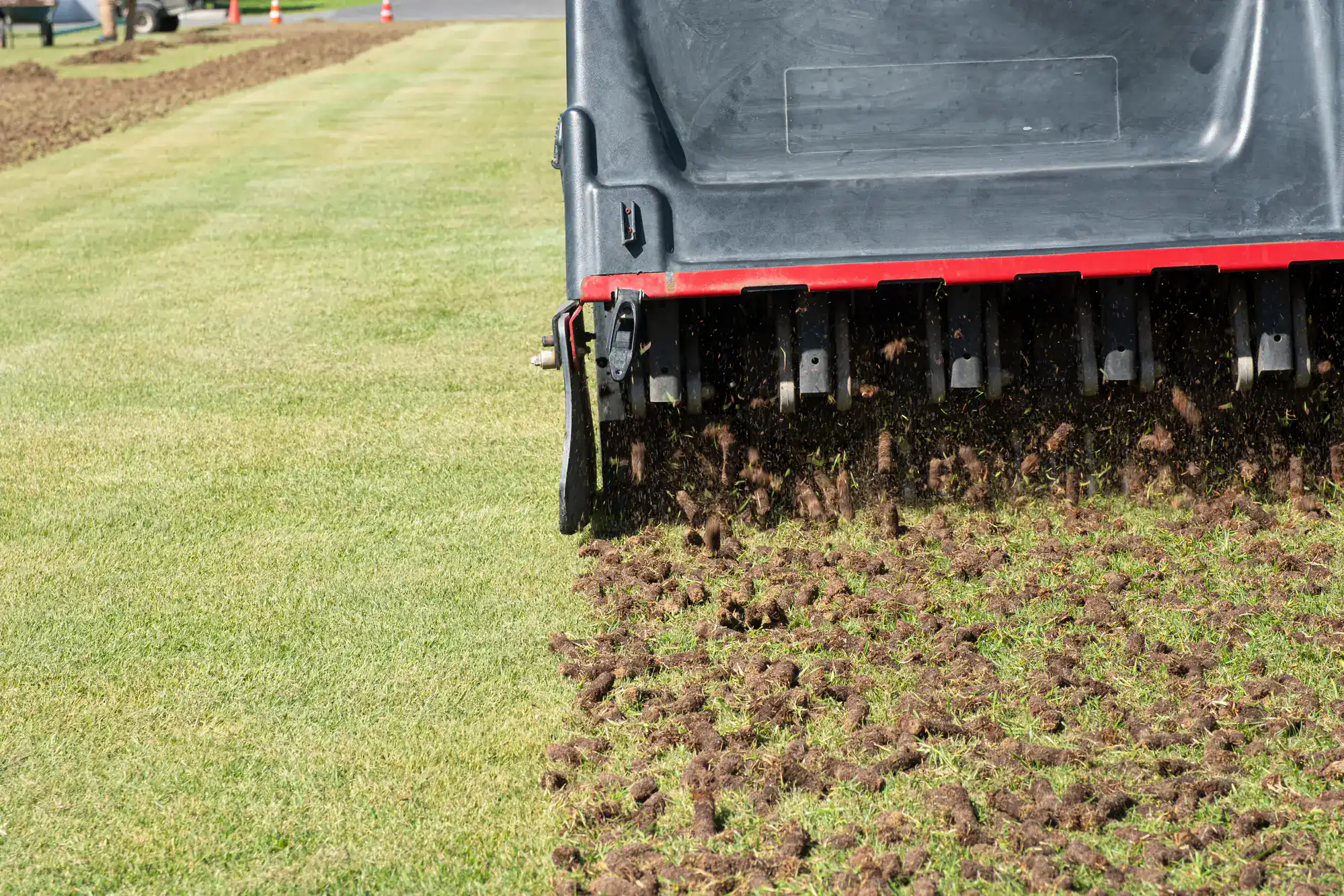
Once we pull the cores and those channels open up, everything downstream improves. Your fertilizer reaches the root zone instead of washing toward Stony Brook Harbor. Your overseeding actually takes. Your lawn thickens up through fall instead of going into winter thin and stressed. It’s not a dramatic transformation overnight but by spring, you’ll see the difference clearly.
We’ve been working in Suffolk County since 1987. That’s not a tagline it’s just the truth. Most of the companies you’ll find listed online for this area didn’t exist when we were already building a reputation on Long Island’s North Shore. When you’ve been treating lawns in the Three Villages area for nearly four decades, you stop guessing at what the soil needs and start knowing.
Every job we handle is completed by a licensed pesticide professional not a seasonal crew member following a checklist. In a community that sits next to Stony Brook Harbor and the West Meadow Beach wetlands, that distinction matters. Suffolk County’s environmental regulations around fertilizer and pesticide applications near water exist for a reason, and the people treating your property should understand them.
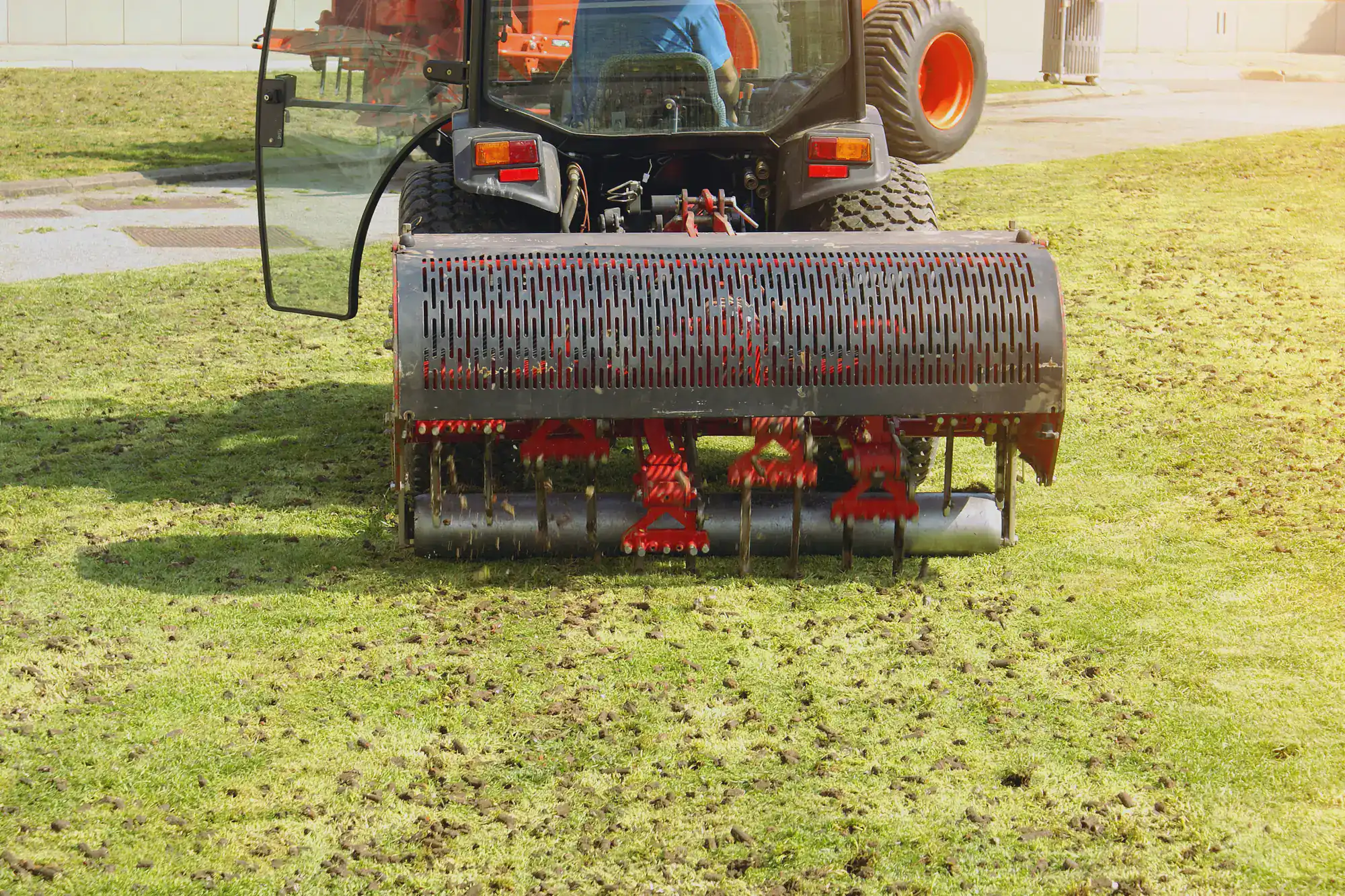
We run a fleet of five fully wrapped professional trucks, use hydraulic aerators built for North Shore soil conditions, and apply a custom-blended fertilizer formulated specifically for Long Island lawns. This is a company that has invested in doing the job right not in being the cheapest option on the list.
It starts with an assessment of your property not a generic quote based on square footage alone. Stony Brook lawns vary more than people expect. A property near the harbor with mature oaks and heavy clay behaves completely differently than one closer to Nicolls Road with more sun and mixed moraine deposits. Knowing what we’re working with before pulling a single core is what separates a real lawn program from a one-size-fits-all visit.
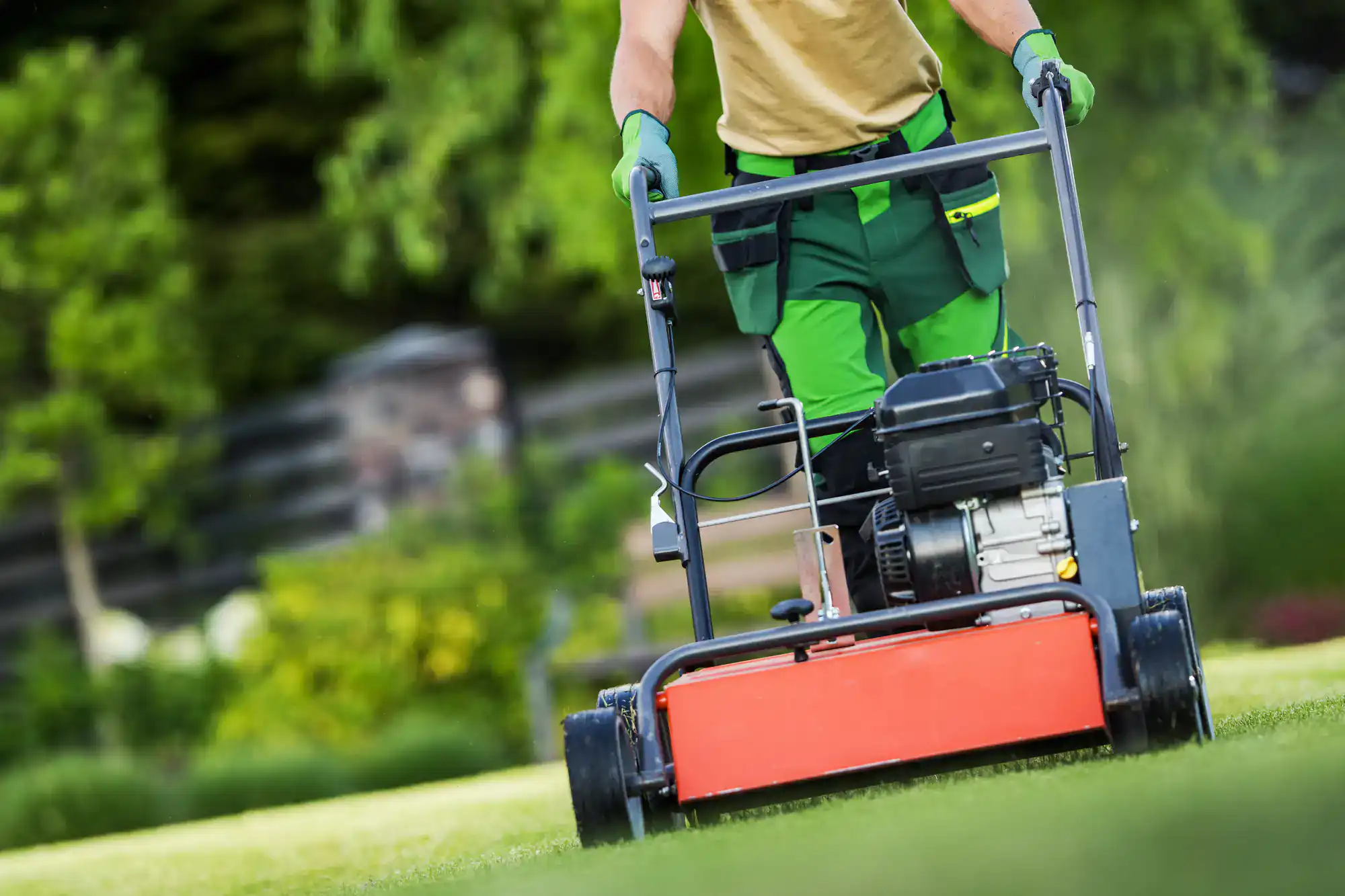
Once the program is set, our hydraulic aerator goes to work pulling cores across your lawn at consistent depth. These aren’t surface-level plugs they’re clean channels that reach the root zone, which is exactly what compacted moraine clay requires. The cores get left on the surface to break down naturally, returning organic matter to the soil over the following weeks. If overseeding is part of the program, it goes down immediately after aeration while the channels are open and seed-to-soil contact is at its best.
Timing matters here, especially in Stony Brook. For the cool-season grasses that cover most North Shore lawns tall fescue, Kentucky bluegrass, perennial ryegrass the optimal window runs from late August through mid-October. After that, Suffolk County’s November 1 fertilizer ban closes the treatment window, and you’re waiting another year. Scheduling early in the fall season gives you the full sequence: aeration, overseeding, and fertilization, all while conditions are right for the grass to respond.
Ready to get started?
We don’t sell off-the-shelf packages. Every program we build is around what your specific property actually needs because a lawn near the West Meadow wetlands with mature tree canopy and acidic moraine soil has different requirements than one three blocks away with more sun and better drainage. That kind of individual assessment is the starting point, not an upsell.
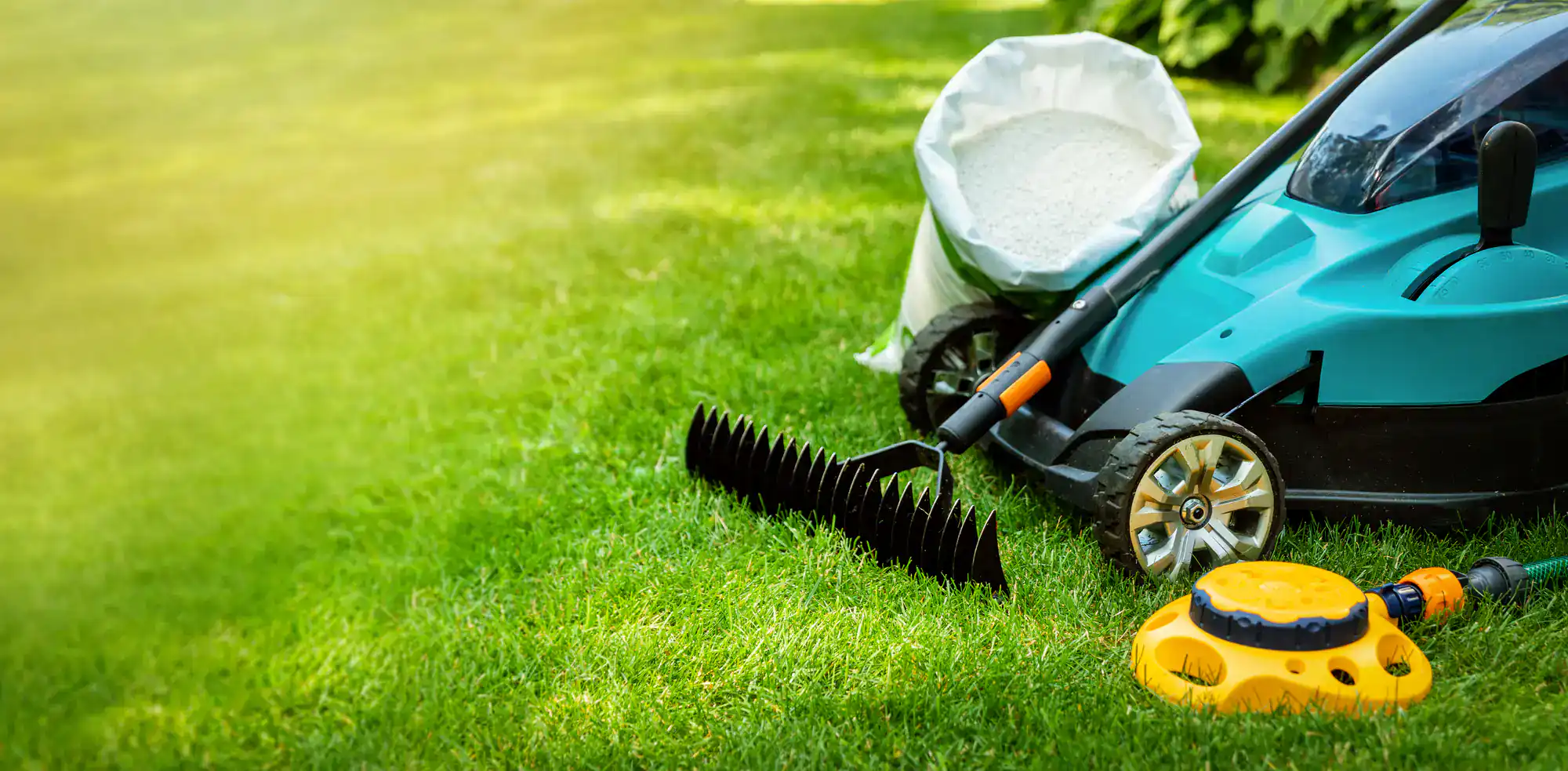
Core aeration is often combined with overseeding and fertilization as part of a fall renovation program and for most Stony Brook lawns that haven’t been aerated in several years, that combination is what produces real, visible results. Our custom-blended fertilizer is formulated specifically for Long Island’s soil chemistry, including the acidified North Shore profiles that standard products don’t address well. When it’s applied through channels opened by professional aeration, it actually reaches the root zone instead of sitting on the surface.
For properties that are beyond routine maintenance significant compaction, thin or bare patches, years of deferred care we also handle full lawn restoration and new lawn installs from seed. Suffolk County’s fertilizer regulations (the November 1 cutoff, phosphorus restrictions, and buffer requirements near water bodies) are built into how every program is planned and executed. You’re not navigating that on your own. The licensed professionals handling your lawn already know it.
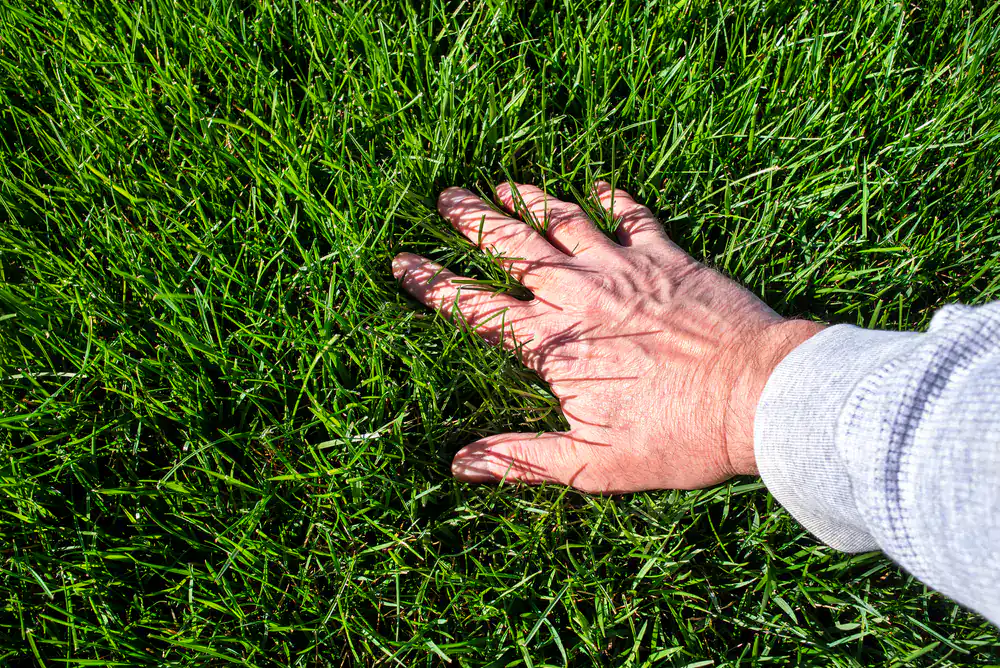
For the cool-season grasses that cover most lawns in Stony Brook tall fescue, Kentucky bluegrass, and perennial ryegrass fall is the right window. Specifically, late August through mid-October gives you warm enough soil temperatures for seed germination after overseeding, reduced weed competition as the season cools, and a grass that’s entering its strongest natural growth phase before winter dormancy sets in.
The reason this window matters more in Stony Brook than in some other areas is Suffolk County’s November 1 fertilizer ban. Once November hits, you legally cannot apply fertilizer which means the full fall sequence of aeration, overseeding, and fertilization has to be completed before that cutoff. If you wait until late October to schedule, you’re likely to miss the window entirely and carry compacted, thin soil through another winter. Spring aeration is possible, but it conflicts with pre-emergent weed control timing, which makes fall the cleaner, more effective choice for most properties here.
The simplest field test is the screwdriver test push a standard screwdriver into your lawn with hand pressure. If it goes in easily to a depth of about six inches, your soil is in reasonable shape. If you’re struggling to get it in two or three inches, your soil is compacted and your grass roots are dealing with that same resistance every day.
In Stony Brook, compaction is almost a given for any lawn with some age on it. The North Shore’s moraine-derived soil is heavier and more clay-rich than the sandy soils further south on Long Island, which means it compacts more readily under foot traffic and mowing equipment. Add the freeze-thaw cycles that hit this area every winter repeated freezing and thawing physically compresses the soil over time and most lawns in established Stony Brook neighborhoods are dealing with meaningful compaction whether they show obvious symptoms or not. Thin grass, water pooling after rain, and a lawn that looks stressed despite regular care are all signs worth paying attention to.
Core aeration physically removes plugs of soil from the ground hollow tines punch into the turf and pull out small cylinders of soil, leaving channels that allow air, water, and nutrients to reach the root zone. Spike aeration, by contrast, just pushes solid tines into the ground without removing anything. It creates holes, but it also displaces and compresses the surrounding soil, which can actually increase compaction in the areas immediately around each spike.
For the clay-heavy moraine soils common throughout Stony Brook, core aeration is the only method worth doing. Spike aeration might work adequately on very light, sandy soils but on North Shore soil that already tends toward compaction, pushing more material around without removing any of it doesn’t solve the problem. Professional hydraulic core aerators also penetrate deeper and pull cleaner cores than the walk-behind rental machines available at local equipment shops, which are designed for lighter residential use and don’t have the power or tine depth needed to properly address compacted clay.
It helps, but it’s one part of a larger answer. The thin, struggling grass under mature trees is usually dealing with three things at once: compacted soil from the tree’s root system physically displacing and compressing the ground around it, heavy shade reducing the sunlight available for photosynthesis, and root competition pulling water and nutrients away from the grass. Aeration addresses the compaction piece directly opening channels that improve air and water movement in soil that’s been physically crowded by root growth.
In Stony Brook’s established neighborhoods, mature oak and maple canopy is extremely common, and this is one of the most frequent lawn complaints homeowners bring up. Pairing aeration with overseeding using shade-tolerant grass varieties gives you the best shot at improving coverage under tree canopy. It’s also worth knowing that North Shore soils have become significantly more acidic over the past several decades research from Stony Brook University’s own Geosciences department documented a dramatic pH drop in local topsoil over the 20th century. Lime application alongside aeration helps correct that acidity and improves how well nutrients are absorbed in exactly the kind of stressed, shaded areas where grass struggles most.
You can, but the results won’t be the same and in Stony Brook’s soil, the gap between a rental machine and professional hydraulic equipment is more significant than it would be in lighter, sandier soil. Consumer rental aerators are built for general residential use. They have limited tine depth and lower hydraulic pressure, which means they struggle to pull clean, consistent cores in heavy clay. You’ll get surface-level disruption, but not the deep channels that actually change how water and nutrients move through the soil profile.
There’s also the timing and combination factor. Aeration alone does less than aeration paired with overseeding and a properly formulated fertilizer applied immediately after. Coordinating all of that correctly with seed varieties matched to your specific lawn conditions and fertilizer calibrated for Long Island’s soil chemistry requires more than a rental machine and a bag from the hardware store. For a Stony Brook property where home values are in the $600,000 to $800,000 range, the cost difference between a rental attempt and a professional program is small relative to what you’re protecting. The results, though, are not small.
For a typical residential property in the Stony Brook area, professional core aeration generally runs between $100 and $300, depending on lawn size and condition. When aeration is combined with overseeding and fertilization as part of a fall renovation program which is the approach that produces the most meaningful results the total investment increases, but so does what you’re getting out of it.
What’s worth keeping in mind is that the cost of a single aeration visit is a fraction of what full lawn restoration runs if compaction and thinning are left unaddressed for several more seasons. Stony Brook properties at current values represent a significant investment, and the lawn is part of that. A program that keeps the soil healthy year over year costs less over time than reactive work after years of deferred care. We build every program around what your specific property actually needs, so the quote you get is based on a real assessment not a flat rate applied to every lawn on the street regardless of condition.
Useful Links
Other Services we provide in Stony Brook