
Hear from Our Customers
If your lawn looks thin near the water, struggles to hold color through July and August, or just never seems to respond the way it should compaction is usually the reason. The sandy loam soils common across Wading River drain fast, which sounds like a good thing until you realize nutrients leach right through before your grass roots can use them. Add a compaction layer just below the surface from seasons of mowing and foot traffic, and you’ve got roots that are essentially starving in soil that looks fine from the outside.
Core aeration punches through that layer. We pull out small plugs of soil and open up channels so water, air, and fertilizer can actually reach the root zone. For properties near Wading River Shores or anywhere within range of the Long Island Sound, that matters even more coastal wind and salt spray stress turf at the surface while compaction starves it from below. Aeration addresses both sides of that equation at once.
The difference you’ll notice isn’t just cosmetic. Grass that was thin and patchy starts to fill in. Color holds longer into summer. Your lawn stops shedding water after rain and starts absorbing it. Everything else you invest in fertilizer, overseeding, irrigation works harder because the ground is finally open enough to let it in.
We’ve been working lawns across Suffolk County since 1987, and that means we’ve been aerating, seeding, and restoring properties in Wading River and across the North Shore through drought years, wet springs, and everything Long Island throws at a lawn over nearly four decades. The sandy soils along Sound Avenue, the coastal wind exposure near Wildwood State Park, the cool-season grass varieties that cover most of Wading River none of that is new to us.
Every job is handled by a licensed pesticide professional certified by the New York State DEC. Not a seasonal crew. Not someone supervised by a license holder who’s never on site. A real professional who assesses your property and makes decisions based on what’s actually in front of them. We run five fully wrapped trucks across Suffolk County, use hydraulic aerators built for professional results, and blend our own fertilizer formulated specifically for Long Island’s soil chemistry. When you book with us, you’re not getting a generic program you’re getting a program built for your Wading River lawn.
Before anything gets applied or any equipment hits your turf, we assess the property. Soil type, grass variety, compaction level, sun and shade patterns, proximity to the Sound if relevant all of it factors into what we recommend. A quick way to gauge compaction yourself before we arrive: push a standard screwdriver into your lawn after a normal watering. If it won’t go three inches without real force, your soil is compacted and your roots are being cut off from what they need.
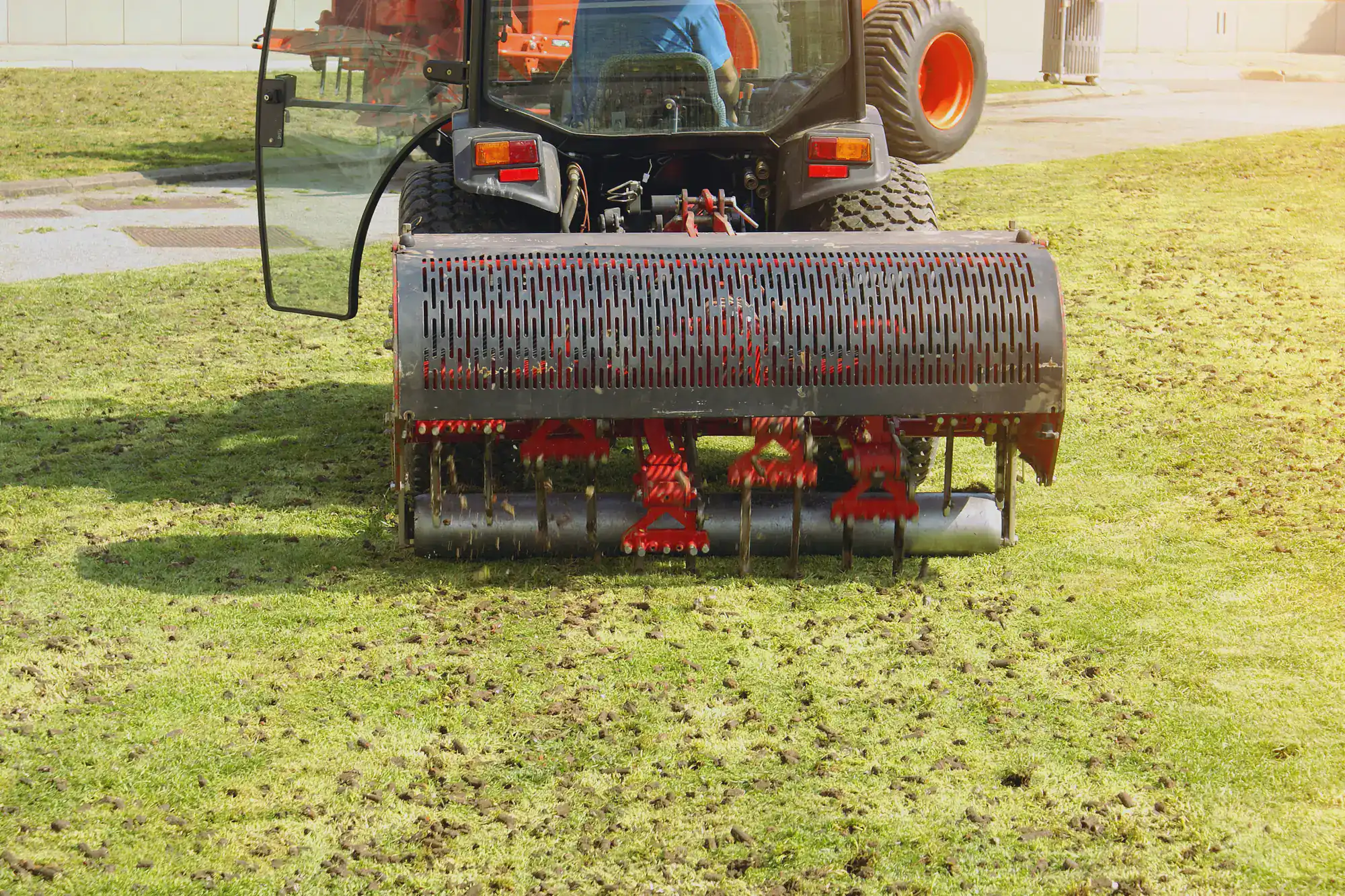
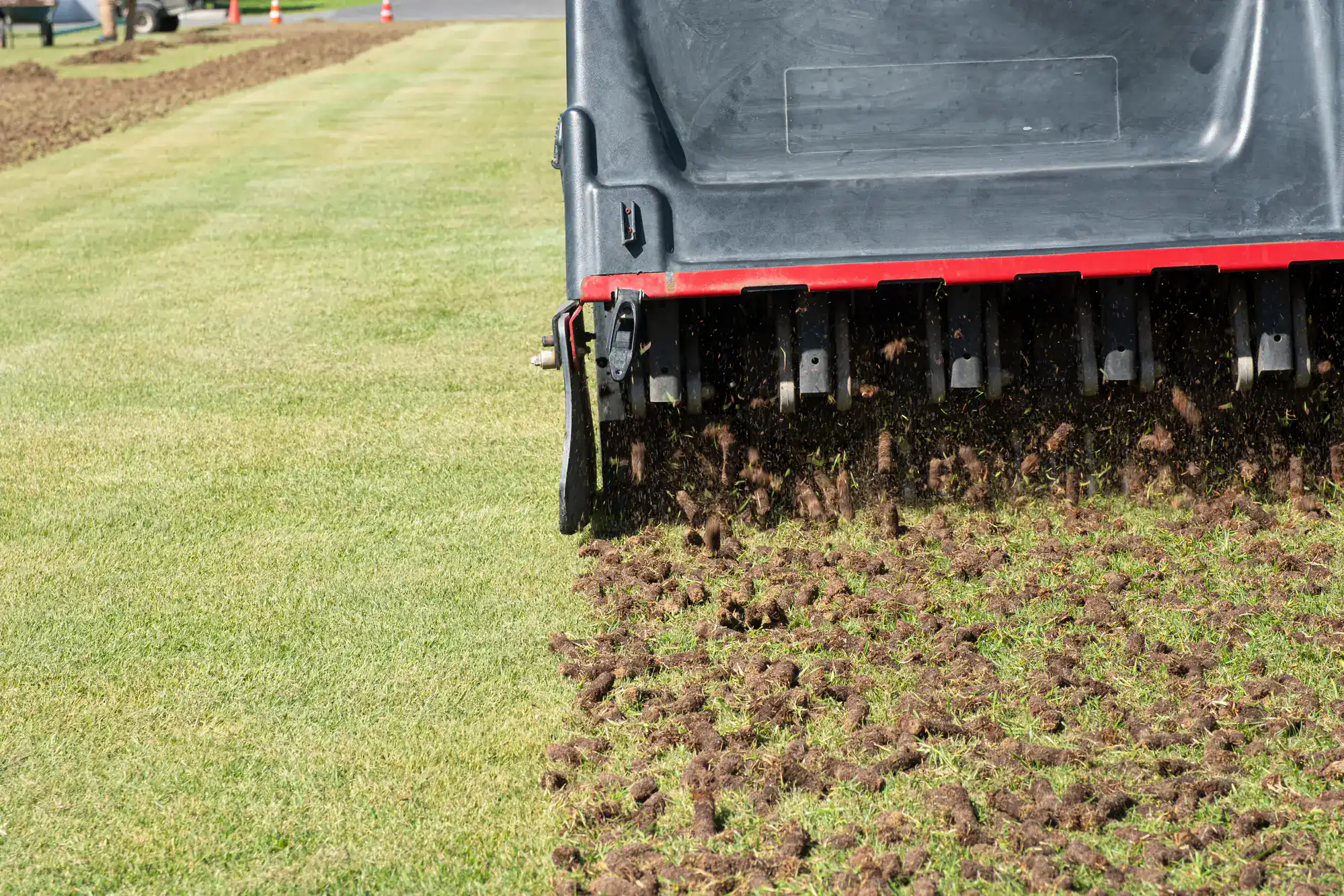
Once we’re on site, we run professional hydraulic core aerators across your lawn equipment that penetrates deeper and pulls cleaner cores than anything available at a rental counter. The cores we pull are left on the surface to break down naturally, returning organic matter back into the soil. If overseeding is part of your program, it goes in immediately after aeration while the channels are open and seed-to-soil contact is at its best. For Wading River’s cool-season grasses tall fescue, Kentucky bluegrass, perennial ryegrass that combination in fall is the single most effective treatment of the year.
Timing matters here. Suffolk County’s fertilizer ban kicks in November 1, so the fall window for aeration, overseeding, and any associated fertilization is real and finite. We plan for it. We schedule early, we show up, and we get it done before the calendar closes.
Ready to get started?
Wading River properties aren’t uniform. A waterfront lot in Wading River Shores has different soil conditions, wind exposure, and turf stress patterns than a wooded inland property off Wading River Road. A newer home in Crescent on the Sound may have construction fill and disturbed topsoil that behaves nothing like an established lawn on a 30-year-old property. That’s why we don’t sell off a fixed package menu your program is assessed and built for your specific property.
What’s consistent across every job is the standard we bring to it. Licensed pesticide professionals on every visit. Hydraulic aerators that outperform rental-grade equipment on the variable soils found across this part of Suffolk County. Custom-blended fertilizer formulated specifically for Long Island not a generic product pulled from a distributor’s shelf. And a company that has been doing this long enough to know that the North Shore’s sandy soils, coastal conditions, and cool-season grass varieties require a different approach than what works in central Suffolk or the South Shore.
Lawn aeration cost varies based on lawn size and what your property needs, but the range for professional core aeration on a residential property typically runs $75 to $300, with larger or more complex properties on the higher end. Wading River’s larger lot sizes often push the average above what you’d find quoted for a standard suburban lawn. What you’re paying for is equipment, expertise, and a licensed professional making the right calls not just a machine running across your grass.
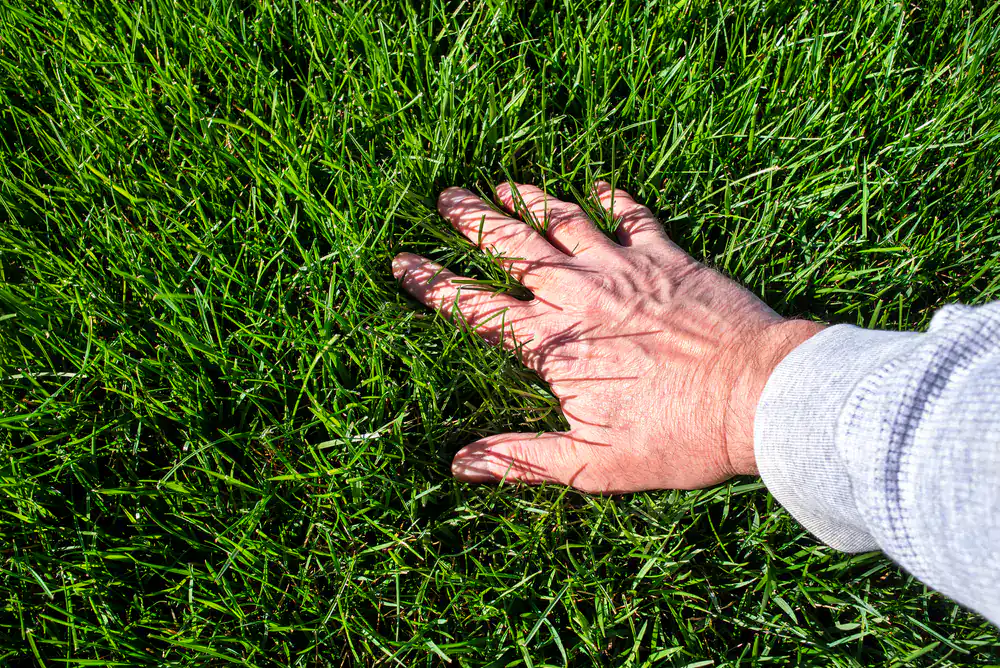
For the grass types that cover most Wading River lawns tall fescue, Kentucky bluegrass, and perennial ryegrass fall is the right window. Specifically, late August through mid-October gives you warm soil temperatures, active grass growth, and enough time before winter for the lawn to recover and fill in. That combination doesn’t exist in spring or summer the same way.
There’s also a practical deadline in Wading River that makes fall timing non-negotiable: Suffolk County prohibits fertilizer applications between November 1 and April 1. Since aeration and overseeding are typically paired with a fertilizer application to maximize results, everything needs to happen before that cutoff. If you wait until late October to schedule, you’re often looking at a compressed window that fills fast. Booking early in the season is the move not because of urgency tactics, but because the calendar is genuinely tight and established companies fill up first.
The simplest test doesn’t require any equipment. After a normal watering, push a standard screwdriver into your lawn. If it won’t penetrate three inches without significant effort, your soil is compacted. That compaction layer even if it’s only a quarter inch thick is enough to block air, water, and nutrients from reaching the root zone where your grass actually grows.
Beyond the screwdriver test, look at how your lawn behaves. Does water pool on the surface after rain instead of soaking in? Does your grass look thin and stressed despite regular fertilizing and watering? Do you have high-traffic areas a path to the backyard, a spot where kids or pets run that look noticeably worse than the rest of the lawn? All of those are signs of compaction. For Wading River properties near the Sound, add salt spray and coastal wind stress to the mix and the case for annual aeration gets stronger, not weaker.
It’s one of the most effective tools for it, yes but you have to understand what’s causing the thinning first. Coastal properties in Wading River, particularly those near Wading River Shores or anywhere within range of the Long Island Sound, deal with a combination of stressors that inland lawns don’t. Salt spray carried by prevailing winds desiccates grass blades and depletes soil moisture faster than normal. Sandy soils drain quickly, which means nutrients leach through before roots can absorb them. And compaction from seasonal use compounds both problems by limiting how deep roots can grow.
Core aeration directly addresses the compaction piece and significantly improves how well your soil holds water and nutrients after treatment. Paired with overseeding using salt-tolerant, North Shore-appropriate grass varieties tall fescue blends tend to perform well in these conditions you get a lawn that’s not just temporarily green but structurally stronger going into the following season. One treatment won’t reverse years of coastal stress, but annual aeration is the most consistent thing you can do to keep coastal turf healthy over time.
Spike aeration pushes solid tines into the ground to create holes, while core aeration pulls out actual plugs of soil. The distinction matters more than it sounds. Spike aeration can actually increase compaction around the holes because it’s displacing soil rather than removing it. For lawns with genuine compaction issues which describes most Wading River properties that have been through a few Long Island winters and summers without soil remediation spike aeration is largely ineffective.
Core aeration removes material, which is what opens up the channels your roots need. The plugs pulled out are left on the surface to break down over a few weeks, returning organic matter to the soil in the process. Professional hydraulic core aerators, like the equipment we use, penetrate deeper and pull cleaner cores than spike machines or consumer-grade rental equipment. If you’ve tried aeration before and didn’t see meaningful results, it’s worth asking what equipment was used and whether cores were actually being pulled because not all aeration is the same.
Aerate first, then overseed immediately after that’s the correct sequence, and the timing between the two steps matters. When you core aerate, you create open channels in the soil and expose areas of bare ground where seed can make direct contact with the soil. Seed dropped into those channels germinates at a significantly higher rate than seed broadcast onto compacted, thatch-covered ground where it sits on the surface and dries out.
The window between aeration and overseeding should be as short as possible ideally the same day. We handle both in the same visit for this reason. For Wading River’s cool-season grasses, the fall window late August through mid-October gives overseeded seed the best germination conditions: warm soil, cooler air temperatures, and enough growing time before the ground freezes. Spring overseeding is possible but complicated by pre-emergent weed control timing. If you apply a pre-emergent in spring and then aerate, you break the weed barrier and waste the treatment. Fall is cleaner, more effective, and aligns with how these grass types naturally grow.
For a standard residential lawn, professional core aeration typically runs between $75 and $300. Where your property lands in that range depends primarily on lawn size, and Wading River’s lot sizes tend to be larger than what you’d find in more densely developed parts of Suffolk County so the average here often lands toward the middle or upper end of that range. If overseeding is added, that increases the total, but it’s also where most of the long-term value comes from.
What’s worth understanding is what you’re actually paying for. A lower quote from a less-established company often means lighter equipment, uncertified labor, or a program that isn’t tailored to your soil conditions. For a property in Wading River where sandy soils, coastal wind, and salt exposure are real factors a generic treatment applied with rental-grade equipment by an uncertified crew isn’t going to move the needle the way a properly assessed, professionally executed program will. The cost of doing it right once is almost always less than the cost of redoing a lawn that a cheaper service left worse than it found it.
Useful Links
Other Services we provide in Wading River