
Hear from Our Customers
Wading River isn’t your average suburban lawn market. You’ve got coastal wind pulling moisture out of the grass, salt spray off the Long Island Sound stressing turf that’s already fighting sandy, fast-draining soil. A program that works in Centereach or Holbrook doesn’t automatically work here and if you’ve had a company out before and wondered why your lawn never looked the way it should, that’s usually why.
When your lawn gets treated with a program designed around what’s actually happening in the soil not just what’s on a route sheet you stop chasing the same problems every season. Color holds. Thin spots fill in. The bare patches near the tree line stop coming back. That’s what happens when the timing, the product, and the knowledge behind it are all dialed in for this specific part of Long Island.
For properties near Wildwood State Park, there’s the added layer of shade, deer pressure, and the kind of uneven turf conditions that come with wooded lots and larger acreage. Those lawns need a different approach heavier on restoration, more thoughtful on overseeding timing, and honest about what’s fixable versus what needs to be rebuilt from seed. That’s exactly the kind of assessment you get with us.
We’ve been treating Suffolk County lawns since 1987 which means we were here before most of our current competitors were incorporated. That’s not just a number. It means decades of learning exactly how North Shore soils behave, when the pre-emergent window actually opens in Wading River versus the South Shore, and what a lawn needs to survive a dry summer with salt-heavy air rolling in off the Sound.
Every technician who treats your lawn holds a NYS DEC Commercial Pesticide Applicator Certificate not just the person who signed the business registration. That’s a state-issued credential that requires real training, a written exam, and two years of supervised field experience. In a market full of operators who run unlicensed crews under a single license holder, that distinction matters.
We run a fleet of five fully wrapped trucks throughout the county, use a custom-blended fertilizer made specifically for Long Island’s sandy, nutrient-leaching soils, and bring hydraulic aerators to every aeration job not the lightweight rental equipment that barely scratches the surface. This is a company built for results, not volume.
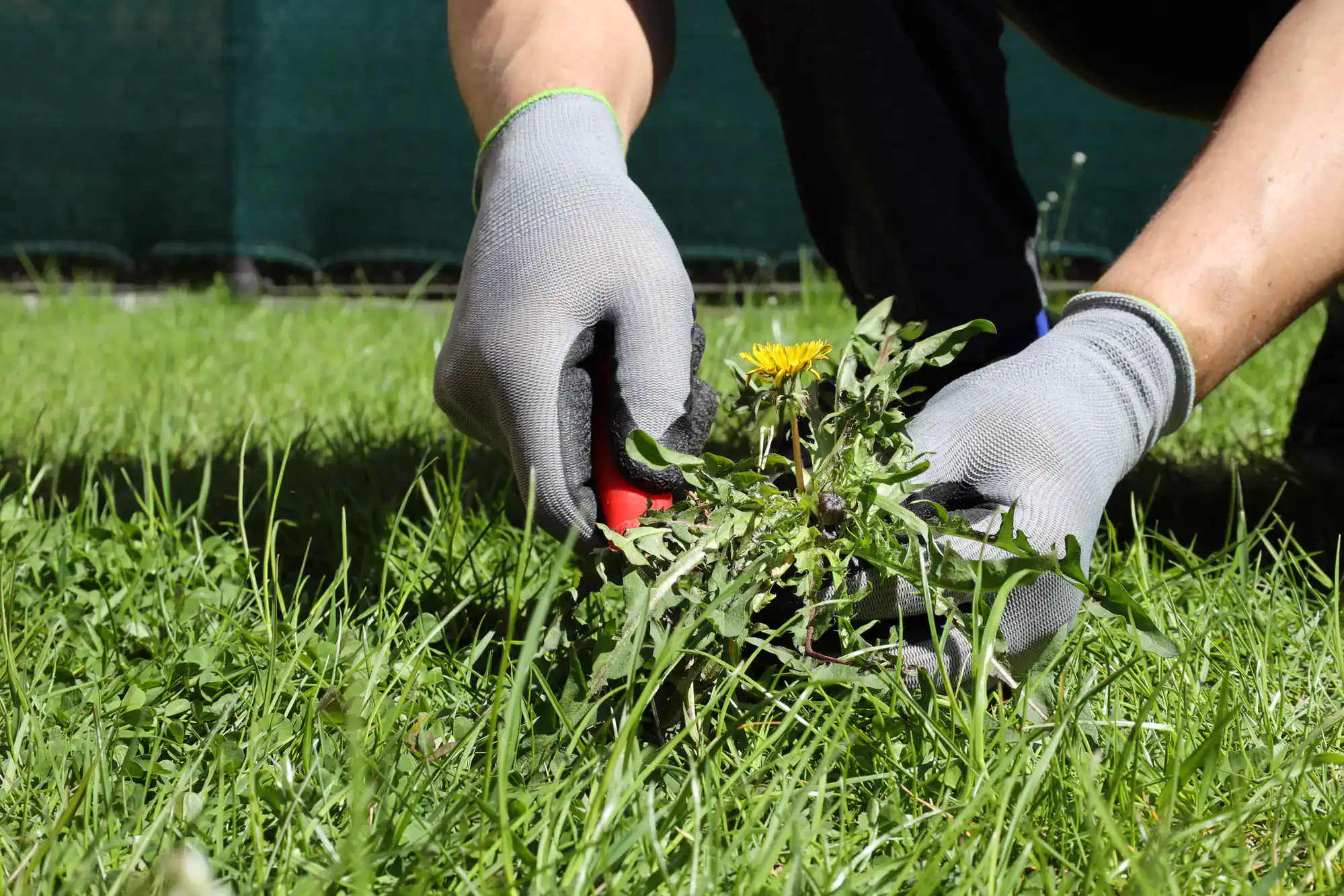
It starts with an honest assessment of what’s actually going on in your lawn not a quick walkthrough before the first treatment, but a real look at soil conditions, turf density, shade patterns, and any problem areas that need attention before a standard program can even be effective. For a lot of Wading River properties, that means identifying whether thin spots are a nutrient issue, a compaction issue, a shade issue, or something that needs full restoration before maintenance can take over.
From there, we build your program around your lawn’s specific conditions and the Suffolk County seasonal calendar. On the North Shore, spring green-up runs about one to two weeks behind the South Shore because the glacial moraine soils here warm more slowly which means your pre-emergent crabgrass application has a different timing window than it does for lawns in Patchogue or Sayville. Getting that window right is the difference between controlling crabgrass and chasing it all summer.
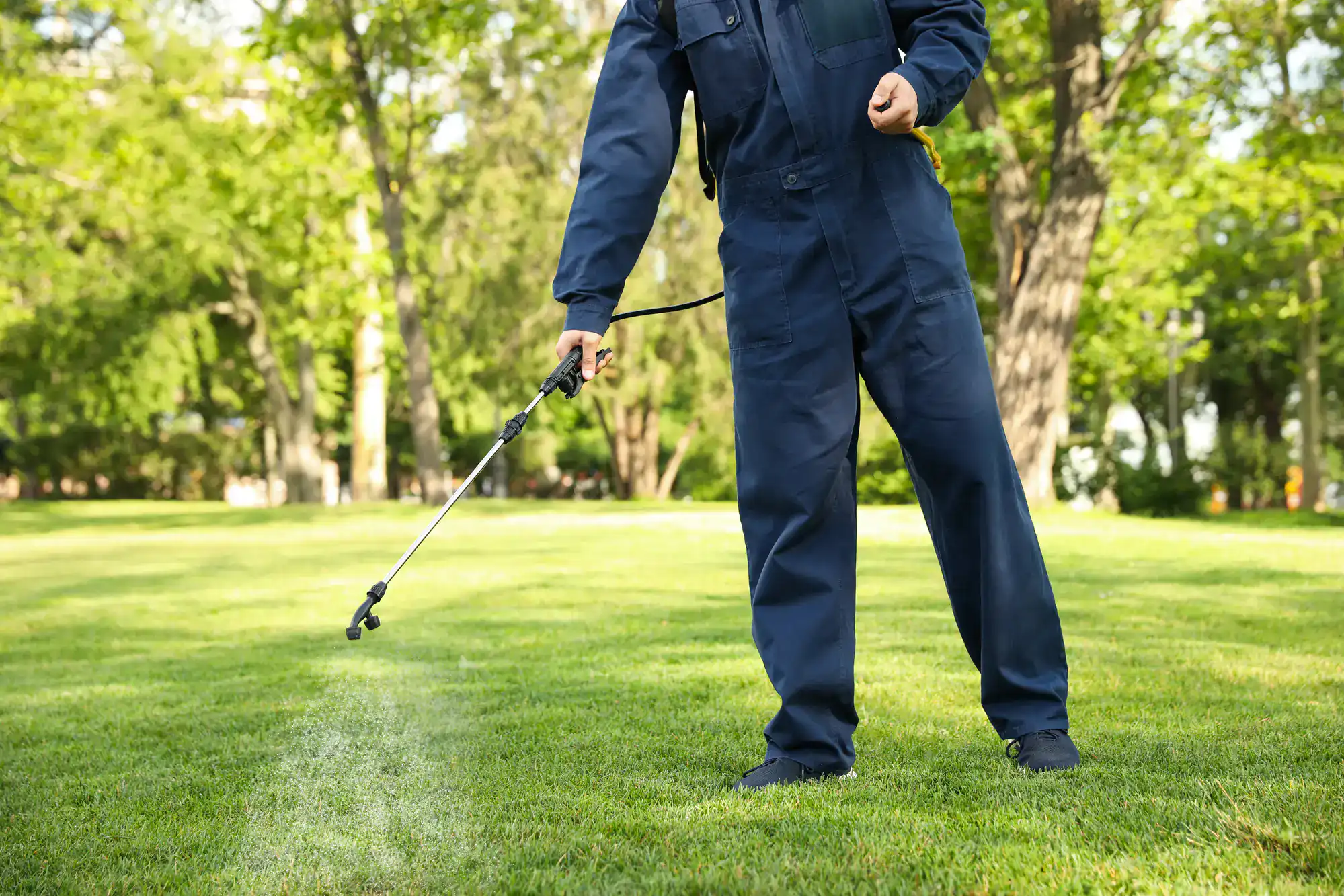
Treatments run through the season with licensed technicians on every visit. Suffolk County’s fertilizer blackout period runs November 1 through April 1, so the fall program aeration, overseeding, and winterizer gets timed carefully to maximize effectiveness before the window closes. You’ll also have online invoice payment available so there’s no paperwork to track down at the end of the season. The whole process is designed to be straightforward, accountable, and easy to stay on top of.
Ready to get started?
The fertilizer we use isn’t pulled off a pallet at a wholesale distributor. It’s custom-blended specifically for our programs and for the sandy, low-organic-matter soils that define Long Island’s North Shore. Those soils leach nutrients faster than almost any other soil type in the Northeast which is exactly why generic fertilizers consistently underperform here. Your lawn gets a product that was formulated for this environment, not one that happens to be available in bulk.
Our core program covers fertilization, weed control, and grub prevention the foundation that every Wading River lawn needs to stay healthy through the season. For properties dealing with compaction, thin turf, or bare areas, we offer hydraulic aeration and overseeding that make a real difference when done with professional-grade equipment. If your lawn is past the point of a maintenance program whether from years of neglect, grub damage, or just never getting established properly we also handle full restoration and new lawn installs from seed.
Given Wading River’s position within the Peconic Estuary watershed and its proximity to the Long Island Sound, every application we make is managed with the county’s fertilizer regulations built in proper buffer zones from water bodies, phosphorus restrictions where soil tests don’t confirm deficiency, and slow-release formulations where required. You don’t have to think about any of that. It’s handled automatically by people who know exactly what they’re doing near sensitive coastal water.
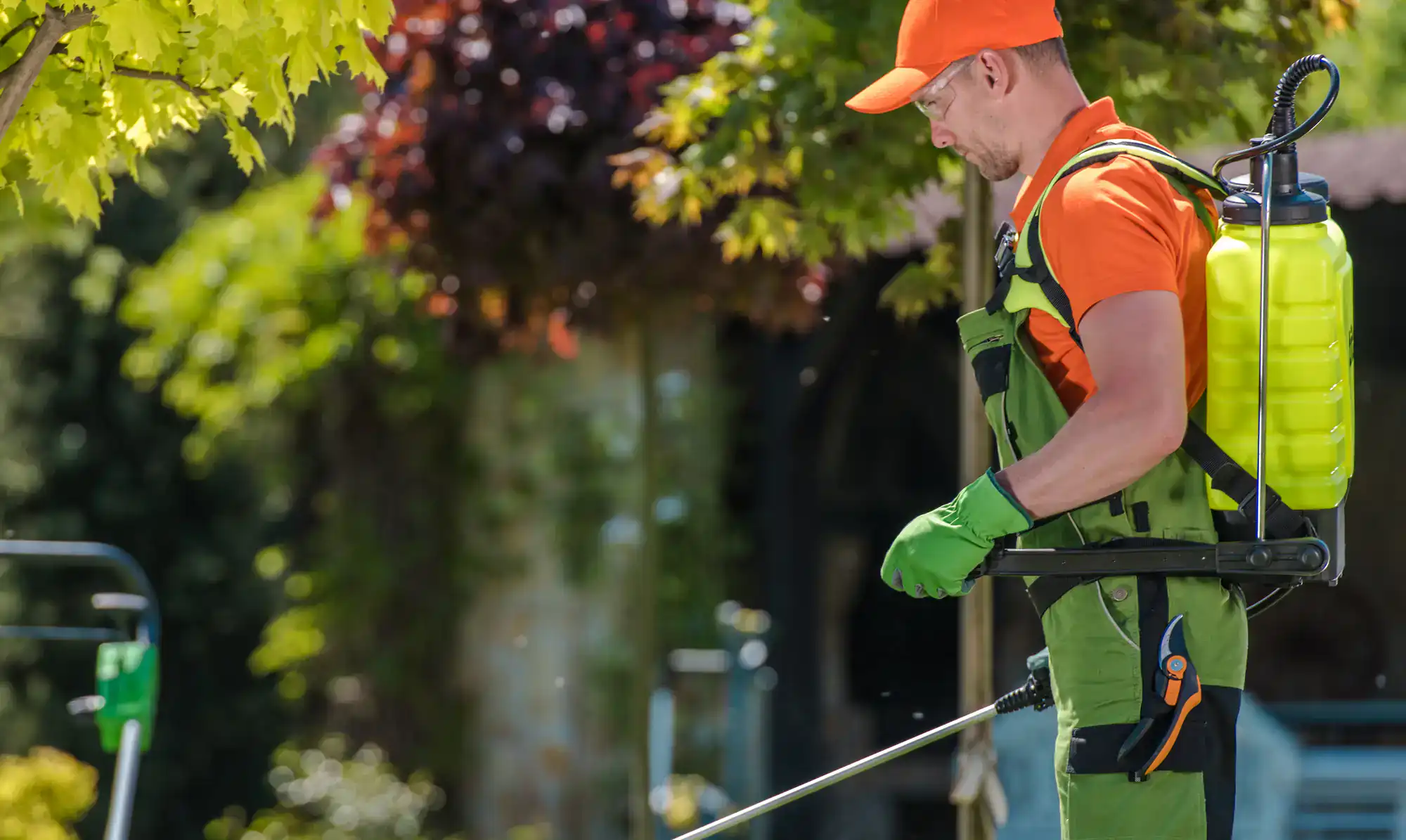
Coastal proximity is a real factor for lawns in Wading River, and it’s one that most generic lawn programs don’t account for. Salt spray off the Long Island Sound desiccates grass blades over time, disrupts soil chemistry, and creates a chronic stress condition that fertilizer alone can’t fix. If your lawn is thinning along the side that faces the water or the prevailing wind, salt accumulation is often a contributing factor and the solution involves addressing that stress directly, not just pushing more nutrients into the soil.
The sandy soils common throughout Wading River make this worse. Low organic matter means nutrients leach through before roots can absorb them, and the same fast-draining profile means the soil dries out faster during heat stress. A program that accounts for both the coastal stress and the soil’s limitations using the right product at the right rate, with timing calibrated to how these soils actually behave is what it takes to get and keep density in a lawn with this kind of exposure.
For most lawns in Suffolk County, a complete program runs five to six applications across the season. That typically includes an early spring pre-emergent with fertilizer, a late spring broadleaf weed control treatment, a summer application to carry the lawn through heat stress, and two fall applications one in early fall and a winterizer before the Suffolk County blackout period begins on November 1. Each application has a specific job, and skipping one usually shows up somewhere in the lawn’s performance, whether that’s crabgrass breaking through in July or thin turf going into winter without the root development it needs.
The exact number and timing can shift based on your lawn’s condition and what it needs. A lawn dealing with grub damage or compaction may need aeration and overseeding added to the program. A lawn with significant weed pressure might need an additional control application early in the season. The point is that a five-treatment program is a starting point, not a ceiling and the right answer depends on what your specific lawn is dealing with.
In New York State, applying pesticides commercially including weed control and grub prevention products requires a NYS DEC Commercial Pesticide Applicator Certificate. That credential requires 30 hours of approved training, a written state exam, and two years of supervised field experience to earn. It’s not a formality. It’s the difference between someone who understands what they’re applying, at what rate, and why and someone following a route sheet with products they may not fully understand.
The practical issue is that many lower-cost operators in the Suffolk County market employ unlicensed laborers under a single license holder who may never actually visit your property. That’s a legal gray area at best and a real liability for the homeowner. In Wading River, where properties border the Long Island Sound and fall within the Peconic Estuary watershed, having unlicensed applicators working near water bodies, wetlands, or drainage areas isn’t just a quality issue it’s an environmental one. Every technician who treats your lawn holds their own NYS DEC certification. That’s not common in this market, and it matters.
For cool-season turf which is what most lawns in Wading River are seeded with the fall window is by far the best time for aeration and overseeding. Specifically, late August through mid-October gives new seed the soil temperature it needs to germinate, enough time to establish before the first frost, and cooler air temperatures that reduce the heat stress that kills young seedlings in summer. Trying to overseed in spring means competing with crabgrass germination and running into summer heat before the new grass is established enough to handle it.
One thing to keep in mind for Wading River specifically: Suffolk County’s fertilizer blackout period begins November 1, which means the post-aeration fertilizer application that supports new seed development needs to be timed carefully. You want it late enough in the fall to support root development going into winter, but early enough to comply with county regulations. That timing window is tighter than most homeowners realize, and it’s one of the reasons getting your fall program scheduled early in the season rather than waiting until September makes a real difference in the outcome.
In most cases, yes but it depends on what caused the damage and how far along the deterioration is. A lawn that’s been taken over by weeds, thinned out by years of shade stress, or damaged by grubs can usually be restored, but it requires a different approach than a standard maintenance program. The first step is figuring out what’s actually going on: is it a soil problem, a pest problem, a shade problem, or just years of inadequate treatment? The answer determines whether the lawn needs targeted renovation or a full rebuild from seed.
We handle both. For lawns that have a recoverable base, an aeration, overseeding, and soil amendment program can bring them back over one to two seasons. For lawns that are genuinely past that point bare soil, severe grub damage, or a weed population that’s completely displaced the turf a full new lawn install from seed is the more honest and cost-effective path. Either way, you’re not being told your lawn is fine when it isn’t, and you’re not being sold a maintenance program on a lawn that needs restoration first.
The math usually works out in favor of professional treatment when you factor in everything involved. Consumer-grade fertilizers and weed control products available at home improvement stores are formulated differently than commercial products lower active ingredient concentrations, generic nutrient ratios not designed for Long Island’s sandy soils, and no access to the slow-release formulations that professional programs use. You can spend a full season applying store-bought products on the right schedule and still end up with a lawn that looks about the same as it did in April.
For Wading River properties specifically, the coastal conditions and soil characteristics here make DIY programs even harder to get right. The timing windows for pre-emergent applications on the North Shore are different from what the bag directions assume. The leaching rate in sandy soil means application frequency and formulation matter more than they would in a heavier loam. And the Suffolk County fertilizer regulations including the November 1 blackout and the buffer zone requirements near water bodies add a compliance layer that most homeowners aren’t tracking. A licensed professional who manages all of that automatically, with products formulated for this environment, is a straightforward investment for a property worth protecting.
Useful Links
Other Services we provide in Wading River