
Hear from Our Customers
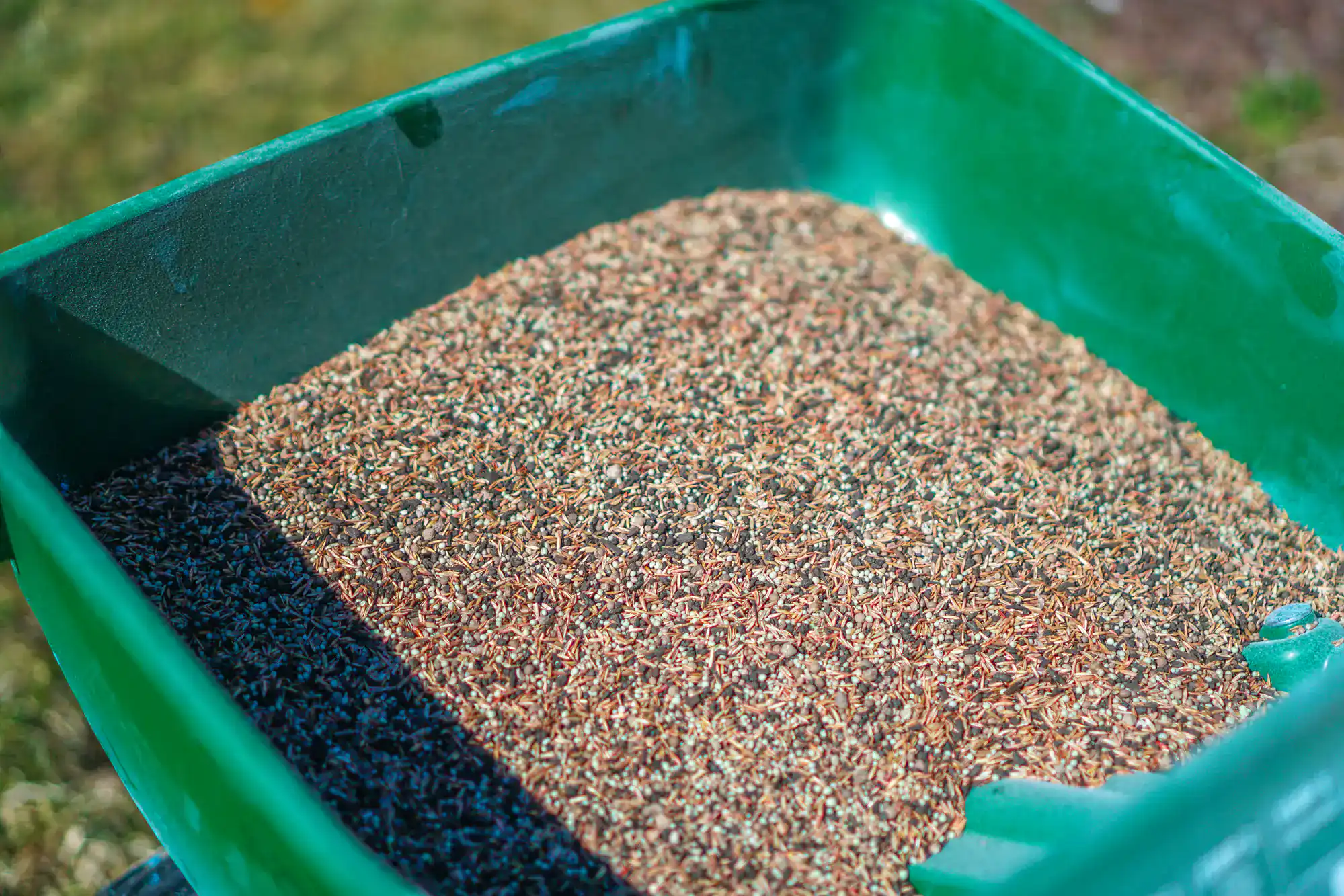
The soil under most Centereach lawns drains fast. That’s the nature of the Haven Loam profile that runs through central Suffolk County a sandy, well-draining soil that’s great at avoiding waterlogged roots but quick to flush nutrients out before your grass can use them. A generic fertilizer applied at standard rates may give you a week or two of green, but it’s not building the root depth your lawn needs to hold up through a Long Island summer or bounce back clean in the fall.
That’s the difference between a program designed around your actual soil and one pulled off a shelf. When the fertilizer is formulated to work with how your lawn drains and applied at the right time, by someone who knows what they’re looking at you stop chasing results and start keeping them.
Beyond the soil, Centereach lawns deal with the full range of cool-season stress patterns: summer heat that slows growth and invites disease, grub pressure in the fall, and shaded spots under mature trees in the older neighborhoods near Dawn Estates that respond completely differently than a full-sun lawn on a newer lot near Nicolls Road. A program that doesn’t account for those variables isn’t a program it’s a guess. You deserve better than that.
We’ve been working in Suffolk County since 1987. That’s not a tagline it’s a track record. While national chains cycle through seasonal crews and local startups come and go, we’ve been on the roads of Centereach and central Suffolk County long enough to know which neighborhoods have persistent nutgrass problems, which areas have compaction issues from decades of use, and how the soil conditions in Centereach specifically affect what a lawn needs to thrive.
Every job is handled by a licensed pesticide professional not a rotating crew, not a seasonal hire. The people applying product to your lawn are trained, certified, and accountable. That matters when you’re dealing with Suffolk County’s strict fertilization rules and a sole-source aquifer that sits directly beneath your property.
We run five fully wrapped trucks you’ve probably seen on Middle Country Road. That fleet isn’t just a visual it’s a signal that this is a stable, invested operation that isn’t going anywhere.
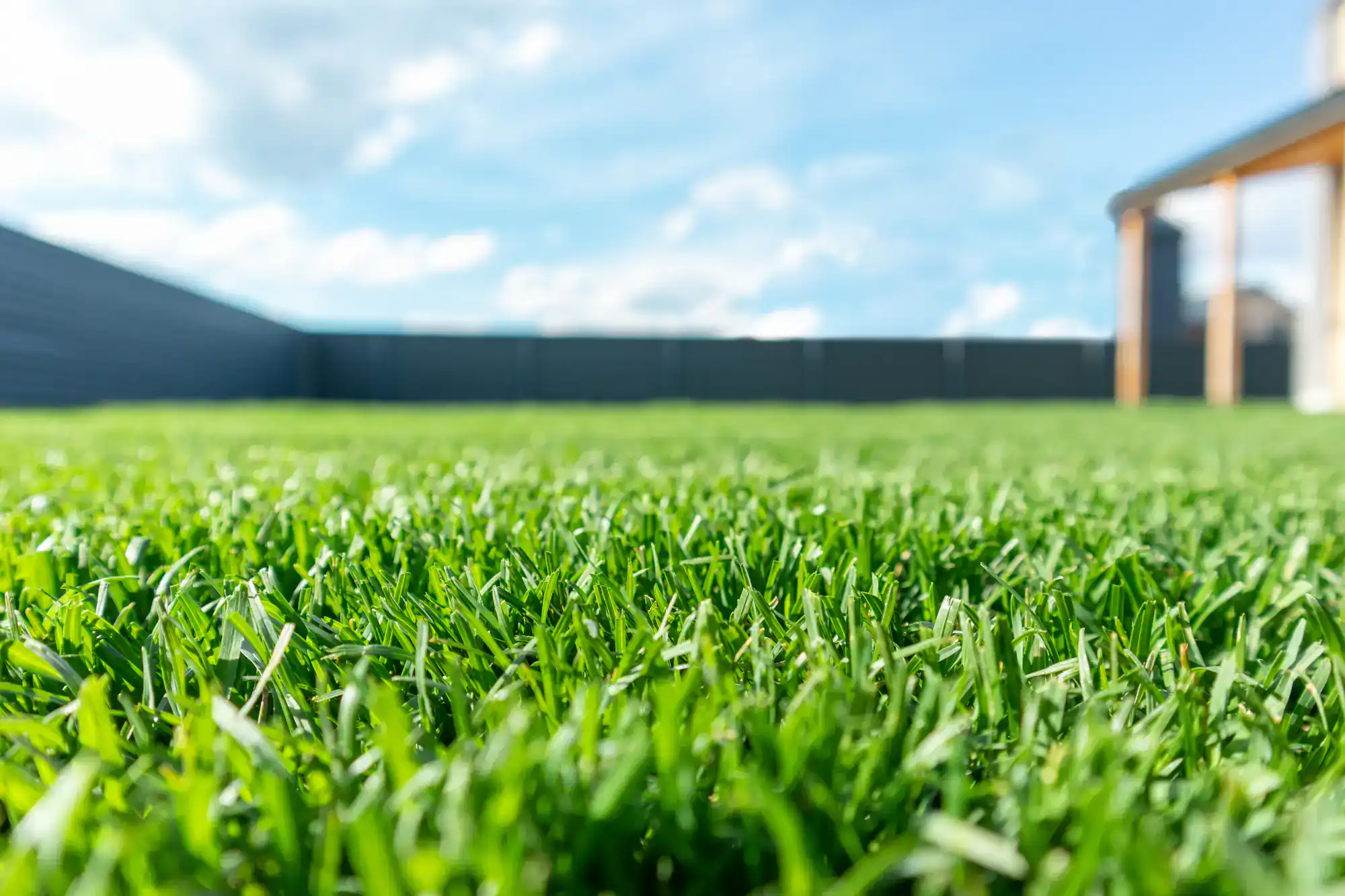
It starts with an honest look at what you’re working with. Before any product goes down, a licensed professional assesses your lawn the grass type, the shade patterns, the soil condition, the density. In Centereach, that assessment matters more than most places. A shaded lawn in one of the hamlet’s older neighborhoods needs a different approach than a full-sun lawn in a newer development. Getting that read right from the beginning is what separates a program that works from one that wastes your time and money.
From there, a custom-tailored fertilization schedule is built around your lawn’s specific needs and the seasonal windows that actually matter in this climate. Cool-season grasses the Kentucky bluegrass, fescues, and ryegrass that make up most Centereach lawns have two peak growth windows: early spring and late summer through fall. The fall window is critical. Fall fertilization builds the root reserves that carry your lawn through winter and drive the spring green-up. Skipping it, or mistiming it, sets your lawn back by months.
One important note for Centereach homeowners: Suffolk County law prohibits fertilizer applications between November 1 and April 1. We build every program around that window and around the phosphorus restrictions that protect the aquifer your drinking water comes from. You don’t have to think about any of that. That’s what you’re hiring expertise for.
Ready to get started?
Most lawn care companies in the Centereach area buy their fertilizer from a commercial distributor the same product going on lawns in a dozen different counties with a dozen different soil profiles. We don’t do that. The fertilizer we use on your lawn was custom-blended specifically for us, formulated to account for the drainage characteristics of central Suffolk County’s sandy soil and the release timing that cool-season grasses actually need. No competitor serving this area offers that.
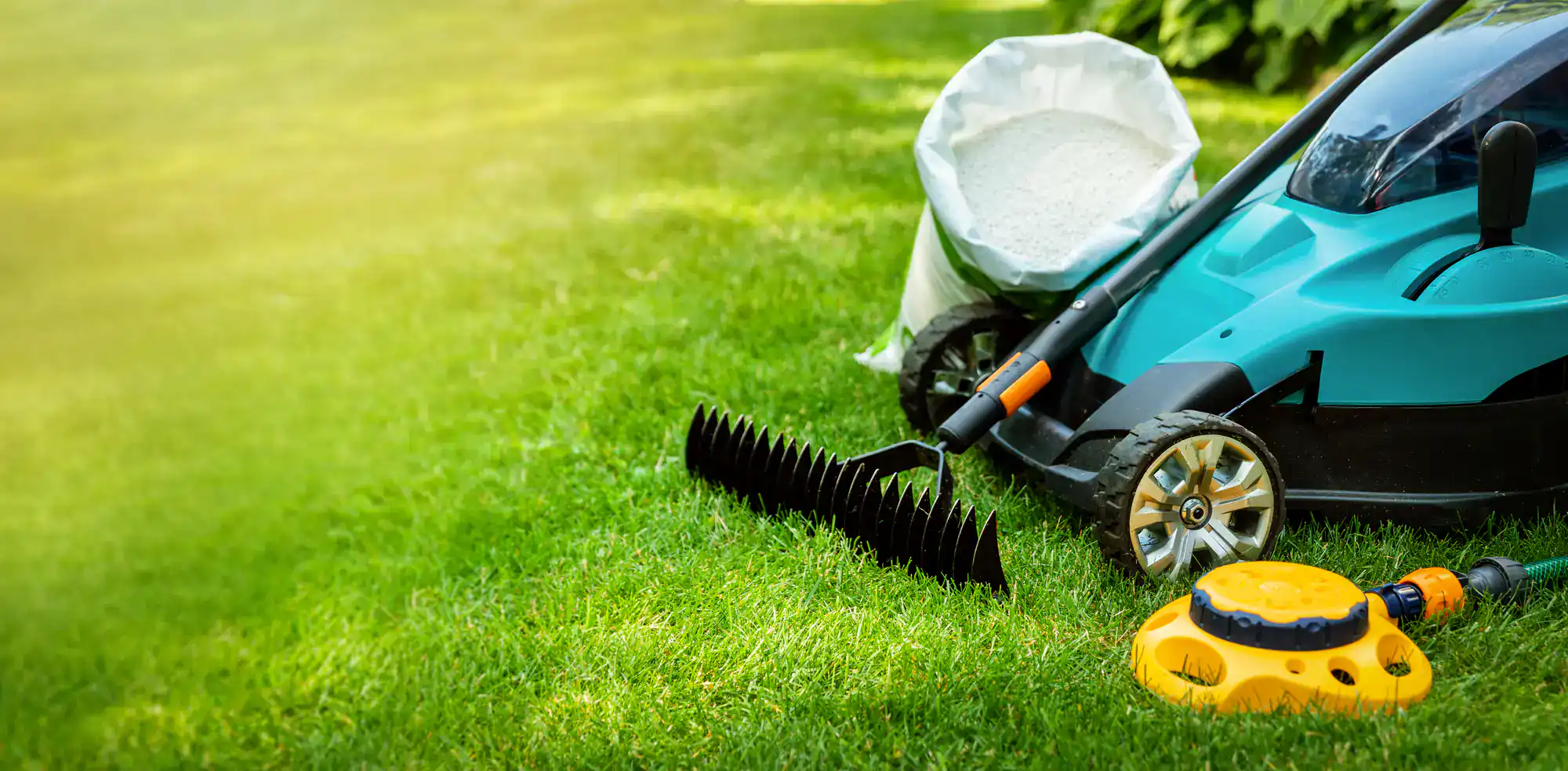
Beyond fertilization, we bring hydraulic aerators and seeders to jobs that need them equipment that pulls deeper plugs and distributes seed more evenly than the tow-behind units most smaller operators use. If your lawn has areas of persistent compaction, thin turf, or bare patches that fertilization alone won’t fix, aeration and overseeding done right can turn things around in a single fall season. The best window for that work on Long Island is mid-August through late September and we schedule accordingly.
For lawns that are past the point of a tune-up, full restoration and new lawn installation from seed is also available. That’s not a service most fertilization companies in the Centereach market can offer. If your lawn needs a real restart not just another round of product that option is on the table. Every service comes with online credit card invoice payment, so managing the account is one less thing on your list.
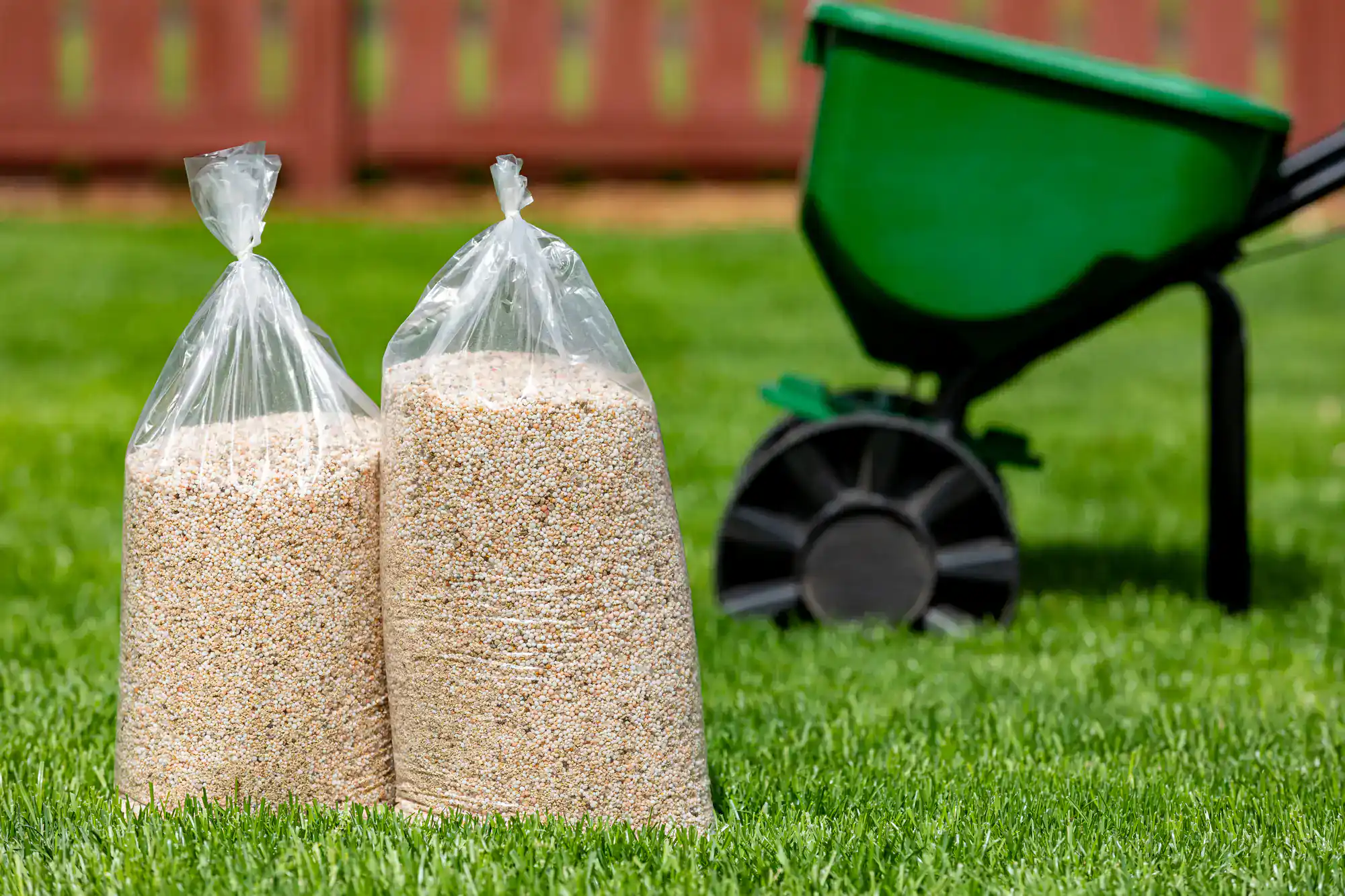
For Centereach lawns, the two most productive fertilization windows are early spring roughly mid-March through May and late summer through fall, from mid-August through October. Cool-season grasses like Kentucky bluegrass, fescues, and perennial ryegrass grow most actively during these periods, which means they’re best positioned to absorb and use what you’re putting down.
The fall window is the one most homeowners underestimate. A well-timed fall fertilization builds root reserves that carry the lawn through winter dormancy and fuel a strong spring green-up. Skipping it or doing it too late leaves your lawn structurally weaker heading into the next season.
There’s also a hard legal boundary to know: Suffolk County prohibits lawn fertilization between November 1 and April 1. That’s not a guideline it’s a county law with fines up to $1,000 for violations. Every program we build is constructed around that window, so you’re never at risk of an application that puts you on the wrong side of the law.
This is one of the most common frustrations we hear from homeowners in central Suffolk County, and the soil is usually at the root of it. Centereach sits on a Haven Loam profile with a significant sandy component. That soil drains quickly which is good for preventing disease, but it also means soluble nutrients wash through the root zone faster than your grass can absorb them. If the fertilizer you’re using isn’t formulated for that drainage rate, you may be greening the surface temporarily without actually building root density.
Timing is the other piece. If you’re only fertilizing in spring and skipping the fall, your lawn is going into winter without the root reserves it needs. Spring applications push top growth fall applications build the foundation. Doing one without the other produces exactly the pattern you’re describing: a lawn that looks okay for a few weeks, then thins out again.
Persistent thinning can also signal compaction, grub damage, or a shade issue that fertilization alone won’t fix. A licensed professional can tell the difference on a walkthrough and that assessment changes what the solution actually looks like.
It depends entirely on what’s being applied and who’s applying it. In Suffolk County, any company applying pesticides for hire is required to employ NYSDEC-licensed commercial applicators people who have passed formal certification exams and understand product safety, application rates, and re-entry intervals. That licensing requirement exists specifically because these products need to be handled correctly to be safe.
Our technicians are licensed professionals. We know which products require a waiting period before re-entry, how to apply at rates that are effective without being excessive, and how to document applications in compliance with state and county requirements.
There’s also a broader environmental consideration that matters to Centereach residents specifically: Suffolk County’s drinking water comes entirely from the underground aquifer system. There are no reservoirs every drop of water that moves through your lawn eventually reaches that aquifer. That’s why the county’s phosphorus restrictions and the November 1 fertilization cutoff exist. Our programs are built around those protections, not around what’s cheapest or fastest to apply.
The biggest difference is calibration. Bag fertilizer at a hardware store is formulated for a generic soil profile and applied at whatever rate the homeowner guesses is right. In Centereach, where the soil drains faster than average and the grass types have specific seasonal needs, that guesswork produces inconsistent results at best and burned, over-fertilized turf at worst. Over-application of nitrogen is one of the most common causes of lawn damage from DIY fertilization, and it’s also a violation of Suffolk County’s nutrient management guidelines.
A professional program starts with an assessment of your actual lawn soil condition, grass type, shade patterns, existing weed or pest pressure and builds a schedule around what that specific lawn needs, when it needs it. The fertilizer we use isn’t a commercial off-the-shelf product; it was custom-blended specifically for the soil and drainage conditions common in central Suffolk County.
The other thing a professional program gives you is accountability. If something isn’t working, there’s a licensed professional who can diagnose why and adjust. A bag from the store doesn’t come with that.
The clearest sign is compaction soil that’s packed so tightly that water pools on the surface instead of soaking in, or grass that stays thin despite consistent fertilization. In Centereach, compaction is especially common in the hamlet’s older neighborhoods, where lawns in places like Dawn Estates and Eastwood Village have been through decades of foot traffic, mowing, and accumulated thatch. Fertilizer applied to heavily compacted soil doesn’t reach the root zone effectively it sits at the surface and washes away.
A simple test: push a screwdriver into the lawn. If it doesn’t go in easily, compaction is likely a factor. Core aeration pulls plugs of soil out of the ground, opening channels for water, air, and nutrients to get where they need to go. Done in the right window mid-August through late September on Long Island and followed by overseeding with the right cool-season grass varieties, aeration can visibly transform a struggling lawn within one season.
We use hydraulic aerators that pull deeper plugs than the tow-behind equipment most smaller operators bring to the job. That depth matters for how effective the treatment actually is.
Start with licensing. In New York State, any company applying pesticides for hire must be registered with the NYSDEC and employ certified commercial applicators. That’s not optional it’s the law. Ask any company you’re considering whether their technicians hold commercial applicator certification. If they can’t answer that clearly, that tells you something.
Beyond licensing, look at how long they’ve been operating in this specific county. Suffolk County has its own fertilization laws, its own groundwater protection requirements, and soil conditions that differ meaningfully from other parts of Long Island. A company that’s been working in Centereach and the surrounding communities for years understands those variables in a way that a national call center or a newer local operator simply doesn’t.
Finally, ask whether the program is actually built around your lawn or whether it’s a fixed schedule applied to every property the same way. Centereach lawns vary older homes with mature tree canopy, newer construction with different soil disturbance histories, varying lot orientations and drainage patterns. A program that treats all of them identically isn’t a program built for your lawn. It’s a product being sold to you.
Useful Links
Other Services we provide in Centereach