
Hear from Our Customers
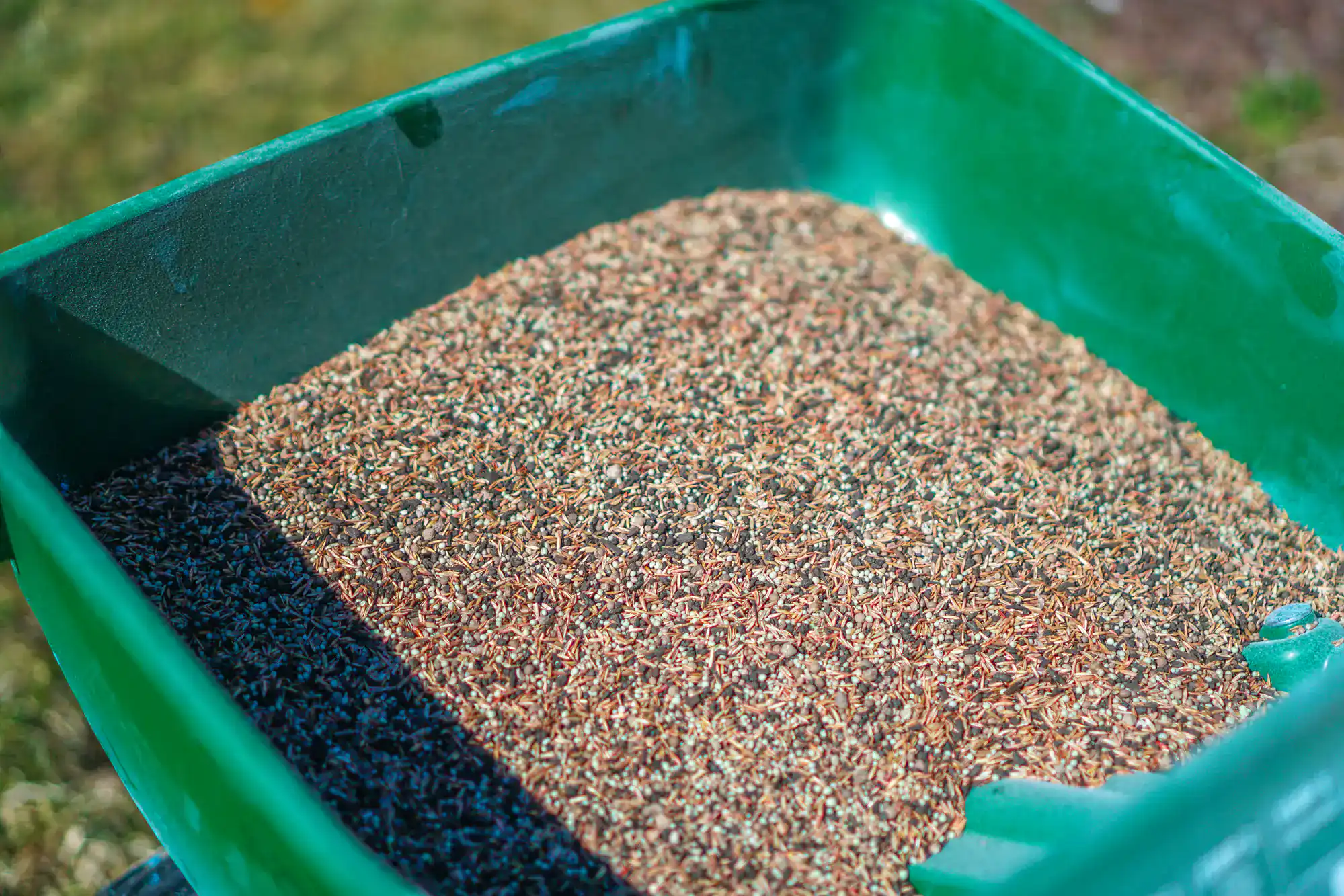
Most lawn care disappointments come down to one thing: a generic program applied to a property that has nothing generic about it. Fort Salonga lots typically run one to two acres, sit on heavier moraine-derived soils that compact faster than the sandy flatlands further inland, and in areas like Crab Meadow, face real salt exposure from the Long Island Sound. A fertilizer program that wasn’t designed with those conditions in mind isn’t just ineffective it can actively set your lawn back.
When the program is right, the difference shows up fast. Turf that was thin and patchy starts filling in. Color becomes consistent across the whole property instead of green in one spot and yellow in another. Problem areas the shaded slope under the mature oaks, the high-traffic stretch near the driveway start responding instead of fighting you every season.
The other thing that changes is how much time and energy you spend thinking about your lawn. When you have a licensed professional running a program built specifically for your property, you stop chasing problems. You stop calling to complain. You stop wondering why it didn’t work last year. You just look out at your lawn and it looks the way a property in Fort Salonga should look.
We’ve been serving Suffolk County since 1987 which means we were treating North Shore lawns before many of Fort Salonga’s current homeowners moved in. That kind of tenure isn’t just a number. It means we’ve worked through drought years, pest cycles, regulatory changes, and every variation of Long Island weather the North Shore can throw at a lawn. That experience lives in the people doing the work, not just in the marketing.
Every job is handled by a licensed pesticide professional not a seasonal crew, not a supervised laborer. That matters everywhere, but it matters especially in a community like Fort Salonga, which sits within a federally designated deep recharge area for Long Island’s sole source aquifer. What goes on your lawn has a direct path to the groundwater. Licensed professionals understand that, follow the rules, and apply products accordingly.
The fleet of five fully wrapped professional trucks you’ll see throughout the Kings Park and Northport corridors reflects the same standard we apply to every job visible, accountable, and consistent.
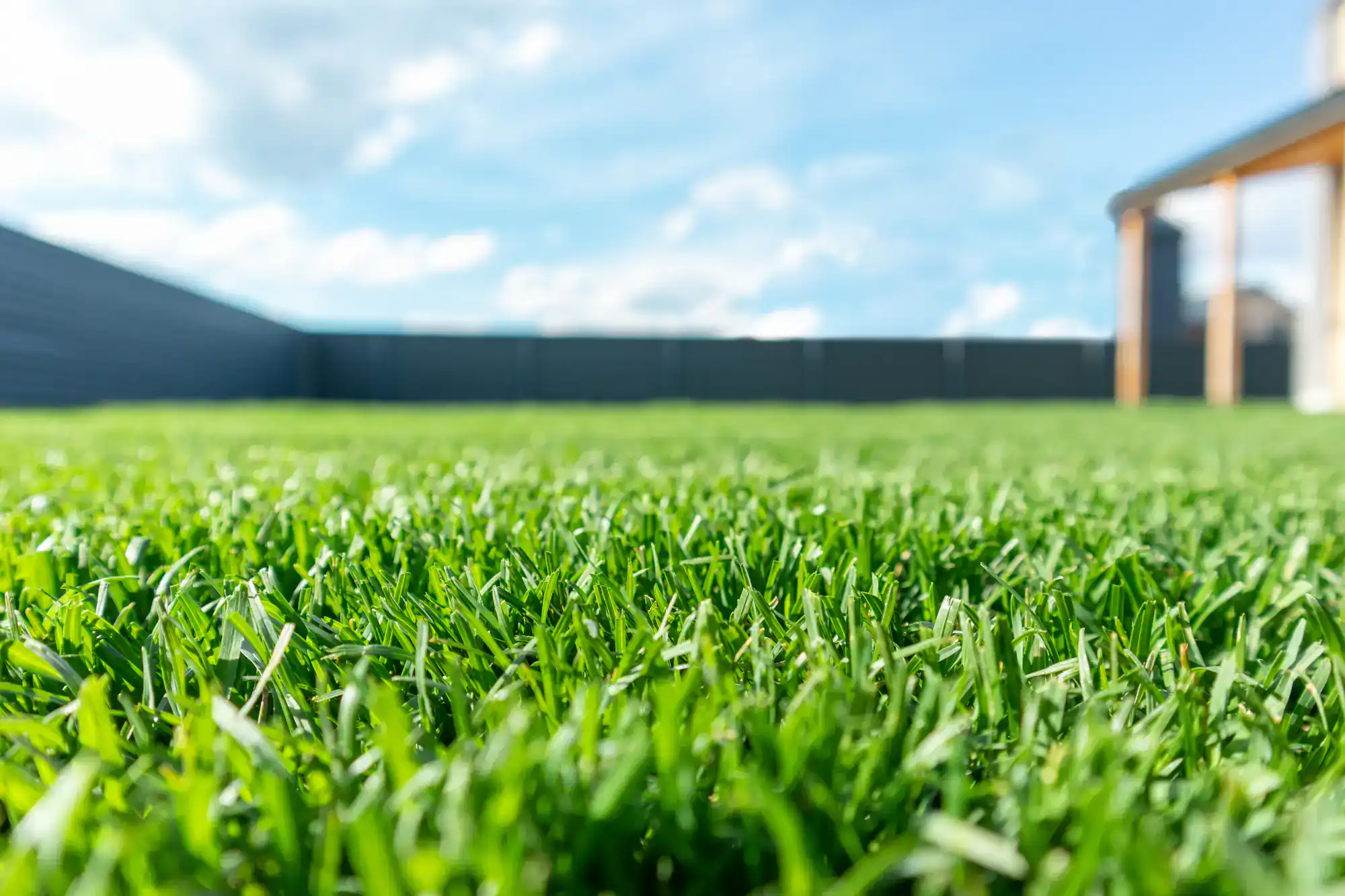
It starts with understanding what you’re actually working with. Fort Salonga properties vary significantly a lawn on the Huntington side of Bread and Cheese Hollow Road may have different drainage characteristics than one on the Smithtown side, and a waterfront property near Crab Meadow deals with salt stress that an inland lot on the Sunken Meadow Road corridor doesn’t. Before a program is set, we assess the conditions of your specific property: soil type, sun and shade patterns, existing grass varieties, problem areas, and history.
From there, we build a custom program using a fertilizer blend formulated specifically for us not a commercial off-the-shelf product. This blend is calibrated for the soil chemistry found across Suffolk County’s North Shore, which means nutrients are delivered in the right ratios for the conditions your turf is actually growing in. Applications are timed around Suffolk County’s fertilizer regulations no applications between November 1 and April 1, with spring timing adjusted for the slightly delayed soil warm-up that North Shore properties experience due to the Sound’s influence on local temperatures.
If your lawn needs more than fertilization compacted soil that needs deep-core aeration with hydraulic equipment, thin turf that needs overseeding, or damage that requires a full renovation we build those services into the program rather than treating them as separate conversations. You get one company, one program, and one point of contact who knows your property.

Ready to get started?
Fort Salonga lawns come with real complexity. The hilly Harbor Hill Moraine terrain means fertilizer applied on a slope can run off before it’s absorbed if the timing or rate isn’t right. The clay-influenced soils compact more readily than the sandy soils found mid-island, which limits how well water and nutrients actually reach the root zone. Coastal properties near the Long Island Sound face salt accumulation that interferes with nutrient uptake in ways that a standard program never accounts for. Our custom-tailored programs are built around all of this not around a package name and a price point.
For lawns dealing with specific weed problems, we provide targeted control for nutgrass and bentgrass two of the most stubborn turf issues on Long Island, and ones that most generalist companies either misidentify or treat ineffectively. If your property has never been properly aerated, our hydraulic aerators pull deeper plugs than the tow-behind units available at rental centers, opening up the compacted moraine soil so fertilizer actually gets where it needs to go.
And for properties where the lawn is beyond a maintenance fix older Fort Salonga homes built in the 1950s and 60s with turf that’s never been renovated we install new lawns from seed. Full restoration, from bare soil to finished turf, using grass varieties appropriate for your site’s specific sun, shade, and soil conditions. That’s a capability most fertilization-only companies in this area simply don’t have.
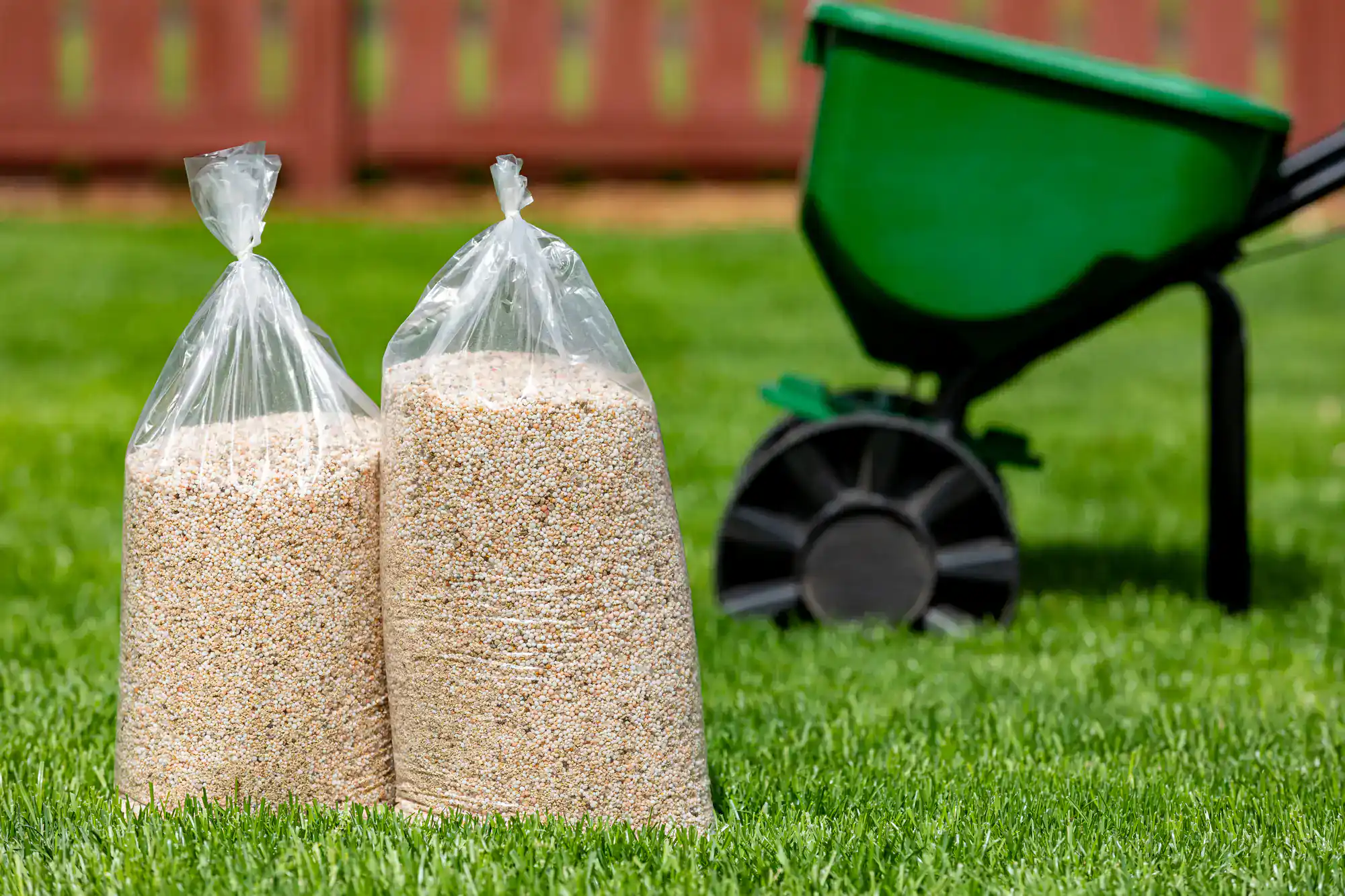
In Fort Salonga, the first application of the season typically happens in mid-April, once soil temperatures are consistently above 55°F. Because of the Long Island Sound’s moderating effect on North Shore temperatures, spring soil warm-up in Fort Salonga can run a week or two behind inland towns so starting too early means the fertilizer isn’t being taken up by roots that aren’t yet actively growing. Timing the first application correctly is one of the most important decisions in the whole program.
On the back end of the season, Suffolk County law prohibits fertilizer applications between November 1 and April 1, with a $1,000 fine for violations. The fall window typically early September through mid-October is actually the most important feeding of the year for cool-season turf, and missing it or applying too late is one of the most common reasons lawns in this area struggle the following spring. A properly timed fall application builds root reserves that carry the lawn through winter and fuel early spring recovery.
The most common reason is soil compaction. Fort Salonga sits on the Harbor Hill Moraine, and the heavier, clay-influenced soils in this area compact much more readily than the sandy soils found further south and inland on Long Island. When soil is compacted, fertilizer sits near the surface rather than reaching the root zone so even a quality product applied at the right time produces disappointing results because the soil itself is blocking absorption.
The fix isn’t more fertilizer. It’s aeration first, then fertilization. Deep-core aeration with hydraulic equipment opens up the soil profile, creates channels for water and nutrients to penetrate, and gives the roots room to grow. After proper aeration, the same fertilizer that was sitting on top of a compacted surface can actually do its job. If your lawn has been fertilized repeatedly without significant improvement, compaction is almost always part of the problem and it’s a problem that’s especially common on older Fort Salonga properties that have never been professionally renovated.
Yes Suffolk County prohibits lawn fertilization between November 1 and April 1. The restriction applies county-wide, which means it covers both the Huntington and Smithtown portions of Fort Salonga. Violations carry a $1,000 fine. The regulation exists primarily to protect water quality, and it’s especially relevant in Fort Salonga given the community’s location within a federally designated deep recharge area for Long Island’s sole source aquifer. Fertilizer applied to frozen or dormant ground doesn’t get absorbed it runs off into storm drains, groundwater, and eventually the Sound.
The practical takeaway for homeowners is that the fall window matters more than most people realize. The last application before November 1 typically in October is your lawn’s last chance to build root reserves before winter. A properly timed late-season feeding with the right product makes a measurable difference in how the lawn looks the following spring. If that window gets missed or rushed, the lawn enters winter in a weaker state and takes longer to recover when temperatures rise.
For properties in the Crab Meadow area and along Fort Salonga’s shoreline, salt is a real factor not just a talking point. Salt spray from the Long Island Sound pulls moisture from grass blades and accumulates in the soil over time, raising salinity levels that interfere with a plant’s ability to absorb water and nutrients. In practical terms, this means a fertilizer program that works well on an inland Fort Salonga property may produce weaker results on a coastal one if it isn’t adjusted for salt stress.
The response isn’t complicated, but it does require awareness. Fertilizer rates and timing need to account for the added stress the turf is already under. Soil amendments that help buffer salinity can be incorporated into the program. And grass variety selection matters if a coastal property is being overseeded, varieties with better salt tolerance should be used rather than standard mixes. These are the kinds of adjustments a licensed professional with North Shore experience makes automatically. A generic program applied from a national chain’s standard schedule won’t make them.
The most honest answer is that the experience is fundamentally different. National chains like TruGreen operate on volume large territories, rotating technicians, and standardized programs that don’t vary much from property to property. The complaints are well-documented and consistent: different people showing up every visit, generic treatments that don’t account for your specific lawn’s conditions, difficulty reaching anyone when something goes wrong. On a quarter-acre lot in a flat subdivision, that model can still produce acceptable results. On a one-to-two-acre Fort Salonga property with hilly terrain, clay-heavy moraine soil, possible salt exposure, and mature tree canopy creating varied conditions across the property, it usually doesn’t.
We use a custom-blended fertilizer formulated specifically for our company not a commercial product sourced from a distributor. Every job is handled by a licensed pesticide professional, not a seasonal laborer. And the program is built around your specific property’s conditions, not a standard package applied to every address on a route. For a property in Fort Salonga, where the conditions are genuinely complex and the investment in the home is significant, that difference tends to show up clearly in the results.
In most cases, yes but the approach depends on how far gone the lawn actually is. Fort Salonga has a significant number of older homes, many built between the 1940s and 1970s, where the lawn has never been properly renovated. Decades of compaction, thatch buildup, weed encroachment, and the wrong grass varieties for the site conditions can leave a lawn in a state where fertilization alone won’t turn it around. If that’s where your property is, a maintenance program isn’t the right starting point.
For lawns that are beyond a maintenance fix, we install new lawns from seed handling soil preparation, seeding, and a custom fertilization program to establish turf that’s actually suited to your site. The right grass varieties are selected based on your property’s specific sun exposure, soil type, and any salt or shade factors that apply. Most fertilization-only companies in the Fort Salonga area don’t offer this. If you’ve been told your lawn “just needs more time” by a company that only does maintenance, and it still isn’t improving, a full renovation conversation is worth having.
Useful Links
Other Services we provide in Fort Salonga