Hear from Our Customers
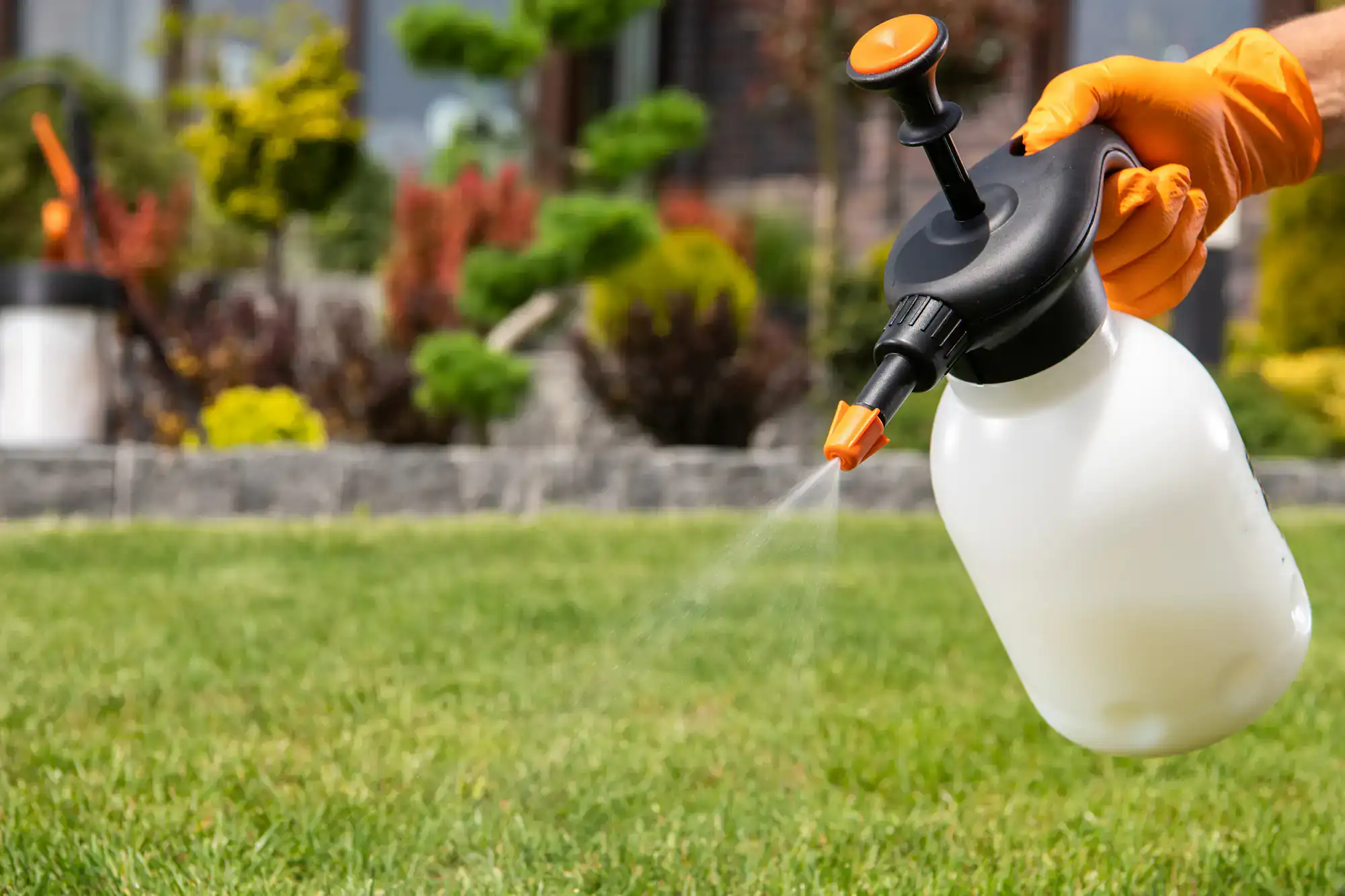
If your Fort Salonga lawn has bare patches under the oak canopy, thin turf competing with mature tree roots, or weeds that keep coming back no matter what you try that’s not a lawn problem. That’s a program problem. The right treatment, timed correctly and built for your specific conditions, changes what your lawn looks like and how it performs season after season.
Fort Salonga’s North Shore soil profile is more complex than what you’ll find further inland. The clay-influenced deposits that once supported a brickworks industry here create denser, more compaction-prone ground that doesn’t absorb nutrients the way lighter sandy soils do. Add the shade from mature canopy, the salt air influence from Long Island Sound, and the sheer size of most lots in this area and you start to understand why a program designed for a quarter-acre South Shore lawn simply doesn’t translate.
What you should expect after we put a professional program in place: turf that fills in under shade, weeds that stop cycling back, and a lawn that holds up through summer drought and recovers quickly in the fall. The difference is visible and it’s the kind of difference that holds its value on a $1.1 million property.
We’ve been treating Fort Salonga and Suffolk County lawns since 1987. That’s not a tagline it’s the reason every technician who shows up at your property already understands what they’re dealing with. The North Shore’s soil conditions, the seasonal timing that actually works here, the shade and compaction challenges common to the larger wooded lots between Northport and Kings Park none of that is new to us.
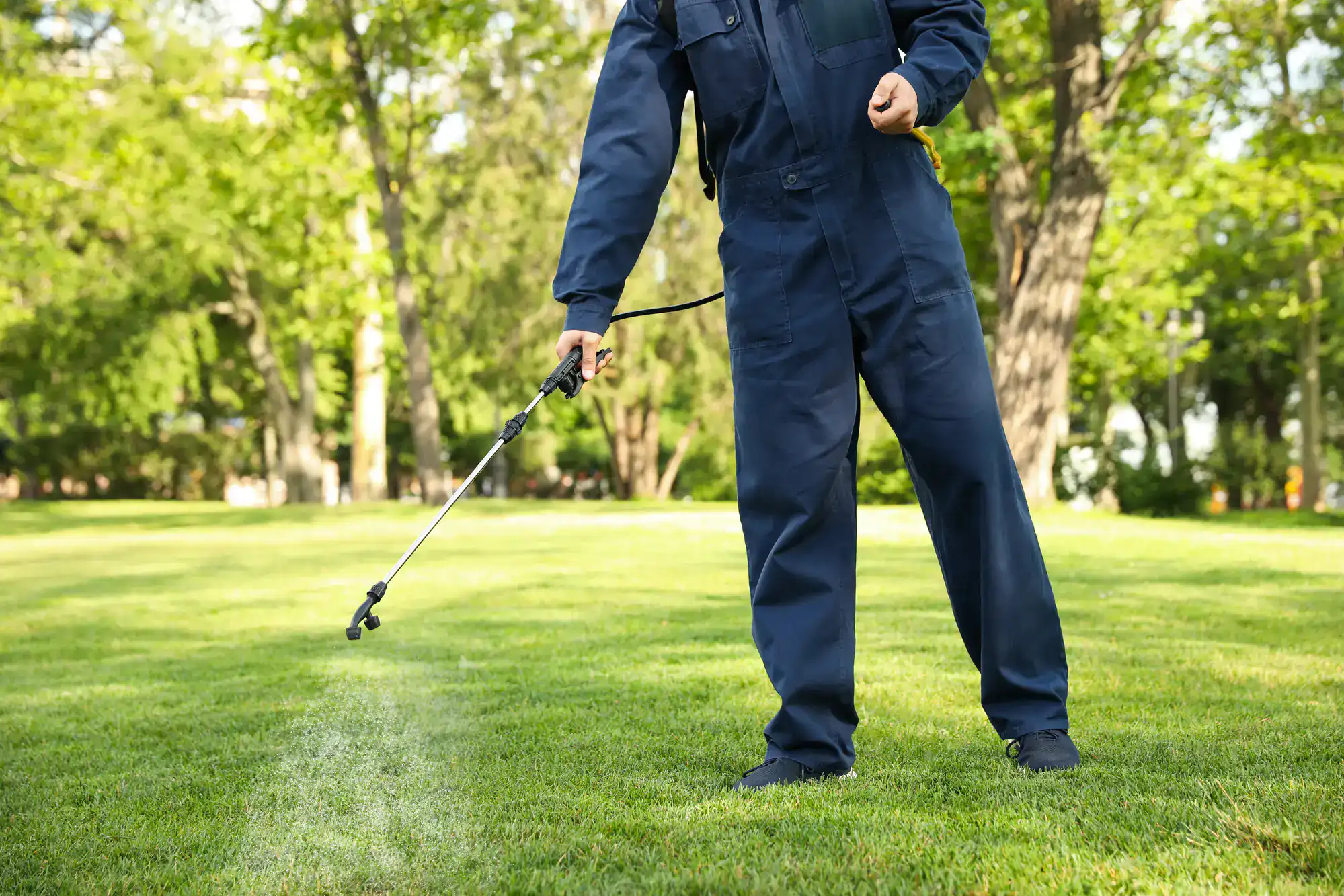
Every technician is a NYS DEC-licensed pesticide applicator. That’s a legal requirement in New York, and one that a surprising number of operators quietly skip. You’re not getting a labor crew with a spreader. You’re getting trained, certified professionals who know exactly what they’re applying and why.
Our trucks are fully wrapped, the fertilizer is custom-blended specifically for Lawn Master and calibrated for Long Island’s soil, and every job carries owner-level accountability. That’s not a promise it’s how we’ve operated for nearly four decades.
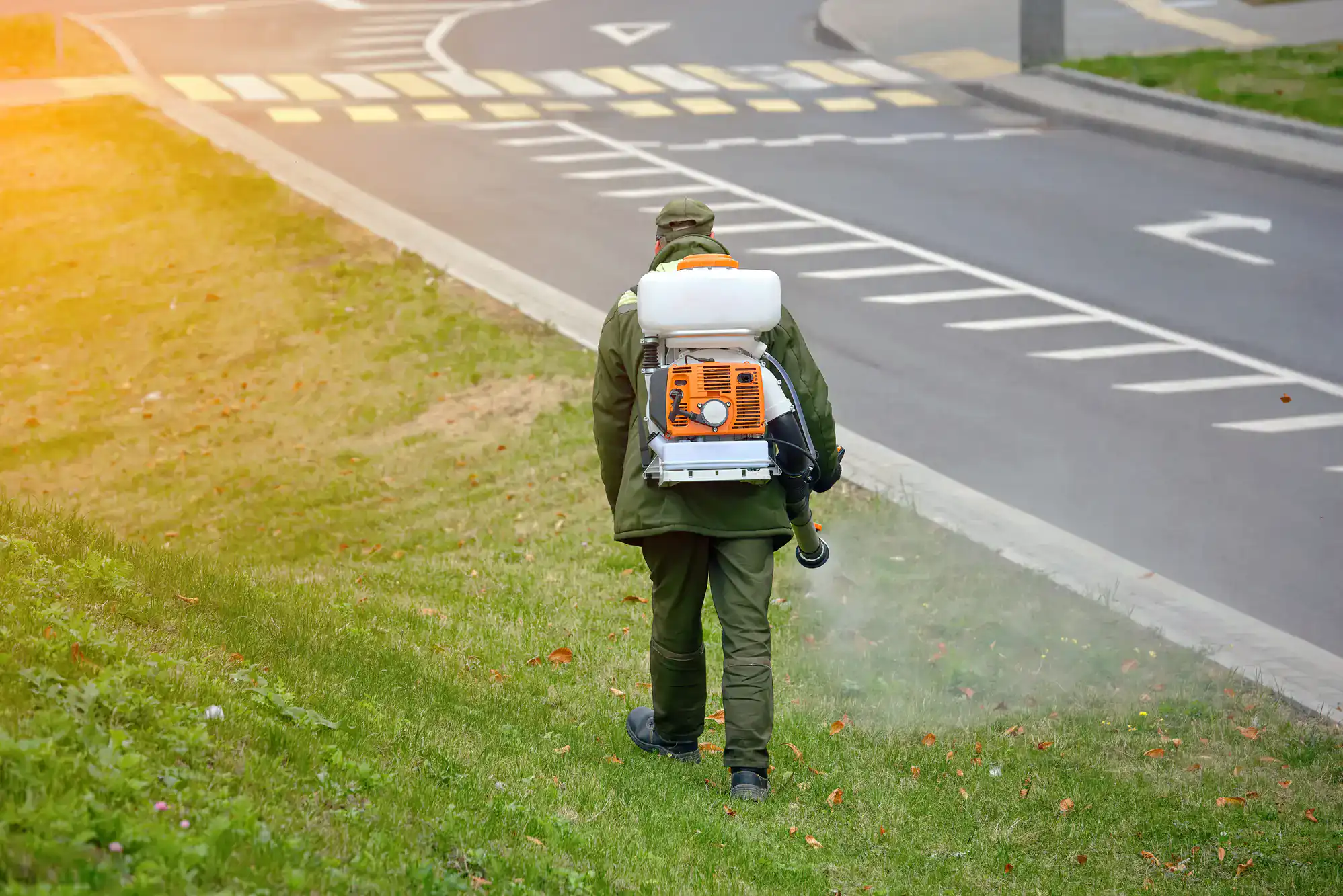
It starts with understanding your lawn not just what it looks like right now, but what’s causing the problems. Shade coverage, soil compaction, grass type, weed pressure, and how the property drains all factor into the program before we apply anything. For Fort Salonga properties specifically, that assessment often turns up compaction from dense tree root systems and nutrient deficiencies in soils that don’t retain fertilizer the way lighter substrates do.
From there, we schedule treatments around what actually works in this climate and within Suffolk County’s regulatory calendar. The county’s fertilizer blackout period runs November 1 through April 1 any company that doesn’t build their schedule around that is either cutting corners or doesn’t know the rules. Our programs are fully compliant and designed to make the most of the active growing windows, especially fall, which is the most critical season for cool-season turf recovery and overseeding on Long Island.
If the lawn needs more than maintenance bare patches, grub damage, thinning turf under heavy shade we handle restoration and new lawn installation from seed. Our hydraulic aerators and seeders handle the heavy lifting on larger lots where consumer equipment doesn’t produce real results. You see the difference by the following spring.
Ready to get started?
Every program we run in Fort Salonga is built from scratch for that specific lawn. Our fertilizer is a custom blend made specifically for Lawn Master not a national brand product pulled off a shelf and it’s calibrated for Long Island’s soil chemistry, including the denser, clay-influenced North Shore profiles common to this area. That matters because fertilizer that works on sandy South Shore soil releases differently here, and a program that ignores that will show mediocre results no matter how many times we apply it.
Our core services include fertilization, weed control, core aeration, overseeding, grub control, and full lawn restoration and new lawn installation from seed. Nutsedge and bentgrass two of the most persistent problems on Long Island’s shadier, moister properties are treated with targeted programs that generic lawn care doesn’t address. For waterfront and near-waterfront properties in the Crab Meadow area, salt air stress on turf is factored into our product selection and application timing.
We also handle the compliance side. New York State prohibits phosphorus in lawn fertilizer unless a soil test confirms deficiency, and Suffolk County’s blackout period carries fines up to $1,000 for violations. Your program stays on the right side of both because we’ve been operating in this regulatory environment since before most of the current rules existed.
This is one of the most common issues on Fort Salonga’s larger, wooded lots and it’s usually a combination of three things working against the turf at the same time. Dense shade from mature oak and maple canopy reduces photosynthesis, which means the grass is already under stress. Then you add root competition: those same trees are pulling water and nutrients from the soil before the grass can access them. Layer compaction on top of that which is common in North Shore soils with higher clay content and you have conditions where standard fertilization alone won’t move the needle.
The fix isn’t just overseeding. It’s core aeration to relieve compaction, the right shade-tolerant grass variety for the specific light conditions under that canopy, and a fertilization program that accounts for root competition. Timing matters too fall is the window when cool-season grasses establish best on Long Island, so restoration work done in September and October shows up clearly the following spring. Skipping the aeration step or using the wrong seed mix is why many attempts to fix shaded bare spots fail.
New York State requires anyone applying pesticides including herbicides and fertilizers classified as pesticide products to ornamental and turf for hire to hold a NYS DEC pesticide applicator license. This involves completing a 30-hour training course and passing a state exam. It’s not optional, and it’s not a minor technicality. An unlicensed applicator treating your lawn is doing so illegally, and if something goes wrong damaged turf, chemical drift, a compliance issue you may have limited recourse.
The simplest way to verify is to ask directly: are your technicians NYS DEC-licensed pesticide applicators? A legitimate company will answer immediately and specifically. If you get a vague response about “trained staff” or “certified professionals” without referencing the actual license, that’s worth following up on. Every Lawn Master technician holds the required NYS DEC license it’s a baseline standard, not a selling point, but it’s one that not every provider in the Fort Salonga market meets.
Suffolk County prohibits fertilizer application from November 1 through April 1 each year. The regulation exists because Long Island sits over a sole-source aquifer every drop of drinking water on the island comes from groundwater and nitrogen runoff from dormant-season fertilizer applications goes directly into that water supply without the grass absorbing it. Violations carry fines up to $1,000.
What this means practically is that your lawn care calendar has a hard stop in late October and doesn’t restart until April. A professional program accounts for this by front-loading the most important fall treatments fertilization, aeration, and overseeding before the blackout begins, so the lawn goes into winter in the best possible condition. Any company that isn’t building their schedule around this regulation either doesn’t know Suffolk County’s rules or is choosing to ignore them. Either way, it’s a problem you don’t want to inherit.
For cool-season grasses which is what most lawns in Fort Salonga and throughout Suffolk County are seeded with fall is the single most important window of the year. Soil temperatures in September and October are still warm enough to support seed germination and root development, air temperatures have dropped below the summer stress threshold, and rainfall patterns are more consistent than the dry summer months. That combination creates ideal conditions for overseeding, aeration, and fertilization to produce real, lasting results.
What you do in September and October is what your lawn looks like the following May. A fall program done right means thicker turf going into winter, better root depth, and a lawn that greens up faster and more evenly in spring. A fall program skipped or delayed means you’re playing catch-up all the following season. Given Suffolk County’s fertilizer blackout starting November 1, the active fall window is shorter than most homeowners realize which is why scheduling matters.
The core difference is specificity. National companies like TruGreen operate on standardized programs designed to be scalable across thousands of markets which means the program applied to your Fort Salonga property is built around national averages, not North Shore soil conditions, not the clay-influenced ground common to this area, and not the shade and compaction challenges that define most of the larger wooded lots here. When results are mediocre, the feedback loop back to a national call center is slow, and the technician who shows up next visit often has no context for what was done before.
We’ve been in Suffolk County since 1987. Our fertilizer is custom-blended for Long Island’s soil profile not purchased from a national supplier and applied uniformly. Every technician is NYS DEC-licensed. Our trucks are local, the accountability is direct, and if something isn’t working, the response isn’t a customer service queue. For a property where the lawn is a meaningful part of a significant investment, that difference in accountability is real.
In most cases, yes but the honest answer depends on what’s actually going on beneath the surface. A lawn that looks rough after years of neglect usually has a combination of compaction, thatch buildup, weed establishment, and depleted soil nutrients. None of those are permanent problems, but they don’t respond to a single treatment. Restoration takes a sequenced approach: relieve the compaction first through core aeration, address the weed pressure, introduce the right grass varieties for the specific light and soil conditions on that property, and then build a fertilization program that supports recovery over multiple seasons.
For Fort Salonga properties specifically, neglected lawns under heavy shade or on larger lots with significant tree root competition take longer to restore than open, sun-exposed turf but they do respond when the program is designed correctly. We handle full lawn restoration and new lawn installation from seed, so if the turf is too far gone to rehabilitate, starting fresh is an option. The assessment at the beginning of the process determines which path makes more sense for your specific property.
Useful Links
Other Services we provide in Fort Salonga