Hear from Our Customers
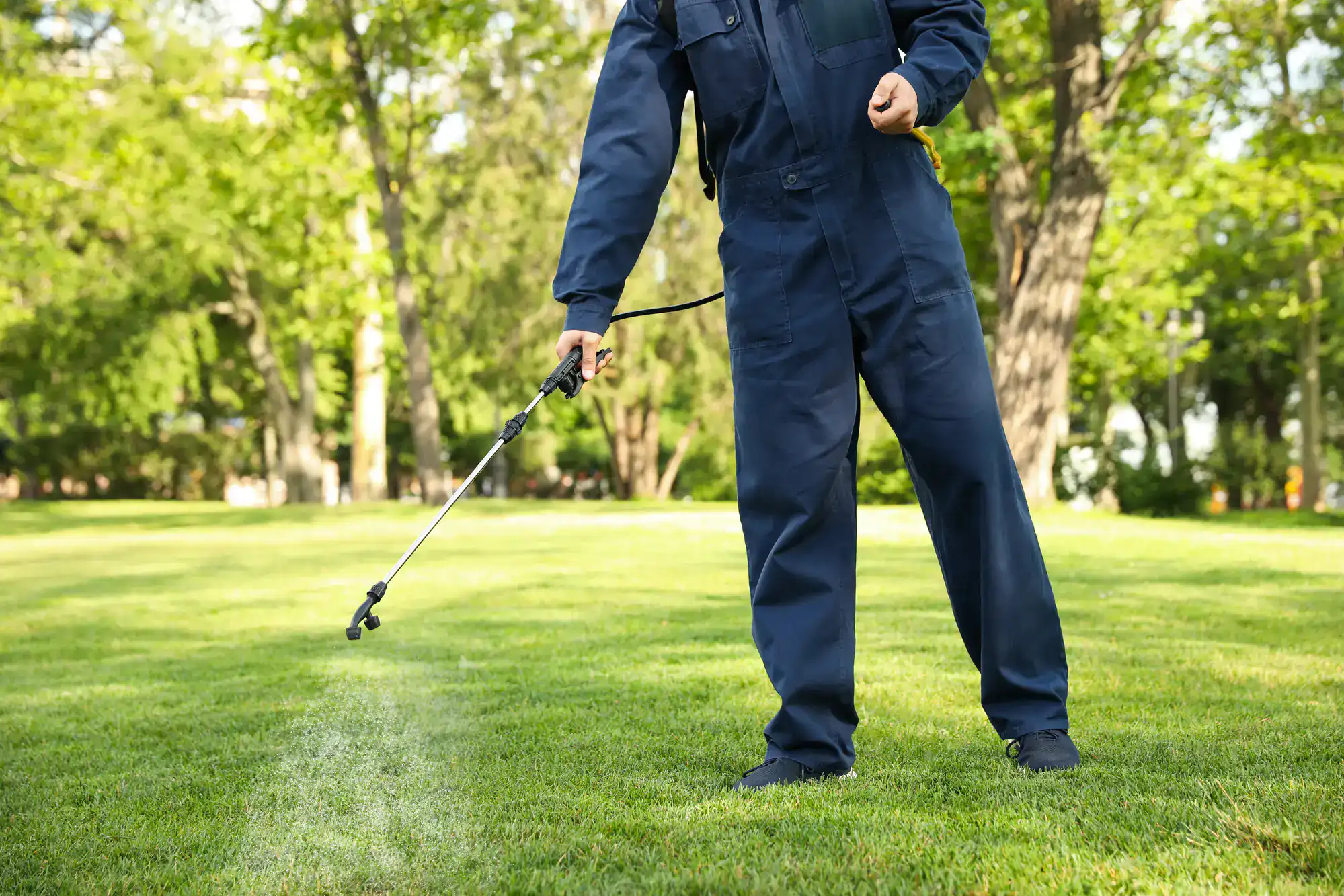
There’s a difference between a lawn that’s being maintained and one that’s genuinely thriving. When your program is built around your specific property your soil, your shade, your salt exposure, your grass type the results show up in ways that a generic plan simply can’t produce. Thicker turf. Fewer bare spots. Weeds that stop coming back season after season.
Blue Point’s housing stock is mostly mid-century homes built in the 1940s and ’50s with lawns that have decades of compaction, thatch, and wear layered into them. That kind of history doesn’t respond to a standard six-step program. It responds to aeration timed for fall’s prime growing window, overseeding with varieties that can handle coastal humidity, and a fertilizer blend that actually stays in sandy soil long enough for roots to use it.
Living a few blocks from Corey Beach or along a street that catches bay breezes means your lawn faces salt stress that inland communities simply don’t deal with. Salt pulls moisture out of grass blades and disrupts nutrient uptake at the root level. When that’s factored into your program from the start not treated as an afterthought your lawn stops struggling through summer and starts carrying its color all the way into fall.
We’ve been treating lawns in Blue Point and throughout Suffolk County since 1987. The South Shore communities Blue Point, Bayport, Sayville, Patchogue aren’t locations we’re expanding into. They’re ground we’ve been covering for nearly four decades. That tenure means something when you’re dealing with coastal soil, bay-side humidity, and a fertilizer blackout law that carries a $1,000 fine if your provider doesn’t know it applies from November 1st through April 1st.
Every technician on our team holds a NYS DEC pesticide applicator license a credential that requires a 30-hour training course and a state exam to earn. That’s not the industry standard. It’s ours. When one of our five fully wrapped trucks pulls up to your Blue Point property, you know exactly who’s there and that they’re legally qualified to do the work.
The program your neighbor is running down the street isn’t the same one you need. We build each plan around what your specific lawn actually requires not a ZIP code template, not a regional default.
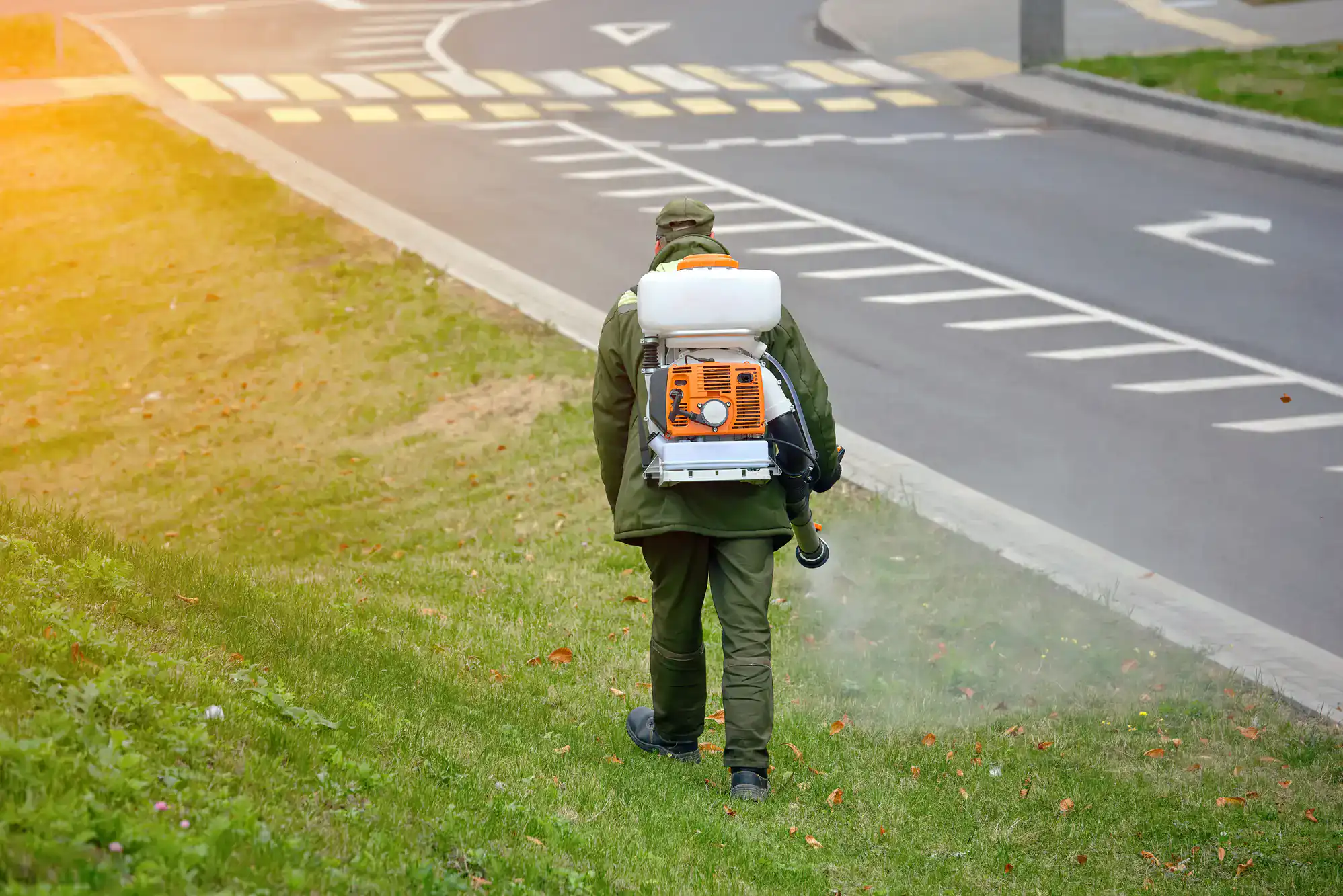
It starts with an assessment of your actual property. Grass type, soil condition, shade coverage, weed pressure, proximity to water, and any prior treatment history all factor into what your program looks like. For a Blue Point lawn, that also means accounting for salt exposure and the sandy outwash soil that drains nutrients faster than most fertilizer schedules are designed for. You don’t get a generic plan handed to you you get one that reflects what’s actually happening in your yard.
From there, treatments are scheduled around what the science and the season call for. On Long Island, cool-season grasses come back to life when soil temperatures hit around 55 degrees typically mid-April and the most critical growth window of the year opens up in September and October. Fall is when aeration and overseeding do their best work, and our hydraulic aerators pull deeper, more consistent cores than the consumer equipment most operators use. That matters on compacted, mature soil that’s been walked on for 70 or 80 years.
Suffolk County’s fertilizer blackout runs November 1st through April 1st, and every application on your calendar is planned around that. Nothing goes down during dormancy. Everything is timed to when your grass can actually use it protecting your lawn, staying within the law, and keeping nutrients out of the groundwater and the Great South Bay.
Ready to get started?
Our programs cover the full range of what a Suffolk County lawn needs to perform fertilization with a custom-blended formula made specifically for Long Island’s soil chemistry, targeted weed control, grub prevention, and fungal disease management. Japanese beetle grubs are a documented issue throughout South Shore communities, and coastal humidity from the bay creates real pressure for diseases like brown patch and dollar spot. Both are factored into your program, not treated as optional add-ons you have to ask for.
The custom fertilizer blend we use isn’t something you can buy off a shelf. It was formulated specifically for our programs and calibrated for the sandy, fast-draining soil that dominates Long Island lawns. That means nutrients are released at rates your soil can actually hold not washed past the root zone into the water table before your grass gets any benefit from them.
For lawns that are beyond routine maintenance storm damage, severe grub infestation, years of neglect, or the aftermath of a previous company’s bad work we also handle full lawn restoration and new lawn installs from seed. Most treatment companies stop at maintenance. When your lawn needs to be rebuilt from the ground up, the same team that maintains it can do that too.
Suffolk County prohibits fertilizer applications between November 1st and April 1st no exceptions, and violations carry fines up to $1,000. The blackout period exists because cool-season grasses go dormant when soil temperatures drop below 55 degrees. Fertilizer applied to a dormant lawn doesn’t feed anything it leaches into groundwater or runs off into waterways like the Great South Bay, which sits directly adjacent to Blue Point.
The practical window for productive fertilization on a Blue Point lawn runs from mid-April through late October, with early September being the ideal time for a fall application. That fall window is critical it’s when cool-season grasses are actively growing again and can actually absorb what you’re putting down. Any lawn care company working in Suffolk County should know this schedule cold. If yours doesn’t, that’s worth paying attention to.
The Great South Bay is the biggest factor most lawn care companies overlook when they’re treating Blue Point properties. Salt air off the water deposits on grass blades and draws out moisture, while salt that accumulates in the soil interferes with nutrient uptake at the root level. After a coastal storm or a stretch of strong bay winds, lawns well inland from the water can show salt stress that looks like drought damage or disease.
On top of that, Blue Point’s soil is sandy outwash it drains fast, which means nutrients applied at standard rates often leach past the root zone before grass can use them. Combine that with coastal humidity creating real fungal disease pressure and a housing stock that’s mostly 70 to 80 years old, and you have a lawn environment that genuinely requires a different approach than what works in Farmingville or Centereach. Generic programs don’t account for any of this. A program built for Blue Point does.
If your lawn has thin patches, areas that stay compacted or puddle after rain, or turf that just never seems to fully recover from summer stress, aeration is almost certainly part of the answer. Core aeration physically removes plugs of soil to break up compaction, open up air and water movement to the root zone, and create the seedbed conditions that overseeding needs to take hold. On a Blue Point property built in the 1940s or ’50s, that compaction has had decades to develop it doesn’t fix itself.
Fall is the window to do this work. Soil temperatures in the mid-50s, consistent rainfall, and actively growing cool-season grass make September and October the most productive time of year for aeration and seeding on Long Island. Seed put down in October has the entire fall growing season to establish before winter. Seed put down in spring is competing with weed germination and summer heat almost immediately. If your lawn struggled this past summer, fall aeration and overseeding is the highest-impact single treatment you can make before next year.
The first thing to verify is licensing. New York State requires anyone applying pesticides to ornamental turf for hire to hold a NYS DEC pesticide applicator license a credential that takes a 30-hour training course and a state exam to earn. It is not universally held in the industry, and unlicensed operators are more common than most homeowners realize. If a company can’t confirm that their technicians are licensed, that’s a hard stop.
Beyond licensing, look for a company that actually assesses your property before putting together a program. A lawn care company that quotes you over the phone without seeing your grass type, soil condition, shade situation, or proximity to water is building a plan around assumptions not your lawn. In a community like Blue Point where coastal conditions, sandy soil, and mature housing stock all affect what your lawn actually needs, that gap between assumption and reality shows up fast. Ask how the program is built, who applies it, and whether the same technicians show up consistently.
Salt damage on a Blue Point coastal lawn shows up in a few different ways browning or bleaching of grass blades, thinning in areas that face prevailing bay winds, and general poor recovery after stress periods. The first step is flushing the affected areas with deep watering to move accumulated salt down past the root zone. That alone won’t fix established damage, but it stops the ongoing injury.
From there, the recovery approach depends on how severe the damage is. Mild salt stress responds well to a properly timed fertilization program using a blend formulated for sandy, coastal soil one that releases nutrients at rates the root zone can actually hold. More significant damage, where turf has died out in patches, typically requires aeration to break up the compacted, salt-laden soil, followed by overseeding with salt-tolerant grass varieties. Fall is the right time to do that work in Blue Point the cooler temperatures and consistent rainfall give new seed the best possible environment to establish before winter.
For a community like Blue Point, the honest answer is usually yes and the reason is specificity. National chains build programs around regional averages. Blue Point’s combination of Great South Bay salt exposure, sandy outwash soil, coastal humidity, and mature mid-century housing stock isn’t average. It’s a specific set of conditions that requires a program designed around them, not applied in spite of them.
The other factor is accountability. A national franchise running high technician turnover and a call center for customer service has a fundamentally different relationship with your lawn than a company that’s been operating in Blue Point since 1987, shows up in identified trucks, and employs licensed applicators on every visit. When something isn’t right a missed visit, a treatment question, a lawn that isn’t responding you want to be talking to someone who knows your property and has a real stake in the outcome.
Useful Links
Other Services we provide in Blue Point