
Hear from Our Customers
If your lawn has been on a program and still looks thin, patchy, or overrun with weeds, the program probably wasn’t built for your lawn. It was built for a route. That’s a common story in Lake Grove a homeowner signs up in spring, pays for a full season, and by August the yard looks the same or worse. The problem usually isn’t the lawn. It’s what was applied, when, and whether anyone actually assessed the property before deciding.
Lake Grove sits on Long Island’s glacial outwash soils sandy, fast-draining ground that leaches nutrients faster than most other soil types in the Northeast. A generic fertilizer dumped on that soil in one heavy dose doesn’t stay where it needs to be. It washes through before the grass can use it. A program that accounts for this slow-release formulations, properly timed applications, split treatments produces a lawn that actually responds. One that doesn’t account for it produces frustration.
The other thing worth knowing: Lake Grove’s cool-season turf the tall fescue and bluegrass blends that dominate most yards here has two windows where it really grows and recovers. Spring and fall. Miss those windows with the right treatments, and you’re essentially waiting another year. Get them right, and the difference in your lawn by the following season is hard to ignore.
We’ve been treating lawns in Lake Grove and throughout Suffolk County since 1987. Not landscaping. Not tree service. Not hardscape installs. Lawn care specifically, professionally, and consistently for nearly four decades in this market.
That means the team treating your Lake Grove yard has seen what grub pressure cycles do to central Suffolk County lawns. We know what a dry August followed by a wet September looks like on the turf in this area. We’ve worked through the Suffolk County fertilizer regulations since those rules came into effect, and every program we build is already compliant you don’t have to track any of that. It’s handled.
Our trucks are fully wrapped, our technicians are NYS DEC licensed pesticide professionals, and the fertilizer we use is custom-blended specifically for our programs not sourced from a generic distributor. When you see a Lawn Master truck on a Lake Grove street, that’s not a franchise operation. That’s a local company that has been in this specific market longer than most of our competitors have existed.
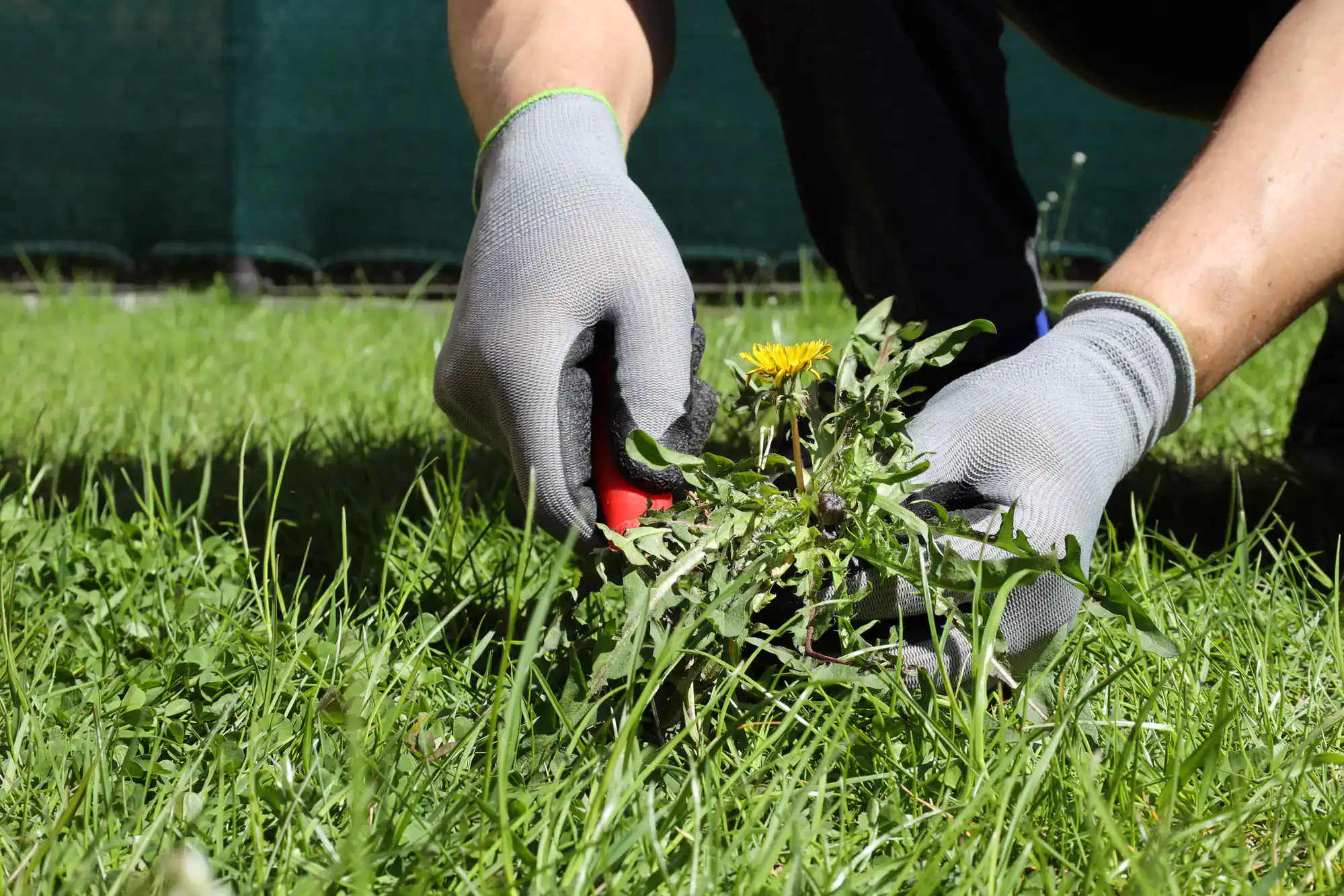
It starts with an assessment not a form you fill out online, but an actual look at your lawn. Sun exposure, shade patterns, soil condition, grass species, problem areas, and anything that’s been done to the lawn previously. A shaded backyard on one of Lake Grove’s quieter residential streets behaves completely differently from a full-sun front lawn facing a busier corridor. The program has to reflect that.
From there, we design a custom treatment schedule using our proprietary fertilizer blend formulated for Long Island’s sandy soils and the specific demands of cool-season turf. Applications are timed around the Suffolk County fertilizer blackout period, which runs from November 1 through April 1, and around the two windows spring and fall when your lawn is actually positioned to respond. Treatments applied outside those windows, or at the wrong rates for your soil type, are largely wasted.
If your lawn needs more than maintenance if there’s compaction, thin coverage, grub damage from a previous season, or sections that have never really established we address that too. Our hydraulic aerators penetrate three to four inches into compacted soil, which is meaningfully deeper than the drum aerators most companies use. Overseeding follows aeration when needed, and full restoration programs are available for lawns that have been neglected or damaged. The goal at every step is a lawn that actually improves not one that just gets serviced.
Ready to get started?
Every program starts with fertilization using our custom-blended product a formulation built specifically for our programs and for Long Island’s soil conditions. This isn’t a bag pulled from a distributor’s inventory. It was developed for these soils, these grass types, and this climate. That distinction matters more than it sounds, especially on the sandy outwash soils that dominate Lake Grove and most of central Suffolk County.
Weed control, grub prevention, and disease management are worked into programs based on what your lawn actually needs. Suffolk County has real grub pressure cycles, and central Suffolk County yards including many in Lake Grove have seen significant turf damage during peak years. Catching that early with a properly timed preventive application is far less costly than trying to restore a lawn after the damage is done. Licensed technicians make those calls on-site, not from a call center.
For lawns that need structural work, we offer core aeration and overseeding using hydraulic equipment that actually reaches the compaction layer. If you’re starting from a difficult position years of deferred care, prior damage, or a lawn that’s never looked the way you wanted we also provide full restoration and new lawn installs from seed. Online credit card payment is available, which matters when you’re commuting 40-plus minutes each way and don’t want to deal with paper invoices.
The most common reason is soil. Lake Grove sits on glacial outwash sandy, well-drained ground that doesn’t hold nutrients the way clay-based soils do. When nitrogen gets applied in a single heavy dose, a significant portion of it leaches below the root zone before the grass can actually absorb it. The lawn gets treated, nothing much changes, and the homeowner assumes the fertilizer didn’t work. In most cases, the fertilizer worked fine it just wasn’t the right formulation for this soil type, or it wasn’t timed correctly.
The fix is a slow-release nitrogen formulation applied in properly timed splits across the season, with attention to pH as well. Long Island soils trend acidic, and when pH drops below 6.0, nutrients become less available to the plant regardless of how much fertilizer you put down. A program that addresses both the formulation and the pH with lime applications when needed typically produces visible improvement within a single season.
A simple test: push a screwdriver into your lawn. If it goes in easily to four or five inches, compaction probably isn’t your primary issue. If it stops at one or two inches, your soil is compacted enough that fertilizer and water aren’t moving through the root zone the way they need to. In that case, fertilizing without aerating first is like watering a sponge that’s been sealed in plastic the inputs are there, but they can’t get where they need to go.
In established neighborhoods like Lake Grove, compaction is extremely common. Decades of foot traffic, vehicle activity near curbs and driveways, and construction over the years compress the soil layer. We use hydraulic aerators that pull cores three to four inches deep not the lightweight drum equipment that barely scratches the surface. After aeration, water infiltration improves, roots grow deeper, and the lawn becomes significantly more responsive to fertilization. For many lawns in this area, aeration is the single most impactful thing you can do in a given year.
Suffolk County prohibits the application of nitrogen and phosphorus fertilizer to turf between November 1 and April 1. Violations carry fines of up to $1,000 per application. There are also restrictions on phosphorus use unless a soil test confirms a deficiency, and buffer zones apply near water bodies and storm drains. These aren’t obscure rules they’re actively enforced, and they exist specifically to protect the Long Island aquifer, which supplies drinking water for all of Suffolk County.
For your lawn program, this means the fall application window closes at the end of October, and the spring program can’t begin until April. Timing within those windows matters. A late-October application before the blackout hits is one of the most valuable treatments of the year for cool-season turf it feeds the root system through winter dormancy and sets the lawn up for a strong spring green-up. We build every program around this calendar automatically. You don’t have to track the regulations or worry about compliance that’s already handled.
For a standard cool-season lawn in Suffolk County, a well-designed program typically involves five to six treatments per year spaced to hit the key growth windows in spring and fall, with summer applications timed carefully to avoid stressing heat-affected turf. Some programs run fewer applications at higher rates, which tends to produce less consistent results on Long Island’s sandy soils because of how quickly nutrients move through the ground.
The number of visits matters less than the timing and formulation. A company that shows up six times with the wrong product at the wrong rates isn’t doing more for your lawn than one that shows up four times with the right program. What you want is a company that can explain what they applied, why they applied it at that time, and what to expect before the next visit. If the technician treating your lawn can’t answer those questions on the spot, that’s worth knowing.
Yes and the sooner, the better. Grub damage in Suffolk County typically becomes visible in late summer and fall, when Japanese beetle and European chafer larvae feed on grass roots just below the soil surface. By the time you see large brown patches that pull back like loose carpet, the root system underneath is already gone. The grass isn’t dormant it’s dead in those areas, and it won’t recover on its own.
The good news is that damaged sections can be restored. Aeration followed by overseeding in early fall is the most effective recovery approach for cool-season turf, and our hydraulic equipment gives new seed the best possible contact with the soil. Preventive grub treatments applied in late spring or early summer before the larvae hatch and begin feeding are significantly more effective than curative treatments applied after damage appears. If your lawn took a hit from grubs last season, fall restoration combined with a preventive program the following year is the right sequence.
The most practical difference is accountability. National franchise operations grow by adding accounts and technicians. The result is rotating crews who don’t know your lawn’s history, customer service routed through a call center with no local knowledge, and programs that are built around operational efficiency rather than your specific yard. That model works fine at scale it just doesn’t produce great lawns, and the reviews for those companies in central Suffolk County reflect that consistently.
We’ve been in this market since 1987. Our technicians are NYS DEC licensed pesticide professionals, not unlicensed labor supervised on paper. Our fertilizer is custom-blended for our programs not pulled from a generic distributor. And our entire focus is Suffolk County residential lawn care, not a national brand managing hundreds of franchise territories. For a homeowner in Lake Grove with a property worth holding onto, that difference shows up in the lawn by the end of the first season.
Useful Links
Other Services we provide in Lake Grove