
Hear from Our Customers
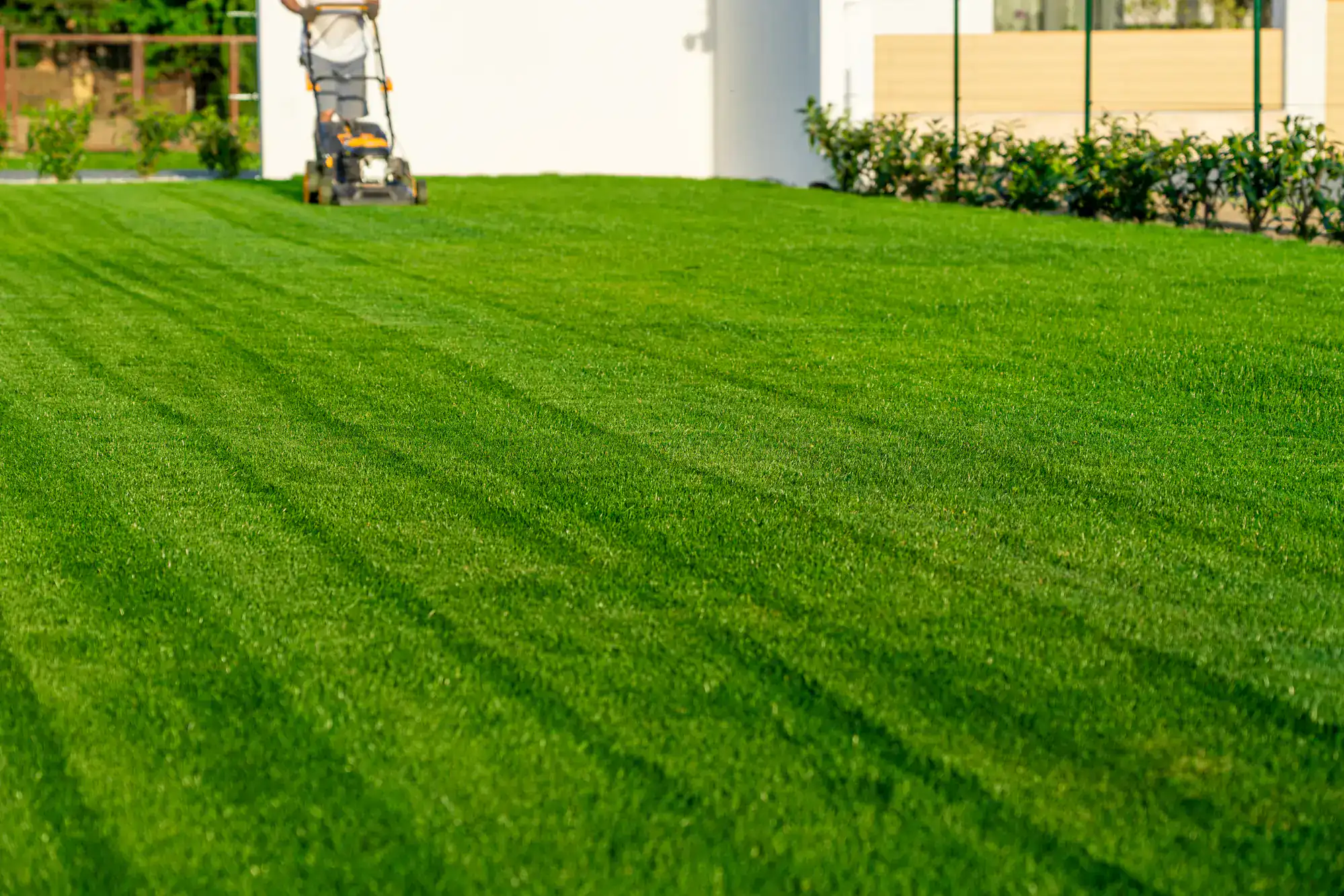
Most lawns in St. James have been through a lot. Decades of freeze-thaw cycles, compacted glacial moraine soil that drains fast and leaches nutrients even faster, and a string of lawn care companies that applied the same program here as they did everywhere else on their route. The result is usually a lawn that never quite gets there thin in spots, weedy in summer, slow to green up in spring.
When your lawn gets a program designed around what it actually needs the right fertilizer timing for North Shore soil that warms 7 to 14 days later than the South Shore, treatments that account for the humidity coming off Long Island Sound, and aeration equipment that actually penetrates compacted soil you start seeing results that hold. Not just for a few weeks after an application, but through the season.
What that looks like in practice is a lawn that fills in, holds color, resists the crabgrass pressure that peaks every summer, and doesn’t get wiped out by grubs the way untreated lawns in this area often do. For a home in St. James worth well over $600,000, that’s not a cosmetic detail it’s protecting an asset and a neighborhood reputation that matters to you.
We’ve been treating lawns in St. James and across Suffolk County since 1987. That’s before most of the companies currently advertising in the Smithtown area even existed. We know what North Shore soil does in a wet April, what a dry August does to turf near the Nissequogue River watershed, and what it takes to bring a neglected lawn back from years of generic treatment or outright damage.
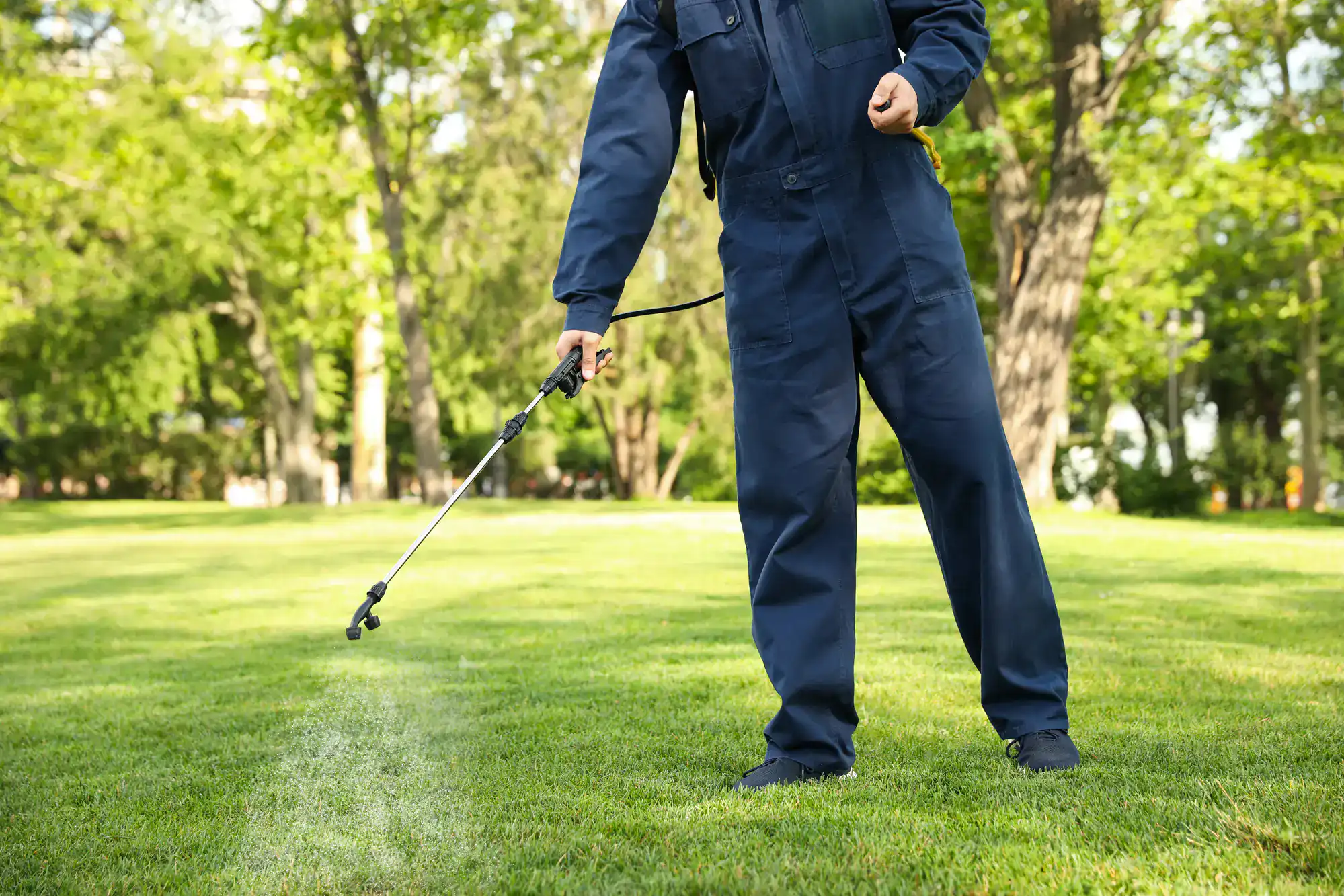
Every technician who applies pesticides on your property holds a NYS DEC Commercial Pesticide Applicator Certificate a state credential that requires real training, a written exam, and supervised field experience. That’s not a given in this industry, and it’s something you should ask every company you’re considering.
Five fully wrapped professional trucks run through St. James and the surrounding Smithtown area regularly. If you’ve driven along Route 25A, you’ve probably seen them. That visibility isn’t accidental it’s what nearly four decades of showing up looks like.
It starts with an actual assessment of your lawn not a quick glance from the truck before pulling the spreader out. We look at your turf type, soil condition, sun exposure, drainage, existing weed pressure, and any problem areas before recommending anything. For lawns in St. James, that assessment almost always includes a close look at compaction and pH, because both issues are common in homes built in the 1970s and older, and both quietly undermine any fertilizer program you put on top of them.
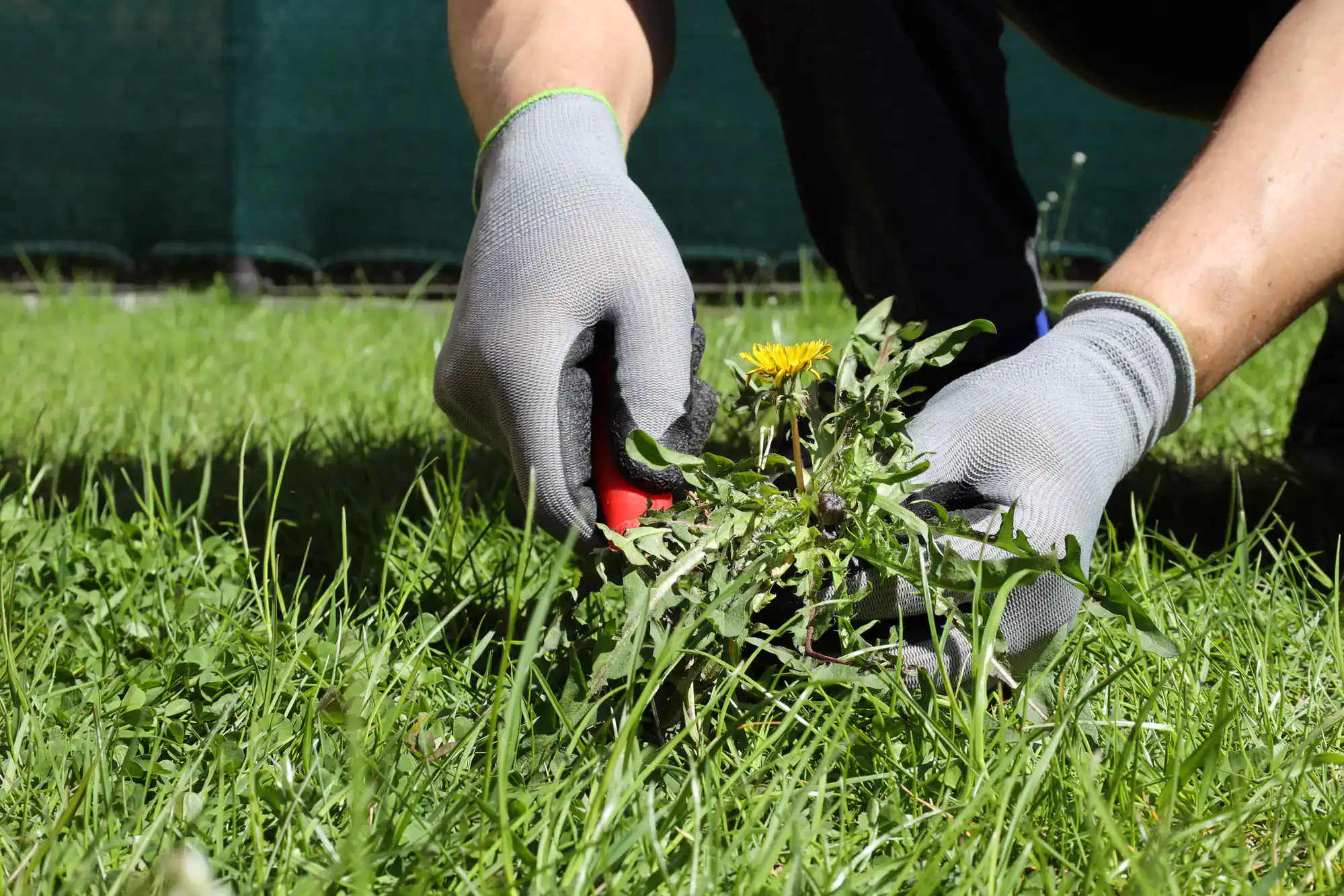
From there, a custom program is built around what your lawn actually needs. Applications are timed to North Shore conditions not a generic calendar that treats every zip code on Long Island the same. Pre-emergent crabgrass control, for example, goes down when your soil temperature is ready, not when it’s convenient. That timing difference matters more than most people realize, and it’s one of the reasons programs from companies that don’t know this area tend to fall short.
Suffolk County’s fertilizer blackout period runs from November 1 through April 1, and every program we build accounts for that from day one. You never have to wonder whether your lawn care company is working within county regulations that’s already handled.
Ready to get started?
Our programs cover the full range of what a North Shore lawn actually needs: multi-application fertilization using a custom-blended formula made specifically for Lawn Master not an off-the-shelf product along with pre-emergent and post-emergent weed control, grub and surface insect prevention, lime applications for pH correction, and disease monitoring for the dollar spot and brown patch that the humid summer air near Long Island Sound tends to bring out.
Core aeration is done with hydraulic aerators, not the lightweight drum equipment most companies use. That distinction matters on compacted glacial soil hydraulic equipment reaches 3 to 4 inches deep, which is what it actually takes to open the soil and let water, air, and nutrients reach the root zone. Overseeding follows with professional-grade seeders that ensure real seed-to-soil contact, not just seed scattered on top of hard ground.
For lawns that are in rough shape whether from grub damage, years of inconsistent treatment, or a previous owner who let things go we offer full lawn restoration and new lawn installs from seed. If you’ve been told your lawn is too far gone, it’s worth getting a second opinion from a company that has been restoring North Shore lawns since before most of its competitors opened their doors.
The most common reason is that the fertilizer program wasn’t designed for North Shore soil conditions. The glacial moraine soils in St. James sandy and gravelly at depth drain quickly, which means nutrients move through the root zone faster than in heavier soils. A generic fertilizer product applied on a generic schedule doesn’t account for that. The nitrogen is there and then it’s gone before your grass can fully use it.
The second issue is usually soil pH. In older homes and most of St. James was built in the 1960s and 70s pH tends to drift below the 6.0 to 7.0 range that cool-season turf needs to absorb nutrients effectively. You can apply the best fertilizer available, and if your pH is off, you’re wasting most of it. A lime application to correct pH is often one of the first things that needs to happen before any fertilizer program will perform the way it should.
Grubs are underground, so you usually don’t see them until the damage is already done. The signs to watch for are patches of turf that feel spongy underfoot, sections that peel back easily like loose carpet, or brown patches appearing in late summer that don’t respond to watering. You may also notice increased bird activity or skunks digging at the lawn they’re after the grubs.
In Suffolk County, Japanese beetle and European chafer larvae are the primary culprits, and populations of 10 or more grubs per square foot are enough to kill significant sections of turf in a single season. The window for preventive grub control is late spring to early summer, before the larvae hatch and begin feeding. Waiting until you see the damage means you’re already dealing with a restoration situation rather than a prevention one. If you’re not sure whether your lawn has a grub issue, an assessment can tell you what you’re actually dealing with before you commit to a treatment.
Fall is the best window for aeration and overseeding in St. James, and it’s also the most important treatment season for cool-season turf overall. The target range is late August through mid-October soil temperatures are still warm enough to support germination, the worst of the summer heat has passed, and you have enough growing time before the ground freezes for seed to establish.
Spring aeration is possible, but it comes with a trade-off: if you’re applying pre-emergent crabgrass control in the spring, aeration will break the barrier that pre-emergent creates, and you’ll end up with a crabgrass problem by July. Most lawns in St. James are better served by a spring weed control and fertilization program, with aeration and overseeding saved for fall. If your lawn is in rough enough shape that it needs both, that’s a conversation worth having so you can sequence the treatments correctly.
A professional program covers the full cycle of what cool-season turf needs across the season pre-emergent weed control in spring, fertilization timed to your soil’s actual conditions, post-emergent weed treatment as needed, grub prevention in early summer, and fall applications that support root development going into winter. Each visit also includes a visual assessment of the lawn, so if something is developing a disease patch, an insect issue, a drainage problem it gets flagged before it becomes a bigger problem.
The difference between that and a DIY approach isn’t just the products, though the products do matter. It’s the timing, the sequencing, and the ability to read what’s happening in the lawn and adjust. Big-box fertilizers are formulated for average conditions across a wide geography. We use a custom-blended fertilizer made specifically for our programs and for Long Island soil that’s not something you can pick up at a hardware store. For a property in St. James, where the investment in the home is significant and the neighborhood standard is high, a professional program is a different category of service than DIY, not just a more expensive version of the same thing.
TruGreen operates in Suffolk County, and their name recognition is real. But the reviews from homeowners in the Smithtown area tell a consistent story: different technicians every visit, no continuity of knowledge about the property, customer service routed to a national call center that has no familiarity with your lawn or your neighborhood, and programs that don’t adjust to local conditions. For a lawn in St. James where soil timing, humidity-driven disease pressure, and North Shore-specific conditions actually affect how a program should be built that one-size approach tends to underdeliver.
A local operator who has been treating lawns in St. James since 1987 brings something a national franchise can’t replicate: institutional knowledge of what Long Island’s North Shore soil does across seasons, what problems cycle through this area, and what it takes to get results here. That’s not a knock on TruGreen for existing it’s just an honest look at what you’re comparing when you’re deciding who to trust with a property worth well over half a million dollars.
For a standard residential lot in St. James typically 5,000 to 10,000 square feet a five or six-application lawn care program generally runs in the range of $400 to $800 per year. If your lawn needs additional services like core aeration, overseeding, grub control, or lime applications, a more complete program can reach $1,000 to $1,500 or more depending on what the lawn actually requires.
The more useful question is what you’re getting for that investment. A program that costs $350 and doesn’t account for your soil’s pH, doesn’t time applications to North Shore conditions, and sends a different unlicensed technician every visit is a different product than one built around your specific lawn by certified professionals who know this area. In a community like St. James, where home values are high and curb appeal is visible to neighbors, the difference between a lawn that looks good and one that doesn’t is worth more than the gap between a cheap program and a real one.
Useful Links
Other Services we provide in St. James