
Hear from Our Customers
When your soil is compacted, water sits on the surface, fertilizer never reaches the roots, and your grass struggles through every season no matter what you do. Core aeration breaks through that barrier pulling plugs from the ground and opening channels so air, water, and nutrients can get where they need to go. The result is thicker turf, deeper roots, and a lawn that actually responds when you invest in it.
For Blue Point homeowners, this matters more than it does in most places. The land south of the Ronkonkoma Moraine which includes all of Blue Point sits on glacial outwash, a sandy loam that drains fast but compacts steadily under foot traffic and mowing pressure. Homes here were built largely in the 1950s and 60s, which means many of these lawns have been under that pressure for 50 to 70 years. That kind of compaction doesn’t respond to fertilizer or watering alone. It needs mechanical intervention.
Living near the Great South Bay adds another layer. Salt air, coastal humidity, and the occasional storm stress turf and slow recovery. A lawn with open, functioning soil bounces back from that stress. A compacted one doesn’t. If your grass has looked thin or tired for years and nothing seems to help, compaction is almost always part of the reason and aeration is where the fix starts. For families using their yards, our Blue Point flea and tick control keeps things safe.
We’ve been working in Suffolk County since 1987. That’s not a marketing line it means we were restoring lawns on the South Shore before most of our current competitors were in business. We know what the soil here does across seasons, what cool-season grasses need to recover on the outwash plain, and what actually works versus what just looks good on a flyer.
Every job comes with a licensed pesticide professional on site not a seasonal crew running through a checklist. New York State requires commercial applicators to pass NYSDEC certification exams and maintain active licensure, and we hold that standard on every visit, not just the estimate. That matters when someone is applying product near your property and near the Great South Bay.
From Harbour at Blue Point to The Vineyards to the older lots along Blue Point Avenue, we’ve worked on properties across this community. The fleet of five wrapped trucks you’ll see throughout Bayport-Blue Point isn’t decoration it’s what an organized, established operation looks like when it’s built to last. A complete new lawn installation for Blue Point homes can be the better long-term choice.
It starts with an honest look at your property. Before anything gets scheduled, we assess your lawn’s specific condition compaction level, thatch depth, grass type, shade patterns, and how close you are to the bay. Blue Point’s older housing stock means a lot of these lawns have layered issues that built up over decades, and a one-size program won’t address them. What you get is a plan written for your lawn, not a package pulled off a shelf.
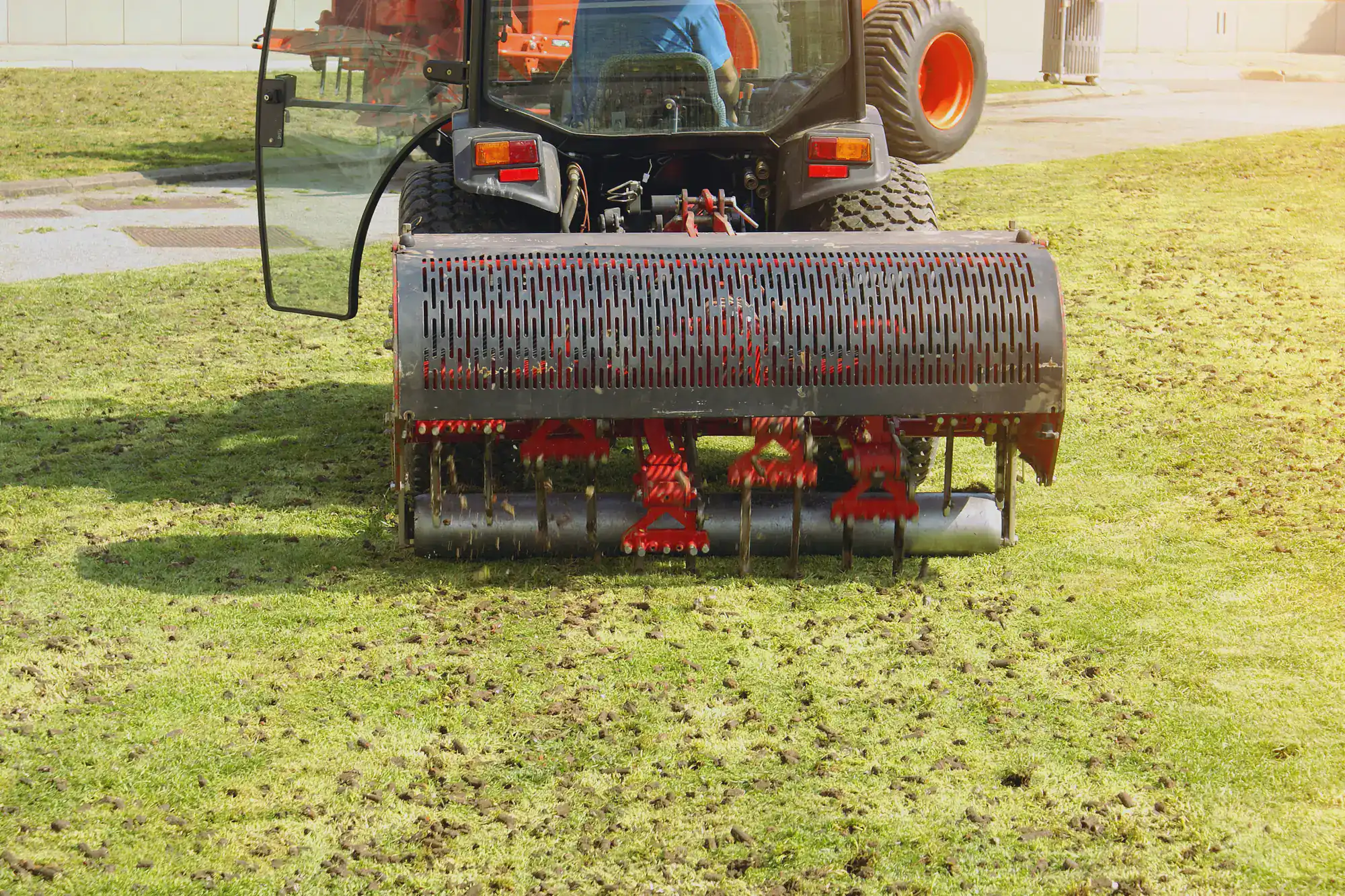
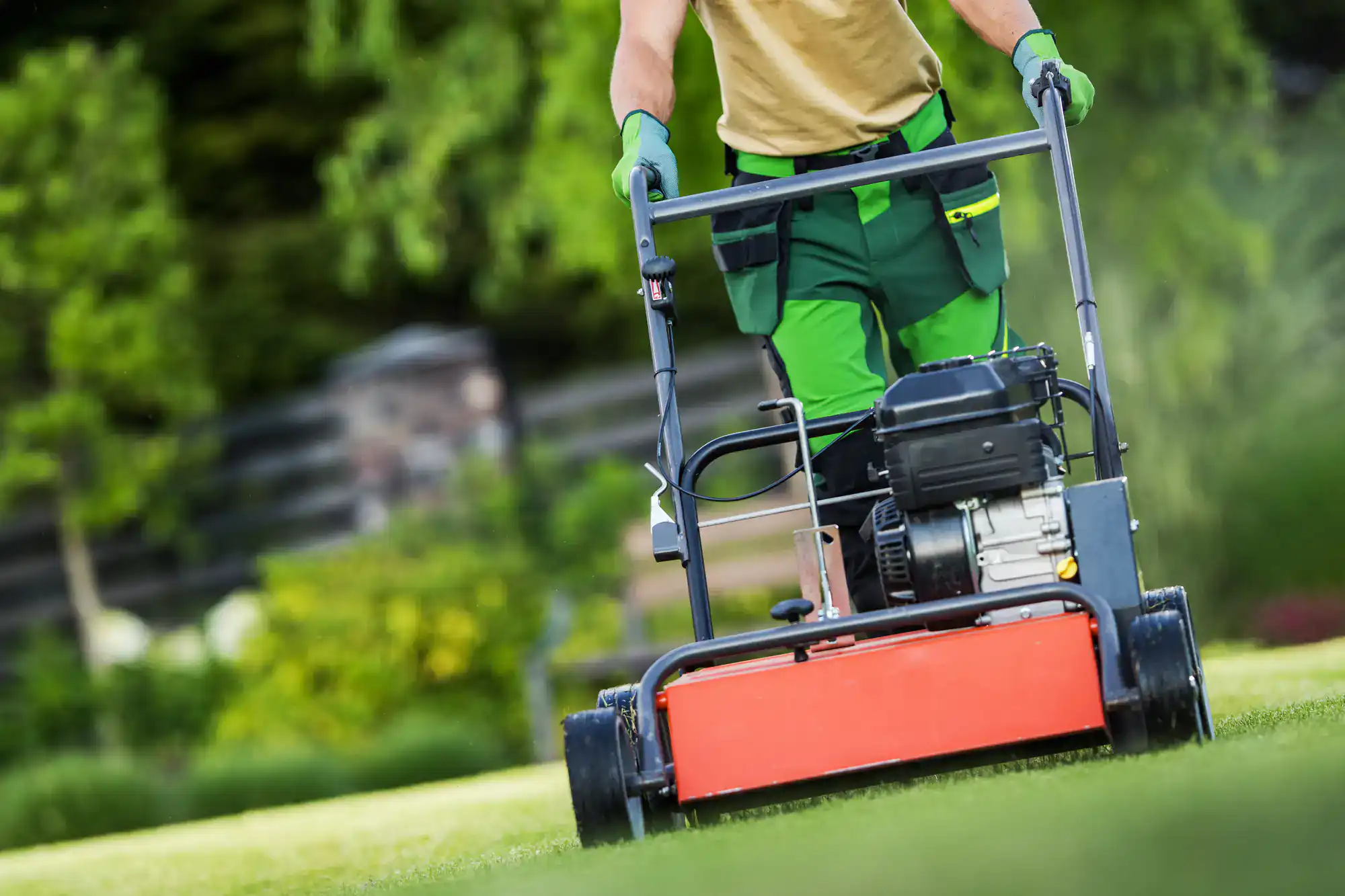
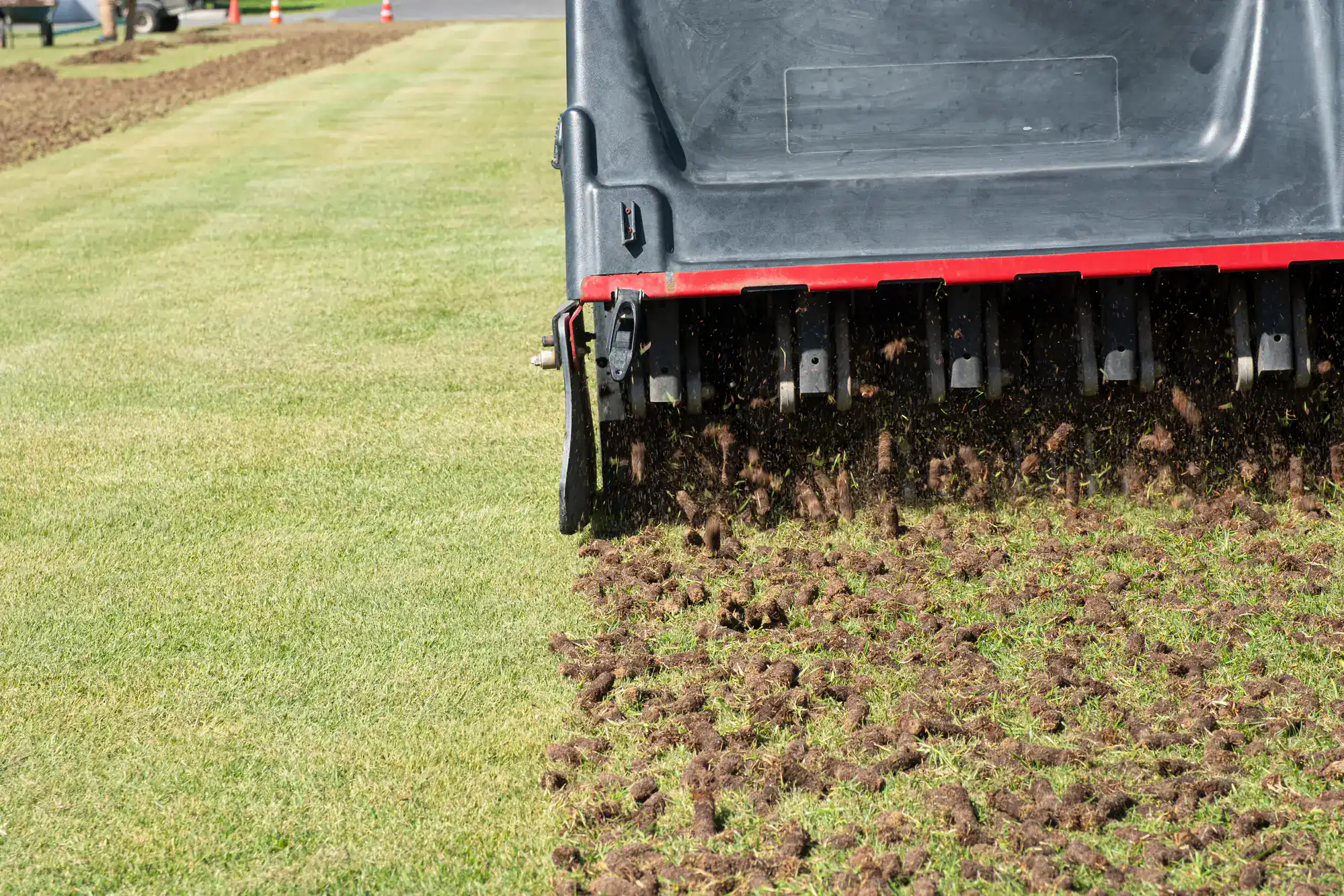
On the day of service, we use hydraulic core aerators professional-grade machines that pull deeper, cleaner plugs than the walk-behind units you’d rent from a hardware store. On the compacted sandy loam of the South Shore, that equipment difference is real. The cores get pulled and left on the surface, where they break down naturally over a couple of weeks and return organic matter back into the soil. If overseeding is part of the plan, seed goes down immediately after the open channels give it direct soil contact, which is what drives germination.
Timing is built into the process deliberately. For Blue Point’s cool-season grasses tall fescue, Kentucky bluegrass, perennial ryegrass the window runs from late August through mid-October. Suffolk County’s fertilizer ban kicks in November 1, so any fall program that pairs aeration with fertilization has to be wrapped up before that deadline. We plan for it. We don’t leave you scrambling to find a company in the last week of October.
Ready to get started?
Core aeration with us isn’t a standalone punch on a service menu. It’s part of a program built around what your lawn specifically needs. That means before any equipment rolls, there’s a real assessment soil type, compaction depth, grass variety, existing thatch, and the condition of your irrigation system if you have one. Sprinkler heads get marked before the aerator runs. That’s a standard step that a lot of operators skip, and it’s the kind of detail that separates a professional crew from a cheap one.
The aeration itself is done with hydraulic equipment that handles the dense, compacted outwash soils common throughout Blue Point. After the cores are pulled, our custom-blended fertilizer formulated specifically for Long Island’s soil chemistry, not a generic product off a distributor’s shelf can be applied as part of a fall program, provided it’s scheduled before Suffolk County’s November 1 application deadline. Miss that window and you’re waiting until April.
For lawns that are past the point of annual maintenance, we also offer overseeding, full lawn renovation, and new lawn installs from seed. If you’ve been fertilizing and watering for years with nothing to show for it, the conversation about what your lawn actually needs starts with a call. Pricing depends on your property’s square footage and condition the best way to get an accurate number is to reach out directly.
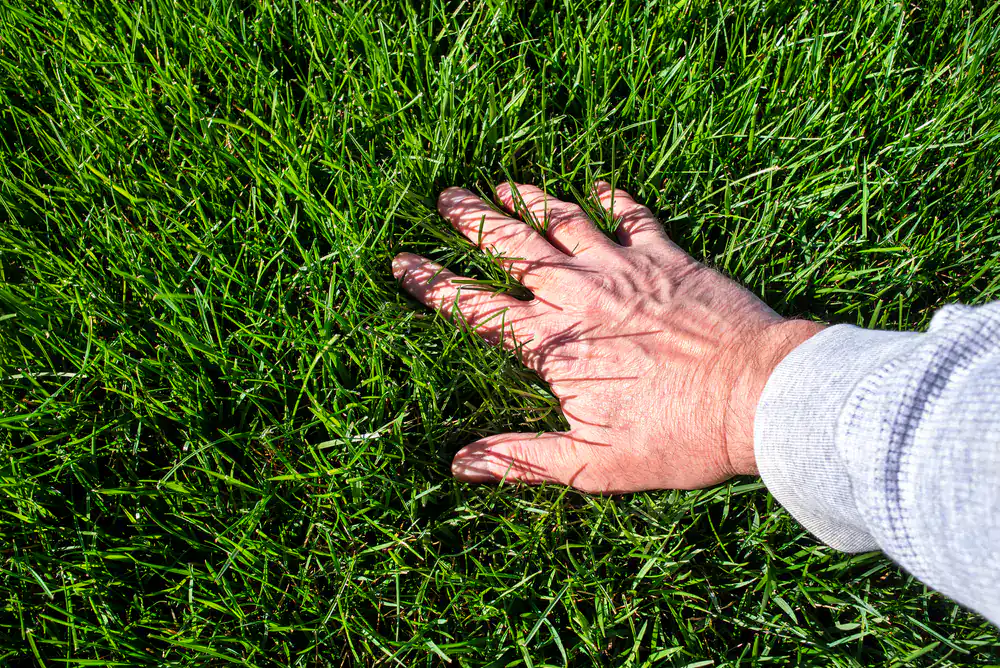
For the grass types that dominate Blue Point lawns tall fescue, Kentucky bluegrass, and perennial ryegrass fall is the right window. Specifically, late August through mid-October is when these cool-season grasses are entering their most active growth phase, which means they’ll exploit the aeration channels quickly and produce stronger root systems heading into winter.
Spring aeration is possible, but it comes with a catch. If you’re on a spring weed control program that uses a pre-emergent herbicide, aerating after that application breaks the weed barrier and undermines the treatment entirely. For most Blue Point homeowners on a full program, fall is the only practical window and it’s a better one anyway. There’s also a hard deadline to keep in mind: Suffolk County bans fertilizer applications starting November 1, with fines up to $1,000 for violations. Any fall program that combines aeration with fertilization needs to be completed before that date, which means scheduling early matters.
The simplest test is a screwdriver. Push a standard screwdriver into your lawn with hand pressure only. If it goes in easily to about six inches, your soil is in reasonable shape. If you have to force it or it stops at two or three inches, you’ve got compaction and that compaction is likely the reason your lawn looks the way it does regardless of how much you water or fertilize.
There are other signs too. If water pools on the surface after rain instead of soaking in, that’s compaction. If your grass looks thin and worn in high-traffic areas even after overseeding, that’s compaction. If you’ve been on a fertilization program for a season or two and the results have been underwhelming, compaction is often the reason the nutrients never reached the root zone. For Blue Point properties especially those with homes built before 1970 these lawns have been under residential pressure for 50 or more years. Compaction at that stage isn’t a maybe. It’s a given.
Yes and this is a question that comes up specifically because of where Long Island sits geologically. Blue Point is on the South Shore’s glacial outwash plain, which means the soil is predominantly sandy loam. Sandy soil drains well, but it still compacts under repeated surface pressure. The difference from clay-heavy soils is that sandy compaction creates a denser, harder layer that forms more gradually but is just as effective at blocking root growth, water infiltration, and nutrient absorption once it’s established.
Aeration on sandy loam soil opens up the matrix, improves drainage channels, and creates the kind of loose, aerated root zone that cool-season grasses need to thrive. It also makes overseeding significantly more effective seed dropped into aeration channels on sandy soil has direct contact with the soil matrix, which is what drives germination. If you’ve overseeded in the past and gotten poor results, the soil contact issue is usually why. Aeration solves that.
Not if it’s done by a professional who knows what they’re doing. Before any aeration equipment runs, sprinkler heads and irrigation lines need to be marked so the aerator can avoid them. This is a standard step in a professional aeration process and it’s one that separates a trained crew from someone running a rental machine without a pre-job walkthrough.
If you have an in-ground system and you’re not sure where all the heads are, that’s worth communicating before the job starts. Our crew will work with you to identify and flag the system before the aerator goes to work. Most residential irrigation systems in Blue Point are shallow enough that a properly operated hydraulic aerator won’t reach them, but marking is still the right call. It takes a few minutes and eliminates any risk. Don’t skip it, and don’t hire a company that does.
A compaction test is exactly what it sounds like a way to measure how dense and hard your soil has become. In engineering and construction contexts, you’ll see references to something called a Proctor compaction test, which is a formal lab method for measuring maximum soil density. That’s not what happens on a residential lawn, but the concept is the same: you’re trying to understand how much the soil has been compressed and whether it’s still allowing roots, water, and air to move through it freely.
For residential lawn care, compaction testing is more of a field assessment than a lab procedure. The screwdriver test described above is a quick version. A professional assessment goes further looking at thatch depth, soil texture, drainage patterns, and how the grass is performing in different areas of the yard. For Blue Point properties where the lawn has decades of history, that kind of evaluation is worth doing before committing to a program. It tells you whether you need aeration alone, aeration combined with overseeding, or a more comprehensive renovation approach.
Nationally, professional core aeration runs somewhere between $75 and $300 for a typical residential property, with pricing generally based on square footage. In Suffolk County, where labor costs, equipment requirements, and the specific demands of South Shore soil all factor in, you should expect pricing in that range or above depending on your property’s size and condition.
What matters more than the base cost is what you’re actually getting. A low quote from an operator using consumer-grade equipment on a compacted South Shore lawn often means shallow tine penetration, poor core removal, and results that don’t hold. Hydraulic aerators cost more to operate, but they do the job the soil here actually requires. For a Blue Point homeowner with a property worth $750,000 or more, the difference between a properly aerated lawn and one that looks the same next spring is not a small thing it affects curb appeal, resale value, and how every other dollar you spend on lawn care performs. The best way to get an accurate number for your specific property is to call us directly and get a quote based on what your lawn actually needs.
Useful Links
Other Services we provide in Blue Point