
Hear from Our Customers
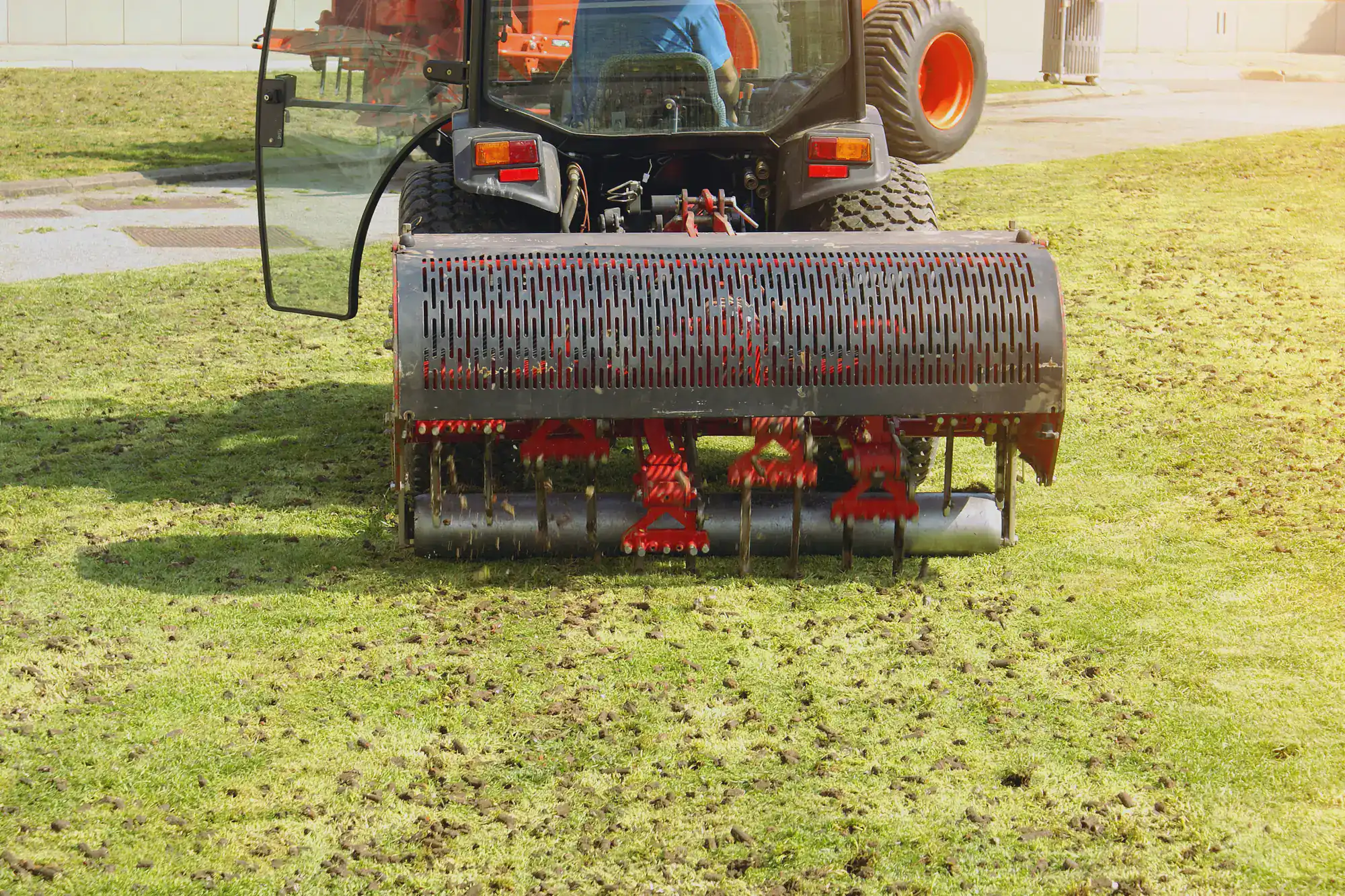
When soil is compacted, nothing works the way it should. Water pools on the surface instead of soaking in. Fertilizer sits on top instead of reaching roots. Grass thins out, browns early in summer heat, and never quite recovers no matter how much you water or treat it. Core aeration pulls plugs from the soil and opens up pathways for air, water, and nutrients to get where they actually need to go.
For Centereach specifically, this matters more than most people realize. Nearly half the homes here were built between 1950 and 1969 neighborhoods like Dawn Estates and Eastwood Village have been in continuous use for 60 to 70 years. That’s decades of mowing equipment, foot traffic, and freeze-thaw cycles packing the soil tighter every season. By the time most homeowners call us, the compaction isn’t a surface issue it runs deep, and it requires professional-grade hydraulic equipment to actually address.
There’s also the water quality piece. Centereach has no municipal sewer system, which means every property sits over the same aquifer that supplies Long Island’s drinking water. When soil is compacted and fertilizer can’t penetrate, it runs off the surface instead straight toward the groundwater. Aeration isn’t just good for your lawn. In this community, it’s the responsible way to make sure your fertilizer program is doing what it’s supposed to do, not contributing to the problem Suffolk County has been trying to solve for years.
We’ve been operating in Suffolk County since 1987, and we’ve spent those decades treating lawns throughout Centereach and the surrounding central Suffolk area. That’s not a number we throw around for marketing purposes it means we’ve been maintaining properties in Centereach longer than most of our competitors have been in business. We know how the soil behaves here. We know the seasonal timing that actually works for Long Island’s cool-season grasses. And we know what 60 years of compaction looks like on a 1950s ranch in Centereach versus a newer build closer to Route 347.
Every job gets a licensed pesticide professional not a seasonal laborer, not a crew supervised remotely by someone with a license they rarely use. In a community like Centereach, where Suffolk County’s fertilizer law governs what goes on your lawn and when, that distinction is more than a quality signal. It’s the legally and environmentally responsible way to operate.
We run five fully wrapped professional trucks throughout central Suffolk County, including along the Middle Country Road corridor. If you’ve seen us working in Centereach or the surrounding area, that’s not an accident this is our territory, and we treat it that way.
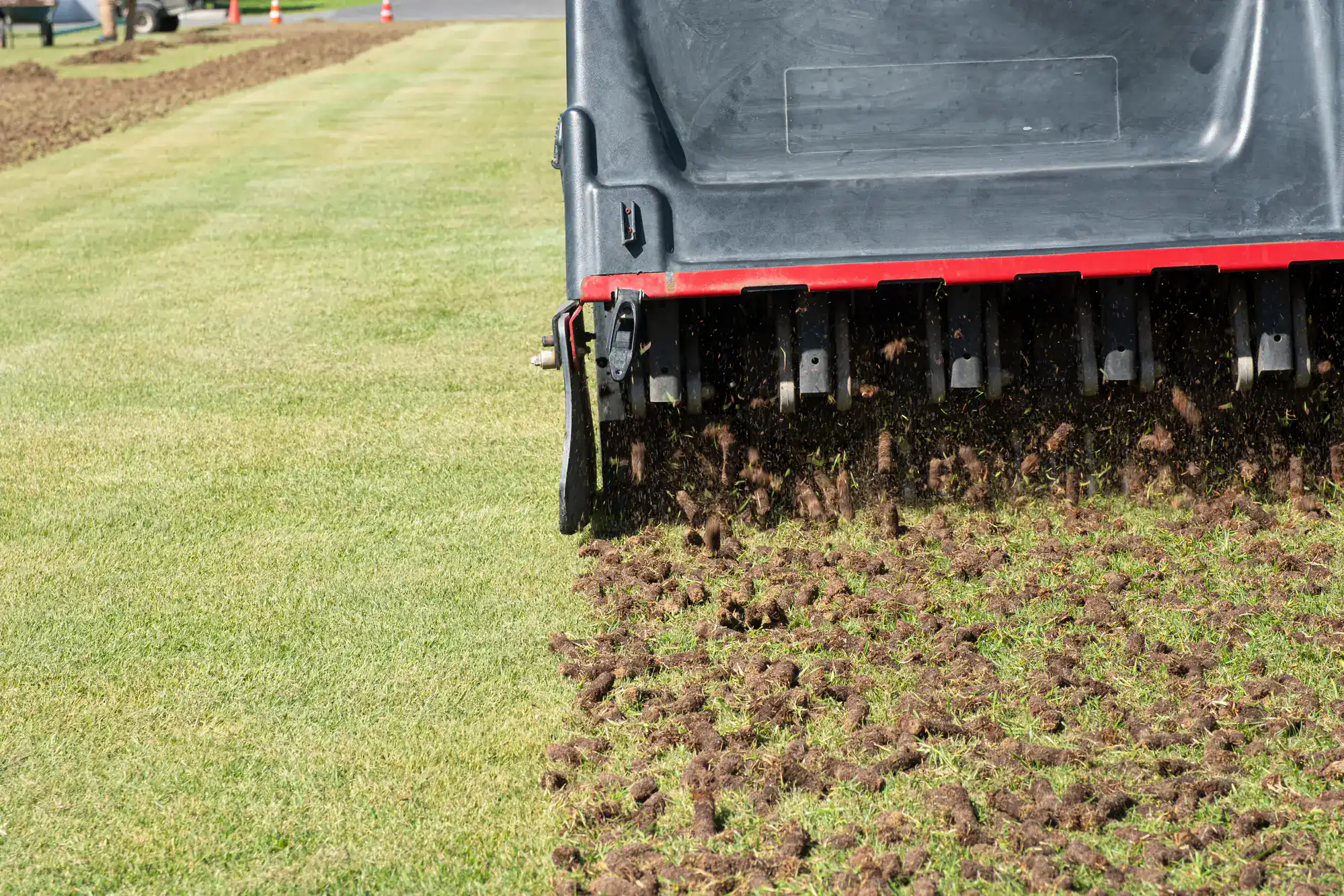
Before anything touches your lawn, we assess it. Compaction shows up in different ways water that won’t drain after rain, soil that resists a screwdriver pushed six inches down, grass that looks thin even after fertilizing. On Centereach properties, especially those built in the 1950s and 60s, we’re often looking at compaction that goes deeper than a standard rental machine can reach. That assessment shapes everything that follows.
From there, we bring in hydraulic core aerators professional-grade equipment that pulls clean plugs at consistent depth and spacing across your entire lawn. This isn’t the same machine you’d rent for a weekend from a hardware store. The difference shows up in the results, particularly on mature, compacted Suffolk County soil that’s been through decades of seasonal stress.
Once the cores are pulled, the plugs break down on the surface over a few weeks and return organic matter back to the soil. If overseeding is part of your program, this is the window where seed-to-soil contact is at its best and where our hydraulic seeders make the most difference. Timing matters here too. For Centereach lawns, late August through October is the optimal window for cool-season grasses, and Suffolk County’s November 1 fertilizer ban means that window has a hard close. We plan our schedules accordingly so our clients don’t miss it.
Ready to get started?
We don’t sell one-size-fits-all programs. Every lawn in Centereach gets evaluated on its own terms soil type, compaction level, grass variety, shade patterns, thatch depth, and history of previous treatments. What your lawn needs on a corner lot in Holiday Park may be completely different from what a property near Hidden Oaks needs, even if they’re a few streets apart. That’s why every program is custom-built.
Aeration is often paired with overseeding and a follow-up application of our custom-blended fertilizer a proprietary formula made specifically for our company, not purchased off a shelf and applied generically. That fertilizer is formulated to match the nutrient demands of Long Island’s sandy-loam glacial soils, and it performs significantly better on a freshly aerated lawn than on compacted ground. The combination of aeration, seeding, and a properly timed fertilizer application is what actually moves the needle on a struggling Centereach lawn.
As for lawn aeration cost, it varies based on your lawn’s size and condition there’s no honest way to give a flat number without seeing the property. What we can tell you is that the investment pays for itself quickly when you consider how much fertilizer and water is wasted on compacted soil that can’t absorb either one. If you want a specific number for your yard, the fastest way to get it is to reach out directly. We’ll give you a straight answer.
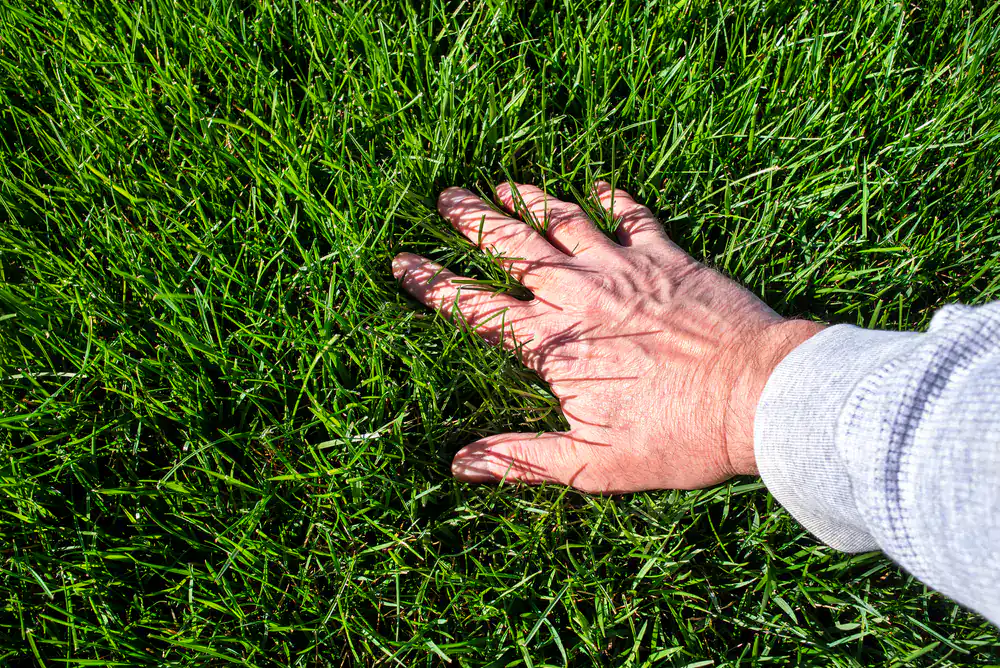
For the cool-season grasses that dominate Centereach lawns tall fescue, Kentucky bluegrass, perennial ryegrass late August through October is the optimal window. The soil is still warm, the grass is entering its most active fall growth phase, and there’s enough time before winter dormancy for the lawn to recover and fill in properly.
What makes this especially important in Centereach is Suffolk County’s fertilizer ban, which runs from November 1 through April 1. That means aeration, overseeding, and any follow-up fertilizer application all need to happen before that window closes. It’s a short runway, and it fills up fast for established lawn care companies. If you’re thinking about fall aeration, the earlier you schedule it, the better your options are waiting until late October usually means you’re working against the clock on all three fronts.
The most straightforward test is simple: after watering your lawn, push a standard screwdriver into the soil. If it won’t go three inches without real resistance, your soil is compacted. Other signs include water pooling on the surface after rain rather than soaking in, grass that looks thin or patchy despite regular fertilizing, and turf that browns out faster than it should during summer heat.
In Centereach, where a large portion of the housing stock dates back to the 1950s and 1960s, compaction is almost a given on older properties. Decades of mowing, foot traffic, and Long Island’s freeze-thaw winters pack the soil progressively tighter. Many homeowners have tried fertilizer programs, watered consistently, and still can’t get results and the reason is usually that the soil is too compacted to let any of it work. Aeration is often the missing piece that makes everything else finally perform.
Core aeration physically removes plugs of soil from the ground typically two to three inches deep creating open channels where air, water, and nutrients can penetrate directly to the root zone. Spike aeration, by contrast, just pokes holes in the ground without removing anything. The problem with spike aeration is that it can actually increase compaction around the hole by pushing soil aside rather than pulling it out.
For lawns in Centereach with significant compaction history particularly on properties built in the 1950s and 60s core aeration is the only method that produces meaningful results. Spike aerators, including many of the rolling attachments sold at garden centers, are largely ineffective on dense, mature Suffolk County soil. Professional core aeration with hydraulic equipment goes deeper, pulls cleaner plugs, and creates the kind of channel structure that actually changes how the lawn performs over the following season.
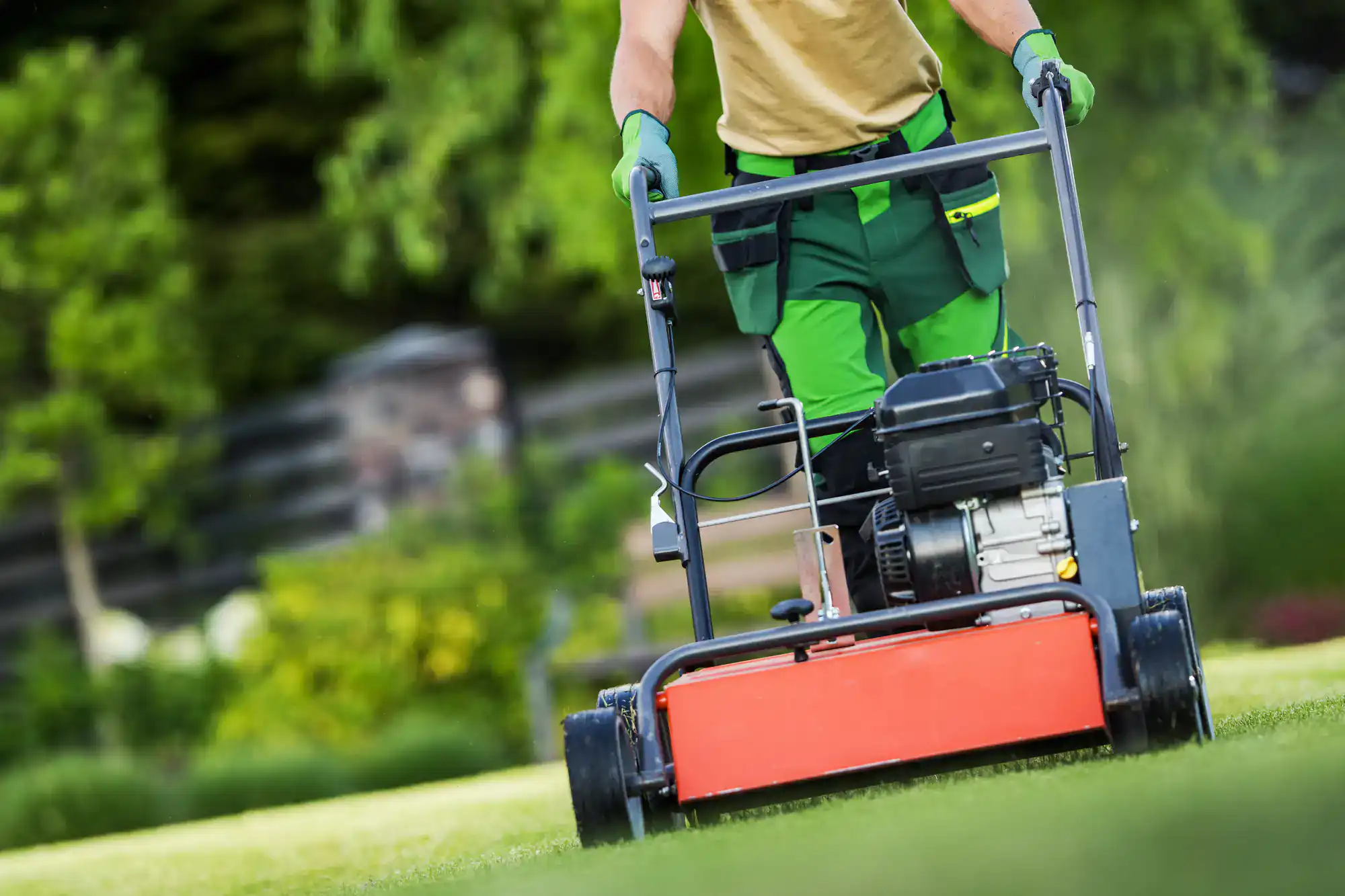
You can, and plenty of Centereach homeowners have tried it. The honest answer is that rental machines are consumer-grade equipment designed for light-duty use they don’t penetrate as deep, the tines don’t pull as clean a plug, and they struggle on compacted soil that’s been packing down for decades. If your lawn has mild compaction on relatively young soil, a rental might give you some benefit. If you’re dealing with the kind of deep compaction common on 1950s and 60s-era Centereach properties, a rental machine often just scratches the surface.
There’s also the physical reality of operating one. Aerators are heavy, difficult to maneuver around obstacles, and exhausting to run for a full property. Most rental agreements give you a half-day or full-day window, which creates pressure to rush through the job. We cover the property more thoroughly, at the right depth, with consistent spacing and you’re not spending your Saturday doing it. For most Centereach homeowners, the time and result difference makes the professional option the clearer choice.
Directly, yes. Suffolk County’s fertilizer law Local Law 41-2007 restricts nitrogen applications on lawns and bans fertilizing entirely between November 1 and April 1. The intent is to reduce nitrogen runoff into the groundwater that Centereach and the rest of Long Island depends on. Compacted soil makes that problem worse, because fertilizer that can’t penetrate the surface runs off instead of feeding roots.
Core aeration opens channels that allow fertilizer to move down into the soil where grass roots can actually use it. That means less surface runoff, more efficient nutrient uptake, and a lawn that responds better to each application. For Centereach homeowners who are already working within the constraints of the fertilizer window, aeration is essentially a force multiplier it makes every application you’re allowed to do work harder and go further. It’s one of the most practical things you can do to stay compliant with county regulations while still getting real results from your lawn care program.
Yard aeration cost in Centereach typically depends on the size of your lawn and its current condition. A standard residential property somewhere in the 5,000 to 10,000 square foot range, which covers most of the homes in Centereach’s older neighborhoods generally runs in the $150 to $300 range for professional core aeration. Properties with larger lawn areas, significant compaction, or additional services like overseeding and fertilization will land higher.
What’s worth understanding is that aeration isn’t a standalone expense in a vacuum it’s the treatment that makes your entire lawn care investment more effective. Fertilizer applied to compacted soil is largely wasted. Water applied to compacted soil pools and runs off. When you aerate first, everything else you spend on your lawn actually does what it’s supposed to do. For a home in Centereach worth $550,000 or more, the cost of professional aeration is a small number relative to what a healthy, well-maintained lawn does for your property’s curb appeal and value. Reach out for a specific quote we’ll assess your lawn and give you a real number, not a range pulled from a website.
Useful Links
Other Services we provide in Centereach