
Hear from Our Customers
The biggest frustration most Port Jefferson Station homeowners have isn’t that their lawn is struggling it’s that they’ve already paid someone to fix it and it still looks the same. A national chain sends out a rotating crew, applies a standard program, and moves on. Meanwhile, the crabgrass is back by July, the shaded patch under the oak trees never filled in, and nobody answers the phone when you call to ask why.
What a properly built lawn program actually gives you is consistency. Green turf that holds through Long Island’s humid summers. Weed pressure that gets addressed before it takes over. A fall aeration and overseeding window that’s timed correctly before Suffolk County’s November 1st fertilizer blackout closes the season. That timing matters more here than most homeowners realize, and it’s the difference between a lawn that bounces back strong in spring and one that limps through another year.
Port Jefferson Station lots tend to sit under significant tree canopy the tall oaks that line the ranches and colonials throughout the hamlet create real shade challenges that most programs simply ignore. When your lawn care is actually calibrated to your property’s specific sun exposure, grass type, and soil condition, the results aren’t subtle. You notice them. So do your neighbors.
We’ve been servicing Port Jefferson Station and the surrounding North Shore since 1987 which means this isn’t a company that just added your neighborhood to a service area map. These are lawns we’ve been treating for decades, on the same streets, through the same seasons, with the same understanding of what Port Jefferson Station soil actually needs.
Every technician who steps onto your property is a NYS DEC-licensed pesticide applicator. That’s not a marketing line it’s a legal requirement in New York that a surprising number of operators quietly skip. You can also see us coming: we run a fleet of five fully wrapped, professionally branded trucks. When you’re not home during the day which, if you’re commuting out of the Port Jefferson Station LIRR stop, is most of the week you’ll know exactly who was there and what was done.
We’re local. PO Box 477, Port Jefferson Station, NY 11776. This is our community too, and our reputation here is the only one we have.
It starts with your lawn, not a brochure. Before anything gets applied, we assess what you’re working with grass type, sun and shade coverage, weed pressure, soil condition, and any problem areas that a standard program would miss. If you’ve got nutsedge pushing through, or bare patches where grub damage took out a section of turf last summer, that gets factored in from the start.
From there, we build a program around your property’s actual needs. That includes the right fertilizer blend we use a custom-blended formula made specifically for us, calibrated to Long Island’s sandy, fast-draining soil applied at the right intervals and well within Suffolk County’s regulatory schedule. The November 1st fertilizer blackout is real, the fines are real, and we plan every fall program around it. Fall is the most critical treatment window for North Shore lawns, and we don’t waste it.
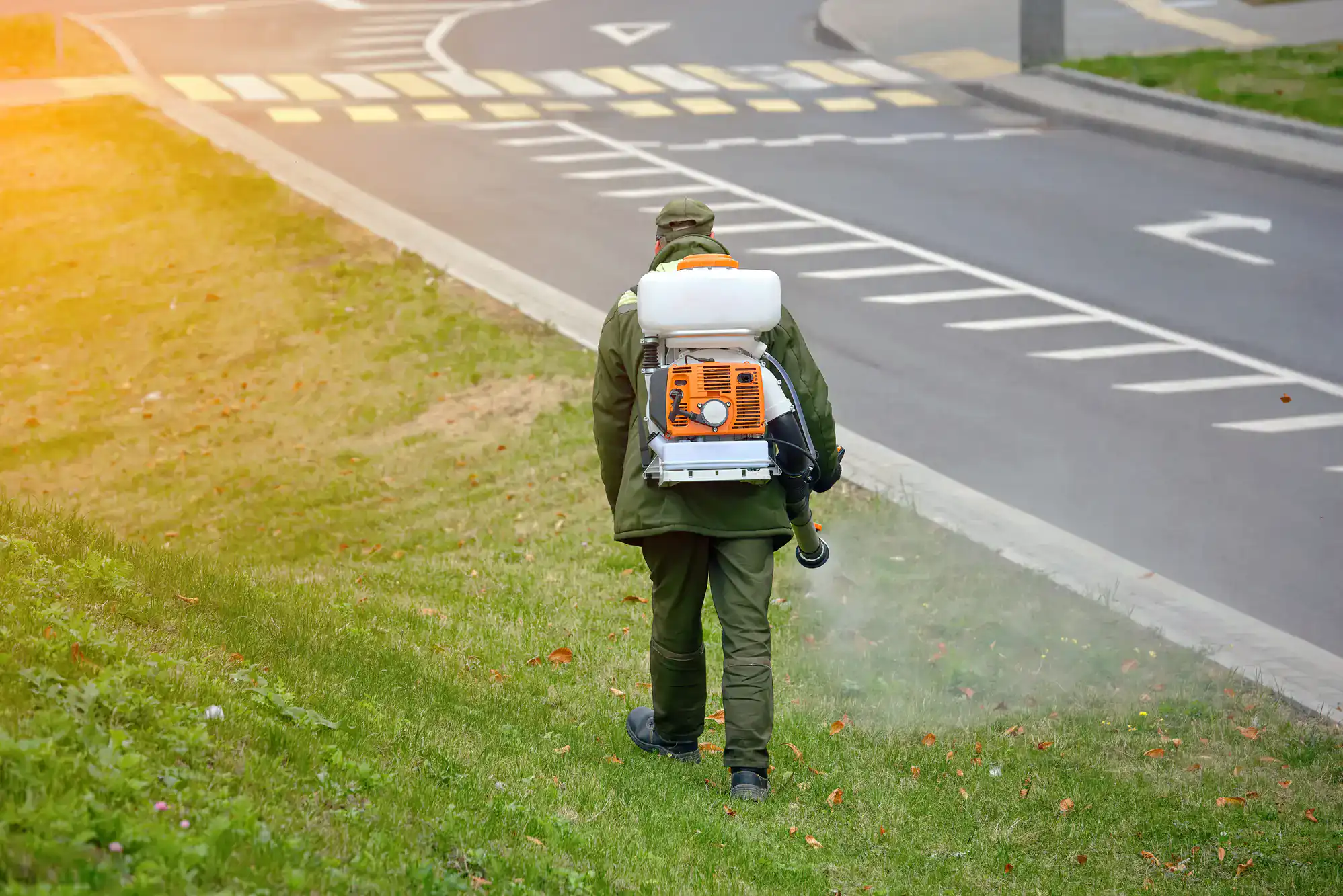
If your lawn needs more than fertilization core aeration, overseeding, weed control, grub prevention, or a full restoration we handle all of it with professional hydraulic equipment, not the consumer-grade alternatives that most operators rely on. Once the program is running, you manage everything through our online portal and pay by credit card when it’s convenient for you. No chasing invoices, no scheduling headaches.
Ready to get started?
Every program we build is custom-tailored not tiered into a package that was designed for a different region and rebranded for Long Island. Port Jefferson Station lawns deal with specific challenges: fast-leaching sandy soil that burns through cheap fertilizers before the grass can absorb them, cool-season turf that needs precise fall timing to build root depth before winter, and real pest pressure from Japanese beetle grubs that can quietly destroy a root system by late August if nobody’s watching for it.
Our custom-blended fertilizer is formulated specifically for Long Island’s soil profile slow-release nitrogen ratios that match the leaching rate of North Shore outwash soil, not the clay-heavy soils that national chain programs are typically built around. Paired with hydraulic core aeration that pulls deeper cores than anything a tow-behind unit can manage, and professional overseeding timed to the fall window, it’s a program that actually builds turf density instead of just maintaining the status quo.
We also handle the problems that generic programs leave behind. Nutsedge, bentgrass, crabgrass, grub damage, bare patches under heavy oak canopy these aren’t edge cases in Port Jefferson Station, they’re common. And if your lawn is beyond a maintenance program, we install new lawns from seed and restore damaged ones before putting them on a treatment schedule. Whatever stage your lawn is at, that’s where we start.
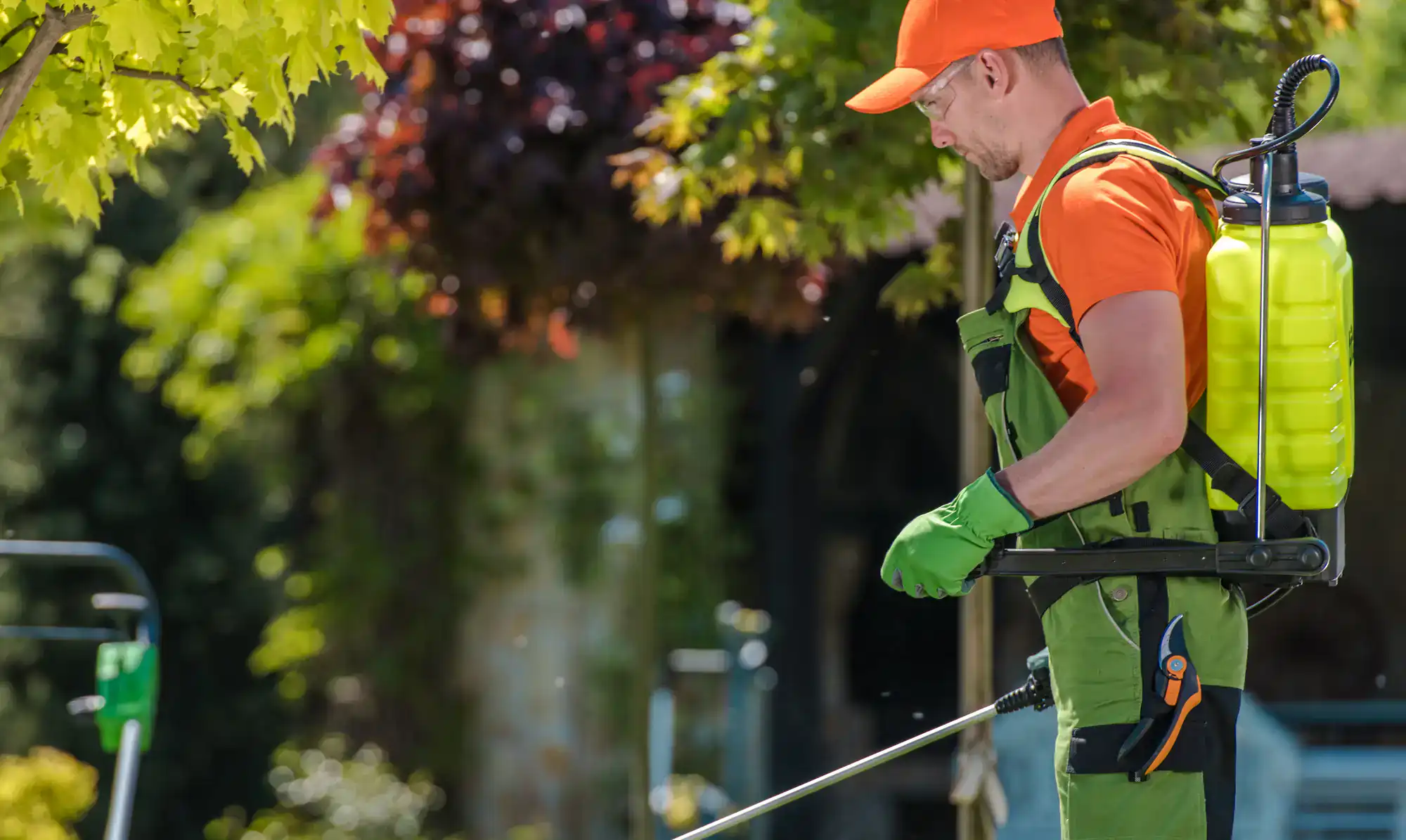
We offer a full range of lawn treatment services for Port Jefferson Station homeowners fertilization, weed control, core aeration, overseeding, grub prevention, and new lawn installation from seed. Every program is built around your specific property rather than a fixed package, because a ranch on Terryville Road with full sun and a colonial near Sagamore Hills with mature oak coverage don’t need the same treatment.
Beyond the standard program, we handle the persistent problems that keep coming back when other companies miss them nutsedge, bentgrass, grub damage, and thin turf in shaded areas are all things we address directly. If your lawn has been through construction, storm damage, or years of neglect, we also do full lawn restorations and new installs before moving into a maintenance program. The goal is to meet your lawn where it actually is, not where a generic program assumes it should be.
Port Jefferson Station’s soil is predominantly sandy glacial outwash it drains fast, and it doesn’t hold nutrients the way loamier soils do in other parts of the country. What that means practically is that a standard fertilizer from a hardware store, or a program built around a national formula, tends to leach through the root zone before the grass can absorb it. You get a brief green-up and then the lawn levels back out, which is why a lot of homeowners feel like they’re spinning their wheels.
We use a custom-blended fertilizer formulated specifically for Long Island’s soil chemistry. The slow-release nitrogen ratios are calibrated to match the leaching rate of North Shore sandy soil, so the turf gets consistent nutrition across the season instead of a spike-and-crash cycle. It’s one of the more meaningful differences between what we do and what most other lawn care companies in the area offer and it shows up in how the lawn actually performs over time.
Fall is the most important treatment window for lawns in Port Jefferson Station. Cool-season grasses tall fescue, Kentucky bluegrass, perennial ryegrass build their root systems most aggressively when soil temperatures drop back into the 55–65°F range in September and October. Aerating and overseeding during this window, followed by a well-timed fertilizer application, sets your lawn up to come out of winter with real density and root depth. Miss this window and you’re starting the following spring behind.
There’s also a hard deadline to work around: Suffolk County’s fertilizer blackout period runs from November 1st through April 1st. Applying fertilizer after November 1st is a violation that carries fines up to $1,000. Every fall program we build is scheduled to be completed before that cutoff. Spring has its own timing considerations too pre-emergent crabgrass control needs to go down when soil temperatures reach around 50°F, typically mid-April on the North Shore, before crabgrass seeds germinate. Timing is everything with lawn treatment, and getting it right here requires knowing Long Island’s specific seasonal rhythm.
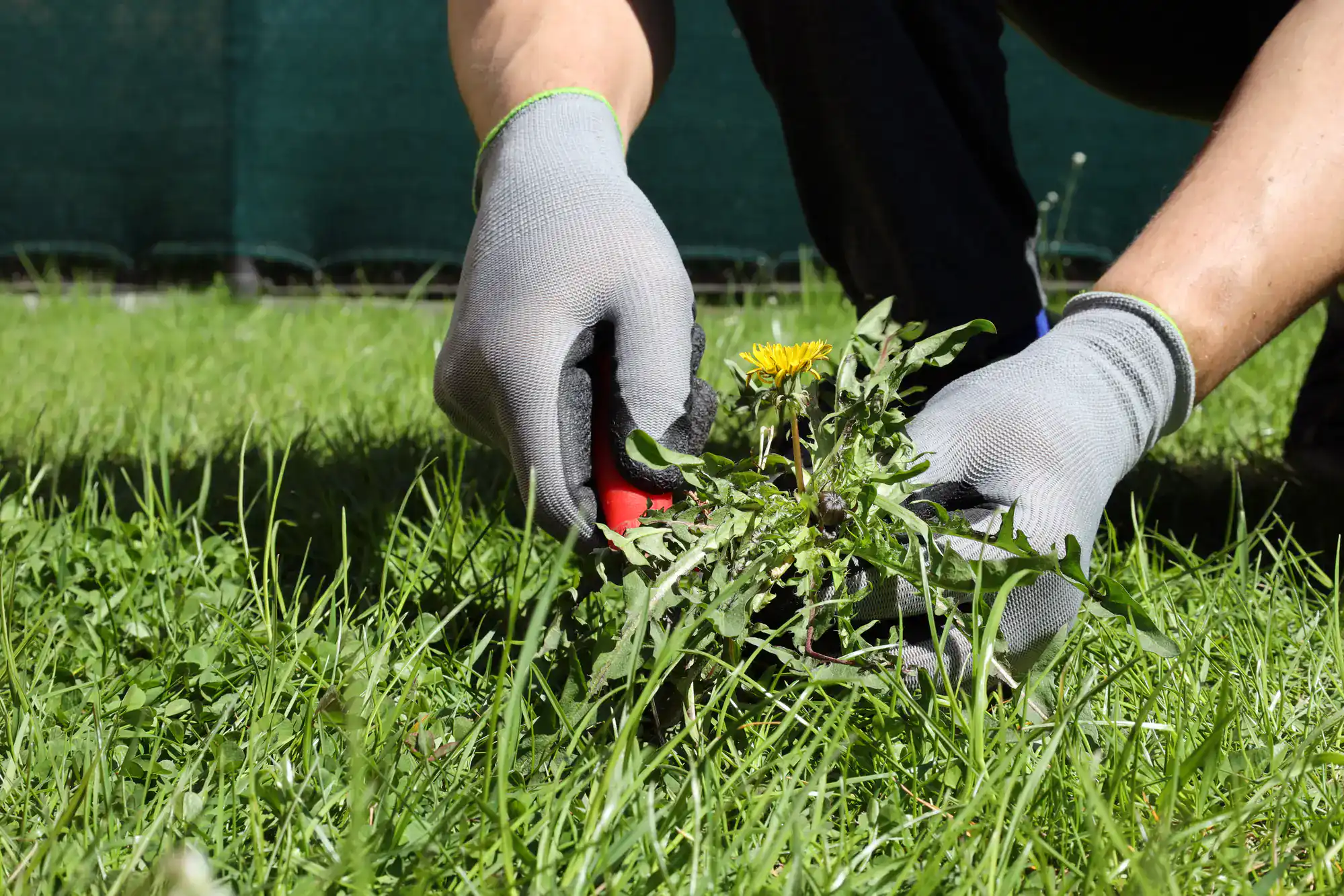
Nutsedge is one of the most persistent lawn problems on Long Island, and it’s genuinely difficult to control without the right approach. It’s not a grass it’s a sedge, which means standard broadleaf herbicides don’t touch it. It spreads through underground tubers that survive even when the visible plant is killed, so if a treatment only addresses what’s above the soil surface, the nutsedge comes back within weeks. Most generic lawn programs aren’t equipped to handle it, which is why homeowners who’ve had other companies treat their lawn still see it every summer.
Effective nutsedge control requires a targeted herbicide that’s labeled specifically for sedge, applied at the right growth stage, and often repeated across more than one season to address the tuber bank in the soil. Port Jefferson Station’s sandy, well-drained soil actually creates favorable conditions for nutsedge it thrives in areas with inconsistent moisture, which is common on North Shore properties with uneven irrigation or heavy shade from mature oaks. If you’ve been fighting it for years without results, the issue is almost certainly the treatment approach, not the lawn itself.
For a lot of homeowners, DIY lawn care sounds like a reasonable way to save money until the crabgrass takes over in July, or a bag of fertilizer goes down at the wrong time and burns the turf, or you realize in October that you missed the entire fall treatment window. The learning curve is real, and the margin for error on a property that represents a $500,000-plus investment is narrower than most people expect.
Beyond the results, there’s a regulatory layer in New York that makes professional licensing genuinely matter. Any company applying pesticides or herbicides for hire is legally required to hold a NYS DEC pesticide applicator license a 30-hour training requirement backed by a state exam. Suffolk County also has the fertilizer blackout law and New York State’s phosphorus ban to navigate. Hiring a licensed professional means your lawn is being treated within the legal framework, with the right products at the right rates, by someone who’s accountable for the outcome. That’s a different thing than buying a bag of Scott’s and hoping for the best.
Thin or bare turf under mature oaks is one of the most common lawn problems we see on Port Jefferson Station properties and one of the most frequently misdiagnosed. The issue isn’t usually disease or grub damage, though those can contribute. It’s a combination of deep shade that limits photosynthesis, surface roots that compete aggressively for water and nutrients, and the allelopathic effect of oak leaf tannins that can inhibit grass germination in heavily leafed areas.
The fix starts with the right grass selection. Standard turf mixes Kentucky bluegrass, tall fescue blends don’t perform well in deep shade. Fine fescue varieties are significantly more shade-tolerant and are the appropriate choice for the areas under your oak canopy. Core aeration helps break up the surface compaction that oak roots contribute to, improving the soil’s ability to accept water and nutrients. Overseeding with a shade-appropriate mix in early fall when soil temperatures are still warm enough for germination but the summer heat stress is gone gives new grass the best chance to establish before winter. It’s not a one-season fix in severe cases, but with the right approach it’s absolutely solvable.
Useful Links
Other Services we provide in Port Jefferson Station