
Hear from Our Customers
If you’ve found a tick on your kid after they played in the backyard, or pulled one off your dog after a walk near Corey Beach, you already know the problem isn’t going away on its own. Blue Point’s position along the Great South Bay means your property sits in one of the most tick-active corridors on Long Island. The bay’s tidal marshes generate persistent humidity that extends the tick season earlier into spring and later into fall than most inland Suffolk County towns ever see.
A properly treated yard changes what your outdoor space feels like. Kids play on the grass without you mentally tracking every blade. You sit on the deck without scanning your ankles. Your dog comes in from the yard without a post-walk inspection that takes longer than the walk itself. That’s the actual outcome not a cleaner lawn on paper, but a yard you stop dreading.
What makes this work is treating the right zones, not just the lawn surface. Blue Point properties tend to have mature landscaping, established shrub borders, shaded areas under older trees, and in many cases, wooded or naturalized edges where ticks concentrate. A perimeter spray doesn’t reach those spots. A program built around your specific property does.
We’ve been serving Suffolk County since 1987. That’s nearly four decades of treating Long Island properties including the south shore communities along the Great South Bay corridor where Blue Point sits. The seasonal patterns here, the coastal humidity, the older housing stock, the bay-adjacent pest pressure none of that is new to us.
Every technician who comes to your property is a licensed pesticide professional. Not a seasonal hire, not a labor-only crew. NYSDEC-certified, trained, and accountable. In a community where 54% of adults hold a college degree and homeowners are paying $700,000-plus for their properties, you deserve to know exactly who is treating your yard and why they’re qualified to do it.
We also aren’t just a pest control company. The ability to combine flea and tick treatment with professional fertilization, aeration, and lawn health services under one roof means your yard gets treated as a system not just sprayed and forgotten. When a yard is beyond saving, our new lawn installation in Blue Point rebuilds it.
It starts with a property assessment. Blue Point yards aren’t uniform a bay-adjacent lot near South Blue Point with mature ornamental beds and a wooded edge has completely different harborage zones than a newer construction in Country View Estates. Before any product goes down, the property gets evaluated: where ticks are likely concentrating, what conditions are creating flea pressure, and what the treatment plan needs to address specifically.
From there, the seasonal program is structured around Long Island’s actual tick calendar. Treatment typically begins in April, before nymphal tick populations peak in May and June the window when deer ticks are the size of a poppy seed and nearly impossible to spot before they bite. Follow-up treatments run every three to four weeks through the summer, targeting the harborage zones where ticks and fleas actually live: along fence lines, under decks, in ornamental beds, at the edges of wooded areas, and in the leaf litter that older Blue Point properties tend to accumulate. A fall treatment in September and October addresses the adult tick surge before the season closes out.
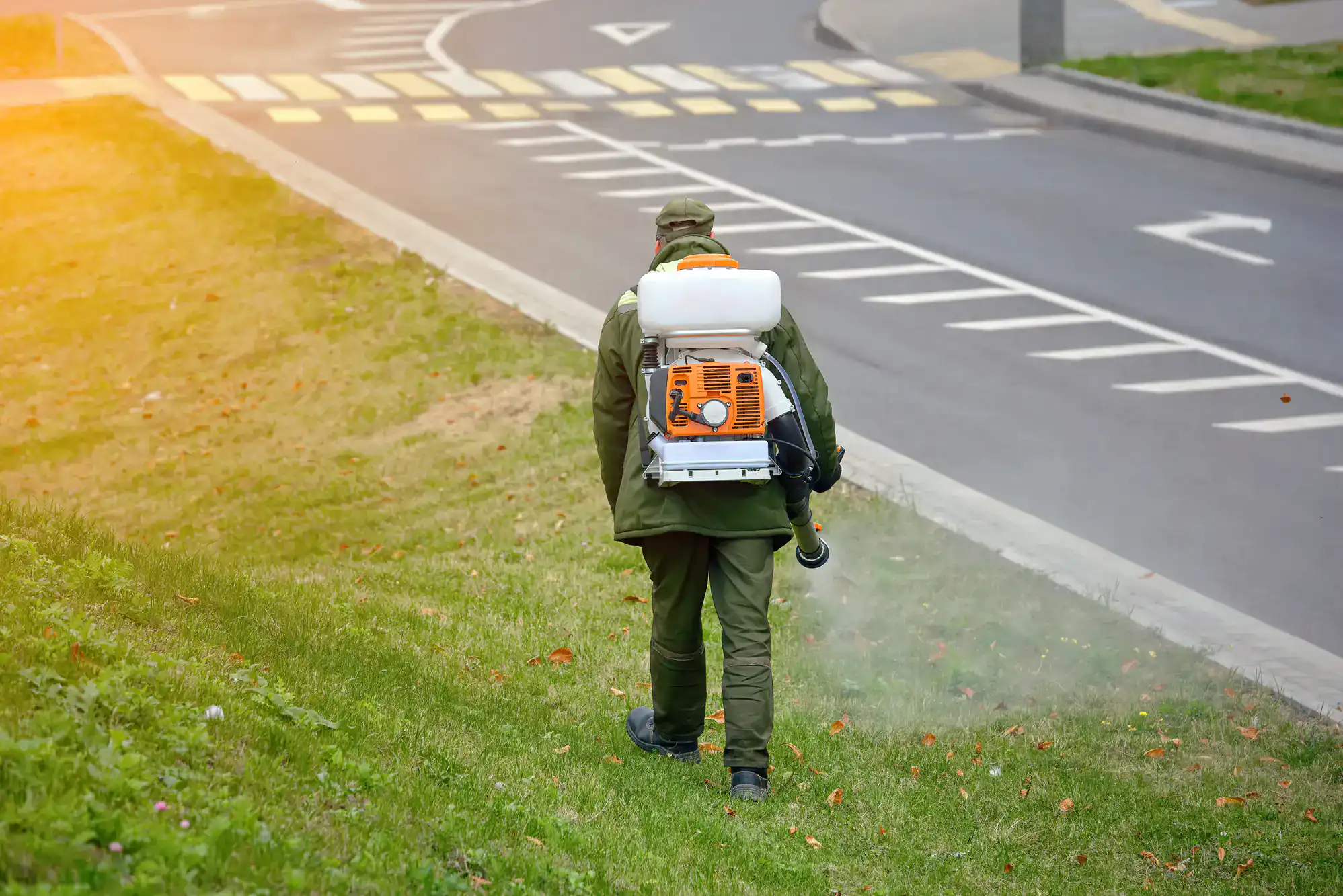
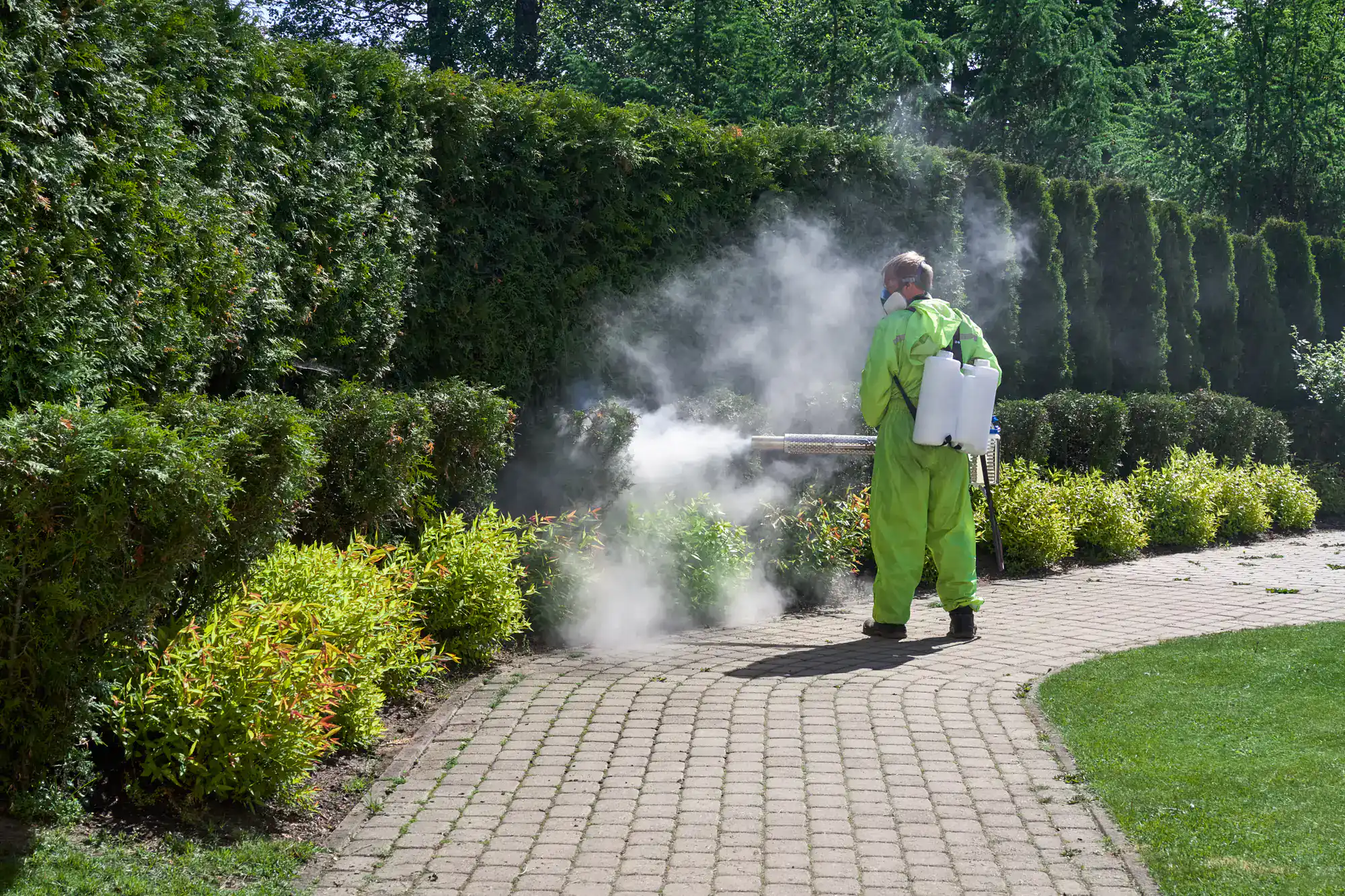
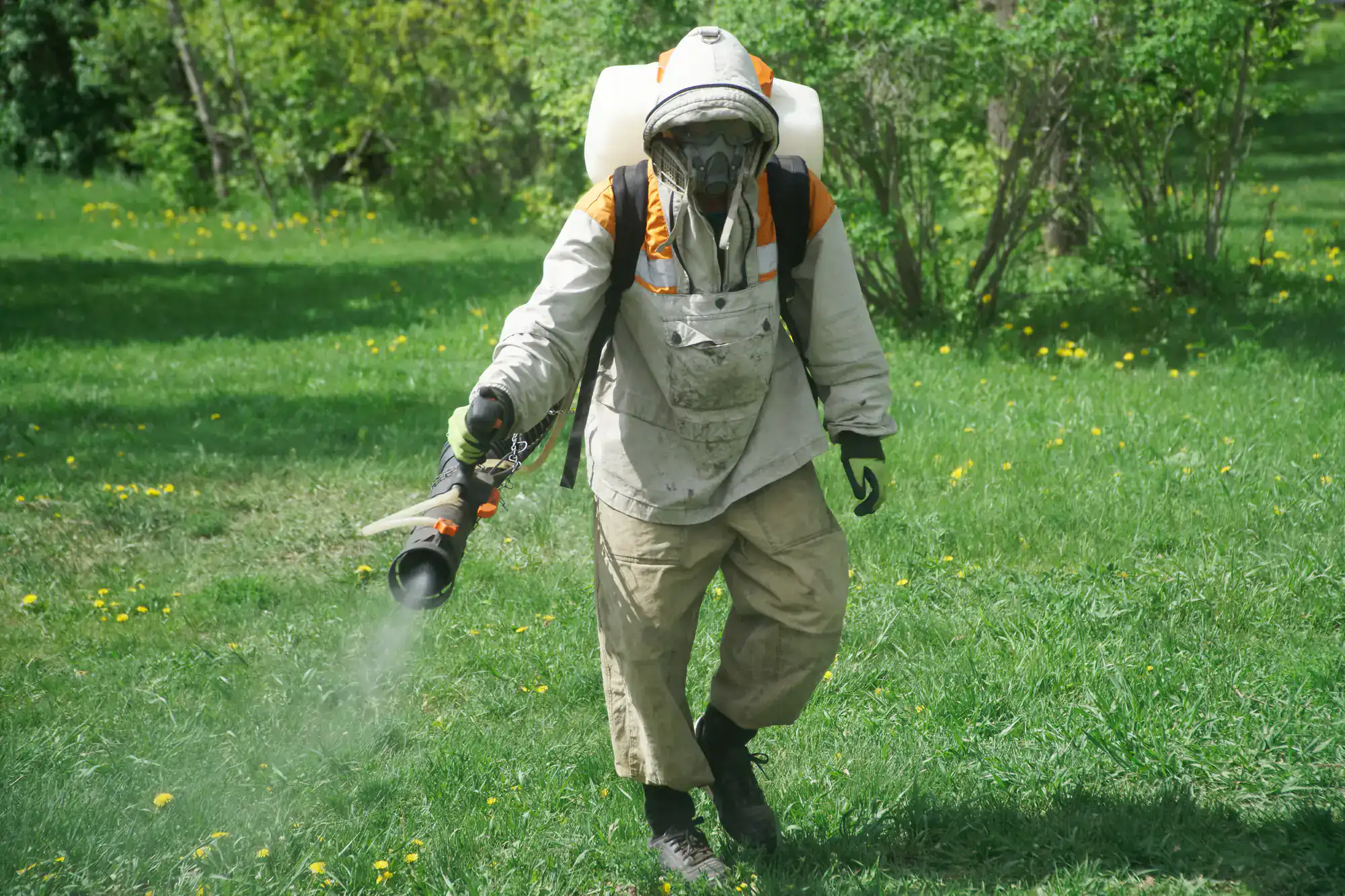
Every application is performed by a licensed professional using commercial-grade equipment that reaches the spots a homeowner with a store-bought sprayer simply cannot. After each visit, you’ll know what was applied, where it went, and when it’s safe to send the kids and the dog back outside.
Ready to get started?
Every program we build is custom. That matters in Blue Point specifically, because the pest pressure here isn’t the same from one block to the next. Properties near the bay, the nature preserve, or the canals off Corey Beach face continuous tick introduction from deer movement and wildlife activity. Properties with older construction and more than 20% of Blue Point homes were built before the 1940s tend to have more harborage opportunities: crawl spaces, aging foundation edges, dense established plantings, and heavy shade that holds moisture. Your program accounts for all of that.
The flea and tick program covers the full treatment cycle: targeted application to lawn surfaces, ornamental beds, fence lines, deck perimeters, and any wooded or naturalized edges on the property. All applications are performed by NYSDEC-licensed technicians using professional-grade equipment not the same products you’d find at a garden center. The custom-blended approach we use is formulated specifically for our programs, not an off-the-shelf product.
Because we also provide full lawn care services fertilization, aeration, seeding, and weed control clients who combine services get an additional layer of protection. A lawn with proper drainage, healthy turf density, and reduced thatch simply provides less habitat for ticks and fleas to establish. That’s the integrated advantage a standalone exterminator can’t offer.
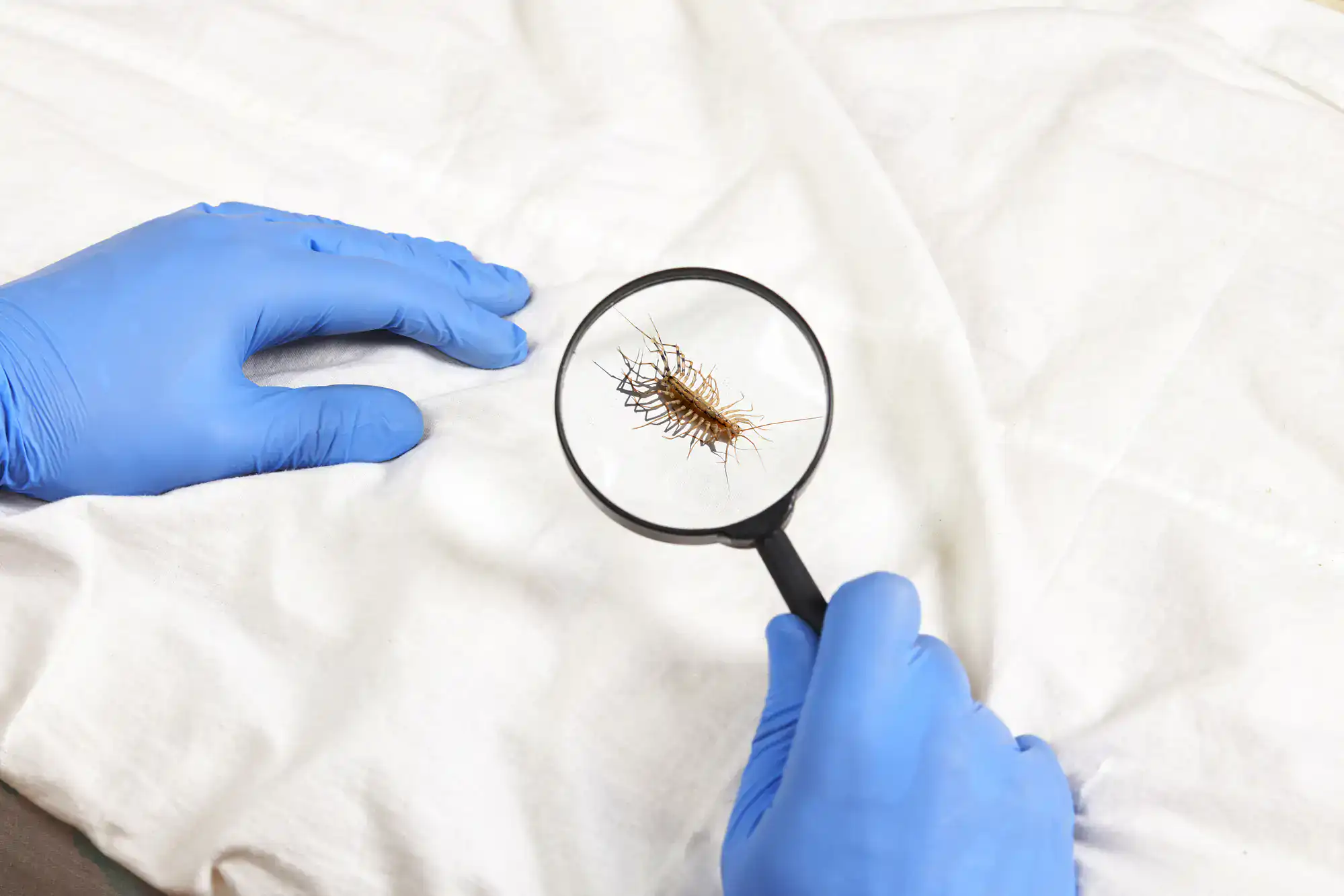
It increases it in a few specific ways. The Great South Bay’s tidal marshes generate persistent humidity along the south shore that inland Suffolk County towns don’t experience at the same level. Ticks thrive in moist, humid environments so the same coastal conditions that make Blue Point a desirable place to live also extend the active tick season on both ends. Activity can resume with late-winter warm spells in March and persist well into November, which is a longer window than most inland communities deal with.
The bay also drives wildlife movement. Deer browse through residential neighborhoods near the Blue Point Nature Preserve and along the wooded edges adjacent to the bay, depositing ticks directly into yards that might otherwise seem well-maintained and low-risk. If your property backs up to any naturalized area, or if you’re within a few blocks of the preserve or the canal systems near Corey Beach, that reinfestation pressure is essentially continuous throughout the season. A one-time spray doesn’t address that. A seasonal program does.
For most properties in Blue Point, effective control requires treatments every three to four weeks during the active season, which typically runs from April through October. A single application provides a window of protection, but ticks don’t stop moving. Deer, birds, and other wildlife continuously reintroduce them from surrounding areas and in a south shore community with bay-adjacent wildlife corridors, that pressure is higher than in more isolated inland neighborhoods.
The program we build is structured around the actual biological peaks of tick activity on Long Island: early spring before nymphal ticks surge in May and June, consistent summer maintenance through the peak outdoor season, and a fall treatment to address the adult deer tick surge in September and October. Missing the fall treatment is one of the most common mistakes homeowners make they assume the season is winding down when adult tick activity is actually at its highest. Staying on a consistent schedule through the full season is what produces reliable results.
Yes, once the treatment has dried which typically takes about 30 to 60 minutes depending on conditions. After that window, the treated areas are safe for children and pets to use normally. Your technician will confirm the re-entry timeframe at the time of each visit so there’s no guesswork.
The products used in our programs are applied by NYSDEC-licensed professionals who are trained in proper application rates and placement. That matters more than most homeowners realize. Misapplied products either too much, in the wrong locations, or near water features can create unnecessary exposure risk. Blue Point properties near the bay, canals, or wetland edges require particular attention to application placement, and that’s exactly the kind of judgment a licensed professional brings that a DIY approach doesn’t. If you have specific concerns about a product being used near a water feature or a sensitive area on your property, that conversation happens before the treatment, not after.
The most common reason is coverage. Store-bought tick sprays are typically applied to lawn surfaces, but ticks don’t live on open grass they concentrate in the transition zones where moisture and shade combine: under decks, along fence lines, in ornamental beds, in leaf litter, and at the edges of any wooded or naturalized areas on the property. If those zones aren’t treated thoroughly, the lawn surface treatment creates a false sense of security while the actual tick population stays intact.
The second issue is reinfestation. Even a well-executed DIY treatment gets undone quickly when deer, birds, and small mammals are continuously moving through the property. In Blue Point, where wildlife corridors run along the bay and through the nature preserve, that pressure doesn’t stop. Professional-grade products applied with commercial equipment to the right harborage zones and reapplied on a consistent seasonal schedule are what break the cycle. A single DIY spray can’t compete with that.
April is the right time to start on the south shore. Blue Point’s coastal position along the Great South Bay means tick activity can resume earlier than the calendar most people follow coastal humidity moderates the late-winter temperatures that would otherwise keep ticks dormant, and warm spells in March can trigger early activity. Starting in April puts you ahead of the nymphal tick peak in May and June, which is the highest-risk window of the year. Nymphal deer ticks are the size of a poppy seed and nearly impossible to detect before they’ve already bitten.
Waiting until you see a tick or find one on a family member means the season is already in full swing and you’ve lost the most critical protection window. The goal of a seasonal program is to establish control before peak activity, not to react to it after the fact. If you’re starting mid-season, it’s still worth treating immediately and maintaining the schedule through fall, because the adult tick surge in September and October is the second major risk window that many homeowners miss entirely.
Yes. We serve the full Bayport-Blue Point corridor and the surrounding south shore communities throughout Suffolk County. Blue Point and Bayport share a school district, a library, and a community identity and they share the same pest pressure conditions that come with living along the Great South Bay. Whether your property is on Blue Point Avenue near the fishing pier, in Country View Estates, or closer to the Bayport side of the corridor, the service area covers you.
We’ve been operating throughout Suffolk County since 1987, which means this isn’t a service area expansion or a new market. It’s a region we’ve been working in for nearly four decades. The south shore’s seasonal patterns, its coastal humidity, its older housing stock, and its bay-adjacent wildlife corridors are all familiar territory. If you’re in Blue Point, Bayport, or anywhere in the surrounding area and want to talk through what a seasonal flea and tick program would look like for your specific property, the conversation starts with a call.
Useful Links
Other Services we provide in Blue Point