

Hear from Our Customers
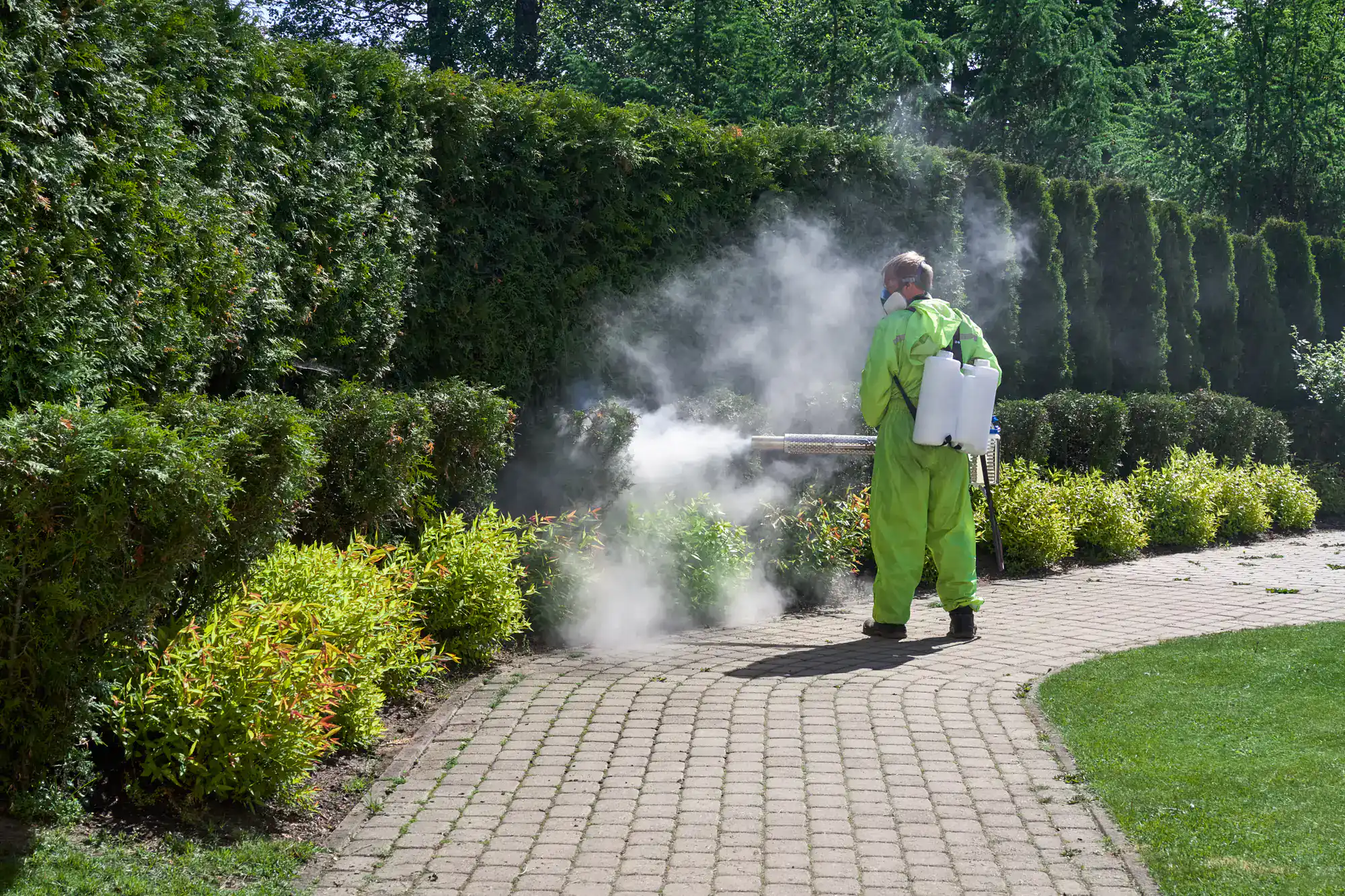
If you’ve found a tick on your kid or your dog after they came in from the backyard, you already know the problem is real. Wading River isn’t just a high-tick area in a general sense local pest control providers have called it one of the worst areas in the country for tick-borne diseases like Lyme disease and Powassan Virus. That’s what professionals who work this area every season have documented firsthand.
The reason it’s this bad here comes down to geography. Wildwood State Park borders residential neighborhoods directly, and it runs an active archery deer hunting program because the deer population requires active management. Every deer that moves from those woods into your yard is carrying ticks with it. Add the Wading River Marsh Preserve and the wooded bluffs along the Sound, and you have permanent tick habitat on three sides of a lot of properties here. Professional treatment isn’t optional in this environment it’s the only thing that actually works.
What changes after a proper seasonal program isn’t just the tick count. It’s how your family uses the yard. Kids playing near the tree line without you running through a mental checklist. Dogs coming back inside without a full inspection. Summer evenings outside that don’t end with a flashlight and tweezers. That’s what effective flea and tick control actually delivers.
We’ve been treating Wading River and surrounding North Shore properties since 1987. That’s not a number thrown out to sound impressive it means our team has treated these lawns through every tick season cycle, every warm winter that sent populations exploding, and every shift in how Lyme disease has spread across this part of Long Island. The Rocky Point, Shoreham, and Wading River corridor is familiar territory.
Every technician who treats your property is a licensed pesticide professional under NYSDEC certification not a laborer with a spray tank. New York State requires a Certified Commercial Applicator for any commercial pesticide application, and plenty of companies quietly work around that. We don’t. You get a trained, credentialed professional on your property every time.
The other thing that sets us apart is the integrated approach. Unlike standalone tick spraying companies, we handle full lawn care too which matters because thin, stressed turf creates exactly the kind of open, low-canopy conditions ticks prefer. Treating the pest without addressing the environment it thrives in is only doing half the job.
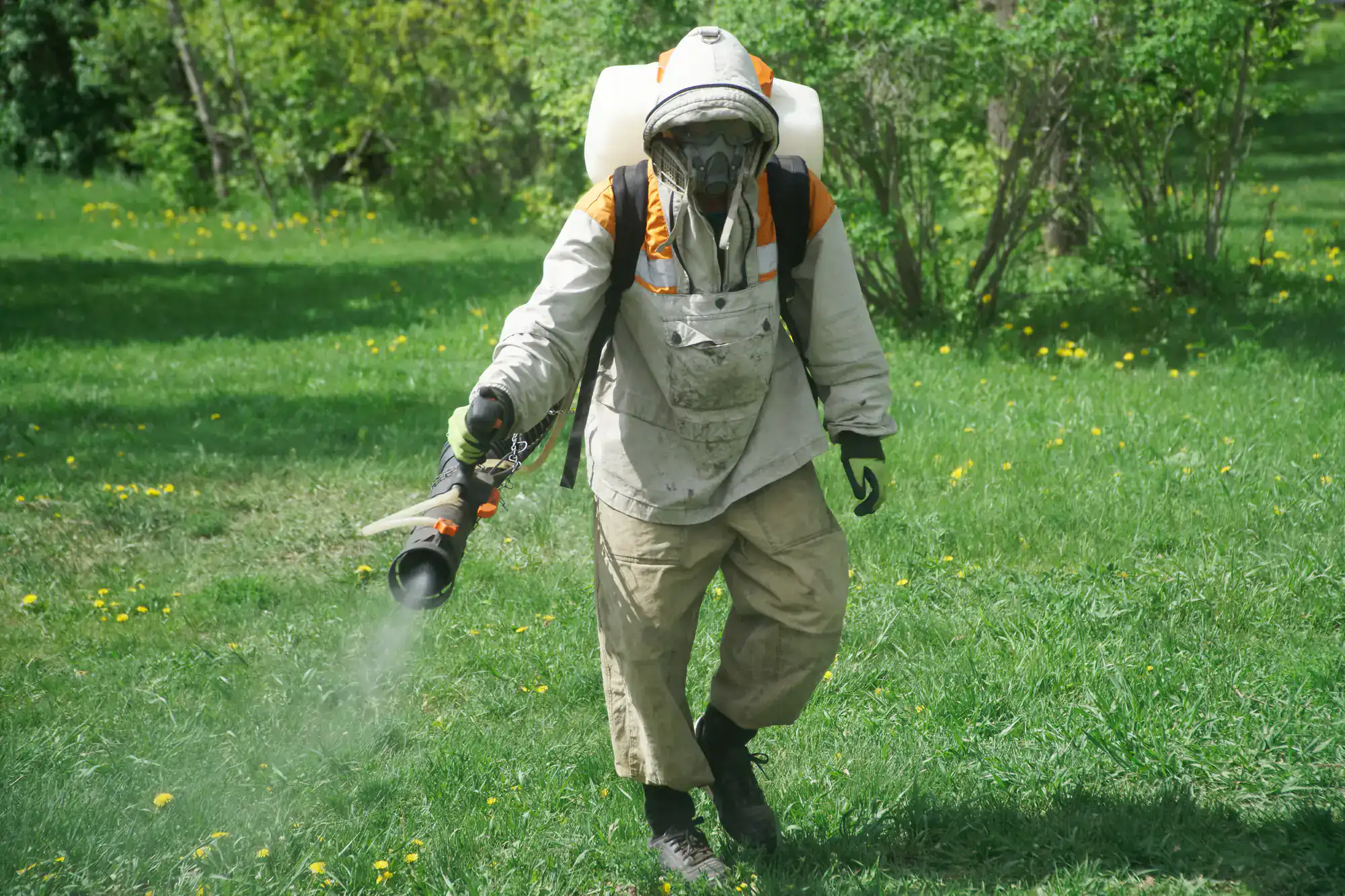
It starts with a property assessment. Wading River lots aren’t all the same a wooded property backing up to the Marsh Preserve needs a completely different approach than a more open lot near Route 25A. Our technician looks at your wooded borders, leaf litter zones, shaded areas, deer pathways, and where your kids and pets actually spend time. That assessment drives everything that follows.
From there, treatment targets the areas where ticks actually live not just the visible lawn. Deer ticks spend most of their lives in the 20-to-30-foot wooded transition zone at the edge of your property, not out in the open. That’s where product needs to go. Applications also target the thatch layer, ground cover, and any brush piles or leaf accumulation that hold moisture and create harborage for both ticks and fleas.
Timing matters as much as technique. On Long Island, the season runs from April through November, with two distinct peaks: nymphal ticks in May and June the most dangerous stage, the size of a poppy seed and adult deer ticks surging again in October and November before winter. A single spray gives you four to six weeks of coverage. A properly structured seasonal program with multiple applications is what actually keeps your yard protected through both peaks. We build the schedule around Long Island’s real tick calendar, and a reminder system keeps everything on track without you having to manage it.

Ready to get started?
Flea and tick control in Wading River isn’t the same as treating a more open suburban lot in a different part of Suffolk County. The sandy, fast-draining soils on the North Shore affect how product moves through the turf layer. The wooded lot character mature tree lines, leaf litter, shaded ground cover creates harborage zones that a perimeter-only spray won’t reach. And the continuous pressure from wildlife moving in from preserved land means reinfestation is a real and recurring factor, not a one-time problem.
Our programs are custom-built for each property. That means the application method, the product selection, the targeted zones, and the seasonal schedule are all based on what’s actually happening on your specific lot not a package pulled off a shelf. For flea control specifically, our professional-grade programs include Insect Growth Regulators that break the lifecycle at every stage: eggs, larvae, pupae, and adults. Store-bought products don’t do this. They treat what you can see and leave the rest of the population intact.
For Wading River homeowners whose properties border wooded land, preserved areas, or high-deer-traffic corridors, the program also addresses the transition zone where ticks breed and stage before moving onto your lawn. That’s the piece most companies skip and it’s the piece that determines whether your yard actually stays protected between visits or just looks treated on paper.
Wading River is genuinely one of the higher-risk areas on Long Island that’s what local pest control professionals who work this area every season have stated directly. A Columbia University study found that 56% of ticks on Long Island carry Lyme disease, and the Suffolk County Department of Health Services believes north shore rates may run even higher than that countywide average. Beyond Lyme disease, Wading River ticks also carry Babesiosis, Anaplasmosis, and Powassan Virus and nymphal tick infection rates for Babesia in Suffolk County have been measured at more than double the rate found in Connecticut.
The ecological drivers in Wading River are specific and significant. Wildwood State Park borders residential neighborhoods and supports a deer population large enough to require an active hunting management program. The Wading River Marsh Preserve and the wooded bluffs along the Sound create permanent, undevelopable tick habitat adjacent to residential properties. Ticks don’t respect property lines they move with deer, wildlife, and through leaf litter from preserved land into maintained yards continuously. That’s why professional seasonal treatment isn’t a luxury here. It’s the practical response to a documented, ongoing risk.
A single application gives you roughly four to six weeks of effective coverage. For a yard in Wading River where tick pressure runs from April through November and includes two distinct activity peaks one treatment per season isn’t a program. It’s a temporary fix.
A properly structured seasonal program typically includes three to six applications timed around Long Island’s actual tick calendar. The first application in April targets emerging adult ticks before they reproduce. May through June coverage addresses nymphal ticks, which are the most dangerous life stage nearly impossible to see and responsible for the majority of Lyme disease transmissions. Summer applications control the growing population through peak outdoor use. And the fall treatments in October and November are critical because adult deer ticks become most aggressive in that window as they seek a host before winter. Many homeowners skip the fall round assuming tick season is over with summer. In Wading River, it isn’t. The program only works when it covers the full season.
Yes when it’s applied by a licensed professional using the right products in the right concentrations. That distinction matters. New York State requires NYSDEC certification for any commercial pesticide application, and a trained applicator knows which products are appropriate, how to apply them correctly, and what re-entry intervals to follow so your family and pets aren’t exposed before the product has dried and settled.
The honest answer is that professional treatment, done correctly, carries far less risk than the alternative. Lyme disease treatment in adults can involve weeks of antibiotics and, in some cases, long-term complications. Babesiosis can be serious enough to require hospitalization. The risk calculus between a properly applied professional tick program and leaving a Wading River yard untreated especially one with wooded borders or deer traffic isn’t close. We use targeted application methods focused on the areas where ticks actually live, not broadcast spraying across the entire property, which keeps product use efficient and exposure minimal.
Most standalone tick spraying companies do exactly that spray a perimeter or lawn surface and move on. They’re not looking at your turf health, they’re not assessing the wooded transition zone where ticks actually breed, and they’re not thinking about how the condition of your lawn affects tick harborage. They treat the pest and leave everything else the same.
Our integrated approach means your lawn’s health is part of the equation. Thin, stressed turf which is common on Wading River’s sandy, fast-draining North Shore soils creates the open, low-canopy conditions that ticks prefer. When your lawn is properly aerated, fertilized, and maintained, you’re reducing the habitat conditions that make your yard attractive to ticks in the first place. No standalone pest control company can address both sides of that equation. We can, because full-service lawn care is what we’ve been built on since 1987. The pest control program and the lawn health program work together, which is a fundamentally different approach than a spray-and-go service.
April is the right starting point for most Wading River properties. That’s when adult ticks begin emerging after winter, and treating before they have the chance to reproduce is the most effective way to reduce the season’s overall population. Waiting until you start finding ticks on your pets or your kids means the population is already established and active you’re reacting instead of preventing.
One factor specific to Wading River and the North Shore is that coastal winters here tend to be slightly milder than inland Suffolk County areas, thanks to the Long Island Sound’s thermal effect. Snow cover, when it occurs, actually insulates ticks rather than killing them local pest control professionals have noted that hard winters with consistent snow lead to larger tick populations the following spring because die-back is reduced. That means in years with heavy snowfall, starting treatment early in April is especially important. Don’t wait for a warm week in May to think about it. By then, nymphal ticks the hardest to spot and the most likely to transmit Lyme disease are already active.
Both are addressed within the same property program, though the treatment approach for each is different. Ticks are primarily an outdoor problem they live in wooded borders, leaf litter, and shaded ground cover, and they move onto your lawn from wildlife corridors and preserved land. The treatment focuses on those harborage zones and the transition areas where ticks stage before reaching your yard.
Fleas are a different lifecycle challenge. In Wading River’s wooded, wildlife-rich environment, pets that spend time outdoors are continuously exposed to fleas from wildlife hosts raccoons, deer, and other animals that move through the area regularly. Our professional flea programs use Insect Growth Regulators that target the lifecycle at every stage, including eggs and pupae that store-bought products completely miss. That’s why homeowners who’ve tried hardware store sprays keep dealing with reinfestation they’re treating the adults they can see and leaving the next generation intact in the soil and thatch. Our approach addresses the full lifecycle, which is the only way to actually break the cycle rather than just knock it back temporarily.
Useful Links
Other Services we provide in Wading River