
Hear from Our Customers
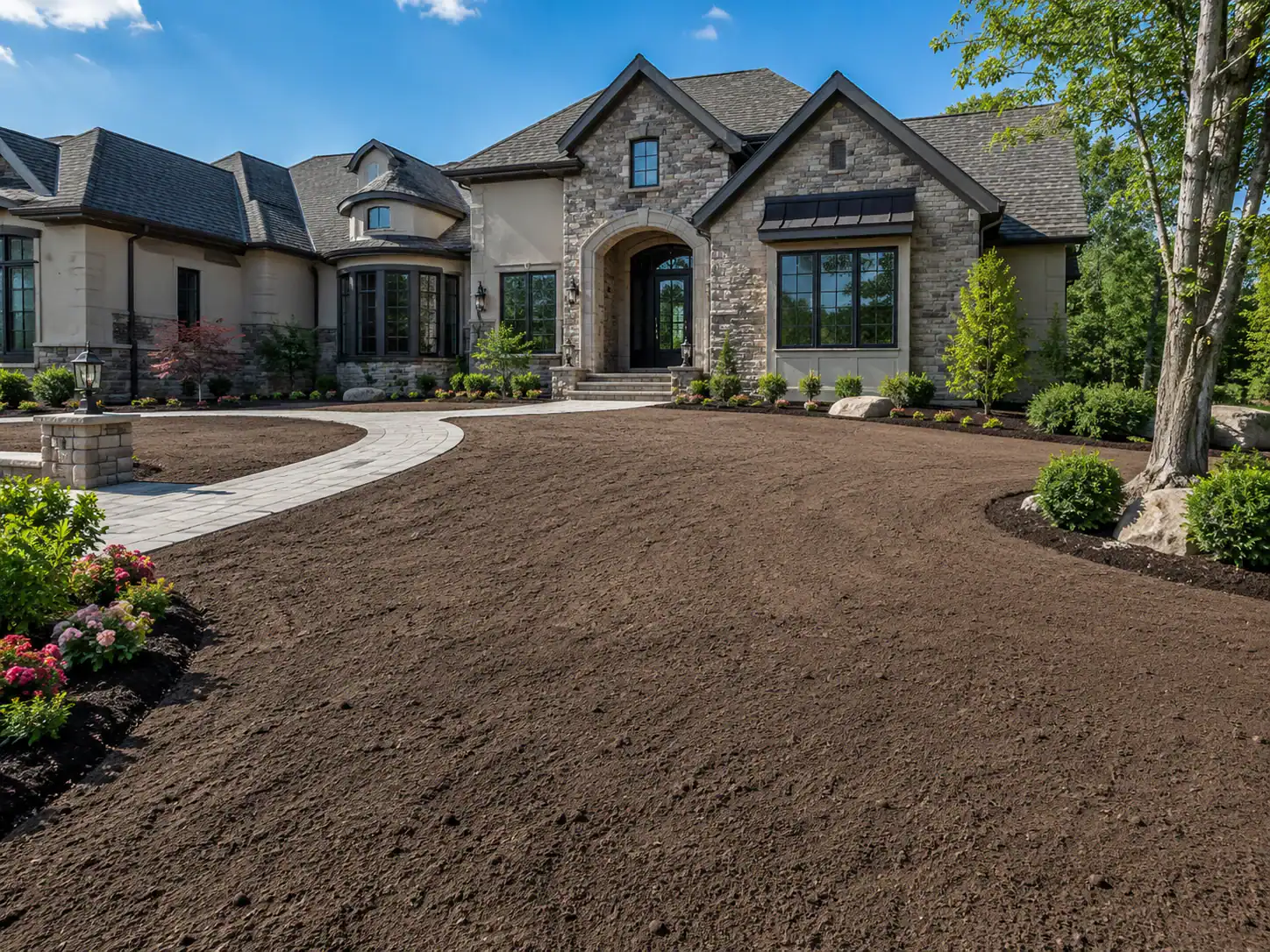
Most Blue Point homeowners who come to us have already tried something. A bag of seed from the hardware store. A season with a national franchise. Maybe a fertilizer program that looked good on paper. The lawn still looks rough, and now you’re wondering if it can even be saved. In most cases, it can but not until someone figures out why it failed in the first place.
Blue Point’s soil is sandy loam with a naturally low nutrient-holding capacity. The Great South Bay keeps the water table elevated through fall and spring, which means your lawn is dealing with waterlogging stress during the exact months when cool-season grass wants to recover. Then summer hits drought, heat, heavy foot traffic and the cycle starts over. Salt air from the bay compounds everything, especially on properties near Corey Beach or the Blue Point Association waterfront, where sodium buildup in the soil disrupts root function in ways that no amount of overseeding will fix.
When those conditions are addressed properly soil pH corrected, compaction relieved, the right seed varieties selected for coastal exposure lawns in Blue Point come back strong. Not just green for a season, but genuinely restored. That’s the difference between treating the symptom and solving the problem.
We’ve been restoring lawns across Suffolk County since the late 1980s. That’s not a marketing number it means we’ve worked through every soil type, every pest cycle, and every weather pattern Long Island throws at a lawn. We know what the South Shore does to turf, and we’ve been fixing it longer than most of the other companies in your search results have been in business.
We’re NYS-licensed pesticide applicators, which matters here. Blue Point sits in a regulated coastal zone where applications near the Great South Bay and its tidal wetlands require a licensed provider. That’s not optional it’s the law. And it’s something a lot of unlicensed local operators quietly skip.
What you’ll notice right away is that we don’t start with a sales pitch. We start with your lawn what it looks like, what the soil is doing, what’s actually causing the decline. The Bayport-Blue Point community is tight-knit. We’ve built our reputation here the same way we built it everywhere else on the South Shore: by getting the diagnosis right and delivering results that last.
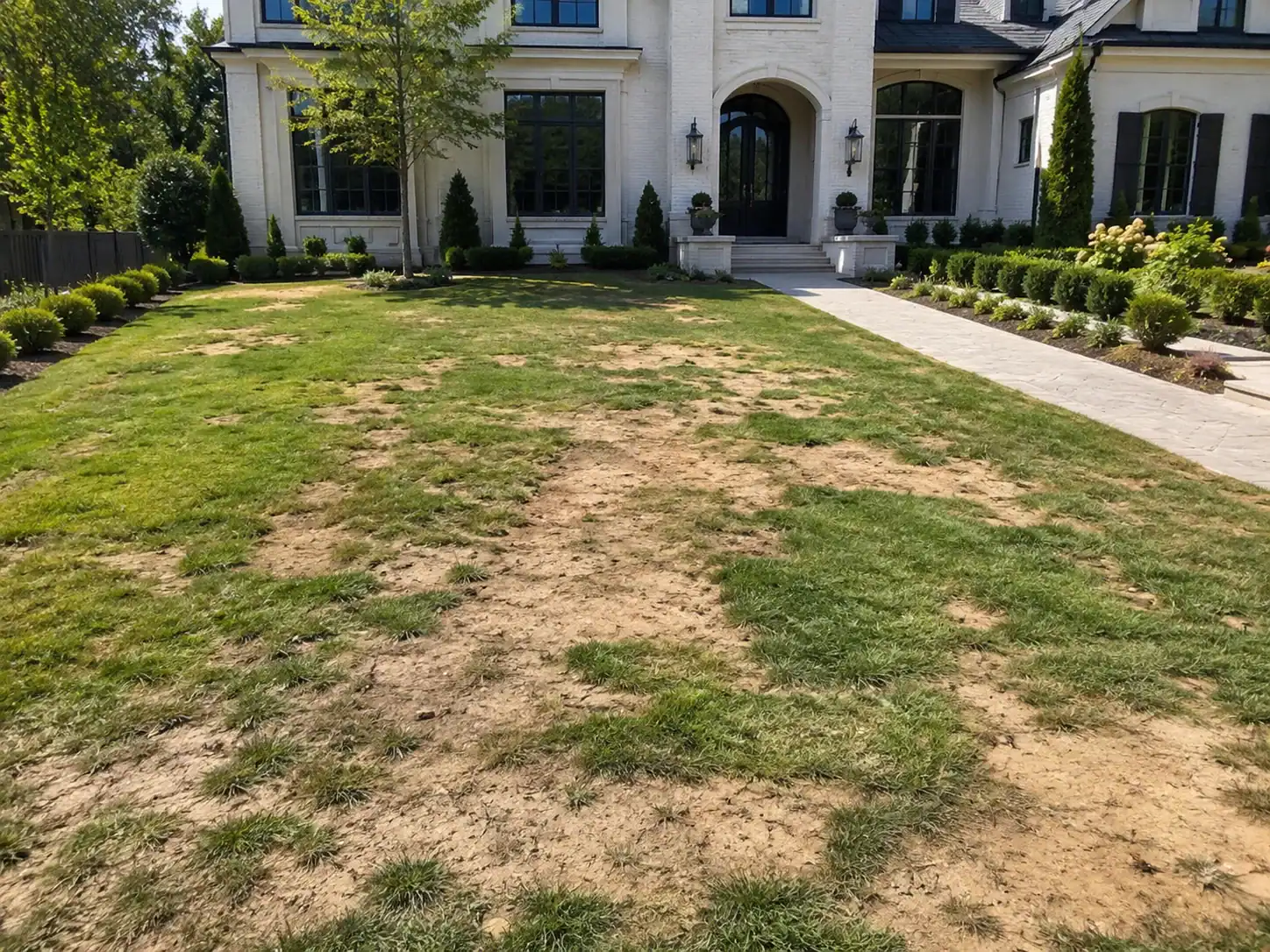
It starts with a site assessment. Before we recommend anything, we look at your lawn bare patches, thinning areas, soil texture, drainage patterns, signs of grub damage or fungal activity. If your lawn near the bay has visible browning along fence lines or property edges facing the water, that’s a salt stress pattern, not a drought problem, and it gets treated differently. Getting this step right is what separates a restoration that lasts from one that fails by next summer.
From there, soil correction comes first. Blue Point’s sandy, acidic soils often need lime to bring pH back into the range where grass can actually absorb nutrients. No amount of seed or fertilizer performs in soil that’s chemically out of balance. We address compaction, thatch, and organic matter before a single seed goes down.
Then comes slice seeding not broadcast overseeding. Slice seeding uses a machine that cuts directly through thatch and deposits seed into the soil profile at the right depth. In Blue Point’s sandy, thatch-prone conditions, this is the method that actually produces germination. Fall is the optimal window on Long Island cooler temperatures, reduced weed competition, and more consistent moisture give new grass the best possible start. We time restoration work to hit that window, so your lawn is establishing through fall and emerging strong the following spring.
Ready to get started?
Lawn restoration in Blue Point isn’t a single service it’s a program built around what your specific property needs. That might mean bare patch repair in areas where grub activity severed the root system. It might mean a full lawn overhaul for a property that’s been declining for several seasons and needs soil correction, aeration, and slice seeding across the entire turf area. It might mean targeted rehabilitation of salt-stressed zones near the Great South Bay shoreline, using seed varieties selected specifically for coastal exposure and salt tolerance.
Every restoration program we put together for Blue Point properties includes a soil assessment, a root cause diagnosis, and a treatment sequence designed for the South Shore’s specific seasonal timing. We don’t apply the same program to a waterfront property on Corey Beach that we’d apply to an inland lot in Holbrook. The soil conditions, drainage patterns, and stress factors are fundamentally different and the program needs to reflect that.
One important distinction worth knowing: lawn restoration means bringing an existing lawn back to health. If your lawn still has a viable turf foundation even if it’s thin, bare in spots, or clearly struggling restoration is the right conversation. If the lawn is beyond recovery and needs to be completely rebuilt from the ground up, that’s renovation, and we handle that too. We’ll tell you honestly which one your lawn actually needs when we come out to look at it.
Restoration means working with what’s already there. If your lawn in Blue Point still has existing turf even if it’s patchy, thinning, or clearly stressed restoration involves correcting the soil, relieving compaction, and slice seeding into the existing lawn to bring it back. It’s a recovery program, not a rebuild.
Renovation is a different scope entirely. That’s when the existing lawn is too far gone to save dead, overrun with weeds, or structurally compromised and the right call is to remove what’s there and start fresh. We’ll assess your lawn honestly and tell you which category it falls into. Most Blue Point lawns we look at can be restored, especially when the decline is caught before it’s gone on for multiple seasons. If yours genuinely needs a full rebuild, we’ll walk you through that process separately rather than oversell a restoration program that won’t hold.
This is the most common question we get, and the honest answer is: it depends on what caused the damage and how long it’s been going on. In Blue Point specifically, the most recoverable situations are lawns that have thinned out due to soil chemistry issues acidic pH, compacted sandy soil, salt buildup near the bay because once those root causes are corrected, the turf responds well to slice seeding and a proper rehabilitation program.
Lawns that are harder to restore are ones where grub damage has been left untreated for multiple seasons, where the soil has been severely depleted, or where the decline is so widespread that there’s essentially no viable turf base remaining. When we come out to assess your property, we’re looking specifically for signs of recoverable root structure and turf density. If restoration is viable, we’ll tell you. If it’s not, we won’t take your money for a program that won’t work.
For most lawns on Long Island, you’ll start seeing germination from slice seeding within 14 to 21 days under good conditions consistent moisture, moderate temperatures, and soil that’s been properly prepared. Meaningful turf density, where the lawn genuinely looks recovered rather than just sprouted, typically takes one full growing season.
Fall is the best window for restoration work in Blue Point and across Suffolk County. Cool-season grasses fescues, perennial ryegrass, Kentucky bluegrass germinate well in fall soil temperatures, face less competition from crabgrass and summer weeds, and have the entire cool season to establish before the following summer’s heat and drought stress arrives. A lawn restored in September and October is in a fundamentally stronger position by the time June comes around than one seeded in spring, which has only a few weeks to establish before summer stress begins. Patience through the first winter is normal the root system is building underground even when top growth slows.
Yes, and it’s one of the more underdiagnosed problems we see on South Shore properties. Salt drift from the Great South Bay accumulates in the soil over time, raising sodium levels and disrupting the osmotic balance that grass roots depend on to absorb water and nutrients. The result looks like drought stress browning, thinning, dieback but watering more doesn’t fix it because the problem isn’t moisture availability, it’s soil chemistry.
Properties near Corey Beach, the Blue Point Association waterfront, and anywhere with direct bay exposure are most susceptible, but even lawns a few blocks inland in Blue Point can accumulate enough salt over several seasons to affect turf health. Addressing salt damage requires soil amendment and, in some cases, flushing the affected zones before reseeding. We look for salt stress patterns specifically when assessing waterfront and near-waterfront properties in Blue Point, because treating it as a standard bare patch repair won’t produce lasting results.
The cost of lawn restoration in Blue Point varies based on the size of your lawn, the extent of the damage, and what the soil actually needs before seeding can begin. A targeted bare patch repair program on a smaller area is a different investment than a full lawn overhaul across an entire property that needs soil correction, aeration, and slice seeding throughout.
What we can tell you is that the diagnostic step understanding what’s actually wrong is what determines whether your investment produces lasting results or just temporary green. Blue Point homeowners who’ve spent a season or two on generic programs that didn’t hold often find that a properly scoped restoration program is more cost-effective in the long run than repeating the same approach and getting the same outcome. The best way to get an accurate number is to have us come out, assess the property, and give you a real estimate based on what your specific lawn needs. There’s no obligation, and you’ll leave the conversation knowing exactly what’s going on with your lawn regardless of whether you move forward with us.
The most common reason DIY restoration fails in Blue Point is that the root cause never gets addressed. Spreading seed over a lawn that has acidic, compacted, or salt-affected soil is like painting over a water stain it looks okay briefly, then the same problem comes back. Sandy loam soils in this area have low nutrient retention, which means broadcast seed often doesn’t make adequate soil contact, and whatever fertilizer you apply leaches through before the new grass can use it.
Slice seeding equipment, soil pH testing, lime application, and proper aeration aren’t things most homeowners have access to and even when they rent equipment, the timing and sequencing of each step matters more than most people realize. Fall seeding needs to happen within a specific window. Soil correction needs to happen before seeding, not after. Grub damage needs to be treated before you reseed, or the new grass gets destroyed by the same population that killed the old grass. These aren’t complicated concepts, but they require the right tools, the right timing, and enough experience with South Shore soil conditions to apply them correctly. That’s what 38 years in Suffolk County actually looks like in practice.
Useful Links
Other Services we provide in Blue Point