
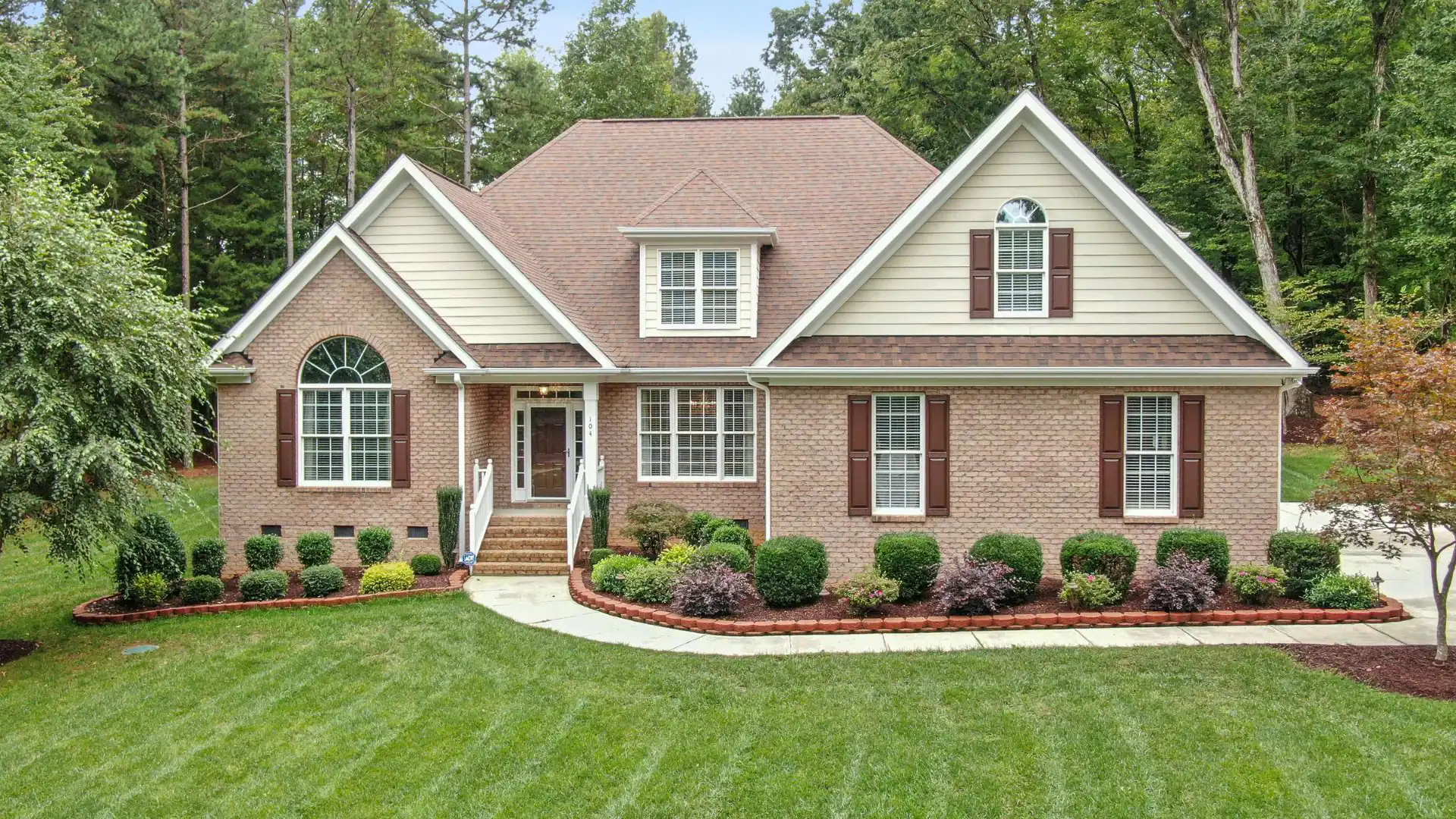
Hear from Our Customers
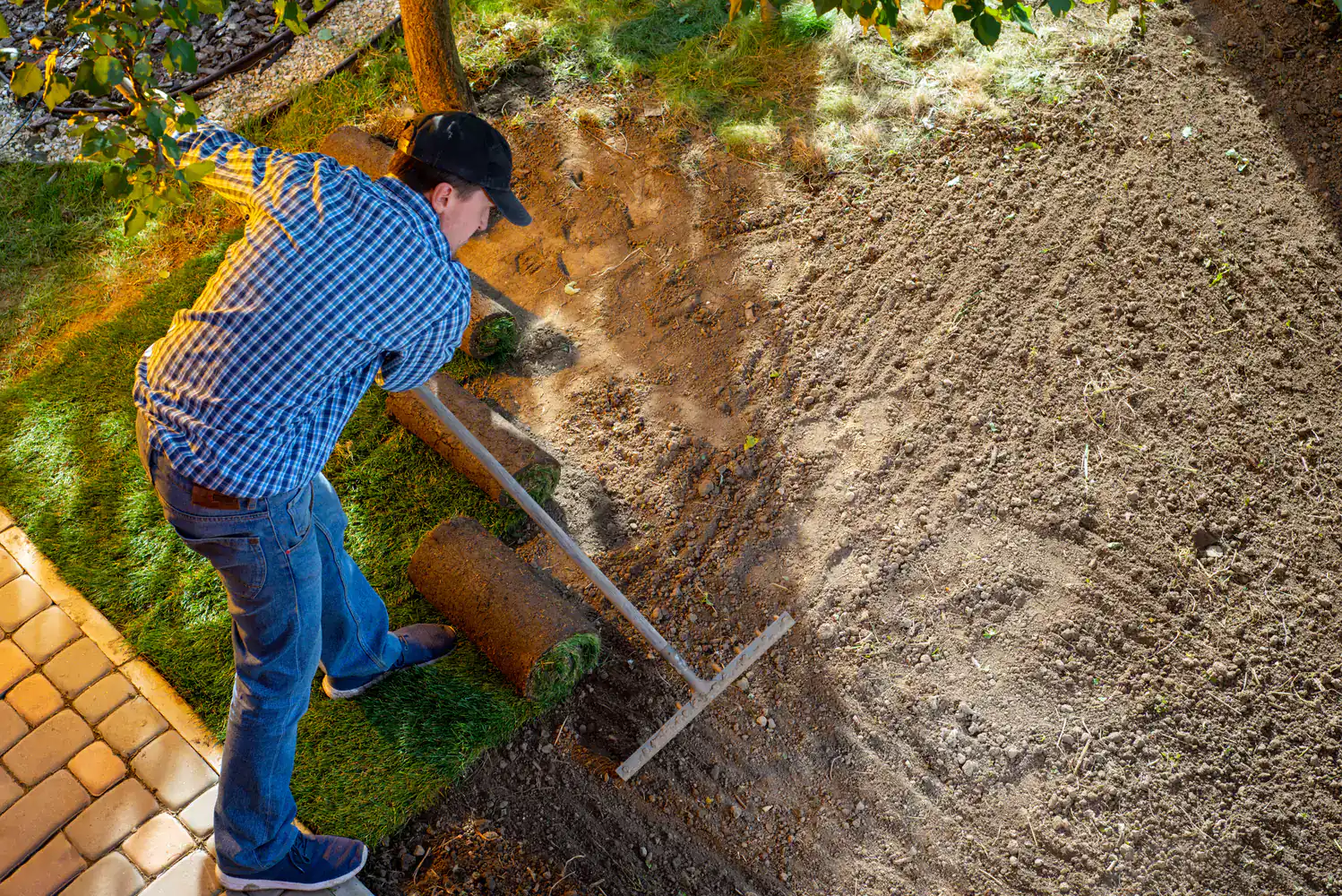
When you’re standing in front of bare ground after a new build or a major renovation, the lawn isn’t just landscaping it’s the last thing standing between a finished property and one that still looks like a job site. Getting it right matters more than most people realize until they’ve gotten it wrong once.
Port Jefferson Station sits on sandy loam soil that drains fast and holds almost nothing. It sounds harmless until you’ve watched a lawn installation fail because the seed went down on unprepared ground with no topsoil depth and nothing to hold moisture through July. That’s not a watering problem. That’s a foundation problem. When the soil is properly amended, graded, and seeded with the right cool-season blend for North Shore conditions, the lawn that comes up is dense, dark, and built to last not something you’re nursing through its second summer.
For homeowners in Port Jefferson Station, where median property values are pushing $550,000 and rising, the lawn is part of the investment. Neighbors notice. Buyers notice. And after months of construction or renovation work, you’ve earned the right to a finished exterior that actually looks the part. A lawn installed correctly the first time doesn’t just look better it costs less over time, because you’re not redoing it.
We aren’t a general landscaping company that mows, mulches, and happens to offer installation on the side. New lawn installation and total lawn renovation is what we do and it’s all we’ve done for 38 years, right here in Port Jefferson Station.
Our mailing address is PO Box 477, Port Jefferson Station, NY 11776. That’s not a service area claim that’s where we’re based. We know the sandy loam soil along the North Shore. We know how the ground behaves after a Suffolk County winter. We know the seasonal windows that give a new lawn the best possible start, and we know what happens when those windows get missed.
When you call us, you’re not getting a franchise crew reading your address off a map. You’re getting a specialist who has been installing lawns in communities like yours from the neighborhoods near the Comsewogue School District to the properties along Route 112 since the mid-1980s. That kind of experience doesn’t come from a website. It comes from decades of showing up and getting it right.
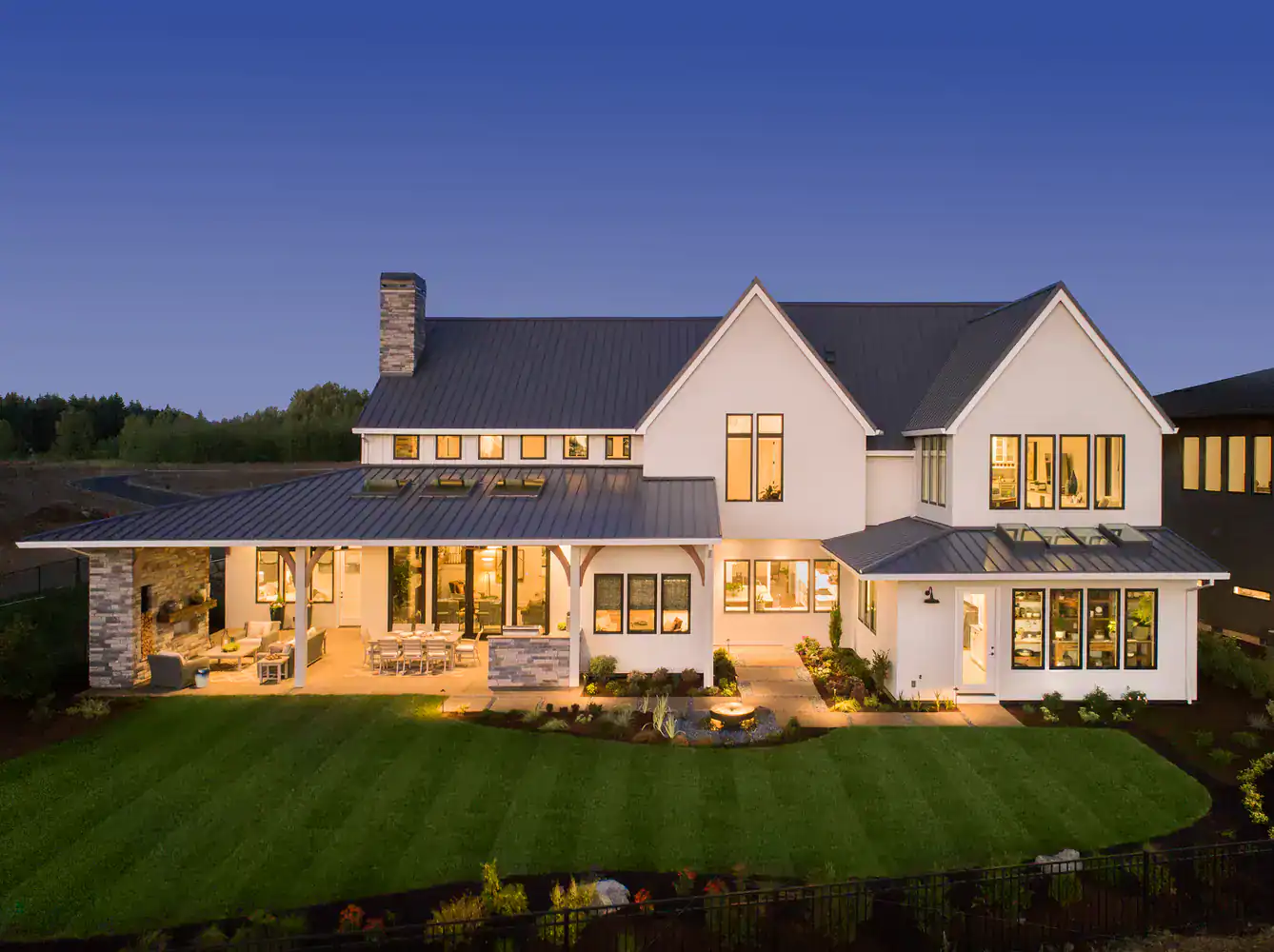
Before anything goes into the ground, we start with the ground itself. On Long Island’s North Shore, that means assessing your existing soil conditions drainage, compaction, pH, and topsoil depth. Post-construction sites in Port Jefferson Station are some of the most challenging we see: heavy equipment compacts the subsoil, topsoil gets stripped or buried, and what’s left behind doesn’t support grass. We address all of that before a single seed is placed.
Once the soil is assessed, we handle grading and topsoil installation where needed, followed by soil amendment to correct pH and nutrient levels for cool-season grasses. Tall fescue, Kentucky bluegrass, and perennial ryegrass blends are the standard for Long Island, and the specific mix we recommend depends on your sun exposure, soil conditions, and how the lawn will be used. Timing matters here late summer through early fall is the optimal window for new lawn establishment on the North Shore, giving roots time to develop before winter without competing with summer weeds.
After installation, you’ll get a clear establishment timeline what to expect at 30, 60, and 90 days, how to water during the first critical weeks, and what to watch for as the lawn fills in. Suffolk County’s phosphorus application laws also allow high-phosphorus starter fertilizer on new installations, which we use to give the root system the strongest possible start. You won’t be left guessing what comes next.
Ready to get started?
Every new lawn installation we complete in Port Jefferson Station starts with a site-specific plan not a standard package applied to every property regardless of conditions. The size of the area, the degree of grading required, the soil amendment needed, and the right installation method all get evaluated before we quote the job. For most residential properties in this area, that means choosing between seed-based installation and seeding, also called seeding.
seeding is a strong option for larger properties it’s faster than hand-seeding, establishes a more even coverage across graded terrain, and costs significantly less than sod while producing root systems that grow in place rather than being transplanted. Sod is available for homeowners who need immediate coverage or have a specific timeline. We’ll tell you which method makes sense for your property and why not which one is more convenient for us.
What’s included in every installation: soil assessment, grading where required, topsoil addition to appropriate depth, soil amendment and pH correction, region-matched seed or sod selection, application, and a full post-installation establishment guide. For Port Jefferson Station homeowners finishing a new construction home including the new builds currently going up near Route 112 or coming off a major renovation, this is the complete from-scratch build your property needs. The work is done by specialists, not a maintenance crew squeezing installation between mowing routes.
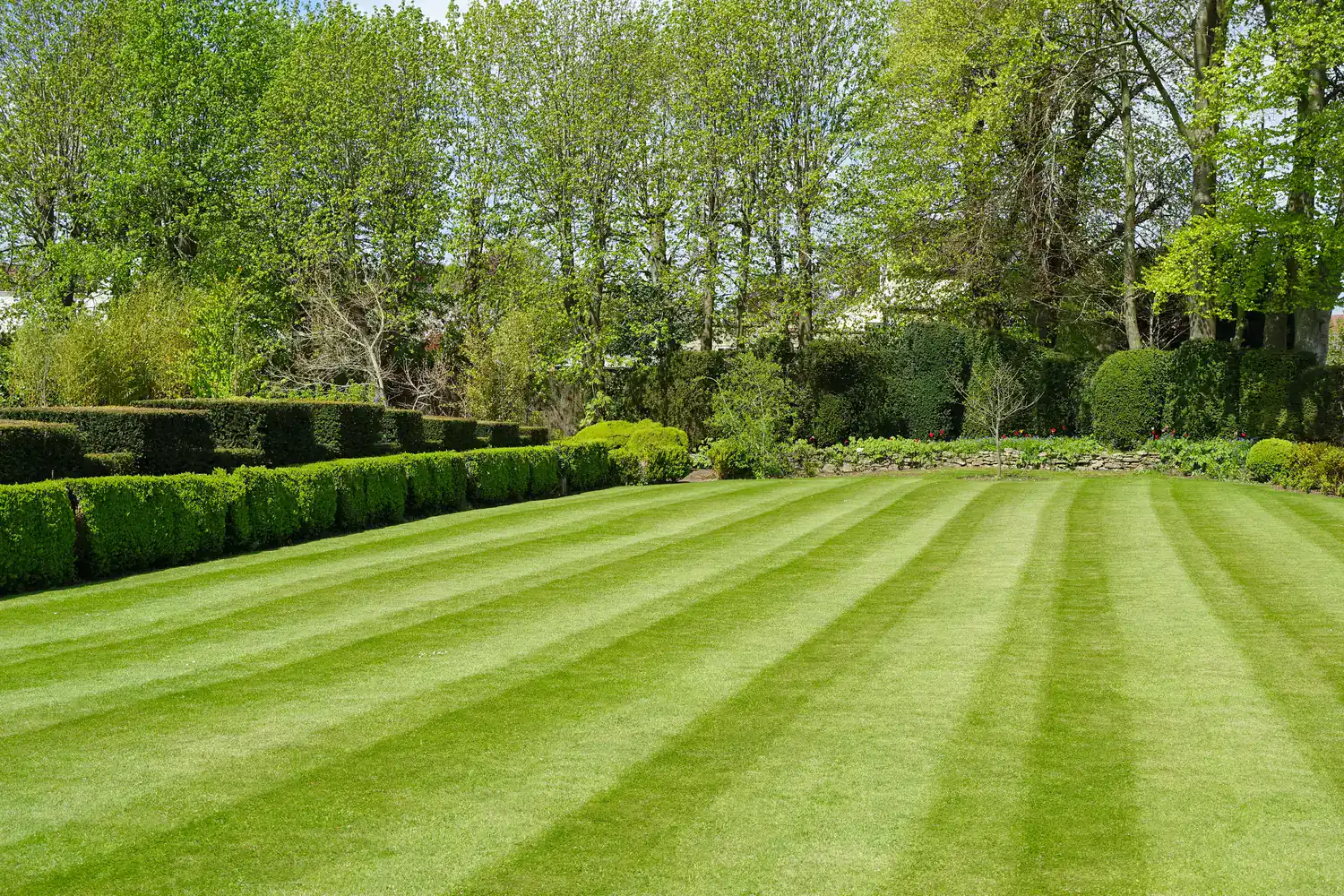
Port Jefferson Station sits on Long Island’s North Shore, where the soil is predominantly sandy loam fast-draining, low in organic matter, and prone to drying out quickly in summer. For that environment, cool-season grass blends are the standard: tall fescue, Kentucky bluegrass, and perennial ryegrass are the most common, often used in combination to balance durability, drought tolerance, and visual density.
Tall fescue is particularly well-suited to North Shore conditions because its deep root system handles sandy soil better than shallower-rooted varieties. A blend that includes perennial ryegrass will establish faster, which matters when you’re working with a post-construction timeline. The specific mix we recommend depends on your sun exposure, how much foot traffic the lawn will see, and the condition of your soil going in. There’s no universal answer the right blend for a shaded backyard in Terryville is different from the right blend for a full-sun front yard near Route 112.
For a standard residential property in Port Jefferson Station, new lawn installation generally runs between $1.00 and $3.00 per square foot for seed-based or hydroseeded installations, with sod installation running higher typically $1.50 to $3.50 per square foot installed in the Long Island market. For a property with 5,000 to 8,000 square feet of lawn area, that puts a full professional installation somewhere in the $3,000 to $12,000 range, depending on how much grading, topsoil, and soil amendment is required.
The biggest variable in that range is the condition of the ground before we start. A new construction site in Port Jefferson Station where heavy equipment has compacted the subsoil and stripped the topsoil requires significantly more prep work than a property where the existing lawn is simply being torn out and replaced. The cost of skipping that prep work hiring someone who throws seed down on unready ground is almost always higher in the end, because you’re paying twice. We give you a clear, itemized quote before anything starts so you know exactly what you’re paying for.
Late August through mid-October is the ideal window for new lawn installation on Long Island’s North Shore, and that applies directly to Port Jefferson Station. Cool-season grasses the varieties that perform best in this climate germinate and root most aggressively when soil temperatures are between 50 and 65 degrees Fahrenheit. That window falls squarely in late summer and early fall here, before the ground hardens but after the worst of summer heat stress has passed.
Spring installation is possible, but it comes with real trade-offs. Weed pressure is significantly higher in spring, which means new grass seedlings are competing for resources right from the start. Summer heat stress follows quickly, and a lawn that hasn’t fully established by June is vulnerable. Fall installations avoid both problems weed competition drops, temperatures moderate, and the lawn has the entire fall to root before going dormant for winter. When it comes back in spring, it comes back established. If you’re finishing a construction project or renovation in Port Jefferson Station and your timeline allows for a fall install, that’s the window we’d recommend targeting.
In most cases, yes and on Long Island’s North Shore, this is one of the most important steps in the entire process. The sandy loam soil that’s native to Port Jefferson Station doesn’t retain moisture or nutrients well on its own. Without adequate topsoil depth generally four to six inches minimum for a new lawn the grass root system has nowhere to go, and the lawn struggles through its first summer regardless of how well it was seeded.
Post-construction sites make this even more critical. When a builder or contractor has been working on a property, heavy equipment compacts the subsoil and the existing topsoil often gets stripped, buried under fill, or contaminated with construction debris. What looks like soil on the surface may be mostly subsoil or fill material that won’t support turf at all. We assess topsoil depth and quality as part of every new installation evaluation, and we won’t recommend seeding over ground that isn’t ready to support it. Adding the right amount of quality topsoil upfront is one of the highest-return investments in the entire installation process.
seeding sometimes called seeding is a method where a mixture of seed, fertilizer, water, and a bonding agent called mulch or tackifier is sprayed across the prepared soil surface in a single application. The slurry holds moisture around the seed, promotes faster and more even germination, and bonds to the soil to reduce erosion on graded or sloped areas. It’s particularly effective on larger residential properties and on sites where the terrain has been graded both of which are common in Port Jefferson Station after construction or renovation work.
Compared to hand-seeding, seeding produces more consistent coverage across uneven ground. Compared to sod, it costs significantly less and produces root systems that grow in place rather than being transplanted, which tends to mean better long-term performance. The trade-off is time a hydroseeded lawn takes longer to establish than sod, typically four to eight weeks before it’s ready for regular foot traffic. For most Port Jefferson Station homeowners who aren’t working against a hard deadline, seeding offers the best combination of cost, coverage, and long-term results. We’ll walk you through both options and tell you honestly which one fits your property and timeline.
The general rule is this: if more than 50 percent of your lawn area is bare, dead, or dominated by weeds, a full replacement will almost always produce better results than trying to repair it. Overseeding and repair work best on lawns that have a healthy base to work with they fill in thin or patchy areas by building on what’s already there. When there’s nothing solid to build on, you end up spending money on a repair that doesn’t hold.
In Port Jefferson Station, the most clear-cut cases for full replacement are post-construction sites, properties where the lawn was destroyed by renovation work, and older homes and with a median construction year of 1969, there are plenty of those here where the lawn has been neglected long enough that the soil underneath has compacted and the turf itself has been overtaken by weeds or bare patches. There’s also a less obvious scenario: lawns that look like they might be fixable but have underlying drainage or grading problems that will keep causing failure no matter how many times you overseed. If water pools in certain areas after rain, if the ground feels hard and compacted underfoot, or if you’ve overseeded the same spots two or three times without lasting results, those are signs the problem is below the surface. A site evaluation will tell you which situation you’re actually dealing with.
Useful Links
Other Services we provide in Port Jefferson Station