
Hear from Our Customers
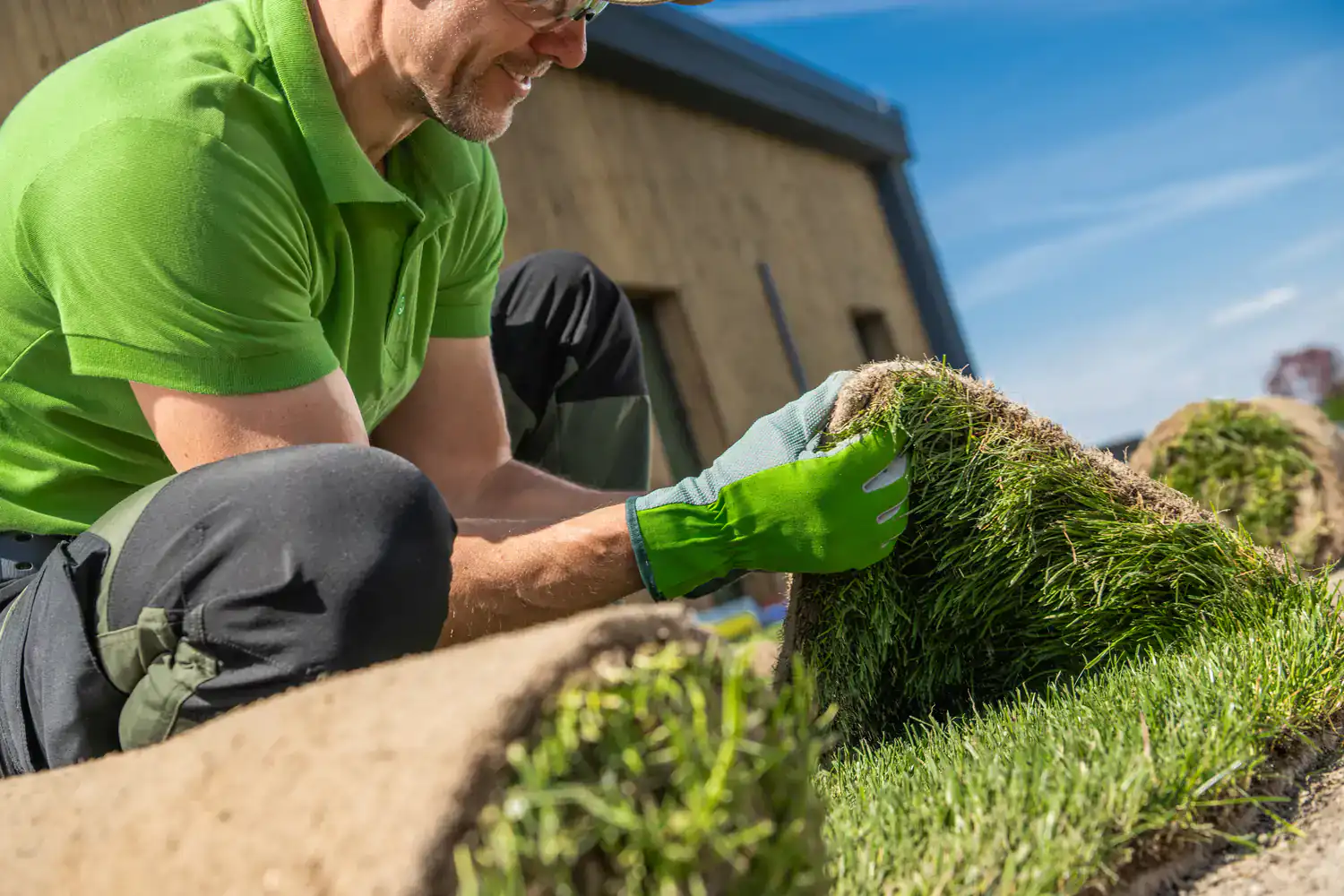
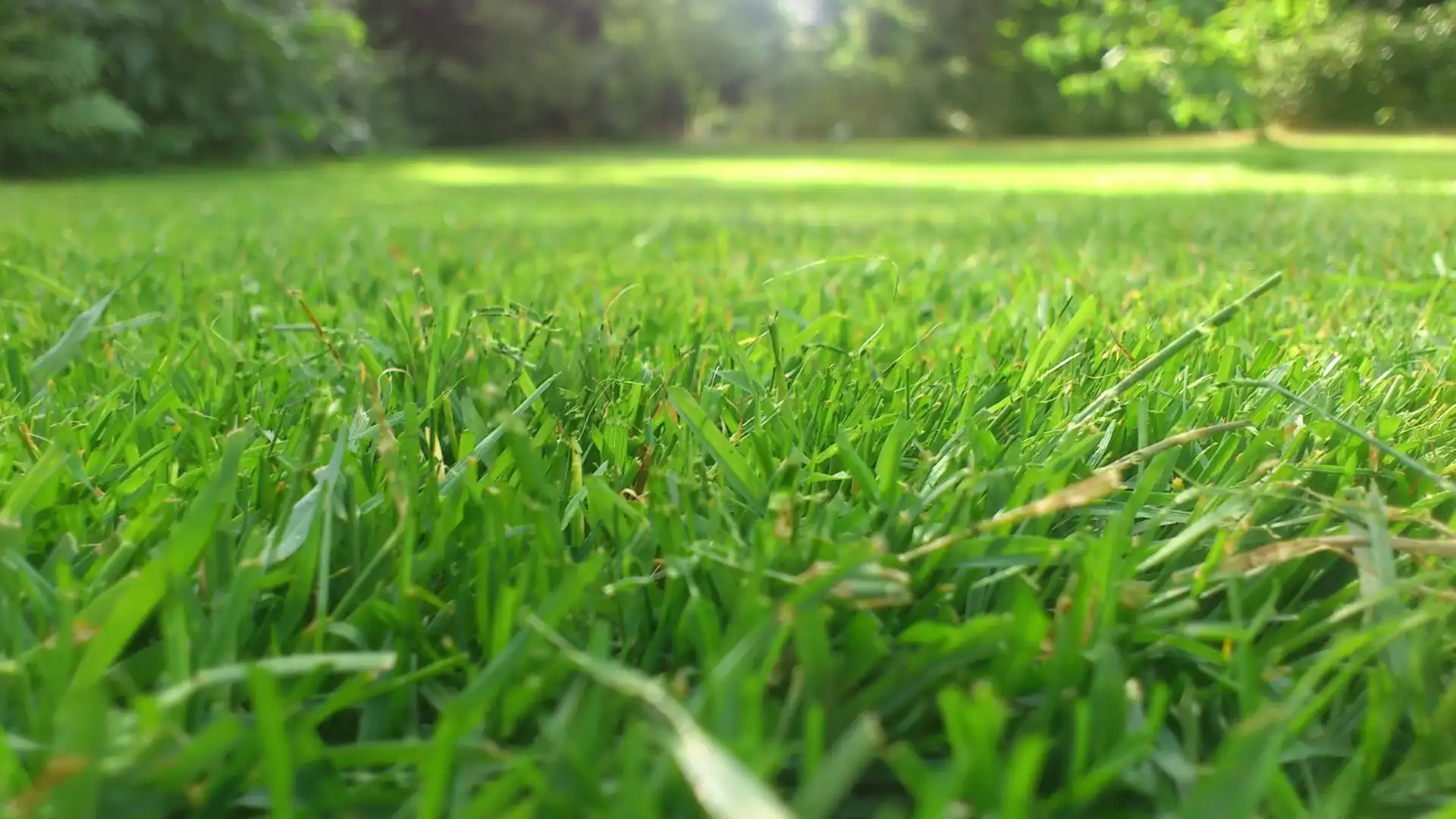
A thick lawn isn’t just about looks. It crowds out weeds before they have a chance to settle in, holds moisture through dry summers, and gives your property the kind of curb appeal that holds up year after year. When your turf is dense and deep-rooted, you spend less time fighting problems and more time just enjoying your yard.
In Stony Brook, that result doesn’t come easy. The wooded lots near the historic village center and along the harbor-adjacent streets create heavy shade that gradually thins out grass over time. Oak and maple canopy compete with your turf for light and root space, and standard seed mixes aren’t built for those conditions. Getting a real outcome here means selecting the right cool-season varieties for your specific sun exposure not just whatever comes in a box.
The soil adds another layer. Stony Brook’s sandy loam drains quickly, holds little organic matter, and runs slightly acidic conditions that quietly work against germination even when everything else looks right. A lawn seeding program that accounts for pH, soil contact, and variety selection from the start produces results that last. One that skips those steps produces disappointment.
We operate exclusively in Suffolk County. This isn’t a national franchise routing calls through a regional office it’s a team that works these lawns every season and understands what North Shore Long Island actually demands from a seeding program.
The Three Village area Stony Brook, Setauket, East Setauket has a specific set of challenges that generic lawn care companies consistently underestimate. The older residential properties near Stony Brook Village Center carry decades of soil compaction and turf decline. The wooded lots near Avalon Park and Preserve deal with shade stress that standard seed blends can’t handle. The harbor-adjacent properties sit within a watershed where Suffolk County’s fertilizer regulations directly shape what responsible lawn care looks like.
Every program we build is designed around what’s actually happening on your property not a template dropped in from somewhere else. That specificity is what produces lawns that establish, hold, and look the way a Stony Brook property should.
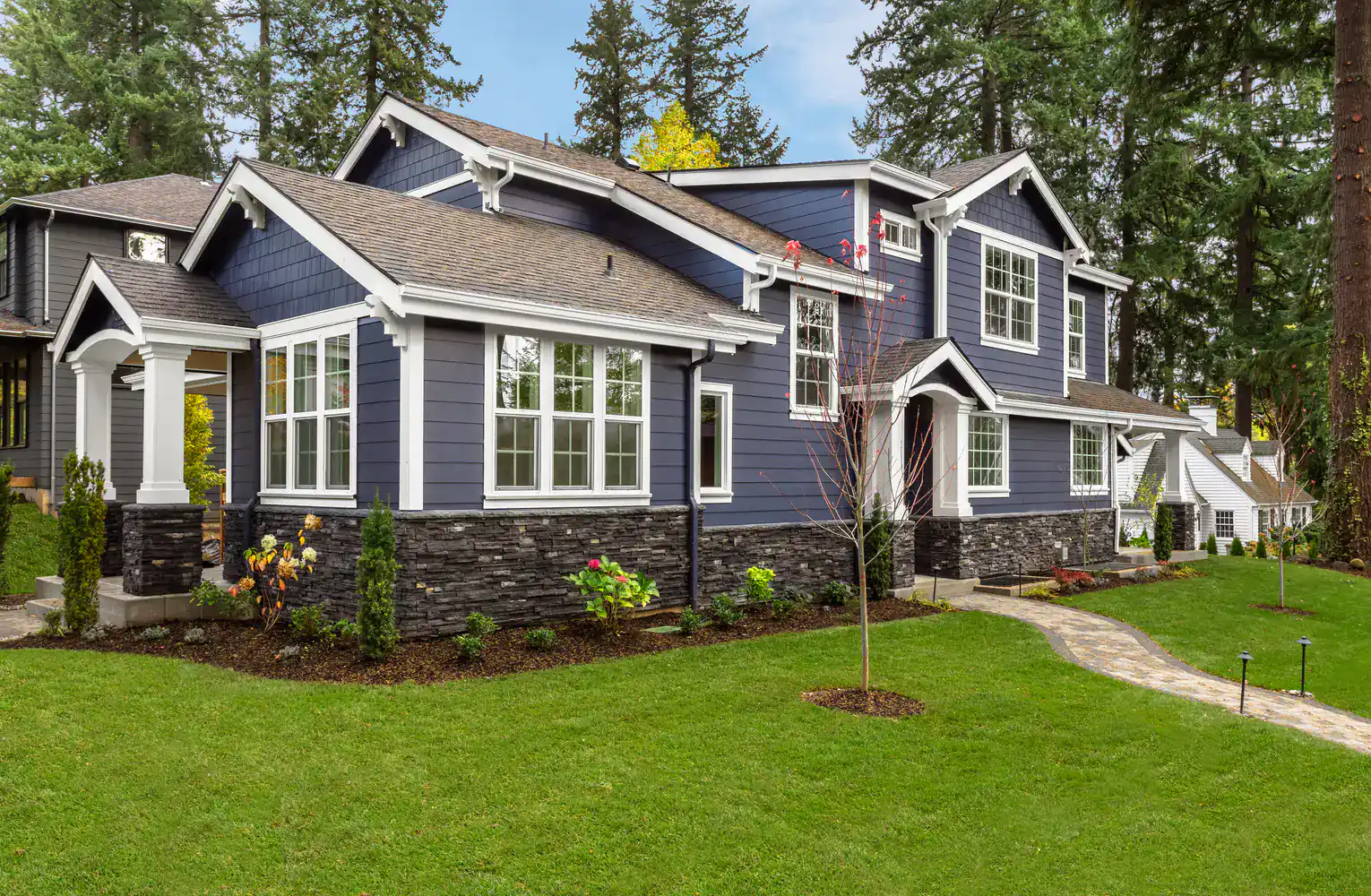
It starts with an honest look at what’s going on. Before any seed goes down, the condition of your soil, the sun exposure across your lawn, and the state of your existing turf all factor into what comes next. Stony Brook properties vary significantly a newer build near the university corridor has different needs than an older wooded lot near the harbor and the program gets built accordingly.
From there, core aeration comes before seeding. In Stony Brook’s compacted residential soils, seed scattered on the surface has poor soil contact and limited germination. Aeration opens channels directly into the ground so seed falls into prepared soil rather than sitting on top of thatch. This step isn’t optional it’s the difference between a lawn that takes and one that doesn’t. For larger bare areas or challenging grades, we use hydraulic lawn seeding to provide uniform coverage and moisture retention that hand-seeding can’t match.
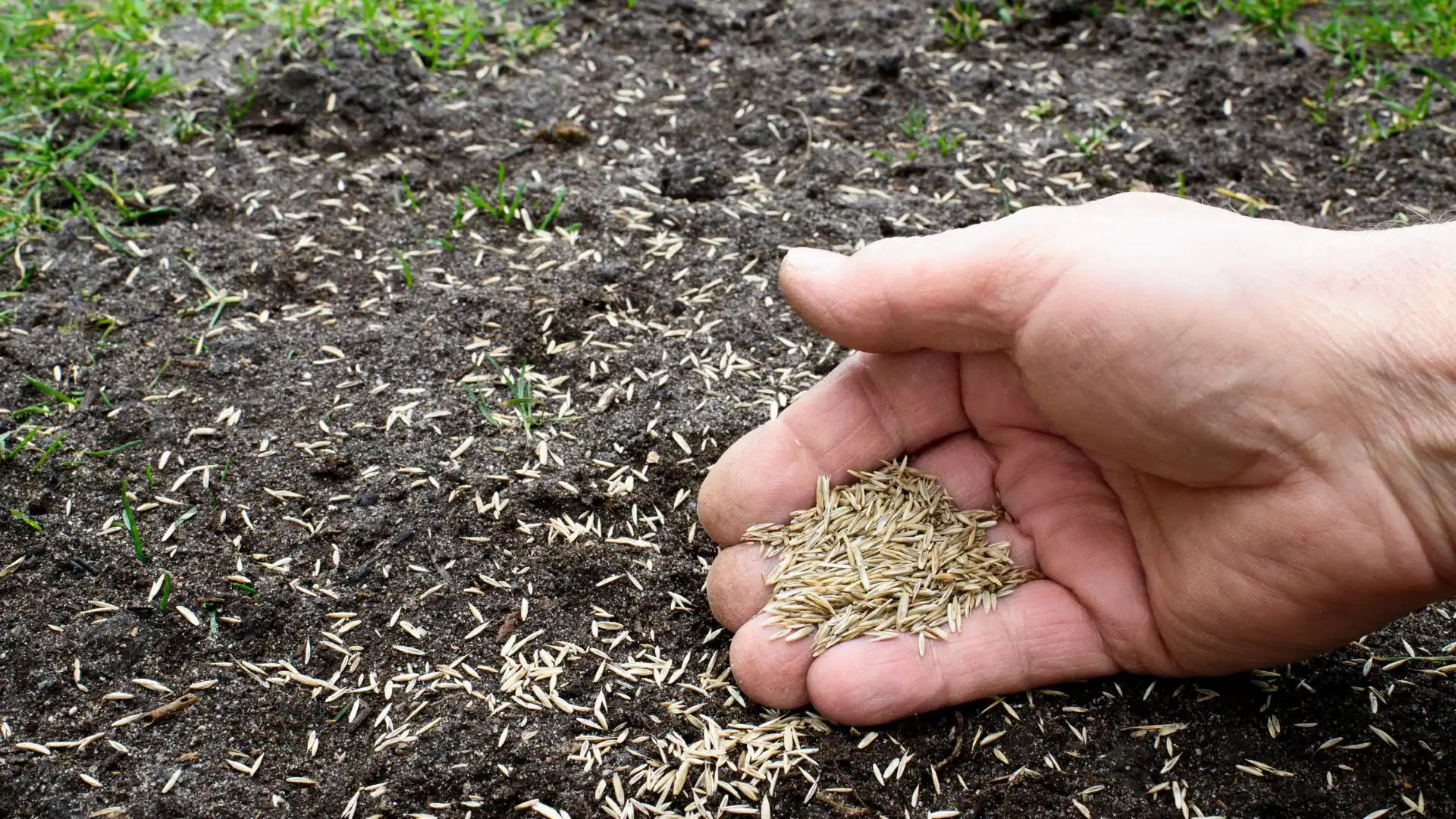
Then comes seed selection. Tall fescue and fine fescue blends go to shaded areas. Kentucky bluegrass goes where full sun allows it to perform. Perennial ryegrass fills in quickly as a nurse grass in mixed conditions. The timing is fall September through mid-October when soil temperatures are still warm, air is cooling, and weed competition has dropped off. That window is the reason fall lawn seeding in Suffolk County consistently outperforms spring attempts, and we schedule around it deliberately.
Ready to get started?
Whether you’re starting from bare ground or trying to restore a lawn that’s been thinning for years, the inputs and execution matter more than most homeowners realize. We use premium-grade, regionally tested cool-season grass seed not commodity filler with verified germination rates and disease resistance suited to Long Island’s climate. The varieties we select for your lawn depend on what’s actually growing, what’s shading it, and what your soil is doing.
For Stony Brook properties in the 11790 zip code particularly those with the mature canopy common to the historic village area and neighborhoods near Stony Brook Harbor shade-tolerant tall fescue and fine fescue blends are frequently the right call. On sunnier lots closer to the Nicolls Road corridor or newer developments near the university, Kentucky bluegrass delivers the premium density and color that fits a property at this price point.
Every seeding program we manage also operates within Suffolk County’s fertilizer regulations. That means no phosphorus applications unless your soil test confirms a deficiency or you’re establishing a new lawn, no fertilizer between November 1 and April 1, and slow-release nitrogen formulations that feed your new turf without contributing to runoff into Stony Brook Harbor or the surrounding watershed. For a community this close to the water and this environmentally aware that’s not a footnote. It’s how responsible lawn care gets done here.
The best window for lawn seeding in Stony Brook is September 1 through mid-October. During this period, soil temperatures are still warm enough for cool-season grass seed to germinate typically above 50°F while air temperatures have dropped enough to reduce heat stress on new seedlings. Weed competition, particularly from crabgrass, has also naturally declined by this point, which gives your new turf a cleaner start.
Spring seeding is possible but carries real trade-offs on Long Island. Seedlings that germinate in April or May have to survive their first summer heat almost immediately after establishment, and the window between workable soil and summer stress is narrow. Pre-emergent herbicide programs which most lawns need in spring also conflict directly with new seed timing. Fall seeding in Stony Brook consistently produces better results, and we build our scheduling around that window to make sure you don’t miss it.
For the heavily shaded lots that are common throughout Stony Brook particularly near the historic village center, along the harbor, and under the mature oak and maple canopy that defines much of the North Shore character tall fescue and fine fescue blends are the most reliable performers. These varieties tolerate reduced light, handle root competition from established trees, and hold up through Long Island’s summer heat better than shade-sensitive options like Kentucky bluegrass.
Kentucky bluegrass is still the right call for full-sun areas. It produces a dense, premium-looking turf that suits the property values in this market, but it struggles under heavy canopy and will thin out over time if placed in the wrong conditions. Perennial ryegrass is often used as a nurse grass in mixed-condition lawns it germinates quickly and provides early coverage while slower-establishing varieties fill in. The right blend depends on what your specific property is dealing with, which is why a site assessment before seeding matters more than a one-size recommendation.
Aeration before seeding isn’t a requirement in a technical sense, but skipping it significantly reduces your chances of a successful outcome especially in Stony Brook. The sandy loam soils throughout the Three Village area compact over time under foot traffic, root pressure from mature trees, and seasonal freeze-thaw cycles. When soil is compacted, seed scattered on the surface has poor contact with the ground, struggles to anchor, and dries out quickly between waterings.
Core aeration punches holes directly into the soil profile, loosening compaction and creating channels where seed can fall into prepared ground rather than sitting on top of thatch. The germination rate difference between seeding on aerated versus non-aerated soil is meaningful not marginal. For homeowners who’ve tried overseeding on their own and seen thin or patchy results, compaction and poor seed-to-soil contact are usually the explanation. We pair aeration with every seeding program because the results consistently justify it.
Lawn seeding costs in Suffolk County vary based on the size of the area being seeded, the condition of the existing turf, whether aeration is included, and the seed varieties selected. For a typical residential overseeding program aeration plus premium cool-season seed on a standard suburban lot you’re generally looking at a range that reflects both the labor and the quality of inputs we use. New lawn establishment on bare ground, or seeding for larger or more complex areas, carries a different price point than a standard overseeding pass.
What’s worth keeping in mind in a market like Stony Brook, where median home values run between $625,000 and $850,000, is the cost comparison. Sod installation runs significantly higher than professional seeding and produces shallower roots. Repeated DIY attempts with commodity seed from a home improvement store add up quickly and rarely solve the underlying issues of soil compaction, pH imbalance, or wrong variety selection. A professionally executed seeding program done right once is almost always the better investment. Reach out for an assessment and an accurate quote for your specific property.
Lawn seeding and overseeding describe two related but distinct situations. Lawn seeding typically refers to establishing turf on bare or heavily degraded ground after construction, a major renovation, or on a lawn that has declined beyond the point of recovery through thickening alone. The goal is to build a lawn from the ground up, which involves soil preparation, pH correction if needed, and establishing new turf from scratch.
Overseeding is the process of introducing new seed into an existing lawn that has thinned out over time. It doesn’t replace the lawn it reinforces it. For Stony Brook homeowners dealing with gradual turf loss from shade stress under mature trees, drought damage, grub activity, or simply aging grass varieties, overseeding after aeration is often the most effective and cost-efficient path to a thicker, more resilient lawn. The two approaches share the same core principles good seed, good soil contact, right timing but the starting point and scope differ. We assess your lawn’s actual condition before recommending which approach makes sense for your property.
Suffolk County’s fertilizer law Chapter 459 prohibits fertilizer applications between November 1 and April 1, which directly affects how a seeding program needs to be timed and structured. New lawn establishment is one of the few situations where phosphorus-containing fertilizer is permitted under county law, since phosphorus supports root development in newly seeded turf. Outside of that exception, applications must use zero-phosphorus, slow-release nitrogen formulations.
For Stony Brook homeowners, this matters practically. If you’re seeding in the fall window which is the right time to seed on Long Island the starter fertilization that supports early root development needs to happen before the November 1 cutoff. That means seeding in September or early October, not pushing it to late fall. We build every program with these regulatory windows in mind, so your new lawn gets the nutrition it needs during establishment without running into compliance issues. Given Stony Brook’s proximity to the harbor and the county’s focus on protecting local waterways, working within these rules isn’t just a legal matter it’s the right way to operate in this community.
Useful Links
Other Services we provide in Stony Brook