
Hear from Our Customers
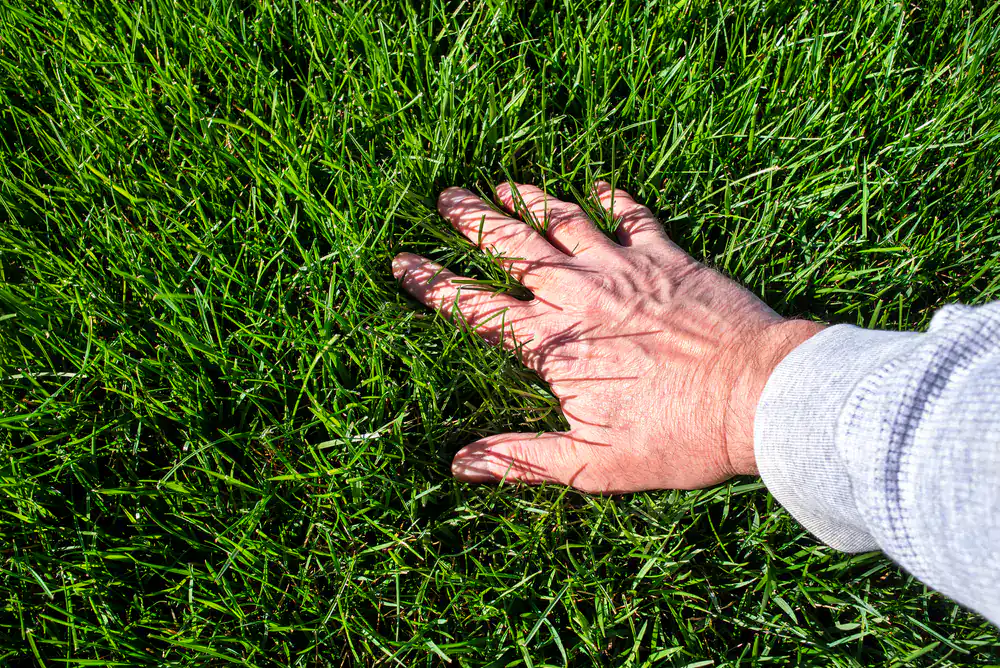
When soil pH is off, fertilizer doesn’t absorb it sits in the ground chemically locked out of your grass roots, and eventually leaches straight through Blue Point’s porous, sandy soil into the water table below. That’s not a lawn care problem. That’s a soil chemistry problem, and no amount of fertilizer fixes it until the pH is corrected first.
Blue Point sits on Long Island’s glacial outwash plain, where Plymouth loamy sand dominates the soil profile. It drains fast, which is part of what makes it beautiful waterfront land but that same drainage bleeds calcium and magnesium out of the soil every time it rains, pushing pH lower season after season. Most untreated Suffolk County lawns test between 4.8 and 5.5 on the pH scale, well below the 6.3 to 6.5 range that cool-season grasses actually need to grow.
The result is grass that looks thin, yellows out in summer, and gives way to moss and weeds that thrive in exactly the acidic conditions your turf hates. Once the pH is corrected, the nutrients already in your soil become available again, your fertilizer starts doing its job, and the lawn you’ve been trying to grow finally has a real shot. For homeowners near the Great South Bay, there’s another benefit worth noting: when fertilizer absorbs properly, it stops running off into the bay. That matters here more than most places.
We’re based in Port Jefferson Station and serve homeowners across Suffolk County including Blue Point, Bayport, Sayville, and the surrounding South Shore communities. This isn’t a national franchise applying a generic program to your lawn. Every recommendation we make is based on the actual soil conditions here: the sandy, fast-draining profiles of Long Island’s South Shore, the leaching that happens every wet season, and the pH targets that Cornell Cooperative Extension of Suffolk County recommends for this region specifically.
We’re NYSDEC-certified, which means we meet New York State’s legal requirements for commercial lawn care and pesticide application including the compliance standards that apply under Suffolk County’s Healthy Lawns, Clean Water law. We also understand what it means to work near the Great South Bay, where what goes on your lawn in Blue Point has a direct line to the water quality that defines this community.
When you call, you reach a real person. Your account is managed, your seasonal treatments are scheduled, and nothing gets applied to your lawn without a soil test telling us exactly what it needs first.
It starts with a soil test. There’s no reliable way to know your lawn’s pH by looking at it, and applying lime without testing first is how homeowners end up over-correcting pushing soil alkaline and creating a new set of problems. Blue Point’s sandy soil is especially sensitive to over-application because it has lower buffering capacity than clay-heavy soil, meaning pH can shift more dramatically with the same amount of lime. We test first, every time.
Once we have your soil test results, we calculate the exact lime rate your property needs to reach the 6.3 to 6.5 pH target that turf performs best at on Long Island. We use pelletized lime, which spreads evenly, activates with moisture, and is completely safe for children, pets, and critically for Blue Point the surrounding bay environment. Lime is a natural ground limestone mineral, not a synthetic chemical, and it doesn’t carry the runoff risks associated with nitrogen-based fertilizers.
Timing matters too. The professional standard for lime application on Long Island is fall treatment for spring results. Blue Point’s winter weather the freeze-thaw cycles, rain, and snowmelt actually works in your favor here, driving lime deeper into the soil profile over the winter months so your lawn is ready to respond come spring. Homeowners who wait until April are already one growing season behind.
Ready to get started?
Every lawn pH treatment in Blue Point starts with a professional soil test not a hardware store kit, not a visual inspection. Lab-based soil testing tells us your exact pH level and, just as importantly, how much lime your specific soil needs to correct it. That second number is what most homeowners miss when they go the DIY route, and it’s the difference between real improvement and wasted product.
From there, we apply a calibrated rate of pelletized lime across your lawn using professional spreader equipment that ensures even coverage. Uneven lime application creates pH pockets areas that correct while others stay acidic and that inconsistency shows up as patchy growth. For properties in Blue Point near the bay, we also factor in Suffolk County’s Nutrient Runoff Law, which restricts certain applications within 20 feet of surface water. We know where those lines are and how to work within them.
Soil pH correction is also built into our broader lawn program. If your lawn needs overseeding, fertilization, or weed control on top of pH treatment, we sequence those services in the right order because overseeding into acidic soil before pH is corrected is money spent on seed that won’t establish properly. Whether you’re in The Vineyards at Blue Point, near Blue Point Avenue, or anywhere else in the hamlet, the process is the same: test first, correct precisely, then build from there.
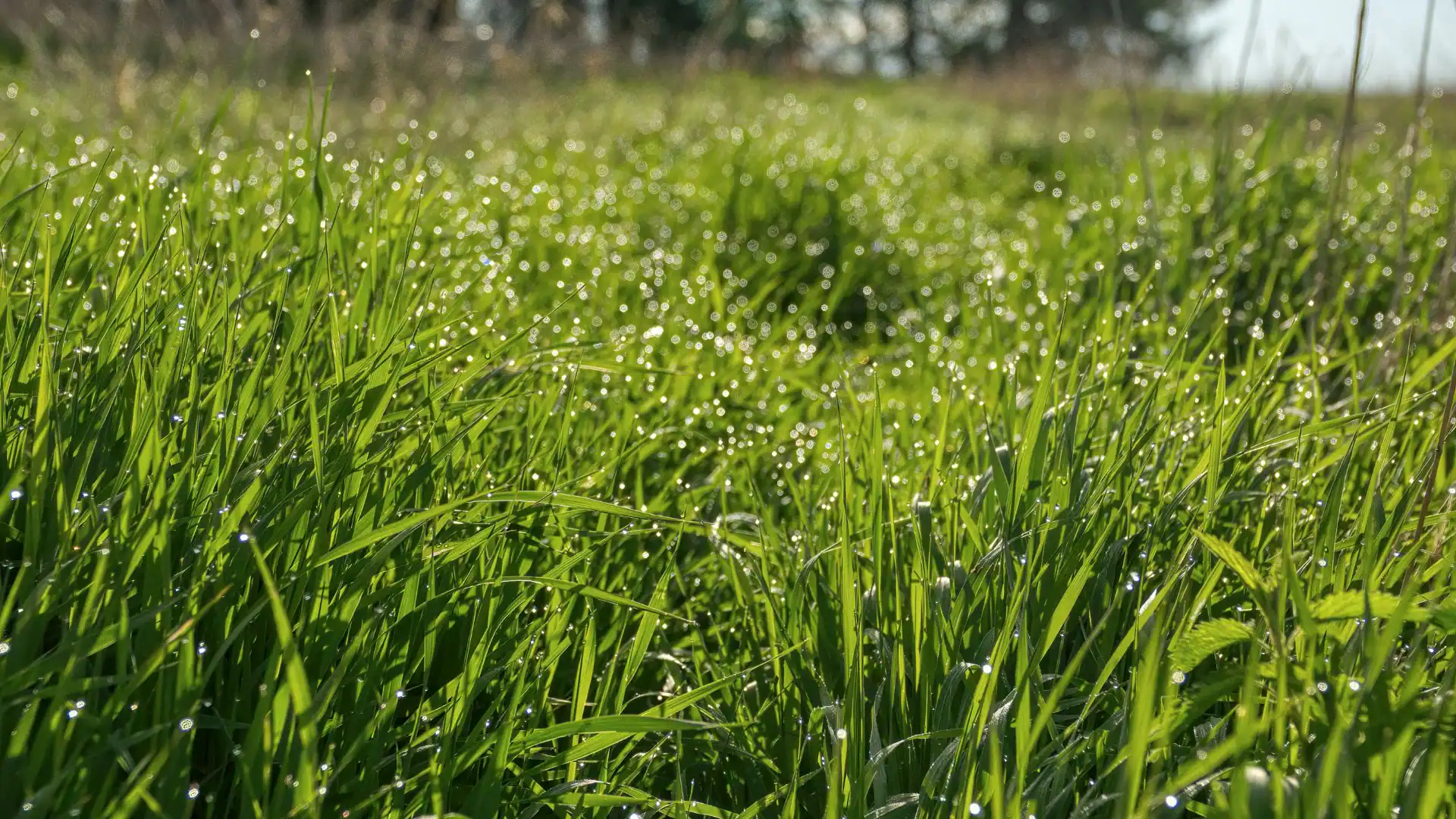
The most reliable way is a soil test but there are signs that point strongly toward a pH problem before you test. If your lawn fertilizes regularly but stays thin and yellowed, if moss is creeping in along the edges or in shadier spots, or if weeds keep returning no matter how often you treat them, low soil pH is almost always part of the picture. These aren’t random lawn problems. They’re what happens when soil acidity locks nutrients away from grass roots.
In Blue Point specifically, the odds are high that your soil is running acidic. The South Shore’s sandy, fast-draining soil profile naturally loses calcium and magnesium with every rain, and most untreated Suffolk County lawns test well below the optimal pH range for turf. A professional soil test removes the guesswork entirely it tells you the exact pH, whether lime is needed, and how much to apply. That’s always the right starting point before spending another dollar on fertilizer or seed.
Because fertilizer doesn’t work in acidic soil. When soil pH drops below 6.0, the nitrogen, phosphorus, and potassium in fertilizer become chemically unavailable to grass roots they’re present in the soil, but the chemistry won’t let the plant absorb them. You’re spending money on fertilizer that’s sitting in the ground doing nothing, and in Blue Point’s sandy, porous soil, a good portion of it is leaching straight through the profile and heading toward the water table.
This is one of the most common and most frustrating lawn problems on Long Island’s South Shore, and it’s almost never diagnosed correctly by homeowners. The instinct is to apply more fertilizer, or switch brands, or try a different schedule. None of that addresses the root cause. Correcting soil pH with a professional lime application is what actually unlocks the nutrients already in your soil and it makes every future fertilizer application work the way it’s supposed to. Fix the pH first. Everything else follows.
Yes and it’s worth understanding why, especially if you’re a Blue Point homeowner who pays attention to bay water quality. Lime is ground limestone, a naturally occurring mineral. It is not a synthetic chemical, not a pesticide, and not subject to the nitrogen runoff restrictions that govern fertilizer applications near surface water under New York State’s Nutrient Runoff Law or Suffolk County’s Healthy Lawns, Clean Water law.
In fact, correcting soil pH with lime is one of the most environmentally responsible things you can do for your lawn near the bay. When soil pH is too low and fertilizer can’t be absorbed by grass roots, that excess nitrogen leaches through Blue Point’s sandy soil and eventually reaches the Great South Bay contributing to the water quality degradation that organizations like Save the Great South Bay have identified as a serious ongoing problem. Proper pH management means your fertilizer stays in the lawn where it belongs, instead of running off into the water. For a community whose identity is tied to the bay and its oyster heritage, that’s not a small thing.
For most lawns on Long Island’s South Shore, a soil pH test every two to three years is the right interval and retreatment with lime whenever the pH has drifted back below the target range of 6.3 to 6.5. The reason you can’t just test once and consider it done is that Blue Point’s sandy soil continues to leach base cations over time. Every rain event pulls calcium and magnesium downward through the profile, and without periodic lime applications to replenish what’s lost, soil pH will drift acidic again regardless of how well the lawn was corrected previously.
This is why a program-based approach makes more sense than a one-time treatment. Our seasonal program includes scheduled soil testing and lime application as part of a complete lawn care plan, with reminders so you’re not trying to remember when the last test was done. For homeowners in Blue Point who want a lawn that performs consistently year after year not just the season after a correction staying on a regular pH monitoring schedule is the only way to keep the soil chemistry where it needs to be.
The biggest difference is the soil test. A professional lime application starts with laboratory soil testing that tells you the exact pH and the precise amount of lime needed to correct it. Without that data, you’re guessing and on Blue Point’s sandy South Shore soil, which has lower buffering capacity than clay-heavy soil, the margin for error is narrow. Apply too little and you see no improvement. Apply too much and you push the soil alkaline, which creates a different set of nutrient deficiency problems that are just as damaging to turf.
Beyond the test, professional application uses calibrated spreader equipment that ensures even coverage across the entire lawn. Uneven lime distribution creates pH pockets areas where the soil corrects while others remain acidic and that inconsistency shows up as patchy, irregular growth. Hardware store spreaders and bag-rate estimates aren’t calibrated for your specific property size, soil type, or correction target. For a lawn in Blue Point where you’ve already invested in fertilization, seeding, or other treatments, a professional lime application is what ensures all of that investment actually performs.
Fall is the best time and most homeowners who wait until spring are already behind by a full growing season. Lime is a slow-acting mineral amendment that needs time to integrate into the soil and shift pH upward. It doesn’t work overnight. On Long Island, the freeze-thaw cycles, rainfall, and snowmelt of a South Shore winter actually accelerate that process, working lime deeper into the soil profile so it’s fully active by the time your grass starts pushing growth in April and May.
If you apply lime in the spring, you’re correcting pH while the lawn is already under the stress of trying to grow and you won’t see the full benefit until the following season at the earliest. Fall application gives lime the entire winter to do its work. That’s the standard we follow for Blue Point and all of the South Shore communities we serve in Suffolk County. If you’re heading into fall and your lawn has been struggling, now is genuinely the right time to schedule a soil test and get a treatment on the calendar before the window closes.
Useful Links
Other Services we provide in Blue Point