
Hear from Our Customers
If your lawn has been fertilized season after season with nothing to show for it, the problem probably isn’t the fertilizer. When soil pH drops too low which happens consistently in Fort Salonga due to the hamlet’s fast-draining, sandy glacial soils and heavy tree canopy the nutrients you’re paying for become chemically locked in the ground. Your grass roots can’t access them. The fertilizer sits there, or worse, leaches straight through the soil into the groundwater below.
Once pH is corrected into the right range, that changes. Fertilizer gets absorbed the way it’s supposed to. Grass fills in thicker, holds color longer, and handles summer heat stress better which matters on Fort Salonga’s large wooded lots where shade and sandy soil already put turf under pressure. Weeds and moss that thrive in acidic conditions lose their competitive edge. You stop fighting the lawn and start seeing it perform.
There’s also an environmental side to this that’s specific to Fort Salonga. The Crab Meadow Watershed runs through this community and feeds directly into Long Island Sound it’s a designated Significant Coastal Fish and Wildlife Habitat. When fertilizer can’t be absorbed because pH is off, it runs off into that watershed. Correcting your soil pH isn’t just good lawn care. For a community this close to Crab Meadow, it’s the responsible choice.
We’re based in Port Jefferson Station about 10 miles east of Fort Salonga along the North Shore corridor. That matters because we work in the same Haven Loam soil, the same coastal moisture conditions, and the same acidic baseline pH environment that Fort Salonga homeowners deal with every season. There’s no national protocol being applied here. Our approach is built around what actually works on North Shore Long Island lawns.
Every application is performed by NYSDEC-certified technicians, which is a legal requirement in New York State not every company operating in Suffolk County meets that standard. We also follow NYSDEC Neighbor Notification requirements before any treatment, which reflects the kind of community-minded professionalism that fits a hamlet with nearly 80 years of civic stewardship through the Fort Salonga Association. When you call, you reach Carol directly a real person who handles scheduling and accounts, not a call center routing you through a queue.
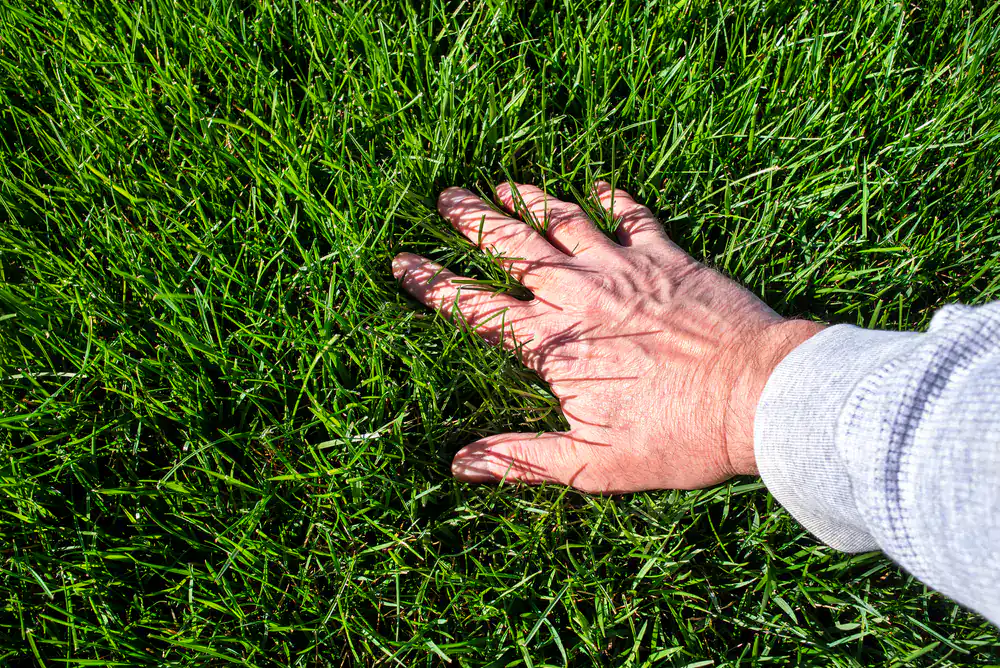
It starts with a soil test. Before any lime is recommended or applied, the soil gets tested with calibrated equipment to determine your lawn’s actual pH level and what it needs. This step is non-negotiable applying lime without testing first is how homeowners end up over-correcting and creating a new set of problems. On a large Fort Salonga property, a miscalculation affects a lot of ground and can take years to undo.
Once the results are in, we determine the right type and amount of lime for your specific soil profile. Fort Salonga’s sandy, fast-draining soils behave differently than heavier soils found in other parts of Suffolk County they’re less chemically buffered, which means pH can shift faster and further when left unmanaged. The application is calibrated to your lawn’s actual readings, not a generic rate off a bag.
Timing is part of the process too. Fall is the optimal window for lime application in Fort Salonga. The freeze-thaw cycle through winter and the consistent moisture from the Sound’s moderating influence help integrate lime into the root zone before spring green-up. Lawns treated in fall are already working with corrected chemistry when the growing season starts. After treatment, pH correction becomes the foundation for whatever comes next overseeding, fertilization, weed control because all of it works better when the soil is ready.
Ready to get started?
The service starts with professional soil pH testing not a consumer-grade meter from a hardware store, but calibrated diagnostic equipment that gives an accurate reading of where your soil actually stands. From there, we determine the lime type and application rate based on your specific results. Fort Salonga’s glacially deposited Haven Loam profile and the ongoing acidification from the hamlet’s mature oak canopy leaf tannins lower pH season after season mean that application rates here aren’t one-size-fits-all.
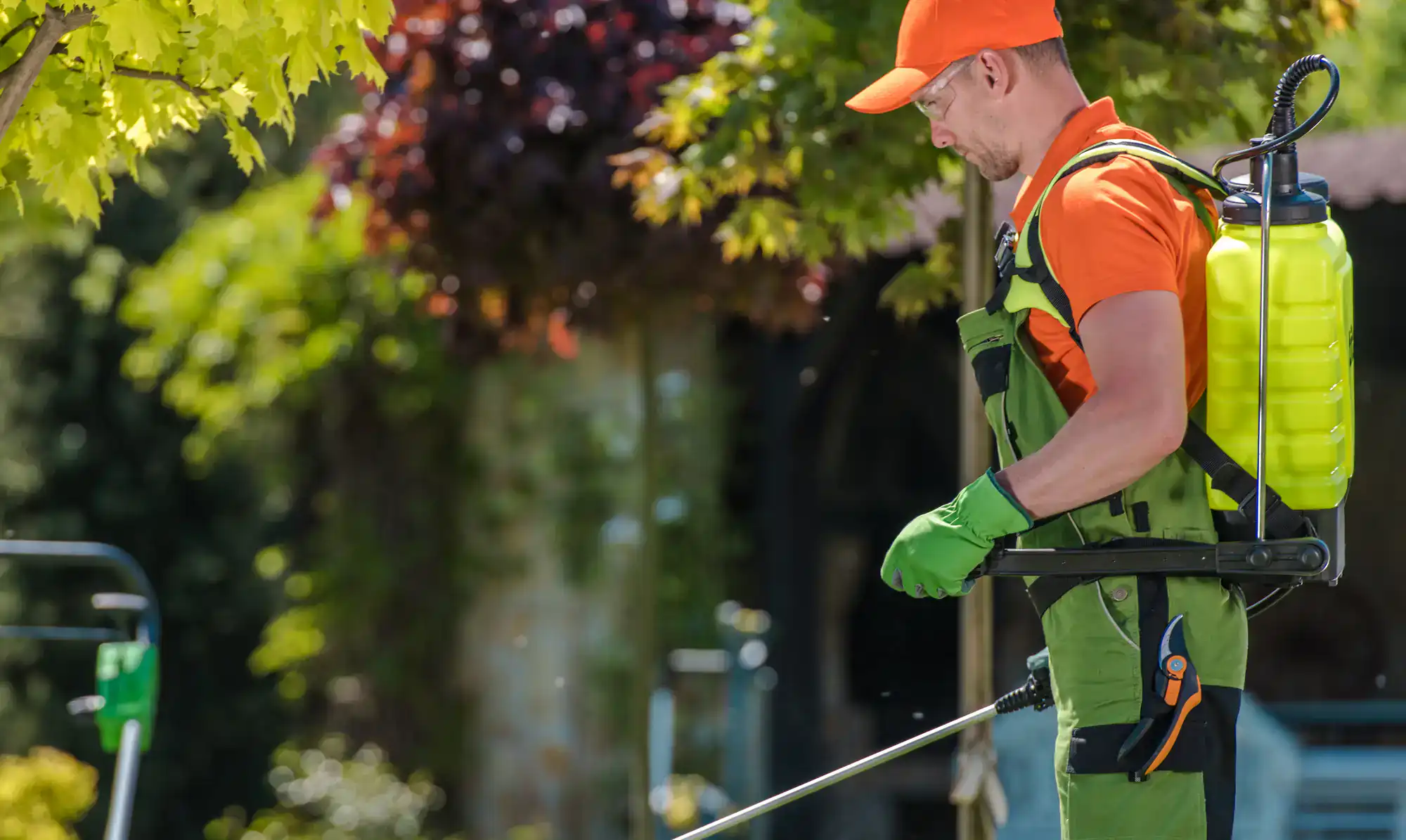
The lime application itself is performed by NYSDEC-certified technicians following New York State commercial pesticide application standards. NYSDEC Neighbor Notification is handled prior to treatment, keeping everything above board with the regulatory requirements that apply to professional lawn care in New York. Lime is a natural mineral amendment not a synthetic chemical which matters for families with children and pets on large Fort Salonga lots, and for homeowners mindful of what’s moving through their soil toward the Crab Meadow Watershed.
After treatment, our program-based model keeps your lawn on a schedule. Soil pH drifts back toward acidity over time especially in Fort Salonga’s wooded, coastal environment so retesting every two to three years is built into the ongoing relationship. pH correction isn’t a one-time fix. It’s the foundation of a lawn program that actually delivers what you’ve been paying for.
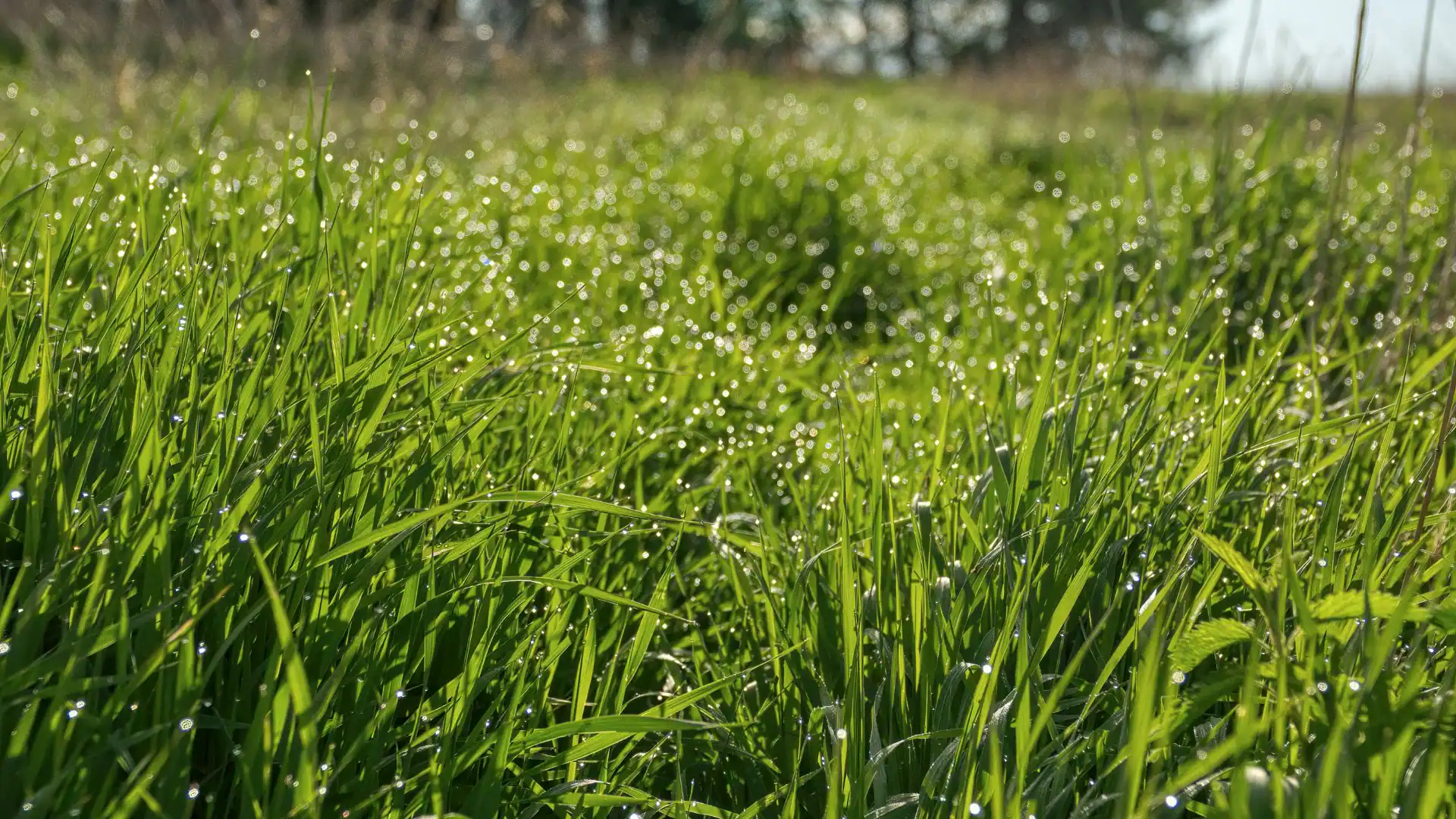
The most likely explanation is soil pH. When pH drops below 6.0 which is common in Fort Salonga’s naturally acidic, sandy soils the nutrients in fertilizer become chemically unavailable to grass roots. Nitrogen, phosphorus, and potassium are all present in the soil, but the chemistry locks them out. Your grass can’t absorb them, so it stays thin and off-color no matter how much fertilizer gets applied.
Fort Salonga’s soil profile makes this especially common. The hamlet’s fast-draining Haven Loam leaches calcium and magnesium the minerals that buffer soil against acidity downward and away from the root zone with every rain. Add the leaf litter from the hamlet’s heavy oak canopy, which releases tannins and organic acids into the soil each fall, and you’ve got a consistent, ongoing acidification process that most homeowners don’t realize is happening. A professional soil test is the only way to know for certain, and it’s the right starting point before spending another dollar on fertilizer.
The target range for Long Island turf is 6.3 to 6.5, according to Cornell Cooperative Extension. That’s the range where cool-season grasses Kentucky bluegrass, ryegrass, and tall fescue, which are standard on North Shore lawns can access the full spectrum of nutrients in the soil. Below 6.0, nutrient availability drops off significantly. Below 5.5, you’re essentially feeding a lawn that can’t eat.
What makes this particularly relevant for Fort Salonga is where untreated North Shore soils typically land. Cornell data shows that Northeast soils commonly test at pH 4.8 to 5.5 without intervention. That’s well below the target range, and it’s not because homeowners have done anything wrong it’s the natural chemistry of Long Island’s glacially deposited, porous soils combined with the region’s moderately acidic rainfall. The gap between where Fort Salonga soil naturally sits and where it needs to be is consistent and significant. A professional test tells you exactly where your lawn stands and how much correction it actually needs.
Lime works by introducing calcium carbonate a naturally occurring mineral into the soil. Calcium carbonate neutralizes the hydrogen ions that cause acidity, raising pH toward the target range. As pH rises, the chemical bonds that were locking nutrients away from grass roots begin to break down, and those nutrients become available again. It’s not a fertilizer it’s a soil amendment that makes your existing soil chemistry work the way it’s supposed to.
The type of lime matters. Calcitic lime and dolomitic lime behave differently and suit different soil profiles. Dolomitic lime also adds magnesium, which can be beneficial in Fort Salonga’s leaching sandy soils where magnesium is commonly depleted. Pelletized lime integrates faster than powdered agricultural lime, which is relevant for fall applications on North Shore lawns where you want the lime working through the soil before winter ends. Getting the type and rate right requires a soil test without one, you’re guessing at a variable that has a measurable impact on whether your lawn recovers or stays stuck.
Yes lime is a natural mineral amendment, not a synthetic chemical. Once it’s been watered in or has dried on the lawn surface, it poses no meaningful risk to children or pets. It’s one of the safest materials used in professional lawn care, which is part of why it’s been used in agriculture and turf management for centuries.
For Fort Salonga homeowners who are mindful of what’s moving through their soil toward the Crab Meadow Watershed a designated Significant Coastal Fish and Wildlife Habitat lime is also environmentally benign in properly applied amounts. It doesn’t introduce synthetic compounds into the groundwater. In fact, correcting soil pH so that fertilizer is efficiently absorbed by grass roots actually reduces the amount of nitrogen and phosphorus that leaches through Fort Salonga’s porous soils into the watershed. Properly applied lime, at the right rate confirmed by a soil test, is a net positive for both your lawn and the surrounding environment.
Cornell Cooperative Extension recommends retesting soil pH every two to three years for established lawns. For Fort Salonga specifically, staying toward the more frequent end of that range makes sense. The hamlet’s combination of fast-draining sandy soils, proximity to Long Island Sound, and heavy wooded lot coverage creates ongoing acidification pressure from multiple directions leaching rainfall, coastal moisture, and seasonal leaf litter from oak trees all work continuously to push pH downward.
A lawn that tested well two years ago may have drifted meaningfully since then, especially if it experienced a heavy leaf season or an unusually wet fall. The good news is that once you’ve done the initial correction and established a baseline, subsequent treatments are typically smaller adjustments rather than full corrections. We keep Fort Salonga clients on a retest schedule so you’re never guessing about where your soil stands and never discovering a pH problem after a full season of wasted fertilizer applications.
You can but the risk is in the rate. Without a professional soil test, there’s no reliable way to know how much lime your lawn actually needs. Applying too little means the problem persists. Applying too much pushes soil pH from acidic toward alkaline, which creates a different set of nutrient deficiencies particularly iron and manganese that can damage turf and take multiple seasons to correct. On a Fort Salonga property with large lot coverage, a miscalculation affects a significant area of lawn.
Consumer-grade pH meters also tend to give inconsistent readings, particularly in Fort Salonga’s sandy soils where moisture content varies quickly and affects the reading. Professional testing uses calibrated equipment and provides the kind of precise data actual pH level, soil type, and buffer pH that determines both how much lime is needed and which type is appropriate for your specific conditions. The cost of a professional soil test and application is modest compared to the cost of a season of ineffective fertilizer or the time it takes to recover from an over-limed lawn. For a property in Fort Salonga, it’s the more reliable path by a significant margin.
Useful Links
Other Services we provide in Fort Salonga