
Hear from Our Customers
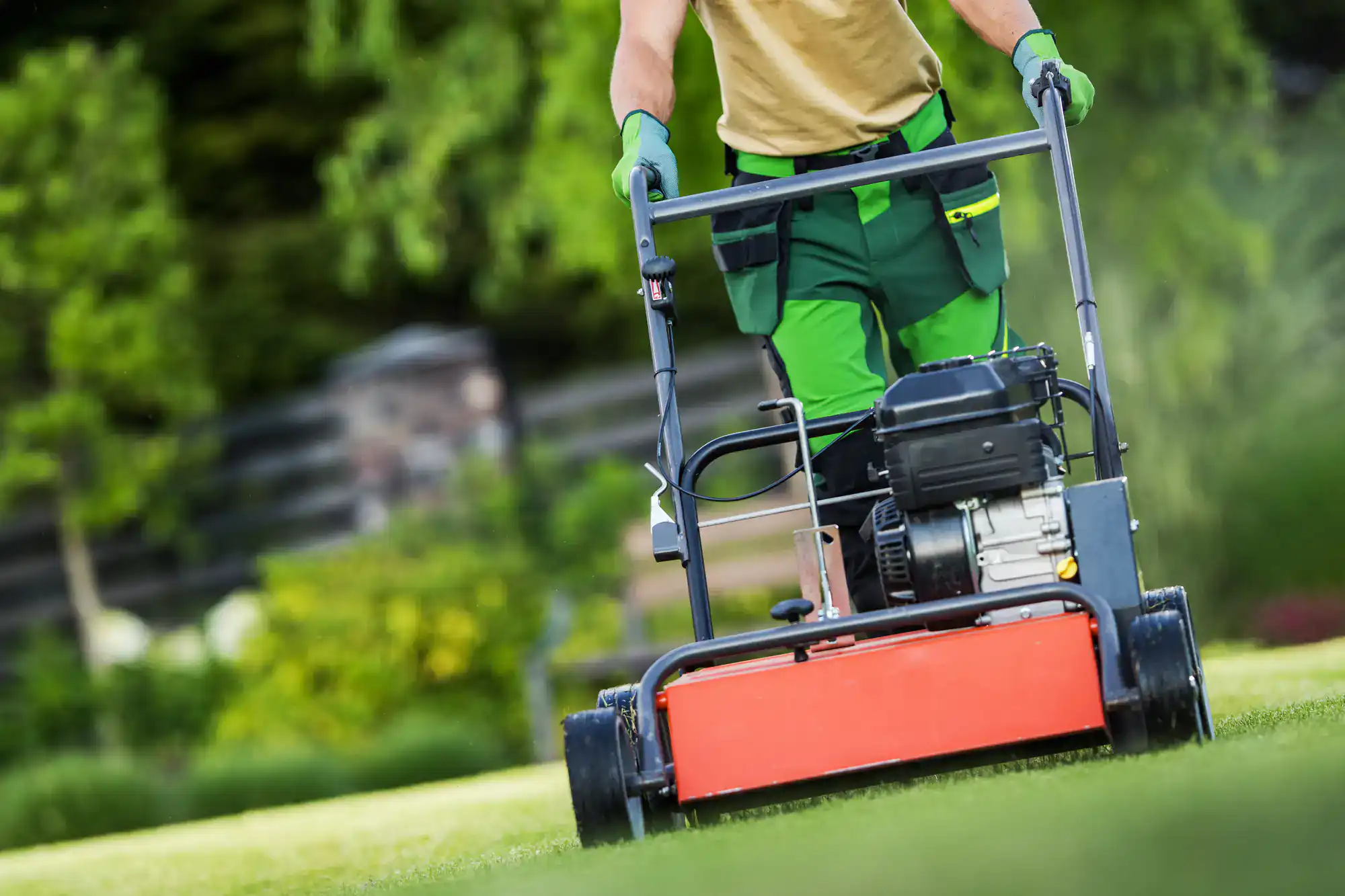
Here’s what most people don’t realize: if your lawn hasn’t responded to fertilizer, the fertilizer isn’t the problem. Compacted soil blocks nutrients from reaching the root zone. They sit on the surface, wash off with the next rain, and never do what they’re supposed to do. Core aeration opens the soil back up and suddenly, everything you’ve already been spending on lawn care starts working the way it should.
For homeowners in Centereach neighborhoods like Eastwood Village and Dawn Estates, this is especially relevant. These homes were built in the 1950s on land that’s been under pressure ever since decades of mowing equipment, foot traffic, and seasonal freeze-thaw cycles have packed the soil down in ways that surface treatments simply can’t fix. Water pools on the lawn instead of soaking in. Grass thins out in spots that get plenty of sun and water. These aren’t random problems they’re compaction symptoms.
After a proper aeration, you’ll notice water absorbing instead of running off, fertilizer actually taking hold, and new seed germinating in areas that have been bare for years. The results aren’t instant, but within a season, the difference is real and visible.
Lawn Master is a Suffolk County lawn care company not a franchise, not a call center routing jobs to whoever’s available. When you book with us, you’re working directly with a team that knows Centereach soil, knows the seasonal timing that works for Long Island’s cool-season grasses, and is accountable for what happens on your property.
Every applicator on our crew holds a New York State DEC Pesticide Applicator License. That’s not a minor detail on Long Island, where the groundwater beneath communities like Centereach feeds a sole-source aquifer that the entire region depends on. We follow New York’s fertilizer laws including phosphorus restrictions near waterways because we’re trained to. Not every operator working in the Centereach area can say the same.
We serve Centereach alongside Selden, Lake Grove, Stony Brook, Smithtown, and the surrounding communities as part of our core service area. This isn’t a territory we occasionally cover it’s where we work.
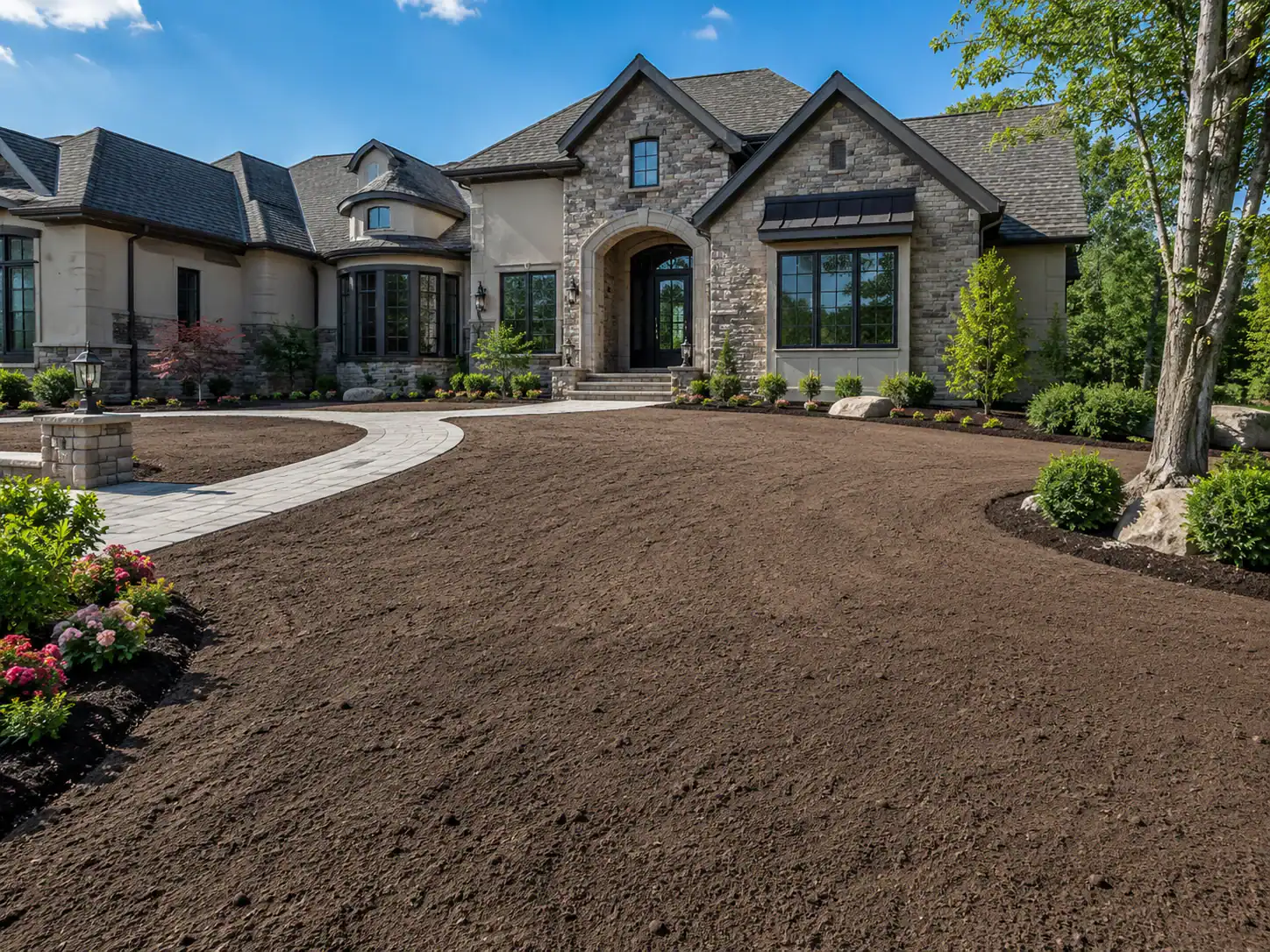
Before we touch your lawn, we look at what you’re working with grass type, visible compaction signs, thatch buildup, and any areas where water has been pooling or turf has been thinning. Most Centereach properties have cool-season grasses like tall fescue, Kentucky bluegrass, or perennial ryegrass, and the timing of aeration matters for all of them. The fall window late August through October is when soil temperatures are still warm enough to support germination but the summer heat stress has passed. That window is shorter than most people expect, and it fills up fast.
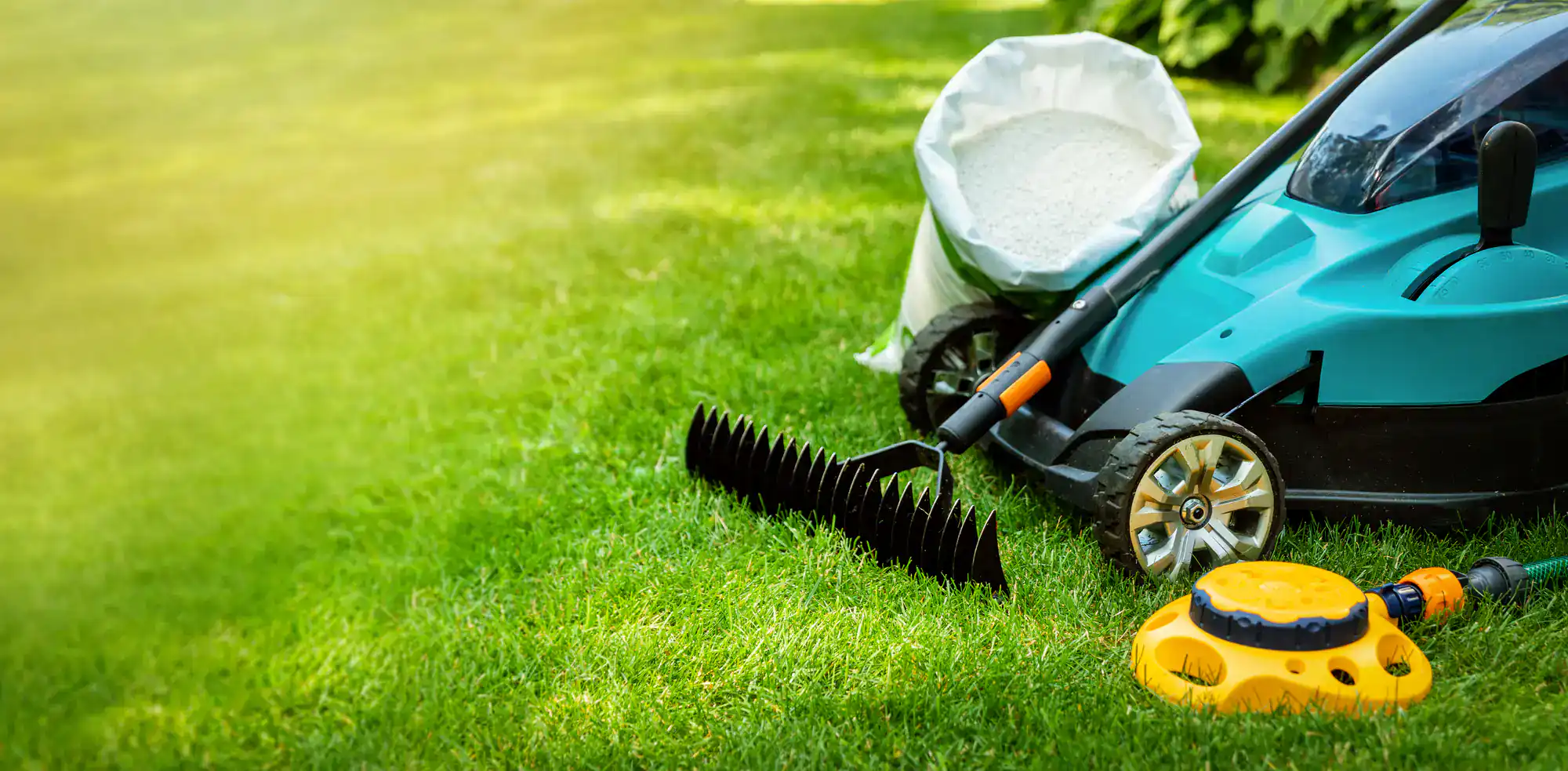
The aeration itself is done with a hydraulic aerator, not the drum-style machines you’ll find at a rental counter or on a national chain’s truck. The difference is depth. Standard equipment reaches about 1.5 to 2 inches. Our hydraulic aerator drives cores 3 to 4 inches into the ground deep enough to actually reach the compaction layer that’s been building up in these older Suffolk County lots for decades.
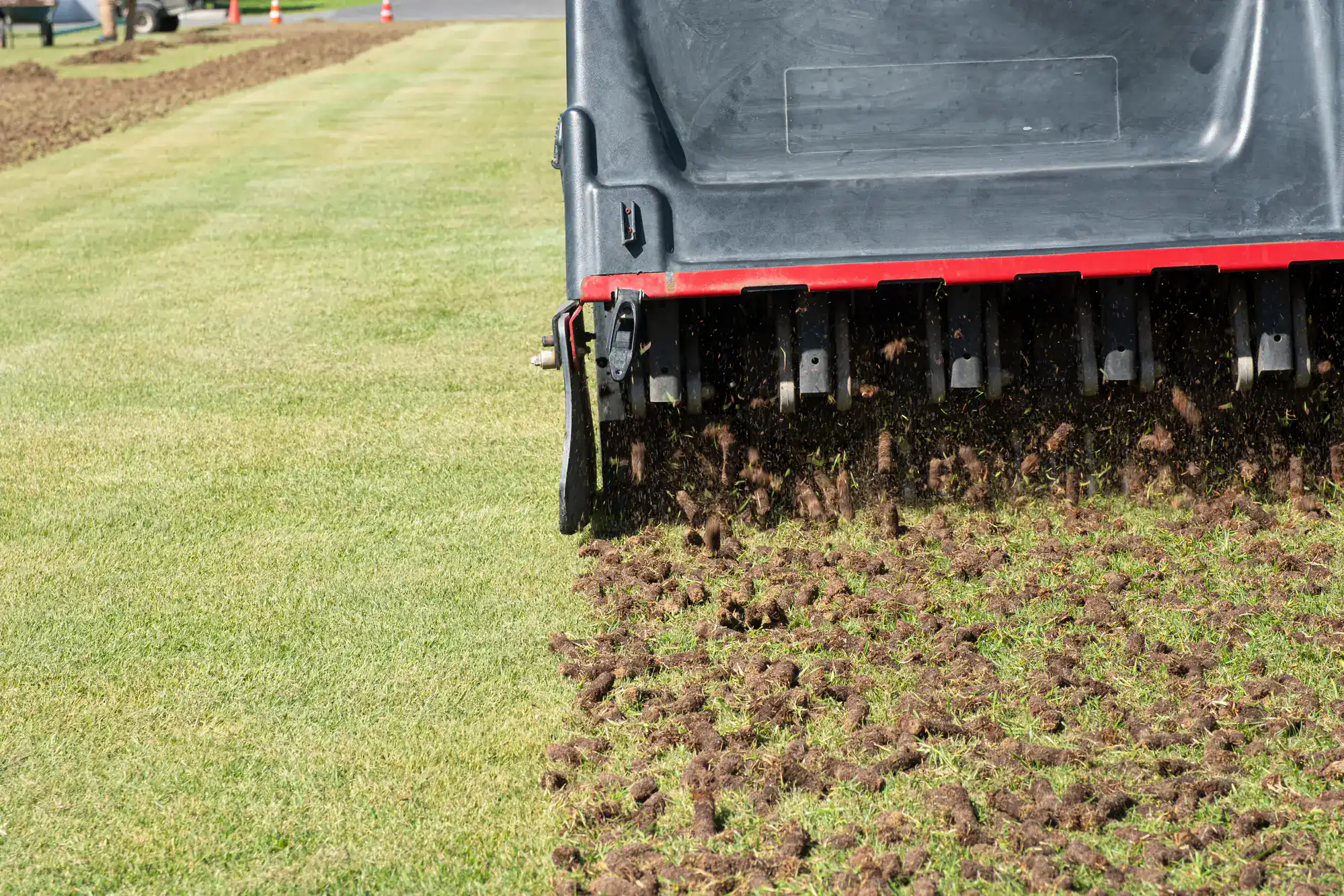
After aeration, you’ll see soil plugs scattered across your lawn. Leave them. They break down within two to four weeks and return organic matter and microbes directly back into the soil. If you’re pairing aeration with overseeding which we strongly recommend seed goes down immediately after, directly into the open channels we just created. That’s when germination rates jump significantly compared to seeding on un-aerated ground.
Ready to get started?
Core aeration on its own makes a real difference, but it works best as part of a sequence. Aerate first, then overseed, then fertilize. That order matters because aeration creates the conditions that make both seeding and fertilization dramatically more effective. Seed dropped into freshly aerated ground has direct soil contact germination rates are 30 to 50 percent higher than seeding on compacted, thatch-covered turf. Fertilizer applied after aeration reaches the root zone instead of sitting on the surface.
For Centereach lawns specifically, the sandy loam soil common across central Suffolk County tends to develop thatch layers that act as a barrier water beads off, nutrients can’t penetrate, and new seed never establishes. Once that barrier is broken up through aeration, the whole system starts functioning the way it’s supposed to. If you’ve been overseeding bare patches for a few seasons without success, this is almost certainly why.
All of our aeration work is performed by NYS-licensed applicators, and any fertilization applied as part of your program complies fully with New York State’s fertilizer laws including phosphorus restrictions that are particularly relevant given Centereach’s position within Long Island’s groundwater-sensitive zone. If you want to know what your specific lawn needs before committing to anything, the first step is simple: request an estimate and we’ll take it from there.
For the cool-season grasses that make up most Centereach lawns tall fescue, Kentucky bluegrass, perennial ryegrass fall is the right window. Late August through October is when soil temperatures in central Suffolk County are still warm enough to support seed germination, while air temperatures have dropped enough that new growth isn’t immediately stressed by summer heat. That combination is what makes fall aeration so effective for Centereach properties.
The catch is that the window is genuinely short. By late October, soil temperatures start dropping and germination becomes unreliable. Homeowners who plan to schedule in September and then get busy with the school year, fall sports, or just the demands of daily life often end up calling in November when it’s too late to get meaningful results that season. If you’re thinking about it, booking in August or early September gives you the best outcome and the most flexibility if the schedule gets tight.
For a standard residential lot in Centereach most of the post-war homes in neighborhoods like Eastwood Village and Dawn Estates sit on roughly 6,000 to 10,000 square feet professional core aeration typically runs in the $100 to $200 range. The exact number depends on your lawn’s size, condition, and whether you’re adding overseeding or fertilization as part of the same visit.
The more useful way to think about the cost is relative to what you’ve already spent. If you’ve been running a fertilization program for two or three years and not seeing results, that’s likely hundreds of dollars that compaction has been quietly wasting. One proper aeration treatment can unlock all of that improving fertilizer uptake by 30 to 40 percent according to university extension research. In that context, aeration isn’t an added expense. It’s what makes the money you’re already spending actually work.
It matters more than most people realize. Spike aeration pushes solid tines into the soil to create holes, but it doesn’t remove anything. The soil around each hole gets compressed in the process, which can actually make compaction worse over time especially on the sandy loam soils common in central Suffolk County, which compact at the surface under repeated pressure.
Core aeration physically removes a plug of soil from the ground, creating genuine decompression and open channels for water, air, and nutrients. That’s a fundamentally different result. Many Centereach homeowners have tried spike aerators either rented from a local hardware store or attached to a riding mower and concluded that aeration doesn’t work. In most cases, the equipment was the problem, not the concept. If you’ve been down that road and seen nothing change, core aeration with the right equipment is a different experience entirely.
This is one of the most common frustrations we hear from homeowners across the Centereach area, and the cause is almost always the same: compaction and thatch. When the soil is packed down and a thatch layer has built up even just a half inch is enough to cause problems water can’t penetrate properly, fertilizer never reaches the root zone, and seed dropped on top of the thatch has no real soil contact to germinate from. You can water and fertilize consistently and still see almost no improvement because the inputs never actually get where they need to go.
The homes in Centereach’s older subdivisions have been under pressure for 60 to 70 years. That’s a long time for compaction to accumulate, and it doesn’t resolve on its own. Core aeration breaks through both the thatch layer and the compaction zone beneath it, restoring the soil’s ability to absorb water, hold nutrients, and support new growth. Most homeowners who aerate in fall and overseed immediately after see meaningful improvement within the same season.
A few simple things make a real difference. Water your lawn one to two days before the appointment if it hasn’t rained recently moist soil allows the tines to penetrate much more effectively than dry, hard ground. On Centereach’s sandy loam soils, which can dry out quickly in late summer, this step is worth paying attention to. You don’t want the ground saturated, just consistently moist a few inches down.
Beyond watering, mow at your normal height a day or two before the service. Mark any irrigation heads, invisible fence lines, or shallow utility markers so they don’t get damaged during the pass. If you have a dog, keep them off the lawn for a day or two after the service the plugs on the surface are harmless, but it’s easier to let them break down undisturbed. That’s really it. There’s no complicated prep involved, and our crew will handle the rest.
The plugs are the point. When the aerator pulls cores out of the ground, it deposits them on the surface and that’s exactly where they should stay. Each plug contains soil, thatch, and microorganisms that, as they break down, help decompose the remaining thatch layer and return organic matter directly back into the soil. Raking them up removes that benefit entirely.
Under normal conditions in Centereach typical fall temperatures, some rainfall, regular mowing the plugs break down within two to four weeks and essentially disappear back into the lawn. The lawn looks a little rough for that period, which surprises some homeowners who haven’t had professional aeration before. It’s temporary, and it’s part of the process working correctly. If you’re overseeding at the same time, the plugs breaking down actually helps seed establishment by keeping the surface moist and adding organic material around the new seedlings. Leave them alone and let them do their job.
Useful Links
Other Services we provide in Centereach