
Hear from Our Customers
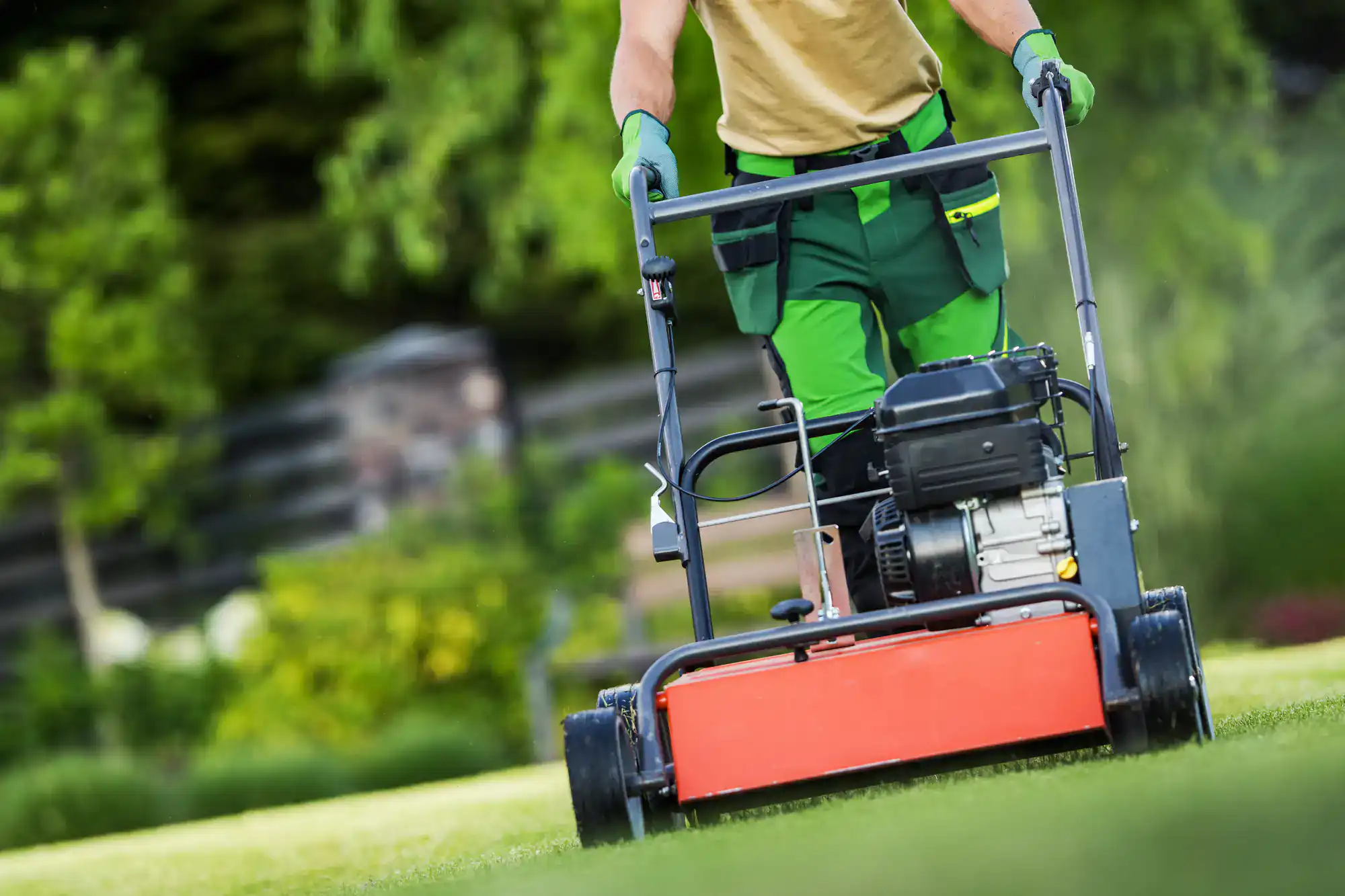
If you’ve been putting money into a fertilization program and your Stony Brook lawn still looks like it’s barely holding on, compaction is almost certainly the reason. Fertilizer applied to compacted ground doesn’t absorb it sits on the surface and washes off with the next rain. Core aeration opens the soil mechanically, creating direct channels so water, air, and nutrients can actually get to the root zone. Research shows fertilizer uptake efficiency increases 30–40% after proper aeration.
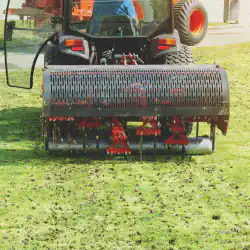
Stony Brook’s soil profile makes this especially relevant. The glacial tills left behind by the last ice age created a mix of clay, silt, sand, and gravel that can shift character within a single property heavier and denser in the inland neighborhoods south of Route 25A, sandier and more variable near the harbor. That clay-dominant composition compacts hard under foot traffic and mowing equipment, and standard rental aerators often can’t penetrate deep enough to do anything meaningful. The hydraulic aerator we use adjusts tine pressure dynamically, driving 3–4 inches deep regardless of what the soil is doing beneath your feet.
There’s also a water quality angle worth knowing about. Stony Brook sits adjacent to Stony Brook Harbor and Flax Pond, both of which are sensitive to nitrogen runoff. A properly aerated lawn absorbs fertilizer instead of shedding it which means less runoff reaching the harbor and more nutrients staying where your grass can use them. That’s a win for your lawn and for the waterways that define this community.
We’re a Suffolk County-based lawn care company with NYS DEC-licensed applicators on every job. That license isn’t a formality it’s legally required for any commercial operator applying fertilizers or pesticides in New York State, and it matters especially in Stony Brook, where Suffolk County’s fertilizer law and the NYS Nutrient Runoff Law govern what gets applied near waterways like Stony Brook Harbor.
The Three Village area has its own set of soil and climate conditions that a national franchise or a generic template-based operator simply doesn’t account for. We do. From the clay-heavy soils in the inland residential neighborhoods to the rolling terrain near Avalon Park and the mature tree canopy along the North Country Road corridor, our recommendations are calibrated to what’s actually happening in Stony Brook not copied from a national playbook.
The hydraulic aerator we bring to every job is commercial-grade equipment, not a rental drum machine. It’s the kind of investment that signals we take results seriously.
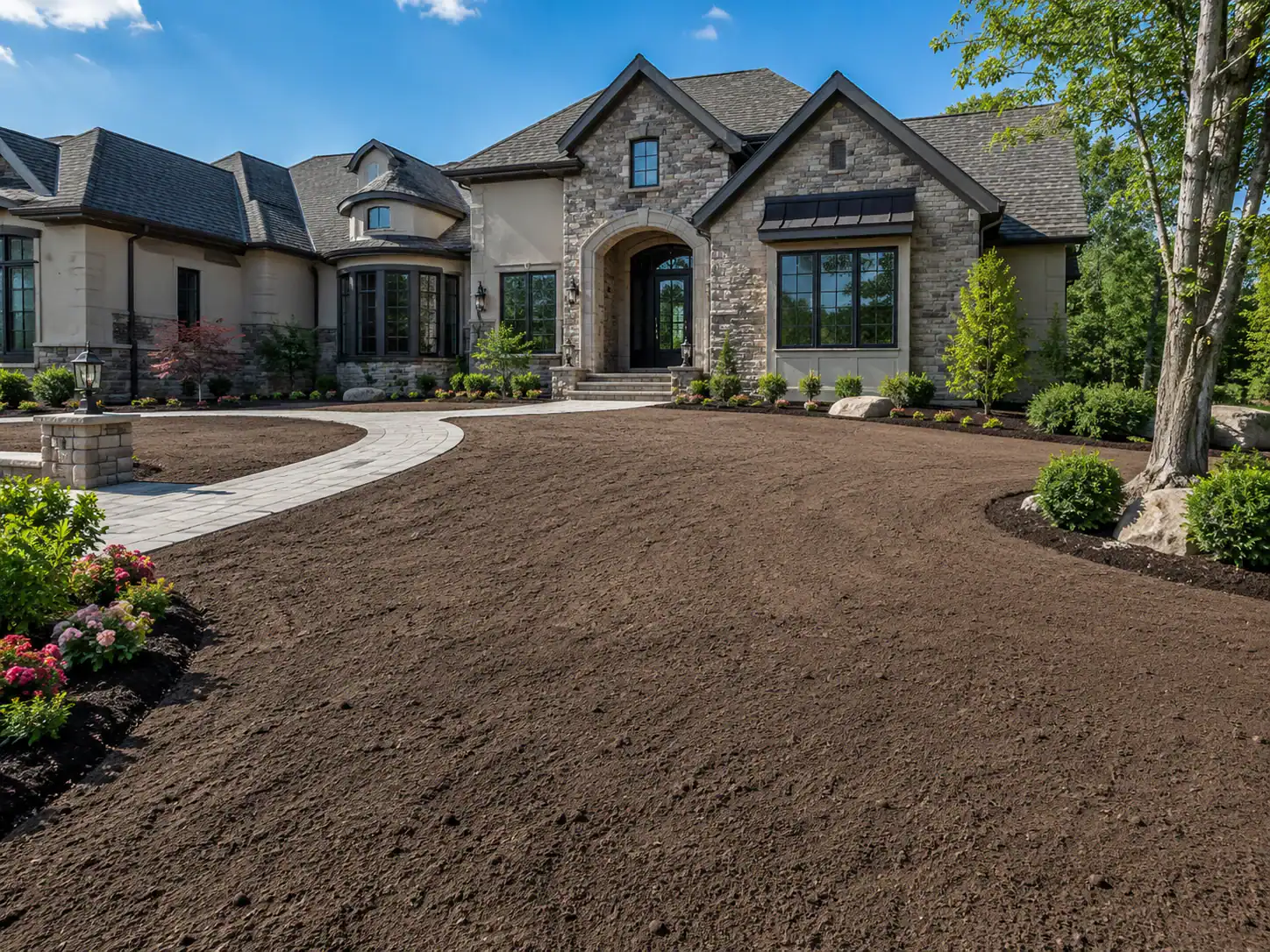
It starts with a property assessment. Before anything runs across your lawn, our crew looks at what you’re working with soil density, turf condition, thatch depth, and any areas showing visible stress. In Stony Brook, that often means identifying where the heavier clay pockets are concentrated versus where the soil drains more freely, because those zones respond differently and the hydraulic aerator adjusts accordingly.
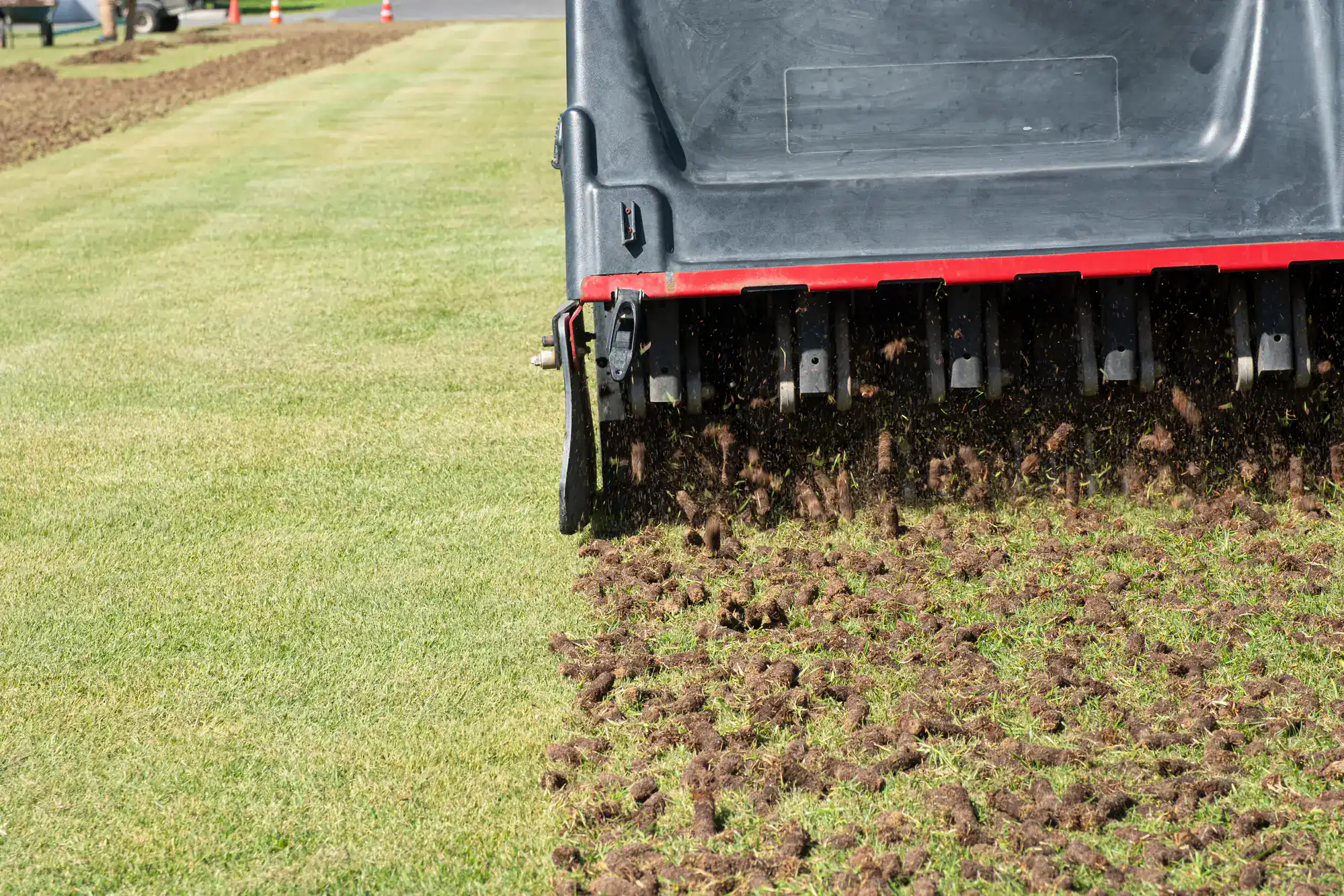
Then comes the aeration itself. The hydraulic aerator drives hollow tines 3–4 inches into the ground, pulling out small soil cores and depositing them on the surface. You’ll see those plugs scattered across your lawn when we finish that’s intentional, and it’s a good sign. They break down within 2–4 weeks, returning organic matter and microorganisms to the surface and helping digest the thatch layer in the process. Don’t rake them up.
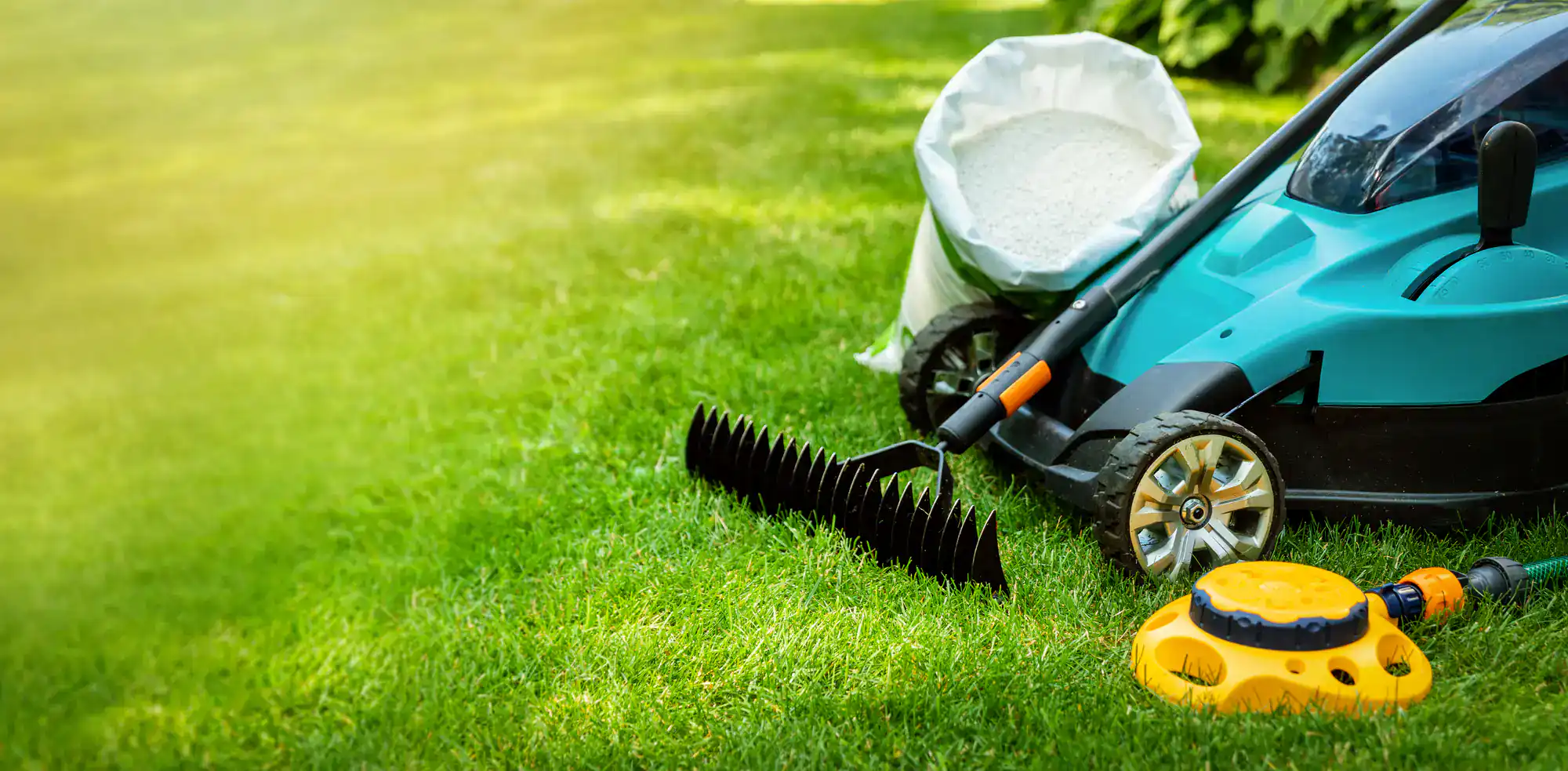
If you’re pairing aeration with overseeding which is the right move for most Stony Brook lawns seed goes down immediately after. The open channels from aeration give seed direct soil contact from the moment it lands, which is why germination rates are dramatically higher on aerated ground than on compacted turf. The optimal window for this on Long Island is late August through October, when soil temperatures are still warm enough for germination but the summer heat has backed off. That window is real and it closes lawns seeded after mid-October consistently underperform through the following spring.
Ready to get started?
Core aeration and lawn aeration are the same service and it’s worth saying clearly because the terminology gets confusing. What we deliver is mechanical core removal: hollow tines pull plugs of compacted soil from the ground, decompressing the root zone and opening pathways for water, air, and nutrients. Spike aeration, by contrast, pushes soil aside without removing it. On the clay-influenced glacial soils common in Stony Brook’s inland neighborhoods, spike aeration doesn’t relieve compaction it makes it worse by compressing the surrounding soil even further. Core aeration is the only method that actually solves the problem.
The service pairs naturally with overseeding and fertilization. Our aeration program is designed to work as part of an integrated approach not a one-time fix, but a foundation that makes every other investment in your lawn more effective. For properties near Stony Brook Harbor or Flax Pond, all fertilization applications are handled in full compliance with Suffolk County’s fertilizer ordinance and the NYS Nutrient Runoff Law, which prohibits application between December 1 and April 1 and restricts phosphorus use on established lawns.
Stony Brook’s mature tree canopy especially in neighborhoods along Christian Avenue and the areas adjacent to Avalon Park creates additional root competition and compaction pressure that most homeowners underestimate. Tree roots and mowing equipment both contribute to surface compression, and shaded turf under a dense canopy is already under stress. Aeration in these zones isn’t optional if you want the lawn to actually recover.
The optimal window for core aeration and overseeding in Stony Brook is late August through October. During that stretch, soil temperatures are still warm enough to support germination above 50°F while air temperatures have dropped below the heat-stress threshold that makes summer so hard on cool-season grasses like tall fescue, Kentucky bluegrass, and perennial ryegrass. These are the grass types that dominate Three Village lawns, and fall is when they grow most aggressively.
Stony Brook’s location on the North Shore gives it a slight maritime moderation from Long Island Sound, which can extend the effective fall window a bit compared to inland communities. That said, it doesn’t eliminate the urgency. Lawns seeded after mid-October on Long Island consistently struggle through the following spring because the germination window has closed. If you’re thinking about scheduling, sooner in that late-August-to-October range is better than later. Spring aeration is an option for severely compacted lawns that can’t wait, but fall is the primary recommendation for cool-season turf in this area.
This is one of the most common frustrations among homeowners in the Three Village area, and the answer is almost always the same: compaction. When soil becomes dense enough which happens quickly under the clay-influenced glacial till that characterizes much of Stony Brook’s inland residential neighborhoods fertilizer can’t penetrate to the root zone. It sits on the surface, and the first rain washes a significant portion of it off before the grass ever sees it.
Core aeration breaks that cycle. By mechanically removing plugs of compacted soil, it creates direct channels for nutrients, water, and air to move downward to where the roots actually are. If you’ve been running a consistent fertilization program in Stony Brook and still aren’t seeing results, the lawn isn’t broken it’s blocked. Aeration is what unblocks it, and it’s what makes the fertilizer investment you’ve already been making actually pay off.
A hydraulic aerator is a commercial-grade machine that uses hydraulic pressure to drive hollow tines into the ground, adjusting that pressure dynamically based on soil resistance. That’s meaningfully different from the drum-style aerators available at rental centers, which operate at a fixed tine depth regardless of what the soil is doing. On softer ground, a drum aerator might perform adequately. On the compacted, clay-influenced glacial soils common in Stony Brook’s inland neighborhoods, it typically penetrates less than 2 inches sometimes significantly less.
We bring hydraulic aeration equipment that drives 3–4 inches deep even on compacted ground, and it adapts to the soil variability that’s common on North Shore properties where composition can shift from heavier clay to sandier material within a single yard. If you’ve tried DIY aeration with a rental machine and felt like it didn’t do much, that’s probably why. The concept was right the equipment wasn’t built for your soil.
Not only is it safe it actually helps protect them. Core aeration improves soil permeability, which means water absorbs into the ground instead of running off the surface. On a compacted lawn, runoff carries fertilizer and nutrients toward nearby waterways before the soil ever has a chance to absorb them. A properly aerated lawn reduces that surface runoff, which means less nitrogen reaching Stony Brook Harbor or Flax Pond after a rain event.
Our applicators are fully NYS DEC-licensed and operate in compliance with Suffolk County’s fertilizer ordinance (Chapter 459) and the NYS Nutrient Runoff Law, which prohibits fertilizer application between December 1 and April 1 and restricts phosphorus use on established turf. For homeowners near the harbor or adjacent to sensitive areas like Flax Pond Nature Preserve, that compliance isn’t a minor detail it’s the difference between a responsible operator and one who’s guessing. The environmental case for aeration in a waterfront community like Stony Brook is genuinely strong.
Aerate first, then seed immediately after that’s the correct sequence, and the timing matters. When hollow tines pull soil cores from the ground, they leave open channels that give grass seed direct contact with the soil from the moment it lands. Seed dropped into those channels doesn’t have to fight through a layer of thatch or sit on top of compacted ground hoping for rain to work it in. It’s already where it needs to be.
The difference in germination rates is significant. Overseeded lawns on aerated ground consistently show germination rates 30–50% higher than lawns seeded without prior aeration. For Stony Brook homeowners dealing with thin or patchy turf which is common in areas with heavy tree canopy like the neighborhoods near Avalon Park or along the North Country Road corridor this pairing is the most reliable way to fill in bare spots and thicken the overall stand. Do both in the same visit during the late-August-to-October window for the best results.
For most residential properties in Stony Brook, professional core aeration typically runs between $150 and $350, depending on the size of the lawn and its condition. Larger lots or properties with significant compaction may fall toward the higher end of that range. Pairing aeration with overseeding adds to the cost but also adds considerably to the outcome seed germination rates are dramatically higher on aerated ground, so the combined service delivers more value than either one alone.
It’s worth framing that cost against what you’re already spending. If you’re running a fertilization program and the fertilizer isn’t reaching the root zone because of compaction, you’re paying for a service that can’t fully do its job. Aeration is what makes that investment work. For Stony Brook homeowners with properties in the $500,000 to $750,000+ range, a well-maintained lawn also contributes directly to curb appeal and resale value especially in a community as appearance-conscious as the Three Village area. The return on a properly executed aeration program is real and measurable.
Useful Links
Other Services we provide in Stony Brook