
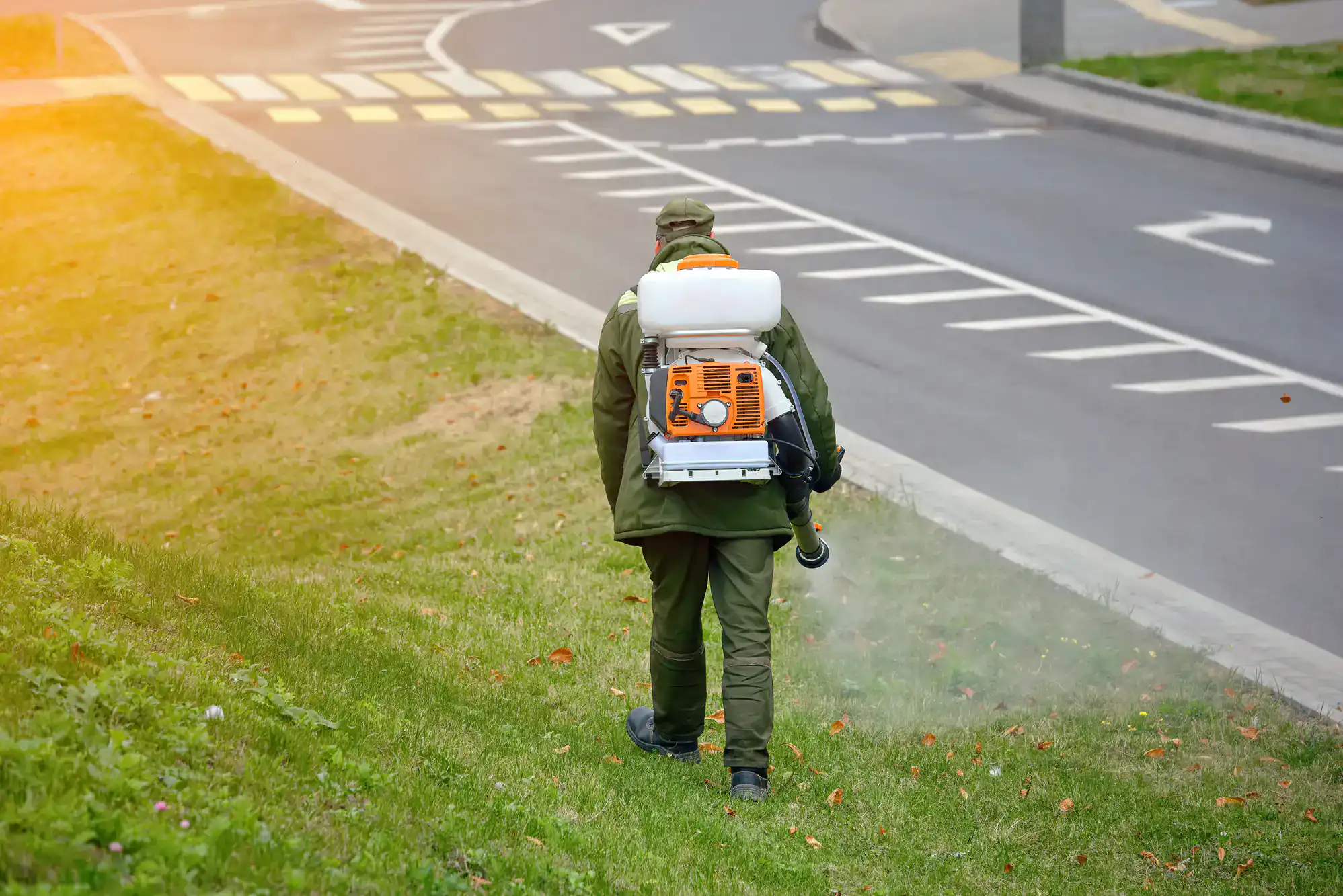
Hear from Our Customers
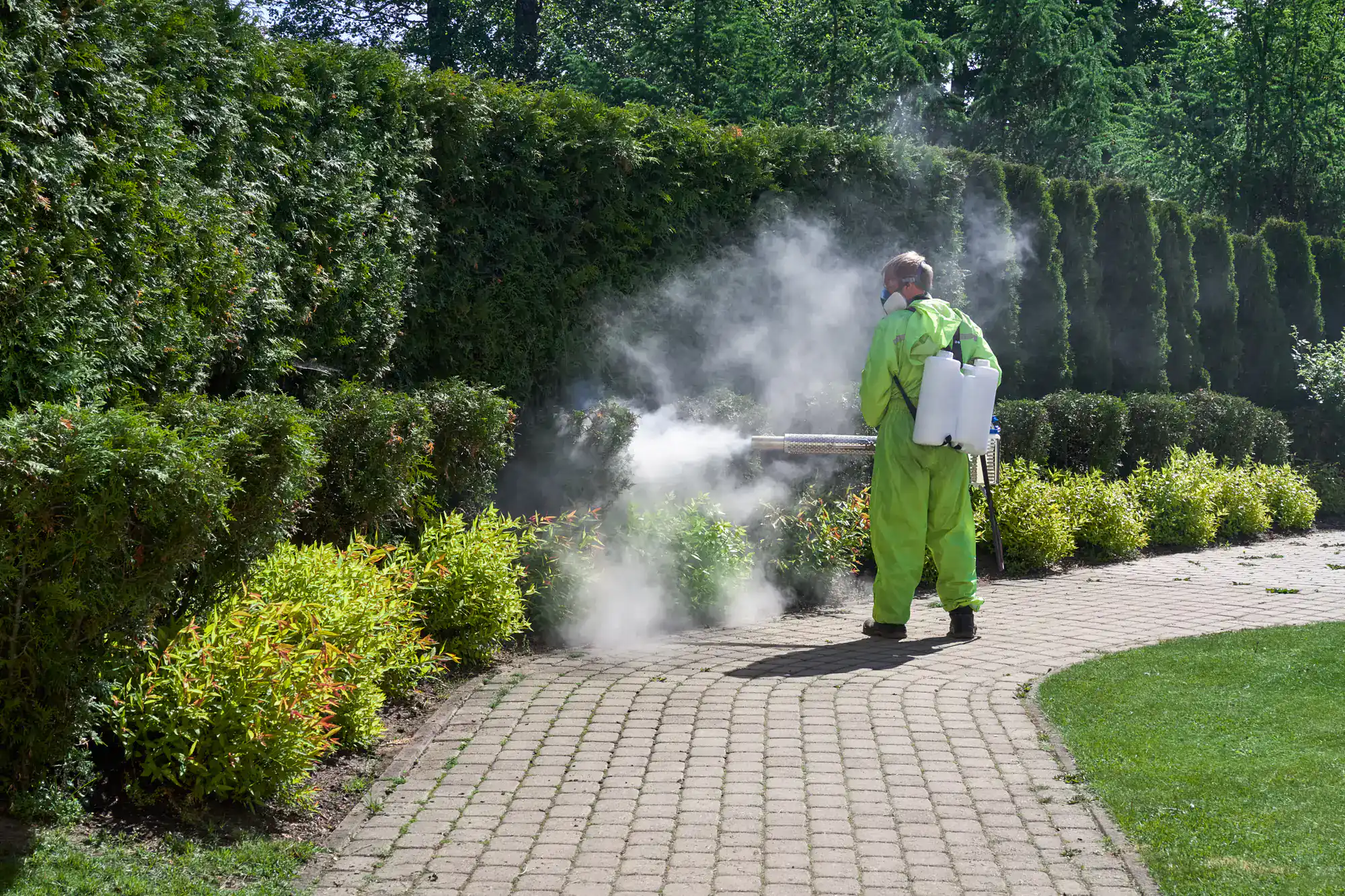
There’s a reason East Islip residents deal with more tick pressure than most of their neighbors further inland. Heckscher State Park right here in town, at the end of the parkway is home to one of Long Island’s largest white-tailed deer populations. Those deer don’t recognize property lines. They move through Deer Run, cross behind homes in Country Village and Beecher Estates, and push through wooded lot borders that trace back to old estate subdivisions. Every pass through your yard is another opportunity for ticks to drop off and establish.
For waterfront properties in The Moorings or along Champlin Creek, the risk layer is different but just as real. The brushy transition zones between your maintained lawn and the bay’s edge are exactly where lone star ticks thrive humid, dense, and largely ignored by perimeter-only spray programs. A treatment that doesn’t account for that zone isn’t a complete treatment.
What changes with a proper seasonal program is simple: you stop finding ticks on your kids and your dogs after they’ve been outside. You use your yard again the patio, the dock, the lawn without running a post-activity tick check every time. That’s what matters for families in East Islip who live outdoors half the year.
We’ve been operating in Suffolk County since 1987, which means we’ve seen every variation of East Islip’s tick season including the early spring warm spells off the Great South Bay that wake up overwintered ticks before most homeowners are thinking about it. There’s a difference between a company that knows the South Shore and one that serves it on a map.
Every technician applying product on your property holds an active NYSDEC Commercial Pesticide Applicator license. That’s a legal requirement in New York State, and it’s one a surprising number of providers quietly sidestep by sending uncertified labor. At Lawn Master, it’s non-negotiable. The same owner-level accountability that built this business in 1987 is still present on every job today.
East Islip isn’t just a service area on our list. It’s a community with specific conditions the deer corridor from Heckscher, the marsh edge along the bay, the wooded lot borders left over from the Percy Williams estate subdivision and our programs are built around what’s actually happening here.
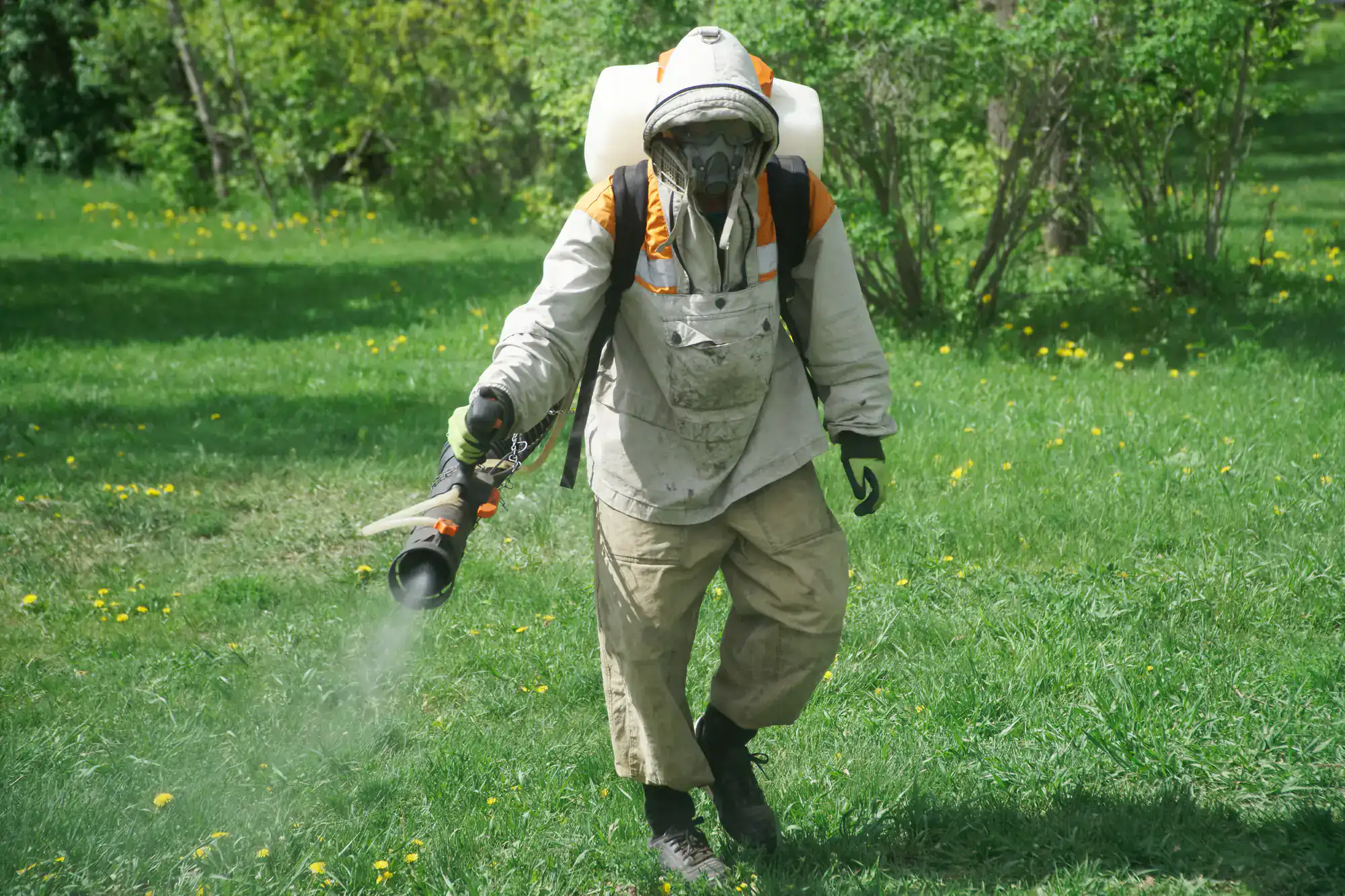
It starts with your property, not a package. Before any product goes down, we build the approach around what your specific lot looks like wooded borders, shaded areas, shoreline vegetation, deer pathways, moisture zones. A standard inland lot in Holbrook gets a different program than a waterfront property in The Moorings. That assessment is what separates a treatment that works from one that just checks a box.
Timing matters as much as product. On the South Shore, tick season starts earlier than most people expect. Warm spells off the Great South Bay in late March and early April can push temperatures above 40°F and activate overwintered adult ticks before the first treatment is even scheduled. Our programs launch in early April ahead of the nymphal tick surge that peaks in May and June, when deer ticks are the size of a poppy seed and nearly impossible to spot before they’ve fed. That window is when most Lyme disease transmissions happen, and it’s the window a late-starting program misses entirely.
From there, treatments run every three to four weeks through summer, with a fall application timed to the October–November adult tick surge which in East Islip coincides with the most active deer movement season out of Heckscher State Park. Seasonal email reminders keep you on schedule without having to track it yourself, and online payment means no checks, no calls, no friction.
Ready to get started?
Our flea and tick control programs cover the full property not just the lawn edge. That means wooded borders, shaded beds, fence lines, ornamental plantings, and the brushy transition zones between maintained turf and natural areas. For East Islip properties with bay frontage or wooded rear borders connected to the Connetquot corridor, those transition zones aren’t optional coverage they’re where the problem lives.
The program addresses all three tick species documented in Suffolk County: deer ticks (the primary Lyme vector), American dog ticks, and lone star ticks, which are particularly active in coastal and brushy environments like the ones found along East Islip’s Great South Bay shoreline. Flea treatment is built into the same program because flea populations peak in the same warm, humid conditions that East Islip’s bay proximity creates every summer, and treating one without the other leaves the job half done.
What also sets this apart is the integrated lawn care side of the equation. A properly maintained lawn aerated, fertilized with our custom blended formula, and free of excessive thatch reduces the moisture retention and overgrowth that fleas and ticks need to survive. Standalone pest control companies can spray. We can actually reduce the conditions that make your yard attractive to pests in the first place. That’s a different kind of program, and it’s one that only a company doing both can deliver.
Yes and there’s a specific reason for it. Heckscher State Park, located right here in East Islip at the end of the Heckscher State Parkway, is formally designated by the NYSDEC as “the Home of the White-tailed Deer.” It hosts one of Long Island’s largest deer populations, and those deer move through residential neighborhoods throughout East Islip regularly through Deer Run, along wooded lot borders near Connetquot Avenue, and across properties that back up to the park’s edges. White-tailed deer are the primary reproductive host for adult blacklegged ticks, which are the species responsible for transmitting Lyme disease, babesiosis, and anaplasmosis.
A Columbia University study found that more than 56% of ticks on Long Island carry Lyme disease. Living adjacent to a major deer corridor like Heckscher puts East Islip properties at the higher end of that risk range which is why a seasonal, structured treatment program isn’t an overreaction here. It’s a reasonable response to what’s actually in your backyard.
A single treatment provides roughly four to six weeks of residual protection which means one application per season leaves most of your yard unprotected for the majority of the tick-active months. The professional standard for effective control is three to six applications per season, spaced three to four weeks apart, starting in early April and running through a final fall treatment in October or November.
In East Islip specifically, that fall application matters more than it does in many other communities. October and November are when adult blacklegged ticks surge for their second peak of the year and it’s also when deer movement out of Heckscher State Park is at its most active. Skipping the fall treatment means leaving your yard unprotected during one of the two highest-risk windows of the season. Our seasonal programs are built around this actual calendar, with email reminders so you don’t have to track it manually.
When applied by a licensed professional, yes. The distinction here is important: New York State law requires that any commercial pesticide application be performed by or under the direct supervision of a NYSDEC-licensed Commercial Pesticide Applicator. That licensing process involves passing state examinations, completing a 30-hour training course, and maintaining active certification with renewal every three years. Licensed applicators know the correct products, correct rates, and correct re-entry intervals the window of time after treatment before it’s safe for children and pets to return to treated areas.
DIY products available at home improvement stores operate under a different set of rules. Consumer-grade formulations are less effective, and the application knowledge required to treat wooded transition zones, shaded beds, and tick harborage areas correctly isn’t conveyed by a product label. If you have young children who play in the yard or dogs that spend time outdoors which describes most households in East Islip professional application by a licensed technician is both the safer and more effective option.
They’re different pests with different biology, but they share enough environmental overlap that treating for one without the other usually makes sense. Ticks are active in wooded edges, shaded areas, leaf litter, and brushy transition zones the kind of habitat that’s common on East Islip properties with wooded rear borders or bay frontage. Fleas prefer warm, humid conditions and tend to peak in summer, living in shaded lawn areas, under decks, and in dense ground cover.
East Islip’s proximity to the Great South Bay creates the kind of humid microclimate that flea populations favor. If you have pets that go outdoors, or if wildlife like deer, raccoons, or rabbits move through your yard which is a near-certainty given the Heckscher corridor flea introduction is a real and ongoing risk. Our programs treat both in an integrated approach, because addressing tick pressure while ignoring flea conditions on the same property is an incomplete job.
Earlier than most people think. The standard advice is to start in spring, but on Long Island’s South Shore including East Islip warm air off the Great South Bay can push temperatures above 40°F in late March or early April, which is the threshold at which overwintered adult ticks become active. By the time a lot of homeowners are scheduling their first treatment in May, the highest-risk window of the season is already underway.
Nymphal deer ticks peak in May and June. These are the ticks responsible for the majority of Lyme disease transmissions they’re roughly the size of a poppy seed, nearly impossible to detect before they’ve fed, and they’re most active during the weeks when kids are finishing the school year and spending more time outside. Starting your program in early April puts a barrier in place before that surge hits. Our programs are timed specifically around this calendar, not a generic national template that doesn’t account for South Shore conditions.
It’s a fair question. Pest control companies can spray for ticks but that’s where their involvement ends. What they can’t do is address the lawn conditions that make your yard a favorable environment for ticks and fleas in the first place. Excessive thatch, poor drainage, overgrown turf, and moisture-retaining soil all create the harborage conditions these pests need to survive between treatments. A spray program applied to a lawn with those underlying issues will work but it has to work harder and more often.
Our approach combines flea and tick control with the lawn health side of the equation: custom blended fertilizer, hydraulic aeration, and turf restoration that reduces thatch, improves drainage, and creates a less hospitable environment for pests at the root level. For East Islip properties especially those with wooded borders, bay-adjacent moisture, or the kind of mature canopy cover left over from old estate lots that integrated approach produces results a standalone spray program simply can’t match. You’re not just treating the symptom. You’re changing the conditions.
Useful Links
Other Services we provide in East Islip