
Hear from Our Customers
A thick, dense lawn doesn’t happen because you threw down a bag of seed in April and hoped for the best. It happens because someone understood your soil, picked the right grass variety, and timed the whole thing correctly. That’s the difference between a lawn that fills in and one that stays patchy no matter what you do.
In East Islip, the conditions that work against your lawn are real and specific. Salt air off Great South Bay pulls moisture from grass blades and gradually degrades turf that wasn’t established with the right variety to begin with. The sandy loam soil that runs through most of the hamlet drains fast which means poorly timed seeding loses germination before roots ever take hold. And if your property sits near the Heckscher State Park corridor or one of the older neighborhoods with mature oak canopy, shade is quietly thinning your lawn every season.
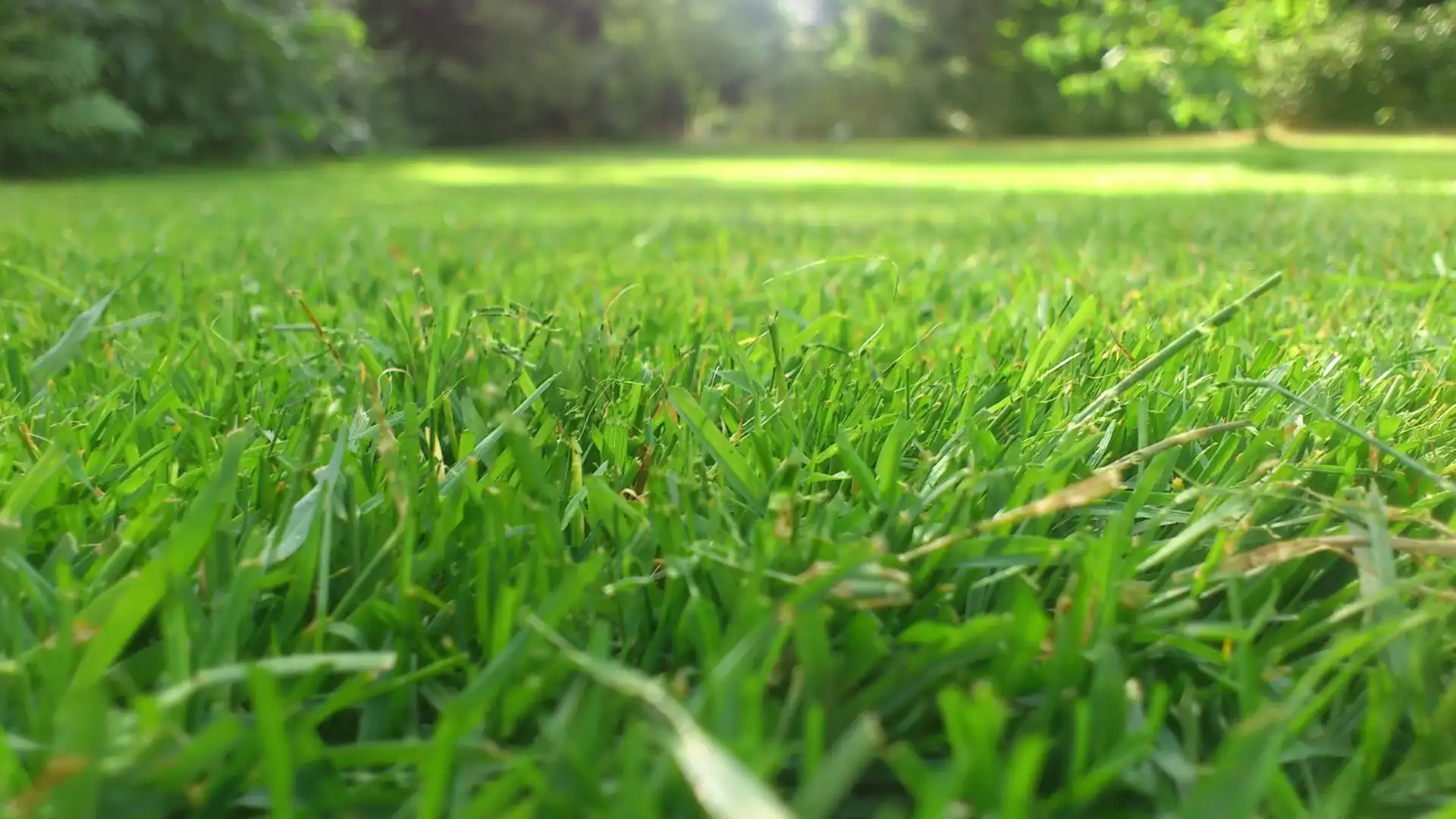
When lawn seeding is done right for this area with cool-season grass varieties chosen for coastal durability, seedbed prep that actually opens the soil, and fall timing that lines up with East Islip’s optimal germination window you get a lawn that holds up. Dense, green, and built to last through the humidity, the freeze-thaw cycles, and the salt. That’s what professional lawn seeding in East Islip, NY delivers when it’s done properly.
We’re a Suffolk County lawn seeding company that works specifically on Long Island. That matters here because East Islip isn’t Hauppauge. It isn’t Commack. It’s a South Shore bayfront community where the lawn challenges are coastal, the soils are variable, and the homeowners who’ve been here a while have seen enough generic programs fail to be rightfully skeptical.
The neighborhoods we work in around East Islip from The Moorings and Beecher Estates to the older tree-lined streets near Bayview Avenue each have their own conditions. Some properties deal with sandy soil that drains too fast. Others have clay pockets that hold water and compact easily. Some front yards are in full sun while the backyard is under a 40-year-old oak. We account for all of it before any seed goes down.
What you get is a lawn seeding program that’s built around your specific property not a one-size approach that works on paper but fails in your yard.
The first thing we do is assess your property soil type, drainage, sun exposure, existing turf condition, and proximity to the bay if relevant. This isn’t a formality. In East Islip, the difference between sandy loam near the water and a clay-heavy pocket in a lower-lying section of the hamlet can completely change what seed variety performs and how the seedbed needs to be prepared. Skipping this step is why most seeding jobs underperform.
From there, we determine whether core aeration is needed before seeding. In most cases especially on established East Islip properties where the soil has compacted over years it is. Aeration opens channels that let seed make direct contact with soil, which is the single biggest factor in germination success. If you’ve overseeded before and seen thin results, poor seed-to-soil contact is almost always why.
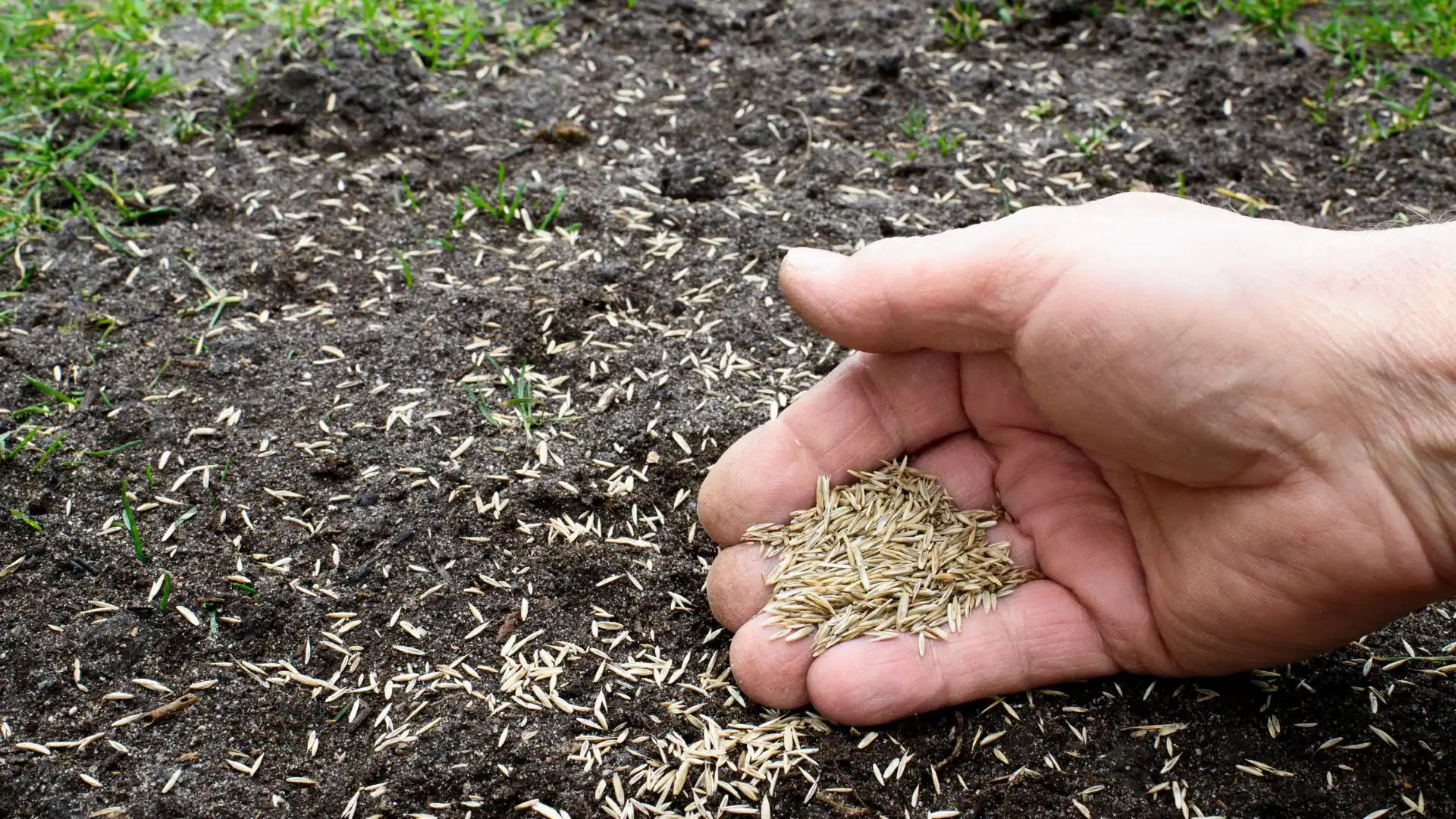
Then we seed. We use premium cool-season grass varieties tall fescue blends for durability and salt tolerance, perennial ryegrass for fast establishment, Kentucky bluegrass where conditions support it calibrated to your specific yard. Starter fertilization goes down at the same time. Timing is everything here: fall seeding in East Islip runs late August through mid-October, when soil temperatures at the 4-inch depth hit the 55–70°F range that cool-season grasses need to germinate and root before winter. We’ll walk you through what to expect during the establishment period so nothing catches you off guard.
Ready to get started?
Our lawn seeding program in East Islip covers both new lawn installation from seed and professional overseeding for existing lawns that have thinned or developed bare spots. Whether you’re starting from scratch after a renovation or trying to restore density to a lawn that’s been losing ground for a few seasons, the process is built around what your property actually needs not a standard package applied to every yard on the block.
For new lawn seeding, that means full seedbed preparation: grading where needed, soil amendment where the ground requires it, and seed selection matched to your drainage, sun exposure, and coastal proximity. For overseeding, it means core aeration first, then premium grass seed applied at the right rate for your existing turf density. Both programs include starter fertilization and post-seeding guidance on watering schedules and first-mow timing during the establishment window.
East Islip homeowners near Great South Bay should also know that our fertilization approach follows Suffolk County’s guidelines for responsible nutrient management near waterways. We’re not applying nitrogen on a generic schedule we’re timing it to protect both your lawn and the bay. If your property is in one of the lower-lying sections of the hamlet with drainage that runs toward the water, that matters. It’s a detail most national chains don’t think about. We do.
The best time for lawn seeding in East Islip is late August through mid-October. That’s when soil temperatures at the 4-inch depth based on NOAA climate data from the Islip monitoring station sit in the 55–70°F range that cool-season grasses like tall fescue and perennial ryegrass need to germinate and establish roots before the ground goes dormant for winter. Fall seeding also benefits from lower weed pressure, which means your new seed isn’t competing with crabgrass for space and resources.
Spring seeding is possible roughly March through April but it comes with real trade-offs. You’re racing the clock before summer heat stress kicks in, and pre-emergent herbicide timing gets complicated because what controls crabgrass can also interfere with new grass seed. For most East Islip homeowners, fall is the window that produces the most reliable results. If you missed it, we can talk through what a spring program looks like for your specific property and what to realistically expect.
Yes, and it’s one of the reasons generic lawn seeding programs underperform in East Islip compared to inland Suffolk County towns. Salt air off Great South Bay creates a slow, steady stress on turf it pulls moisture from grass blades, and over time, sodium buildup in the soil weakens the root environment for grass varieties that weren’t selected with coastal exposure in mind. If you’ve had seeding done before and watched it thin out or fail to hold, the seed variety may have been part of the problem.
For properties in East Islip especially those closer to the water or along the southern sections of the hamlet we select grass varieties that are specifically suited to coastal South Shore conditions. Tall fescue blends are a primary recommendation here because of their drought tolerance, deep root systems, and ability to handle the salt stress that comes with living near the bay. Getting the variety right isn’t a minor detail. It’s one of the most important decisions in the entire seeding process.
Lawn seeding typically refers to establishing a new lawn from scratch on bare ground, after a renovation, or on a property where the existing turf is too far gone to save. It involves full seedbed preparation: grading, soil amendment if needed, and precision seed application across the entire area. Overseeding is different. It’s applied to an existing lawn that has thinned, developed bare patches, or lost density over time the goal is to thicken what’s already there without tearing everything out and starting over.
For most East Islip homeowners, overseeding is the right answer. If your lawn has been gradually losing ground from shade under mature trees, summer drought stress, humidity-driven fungal disease, or just years of wear professional overseeding paired with core aeration can restore it significantly without the cost or disruption of a full new lawn installation. The key word is “professional.” Overseeding without aeration first, or with the wrong seed variety for your conditions, produces the thin, patchy results that make homeowners think seeding doesn’t work. The process matters as much as the seed itself.
Lawn seeding costs in Suffolk County vary based on property size, the scope of work involved, and what the ground actually needs before seed goes down. A straightforward overseeding program on a maintained lawn typically runs on the lower end of the range. A full new lawn installation with seedbed preparation, grading, soil amendment, and precision seeding across a larger bare area will run higher. Professional overseeding projects in the Suffolk County market generally range from around $214 on the low end to over $1,600 for larger or more involved properties.
For East Islip specifically, the most important cost variable is what’s required before the seed goes down. If your soil is compacted and needs core aeration, that’s part of the program. If your ground has drainage issues or needs amendment to support germination, that gets addressed upfront. We’d rather tell you exactly what your property needs and what it costs before we start than quote a low number and add to it later. The assessment is how we give you an honest number not a guess.
They can, but only with the right seed variety. This is a real and common issue in East Islip’s older neighborhoods particularly properties near the Heckscher State Park corridor and the estate-era sections of the hamlet where mature oaks and other deciduous trees create dense shade conditions for much of the season. Standard turf grasses like Kentucky bluegrass and most perennial ryegrass varieties struggle in heavy shade. Seeding those areas with the same mix you’d use in a full-sun front yard is a reliable way to waste your investment.
For shaded East Islip lawns, fine fescue blends including creeping red fescue and chewings fescue are the varieties that actually perform. They’re shade-tolerant, lower-maintenance, and suited to the cooler, lower-light conditions under a mature canopy. The honest caveat: if the shade is dense enough and the canopy is thick enough, no grass variety will thrive there long-term. In those cases, we’ll tell you that directly and talk through alternatives. What we won’t do is seed an area that isn’t going to hold and call it a job well done.
For large bare areas, slopes, or ground that’s been disturbed from construction, storm erosion, or a significant landscaping project seeding is often the most effective approach available. Standard broadcast seeding on bare or uneven ground has a real limitation: the seed sits on the surface and is vulnerable to washing out, drying out, or failing to make consistent soil contact. Seeding delivers seed, mulch, and starter fertilizer together in a bonded slurry that adheres to the soil surface, holds moisture during germination, and dramatically improves establishment rates on challenging ground.
In East Islip, this is particularly relevant for properties near the water where erosion is a factor, or for any yard that’s been significantly disturbed and has large sections of exposed soil. The mulch component in the slurry acts as a protective layer that keeps the seedbed from drying out between waterings which matters a lot during the fall seeding window when temperatures can swing. If you have a standard-sized lawn with an existing turf base that just needs thickening, broadcast overseeding with aeration is typically the right call. But for a major bare area or a slope that’s given you trouble before, hydraulic lawn seeding is worth the conversation.
Useful Links
Other Services we provide in East Islip