

Hear from Our Customers
Most East Islip homeowners who call us have already tried at least one other company. The lawn looked okay for a few weeks, then slipped right back thin in spots, weeds creeping in, and nobody on the other end of the phone who could explain why. That pattern is frustrating, and it is also completely predictable when a generic program gets applied to soil that does not behave generically.
East Islip sits on sandy, glacially deposited South Shore soil that drains fast and leaches nutrients before most standard fertilizers even have a chance to work. Add the salt air coming off the Great South Bay, the humidity that fuels dollar spot and red thread fungus every summer, and the compaction that builds up in lawns that have been sitting on the same property since the 1950s and you start to understand why a one-size-fits-all approach consistently falls short here.
When the program is right for the soil and the conditions, the difference shows up within a single season. Thicker turf, fewer weeds, better color through the summer heat, and a lawn that holds up instead of thinning out by August. That is what a program built specifically for East Islip looks like in practice not a promise, just what happens when the treatment actually matches the environment.
We have been treating residential lawns across Suffolk County since 1987, with deep roots in East Islip and the surrounding South Shore communities. That is not a rounded number it is a specific founding year that represents nearly four decades of direct experience with Long Island’s soil conditions, coastal pest pressures, and the full range of seasonal challenges that define lawn care in East Islip and the neighborhoods around the Great South Bay.
We operate five fully wrapped professional trucks throughout Suffolk County, and every technician who treats your lawn holds a NYS DEC Commercial Pesticide Applicator Certificate. That credential requires real training and a state examination it is not a rubber stamp. When you are located near the Great South Bay and the county’s fertilizer regulations carry genuine environmental weight, that distinction matters.
From the established neighborhoods of Deer Run and Country Village to the waterfront properties near Heckscher State Park, we have seen what this part of Suffolk County does to a lawn over time. The experience is built into every visit we make to East Islip properties.
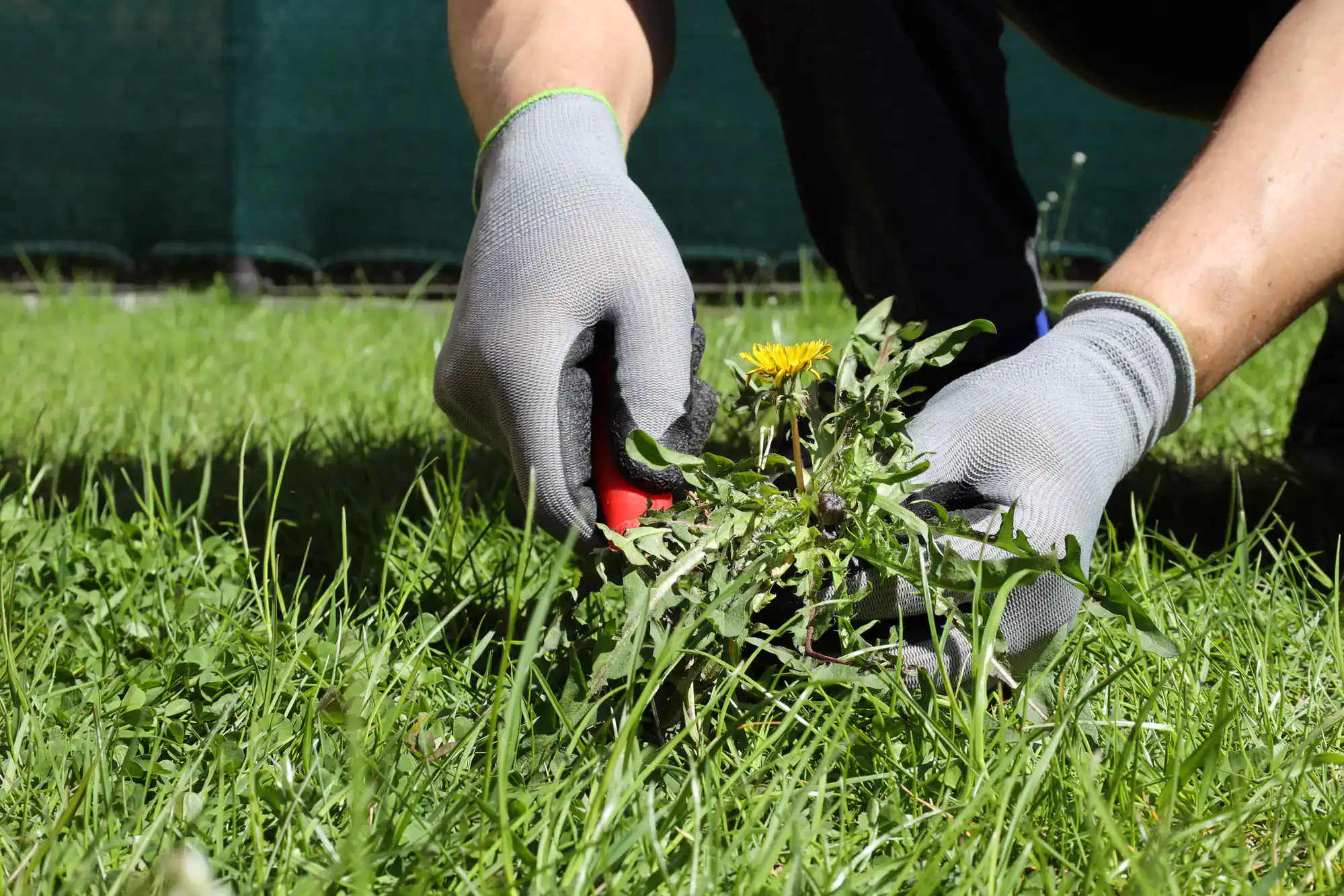
It starts with an honest assessment of what your lawn is actually dealing with. Sandy South Shore soil behaves differently than mid-island properties, and a lawn on a bay-adjacent street in East Islip has different needs than one in a more inland community. Before anything gets applied, the condition of the turf, the soil profile, and any existing weed or disease pressure all factor into what the program looks like.
From there, treatments are scheduled and timed around both the lawn’s needs and Suffolk County’s fertilizer regulations. The county’s blackout period runs from November 1 through April 1, and violations carry fines of up to $1,000 per application. We build this calendar into every program automatically the winterizer application, the most critical fertilizer of the year for root development and spring green-up, goes down before that window closes every time.
If aeration and overseeding are part of the program, we use hydraulic aerators not the lightweight drum equipment most companies run. Hydraulic aeration penetrates compacted soil more effectively, which matters significantly for East Islip’s older, established properties where decades of foot traffic have compressed the ground. After each visit, you get a written record of what was applied. No guessing, no chasing anyone down for answers.
Ready to get started?
The fertilizer we use is not purchased off a wholesale pallet and applied the same way from Connecticut to Florida. It is custom-blended specifically for our programs and for Long Island’s soil profile. On the South Shore, where sandy soil drains nutrients faster than average and salt air adds a layer of stress that inland communities simply do not experience, that difference in the product shows up in the results.
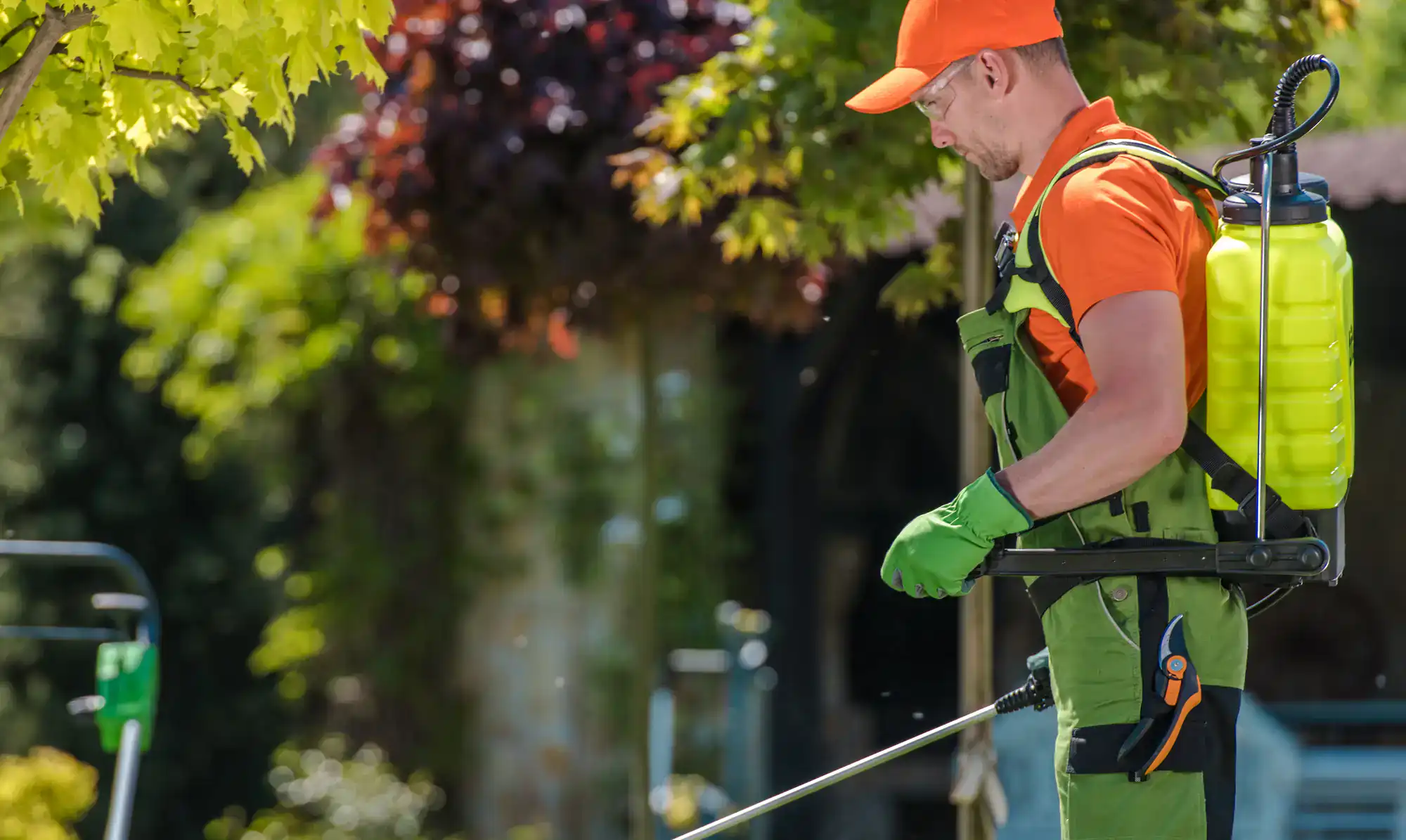
Core services include multi-application fertilization programs, pre-emergent and post-emergent weed control, grub prevention and surface insect treatments, aeration and overseeding using hydraulic equipment, and full lawn restoration for properties that need more than maintenance. For East Islip homeowners near the bay including waterfront properties in communities like The Moorings we account for the coastal conditions that most generic services ignore entirely.
Every program is custom-tailored to the individual lawn. A shaded property with moisture-holding soil and fungal pressure gets a different approach than a full-sun front lawn with compaction and thin turf. New lawn installs from seed are also available for properties that are past the point of recovery through treatment alone. We offer online credit card payment, because most East Islip homeowners have enough on their plate without chasing down paper invoices.
Sandy South Shore soil drains much faster than the soils found in mid-island communities, which means nutrients from standard fertilizer applications can leach through before the grass has a real chance to absorb them. If you are using a generic program or one that was not formulated with Long Island’s soil profile in mind you may be fertilizing regularly and still not delivering what the turf actually needs at the root level.
Compaction is the other common culprit, especially in East Islip’s older neighborhoods where many homes date back to the 1940s and 1950s. Decades of foot traffic compress the soil to the point where water, air, and nutrients cannot move through it effectively. The grass weakens, thins out, and weeds move into the gaps. Aeration with professional hydraulic equipment breaks up that compaction in a way that rental-grade drum aerators simply cannot match. Addressing both the soil chemistry and the compaction together is usually what finally turns a persistently thin lawn around.
The two diseases that show up most consistently in East Islip lawns are dollar spot and red thread, both of which thrive in the humid coastal conditions that come with living near the Great South Bay. Dollar spot appears as small, bleached circular patches scattered across the lawn, while red thread produces a pinkish-red thread-like growth on the grass blades. Both are fungal, and both are made worse by the combination of warm temperatures, coastal humidity, and lawns that are underfed or stressed.
Treatment depends on the severity and the specific conditions of the lawn. Improving the fertilization program is often the first step dollar spot in particular is strongly associated with nitrogen deficiency, and a properly calibrated feeding schedule reduces its recurrence significantly. In more severe cases, we apply targeted fungicide treatments. The key is catching it early, which is one reason having a licensed technician who knows what to look for and who visits your lawn on a consistent schedule makes a real difference in how quickly these issues get resolved in East Islip properties.
Late August through early October is the optimal window for aeration and overseeding on Long Island, and East Islip’s coastal climate actually extends that window slightly compared to mid-island communities. The Great South Bay’s moderating influence keeps soil temperatures favorable for germination a bit longer into the fall, which gives newly seeded areas more time to establish before the first frost.
The reason fall is so effective is that cool-season grasses which is what most Long Island lawns are seeded with germinate best when air temperatures are dropping but soil temperatures are still warm. Crabgrass and other warm-season weeds are winding down at the same time, so the new grass faces less competition. Spring seeding is possible but significantly less reliable because the germination window is narrow and summer heat arrives before the new turf has had time to mature. If you have bare patches or thinning areas, a fall aeration and overseeding program is almost always the most effective single investment you can make in your lawn’s long-term health.
Yes, and they are worth understanding before you hire anyone to treat your lawn. Suffolk County prohibits fertilizer application between November 1 and April 1 each year. Violations carry fines of up to $1,000 per application. The law also restricts phosphorus application and sets requirements around slow-release nitrogen formulations in certain situations.
For East Islip homeowners specifically, these regulations carry added significance because of the community’s direct relationship with the Great South Bay. Nitrogen runoff from improperly applied or over-applied fertilizer has been identified as a documented contributor to the algal blooms and water quality degradation that have affected the bay. The county’s laws exist in part because of that environmental reality. We build the full regulatory calendar into every program knowing exactly when the last fall application needs to go down before the blackout period begins, and ensuring that every treatment respects the buffer zones near water bodies. If you are hiring someone who is not licensed or who is not familiar with these specific requirements, you are carrying that compliance risk yourself.
Grub damage typically shows up in late summer as irregular brown patches that feel spongy underfoot and, in more advanced cases, can be peeled back like loose carpet because the grubs have eaten through the root system entirely. Japanese beetle and European chafer grubs are the most common culprits across Suffolk County, and East Islip’s sandy South Shore soils are well-suited to grub populations the soil texture and drainage conditions make it easier for beetles to lay eggs and for grubs to overwinter successfully.
The most effective approach is preventive treatment applied in late spring to early summer, before the grubs hatch and begin feeding. Curative treatments applied after damage is visible are less reliable and work best when grubs are still small and actively feeding near the surface. If you have seen brown, spongy patches appear in your East Islip lawn by late August or September, it is worth having a licensed technician assess whether grubs are the cause because the same symptom can also be caused by drought stress, fungal disease, or surface insects, and the treatment for each one is different.
The most practical difference comes down to who is actually treating your lawn and what they know about it. National franchise models like TruGreen route technicians across large territories, which often means a different person shows up each visit, nobody has context on your property’s history, and customer service questions get routed to a call center that has no visibility into what was applied or when. That pattern is the single most common complaint from East Islip homeowners who have tried those services and ended up looking for something else.
We operate differently in a few specific ways that matter in this market. Our fertilizer is custom-blended for Long Island’s soil profile not a national formula applied identically across every region. Every technician holds a NYS DEC Commercial Pesticide Applicator Certificate, which means the person treating your lawn has passed a state examination and understands what they are applying and why. And we have been operating in Suffolk County since 1987, which means the South Shore’s coastal soil conditions, salt-air stress patterns, and seasonal disease pressures are not new problems being figured out on your lawn they are conditions that we have managed here, consistently, for nearly four decades.
Useful Links
Other Services we provide in East Islip