
Hear from Our Customers
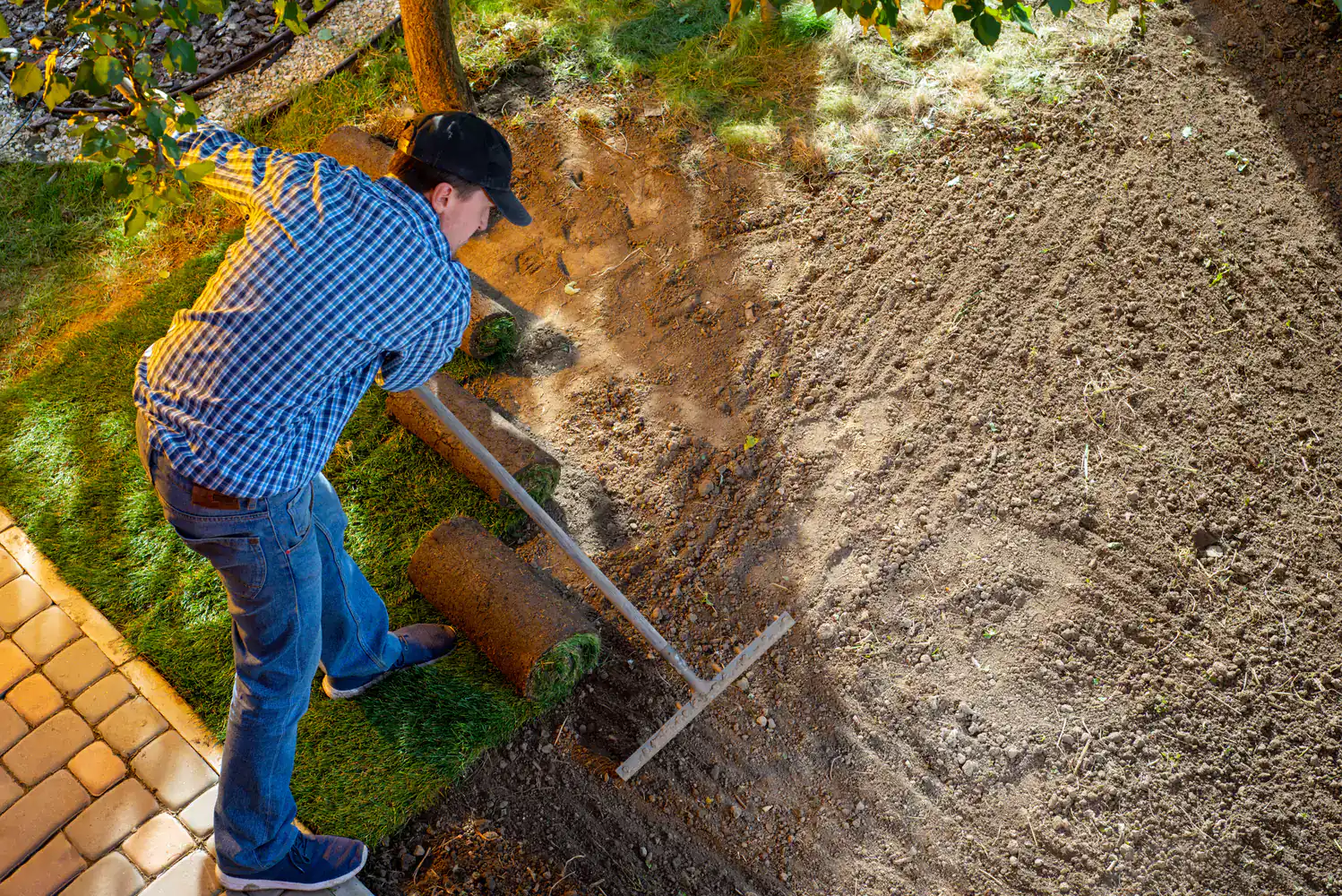
Most new lawn installations fail before they ever really start. Not because of bad seed or bad luck because the ground underneath wasn’t ready. In East Islip, that problem runs deeper than most. The sandy, fast-draining soils along the south shore lose moisture and nutrients quickly, and a lawn seeded on unprepared ground won’t establish no matter how much you water it.
When the soil prep is done correctly, the results are night and day. You get grass that roots deeply, fills in evenly, and holds through the heat of a Long Island summer without washing out in the first hard rain. For homeowners finishing a new build on Schoolhouse Road or completing a major renovation in Deer Run or Country Village, that’s the difference between a lawn that matches the quality of your home and one that embarrasses it.
There’s also the bay to consider. Properties near the Great South Bay including those in The Moorings and along Bayview Avenue deal with salt air that can stress newly seeded turf during its most vulnerable window. The right seed variety, timed and placed correctly, changes that outcome entirely. That’s not something a general maintenance company thinks about. It’s something we plan for from the start.
We’re not a landscaping company that also does lawn installation. This is all we do and we’ve been doing it on Long Island since the mid-1980s. That means we’ve worked on the sandy south shore soils throughout East Islip, the estate-subdivision lots, and the new construction sites that define this community. We’ve seen what works here and what doesn’t.
When you call us, you’re not getting a maintenance crew that squeezes installations between mowing stops. You’re getting a team whose entire process from soil assessment to establishment guidance is built around getting your lawn right the first time. We’re based in Suffolk County, we work in East Islip and the surrounding south shore communities, and we know the difference between installing a lawn in an inland community like Hauppauge and doing it right on the south shore where the soil, the salt air, and the coastal humidity all factor into the outcome.
The homeowners near Heckscher State Park and throughout East Islip have invested heavily in their properties. The lawn is the last piece of that investment. We treat it that way.
The first thing we do isn’t seed anything. It’s look at what you’re working with. Soil condition, grading, drainage, existing debris especially on new construction sites where heavy equipment has compacted the subsoil and stripped whatever topsoil was there. In East Islip, where sandy south shore soil already drains faster than most, skipping this step is how installations fail.
Once we’ve assessed the site, we address what needs to be addressed. That might mean adding topsoil, amending the existing soil with organic matter, regrading for drainage, or removing construction debris that’s been buried near the surface. New York State allows the use of high-phosphorus starter fertilizer specifically for new lawn installations a legal exception that supports early root development and one that we know how to apply correctly. After the ground is properly prepared, we select the right seed blend for your specific conditions. For waterfront properties in East Islip, that means accounting for salt air exposure and choosing varieties with appropriate tolerance. For most south shore properties, tall fescue blends perform well deep-rooting, drought-tolerant, and well-suited to the sandy soils along the bay.
Timing matters too. The best window for new lawn installation in East Islip is late August through October. Cool-season grasses germinate in warm soil, establish before winter, and come in stronger the following spring than anything seeded in April. We plan installations around that window and walk you through what to expect during the first 30 to 60 days watering, first mow timing, and what to watch for on coastal soils where fungal pressure can be higher than inland.
Ready to get started?
New lawn installation in East Islip covers the full scope from bare, construction-impacted ground to a finished, established lawn. That includes site assessment, soil preparation and amendment, topsoil evaluation, proper grading, seed selection matched to your property’s specific conditions, starter fertilizer application, erosion control where needed, and establishment guidance that carries you through the first season.
seeding is available for larger East Islip properties where it’s the more practical and cost-effective approach. It delivers even coverage across irregular terrain and is particularly well-suited to the open lots common in newer south shore developments. For properties where sod makes more sense tight timelines, high-visibility areas, or waterfront properties in The Moorings where immediate coverage matters we walk you through the honest comparison so you can make the right call for your situation. There’s no one-size answer, and we’re not going to push you toward one method if another serves your property better.
What you won’t get from us is a quote built on assumptions. Every installation starts with a real look at your property because two East Islip lots can have completely different soil conditions, drainage profiles, and salt exposure levels depending on where they sit relative to the bay. The work is scoped to what your specific property actually needs, not a template.
Yes, and it’s one of the most overlooked factors in south shore lawn installations. Properties close to the Great South Bay particularly those in The Moorings, along Bayview Avenue, and in the southern portions of East Islip are regularly exposed to salt-laden air that can stress newly seeded turf during its establishment period. When grass is in its first 30 to 60 days of growth, it’s at its most vulnerable, and salt air can inhibit germination, damage young blades, and slow root development.
The fix isn’t complicated, but it requires knowing it’s a factor in the first place. Selecting grass varieties with appropriate salt tolerance, timing the installation to avoid the most stressful exposure windows, and applying the right soil amendments all make a measurable difference. A general maintenance company typically doesn’t build this into their process. We do because getting it wrong on a coastal property like East Islip means doing it twice.
The honest answer is that it depends on your property and anyone who gives you a firm number without seeing your site is guessing. That said, here’s a realistic range for East Islip. Seed-based installation with full soil preparation typically runs between $1 and $4 per square foot depending on soil conditions, topsoil needs, and grading requirements. seeding generally falls between $0.50 and $1.00 per square foot and is often the better value for larger properties. Sod installation runs $1.00 to $3.00 or more per square foot installed.
For a typical East Islip single-family lot with 4,000 to 7,000 square feet of lawn area, a complete professional installation commonly falls in the $3,000 to $15,000 range. Properties with significant grading work, heavy construction soil damage, or substantial topsoil needs will sit toward the higher end. In a community where the median home value is over $577,000, the cost of a failed installation and the redo that follows almost always exceeds the premium of doing it correctly the first time.
For most East Islip properties, a tall fescue blend is the strongest performer. Tall fescue develops a deep root system that reaches below the fast-draining surface layer of Long Island’s sandy south shore soils, giving it access to moisture that shallower-rooting grasses can’t reach. It handles drought stress better than Kentucky bluegrass, tolerates the moderate salt air exposure common in East Islip, and holds up well through Long Island summers without requiring excessive irrigation.
For properties closer to the water particularly in The Moorings or along the southern edges of the hamlet we may blend in varieties with stronger salt tolerance depending on exposure. Kentucky bluegrass is sometimes included in blends for its appearance and self-repairing qualities, but it performs best when mixed with fescues rather than used alone on sandy coastal soils. The right blend for your property depends on where you are, what your soil looks like, and how much sun and salt exposure your lawn will face. That’s why we assess before we seed.
For cool-season grasses which are what you want on Long Island yes, fall is the right window. Late August through October gives you warm soil temperatures that support germination, cooling air temperatures that reduce stress on new seedlings, and lower weed competition than you’d face in spring. The grass establishes its root system before winter dormancy and comes back stronger in spring than anything seeded in April that had to fight through summer heat before it was ready.
East Islip has a slight advantage here. The Great South Bay’s moderating effect on the local microclimate means fall temperatures cool a bit more gradually than inland Suffolk County communities, which can extend the viable seeding window slightly. Spring installations are possible, but they require more intensive irrigation management especially on East Islip’s sandy soils, which dry out fast in summer heat and they face a narrower window before the first hot stretch arrives. If you have the option to plan your installation for fall, that’s the call we’d make every time.
New construction sites are among the most demanding starting points for lawn installation, and East Islip’s active development including new builds going up on Schoolhouse Road and throughout the hamlet means this is a situation we see regularly. Heavy equipment compacts subsoil, topsoil gets stripped during grading and excavation, and construction debris often ends up buried just below the surface. None of that shows up in a visual walkthrough, but all of it affects whether your lawn establishes successfully.
Before any seed goes down, a proper new construction installation starts with a site assessment that looks at soil compaction, topsoil depth, drainage patterns, and what’s beneath the surface. Compacted subsoil needs to be broken up so roots can penetrate. Topsoil that was stripped needs to be replaced or supplemented. Any buried debris concrete chunks, gravel, fill material needs to be addressed. Skipping this step is exactly why so many new construction lawns in East Islip come in patchy, wash out in the first storm, or fail entirely. The prep work isn’t optional. It’s the whole foundation.
They’re completely different services, and confusing the two is one of the most common mistakes homeowners make when searching for help. Overseeding is a maintenance service you spread seed over an existing lawn that’s thinning or has bare patches, and the new seed fills in around what’s already there. It works well when you have a lawn that’s worth saving. It does nothing useful when you’re starting from bare ground.
New lawn installation from scratch which is what we do means building a lawn where there isn’t one. That requires soil assessment, proper grading, topsoil evaluation, soil amendment, erosion control, and a seed selection process matched to your specific site conditions. Companies like Grow Pro Lawn Care and Lawn Pride of Patchogue-Bay Shore offer solid maintenance programs for established lawns in East Islip, but their service model isn’t built for bare-ground installation. If you’re finishing a new construction home, completing a full tear-out, or working with a property where there’s simply no lawn to work with, you need an installation specialist not a maintenance program. That distinction matters a lot when you’re deciding who to call.
Useful Links
Other Services we provide in East Islip