
Hear from Our Customers
Setauket isn’t just any North Shore town. Your property borders the same woodland greenways that run along the Stony Brook University campus a corridor that pest control researchers have specifically identified as a consistent high-exposure zone for tick-borne disease. That’s documented, and it’s the reason a one-size-fits-all spray program doesn’t cut it here.
When we have a licensed professional treating the right zones on your property the wooded edges, the leaf litter, the shaded fence lines near Conscience Bay or Strong’s Neck you stop finding ticks on your kids and your dog after every walk outside. That’s the actual outcome. Not a brochure promise, just what happens when the treatment is done correctly and on schedule.
Large-lot properties in Setauket many of them with mature trees, established ornamental beds, and wooded buffers hold tick populations that a store-bought spray won’t reach. The deer moving through Old Field and down toward Frank Melville Park are dropping ticks across your lawn every season. A professionally managed program, timed to Long Island’s actual tick calendar, is the only thing that genuinely reduces that pressure from spring through fall.
We’ve been treating Suffolk County properties since 1987. That’s not a tagline it means the team treating your Setauket yard has decades of direct experience with North Shore properties, North Shore soils, and the specific tick pressure that comes with living adjacent to SUNY Stony Brook’s campus woodlands and the Three Village corridor.
Every technician who shows up to your property is a NYSDEC-licensed pesticide professional. Not a laborer handed a spray tank a state-certified applicator who completed a 30-hour training program and passed a New York State examination. In a community where credentials actually get checked, that distinction matters.
We’re based in Port Jefferson Station, a few miles east on Route 25A. When a Lawn Master truck pulls up to your driveway, it’s not coming from a regional dispatch center in another county. It’s coming from the same North Shore corridor you live in and that geographic familiarity shows in how the work gets done.
Before any product gets applied, we build the program around your specific property. Setauket lots aren’t uniform a wooded half-acre on Strong’s Neck with deer corridors running through it needs a different approach than a more open yard closer to Route 25A. Our licensed applicator assesses your wooded buffers, ornamental beds, transition zones, stone walls, and any water-adjacent areas before determining what gets treated and how.
Once the program is set, treatments begin in early April. That timing matters on Long Island’s North Shore. Nymphal deer ticks the ones the size of a poppy seed that are nearly impossible to spot before they bite peak in May and June. Getting ahead of that emergence window is the whole point of starting early. Treatments continue every three to four weeks through the summer, and then again in the fall to address the second adult tick surge that typically runs through October and into November on the Sound side.
After each application, your yard is ready for normal use once the product has dried typically within 30 to 60 minutes. You’ll get seasonal reminders so nothing gets missed, and billing is handled online. The program runs as long as tick season runs not a day less, not a day more.

Ready to get started?
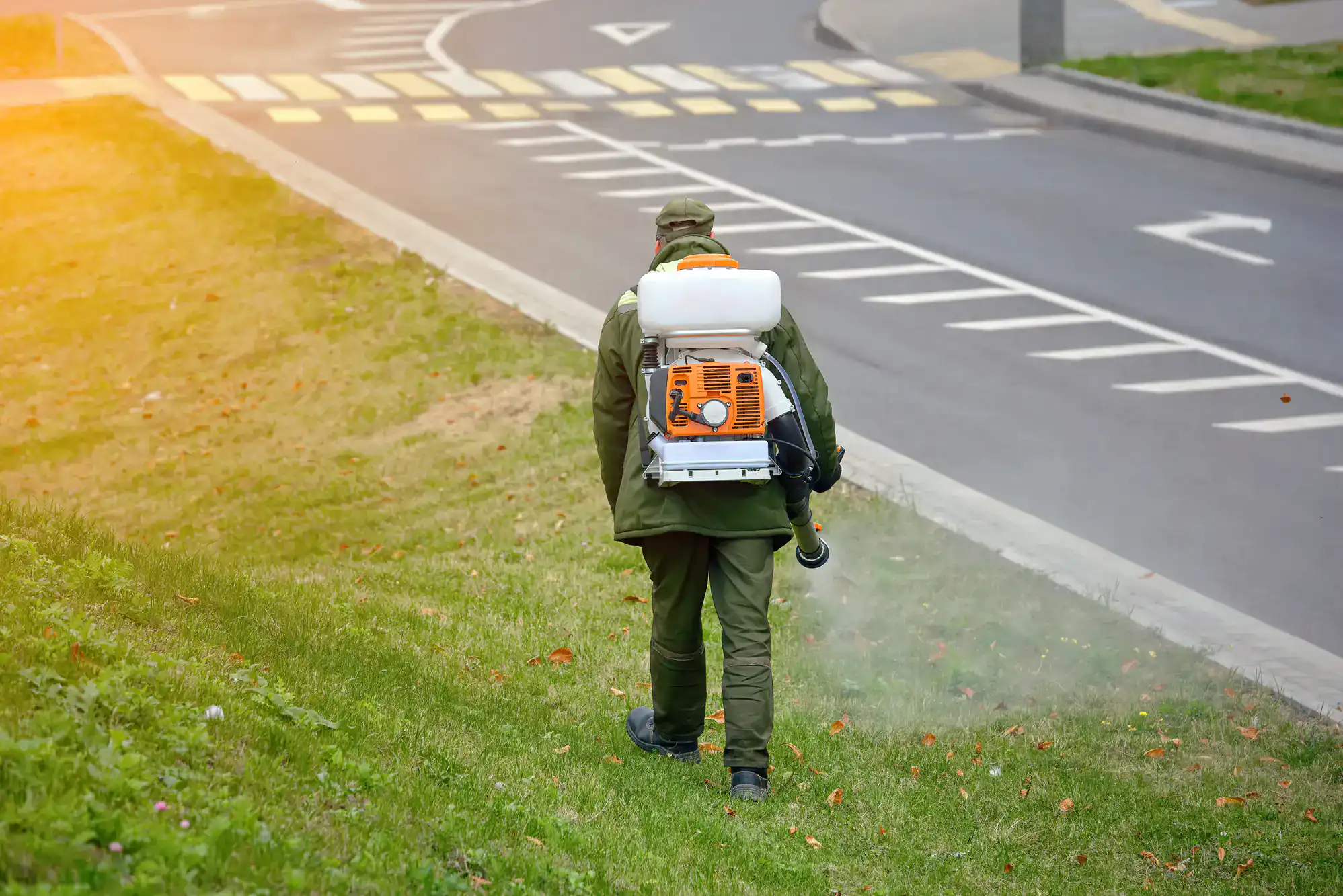
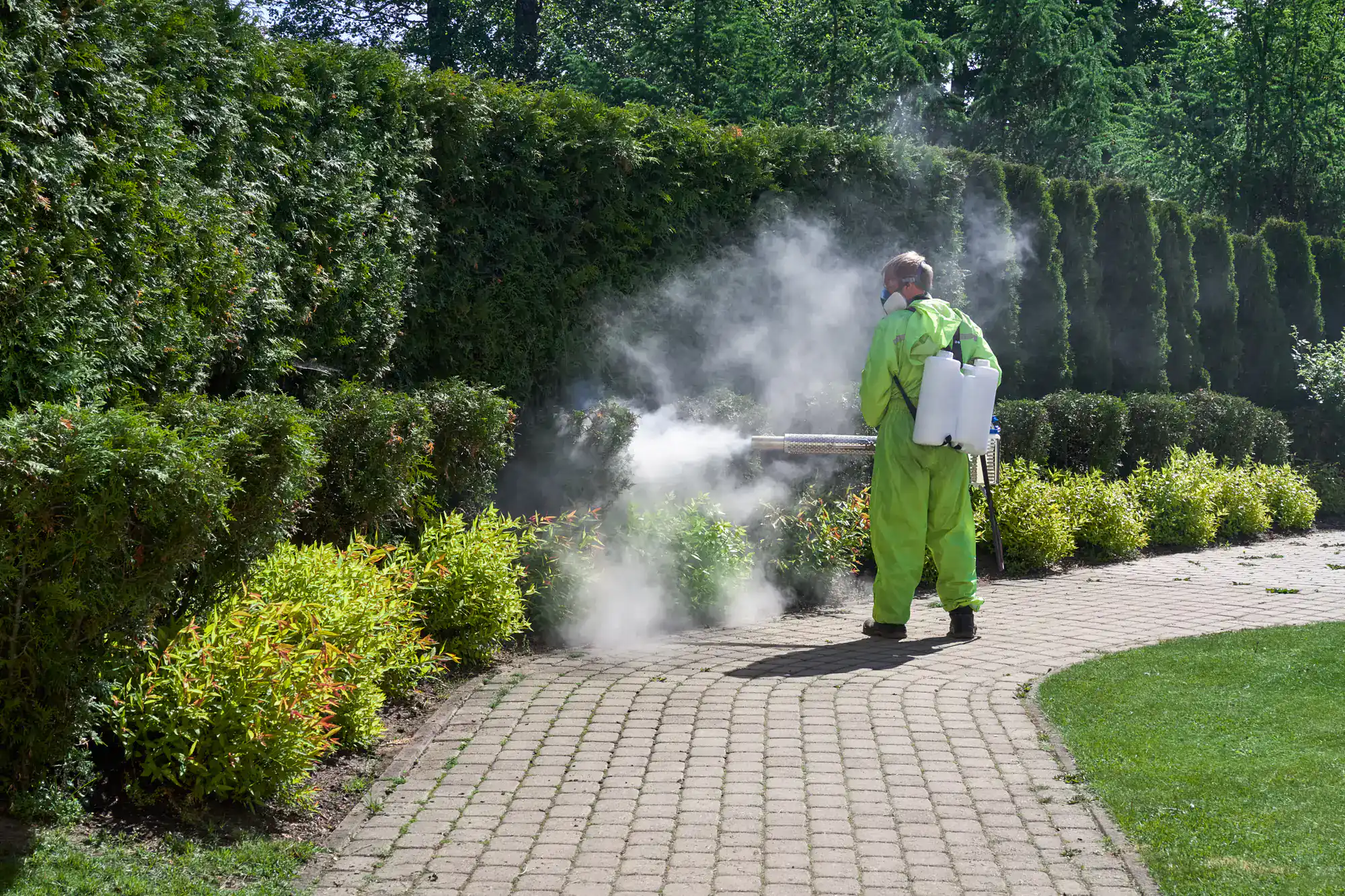
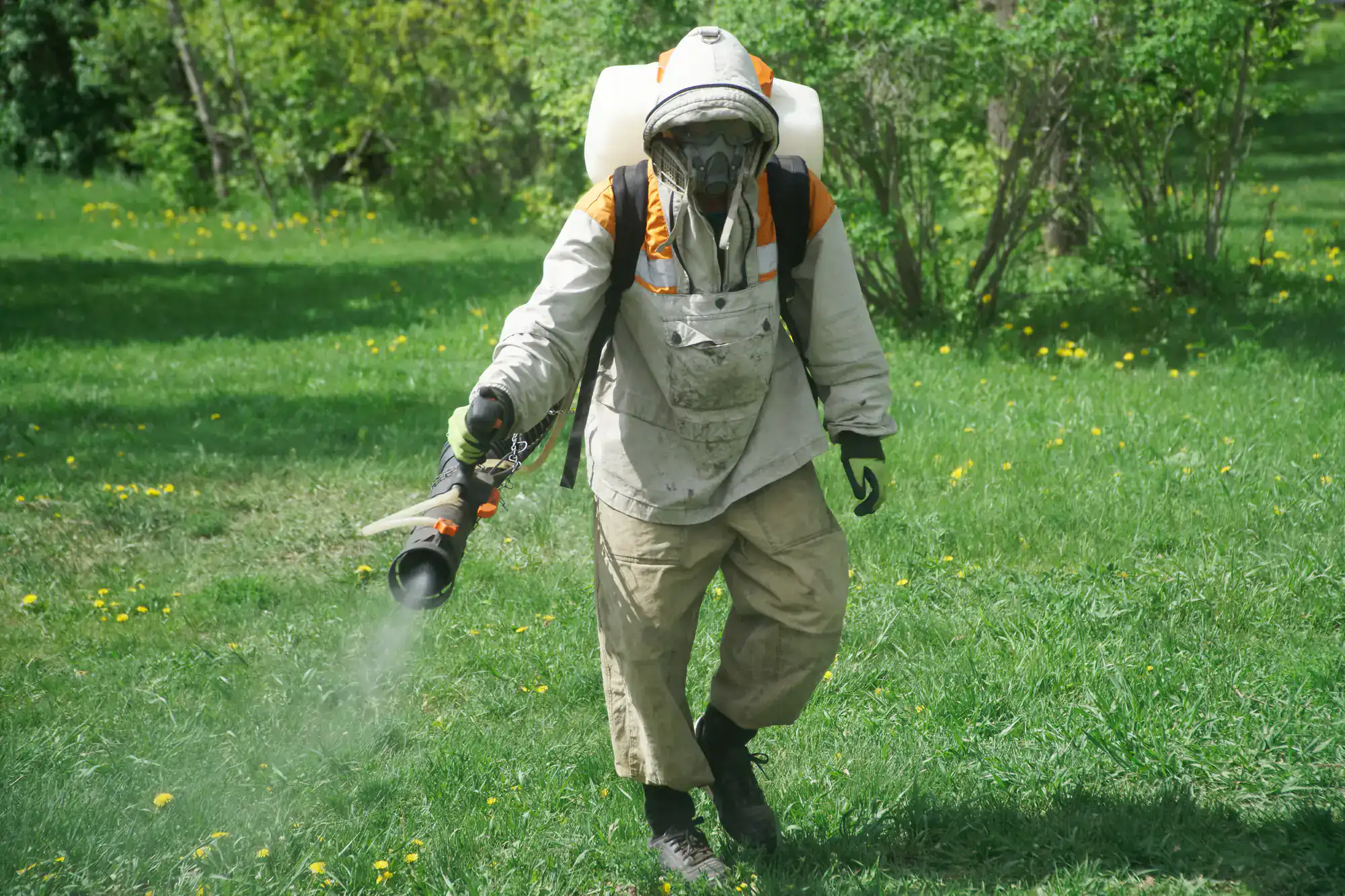
The core of every program is a targeted barrier treatment applied to the zones where ticks and fleas actually live and move. In Setauket, that means the wooded edges of your property, the shaded ornamental beds, the leaf litter zones, fence lines, and the transitional areas where your lawn meets the natural buffer up to 20 to 30 yards into wooded edges at the property perimeter. Open lawn areas and active play zones receive minimal product by design. Our licensed applicators are trained in targeted, appropriate-dosage application not broadcast spraying across everything.
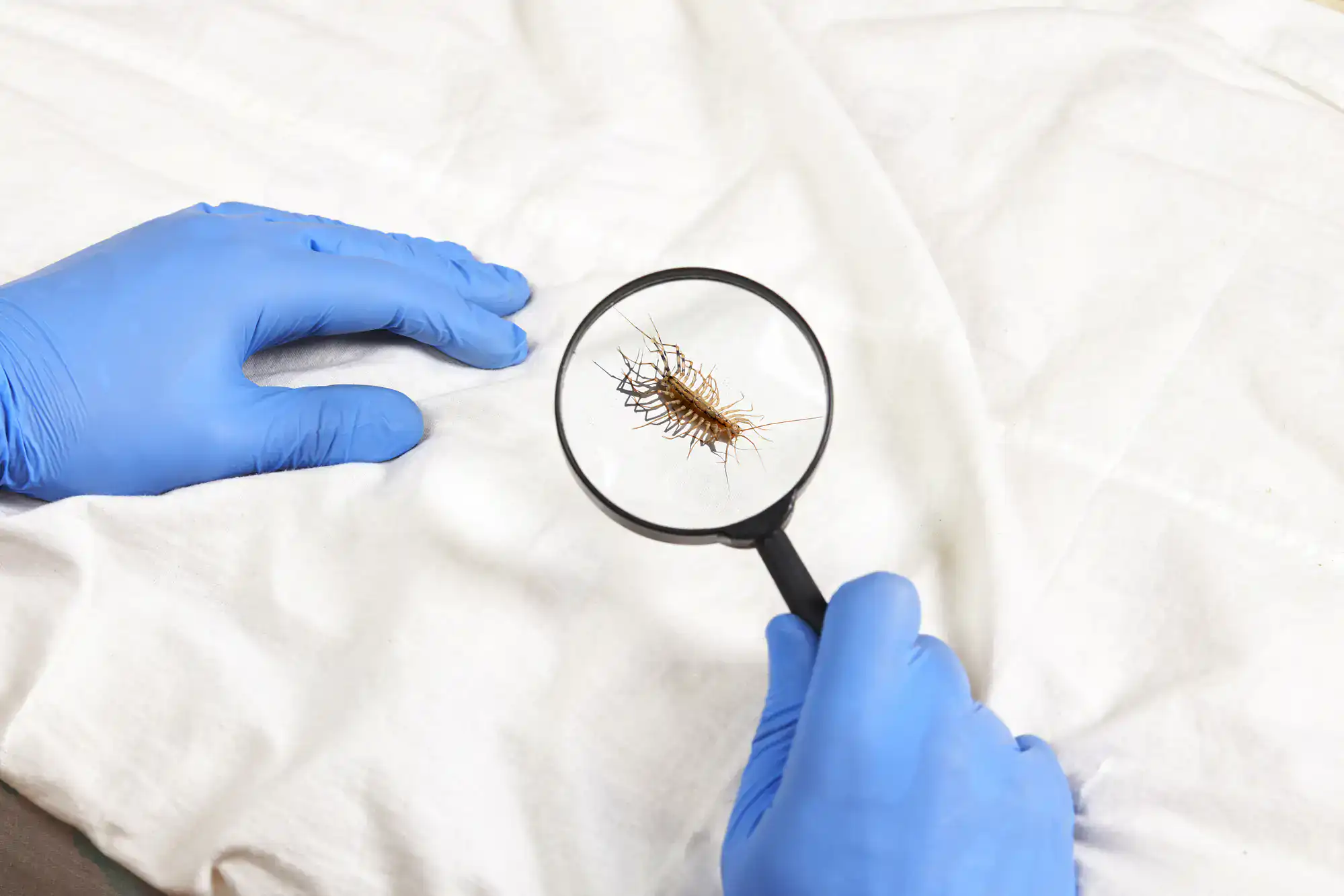
Flea treatment addresses both the outdoor and indoor lifecycle. Outdoors, we focus on eliminating the shaded, humid areas where flea larvae develop. If fleas have already made it inside which happens in Setauket’s large, well-heated homes, especially in households with pets the indoor treatment addresses the full lifecycle including eggs and pupae, which can lie dormant in carpet for months even after the adults are gone.
Every program is custom-tailored to your property’s specific layout and pressure level. The products used are applied by a NYSDEC-licensed professional who is accountable for every application. All services are backed by our owner-level expertise the same standard that has kept Suffolk County families coming back since 1987.
It’s one of the more serious tick environments on Long Island. Pest control researchers have specifically named the Stony Brook and East Setauket corridor which includes Setauket as a consistent high-exposure zone for tick-borne disease. The reason is geography: the SUNY Stony Brook campus woodland greenways run directly adjacent to residential neighborhoods, creating a continuous tick habitat that feeds into the surrounding properties. Deer move freely between the campus woodlands and residential lots, carrying ticks across property lines every season.
A Columbia University study found that approximately 56% of ticks on Long Island are carrying Lyme disease. Suffolk County’s north shore rates may be even higher. Babesiosis a potentially life-threatening illness was found in 17% of nymphal ticks in Suffolk County, more than twice the rate found in Connecticut. If you live near Frank Melville Memorial Park, back up to wooded buffers in Old Field, or have a property with any lawn-to-woodland transition, your exposure risk is real and worth addressing with a structured, professional program not a seasonal spray can from the hardware store.
Early April is the right starting point for North Shore properties in Setauket. Long Island’s position along the Sound moderates temperatures in a way that extends the active tick season on both ends ticks become active earlier in spring and stay active later into fall than in more inland areas of New York. Adult blacklegged ticks that overwintered can become active whenever temperatures climb above roughly 35 to 40 degrees, which means late February and March warm spells can bring them out before most homeowners are thinking about it.
The highest-risk window is May and June, when nymphal deer ticks emerge at peak density. Nymphs are the size of a poppy seed nearly impossible to detect before they bite and they’re responsible for the majority of Lyme disease transmissions. Starting treatment in April puts a barrier in place before that emergence. From there, applications continue every three to four weeks through summer, and a fall round addresses the adult surge that runs through October and into November on Setauket’s North Shore side.
Yes when it’s applied correctly by a licensed professional. That distinction matters. NYSDEC-certified applicators are trained in targeted, appropriate-dosage application, which means products go where ticks and fleas actually live the wooded edges, shaded beds, leaf litter zones, and fence lines not broadcast across your entire lawn. Open play areas and high-traffic yard zones receive minimal product by design.
Re-entry is generally safe once the application has dried, which typically takes 30 to 60 minutes depending on conditions. You don’t need to keep your kids or pets off the lawn for the rest of the day. What you want to avoid is letting anyone out while the product is still wet. Our licensed applicator will tell you exactly when it’s safe to go back out and if you’re working with someone who can’t answer that question clearly, that’s a problem. With us, every application is done by a state-licensed professional who knows the products being used, the dosages being applied, and the correct re-entry window for your specific treatment.
If your property has any lawn-to-woodland transition and most Setauket lots do then yes, outdoor flea treatment is worth including in your program. Fleas don’t just come from other pets. Wildlife moving through wooded buffers, including deer, raccoons, opossums, and feral cats, can deposit fleas directly into your yard. Once flea larvae establish in shaded, humid areas along the wooded edge of your property, they work their way toward the house and once they’re inside a heated home, they can survive year-round.
Setauket’s large-lot properties, many of which include mature trees, established ornamental plantings, and direct contact with natural areas near Conscience Bay or the Frank Melville Park corridor, are particularly susceptible to this pattern. We target the outdoor harborage zones where the lifecycle starts the shaded leaf litter, the dense foundation planting, the areas under decks and along fence lines. Addressing it outdoors before it becomes an indoor problem is significantly easier and less disruptive than treating an active indoor infestation.
The main difference is what actually gets treated and how. Store-bought tick sprays are designed for general broadcast application you spray the lawn, the product breaks down in a few days to a week, and you’ve barely touched the zones where ticks are actually concentrated. Ticks live in the leaf litter, the wooded edges, the shaded ornamental beds, and the transition zones between your lawn and any natural area. A homeowner with a standard sprayer isn’t going to penetrate those zones the way a professional application does.
Beyond the application itself, New York State requires a NYSDEC commercial pesticide applicator license for any commercial pesticide application. That licensing requires a 30-hour training program and a state examination it’s not a company badge, it’s a legal credential. A licensed professional understands which products are appropriate for your specific situation, what dosage is correct, how to apply them without over-treating open areas, and how to time applications to Long Island’s actual tick biology. For a property in Setauket where tick pressure is documented and the lots are large the difference between a professional program and a DIY approach is significant.
Yes, and it’s one of the more practical ways to manage it. We handle both lawn care and flea and tick control, which means your property is being looked at as a whole system rather than two separate service calls from two different companies. That matters more than it might sound a lawn that’s properly aerated, fertilized, and maintained at the right height and health level naturally reduces the conditions that ticks and fleas exploit. Overgrown, thatch-heavy turf holds moisture and provides more harborage. A well-maintained lawn doesn’t eliminate tick pressure in Setauket, but it reduces it.
From a practical standpoint, bundling also means fewer vendors, fewer scheduling headaches, and a single point of accountability for your property. Setauket homeowners with larger lots the kind of four- and five-bedroom properties on wooded parcels that define this part of the Three Village area are managing a real amount of outdoor space. Having one company that knows your property, knows its specific pressure points, and shows up on a consistent schedule makes that significantly easier to manage than coordinating multiple contractors across the same yard.
Useful Links
Other Services we provide in Setauket