

Hear from Our Customers
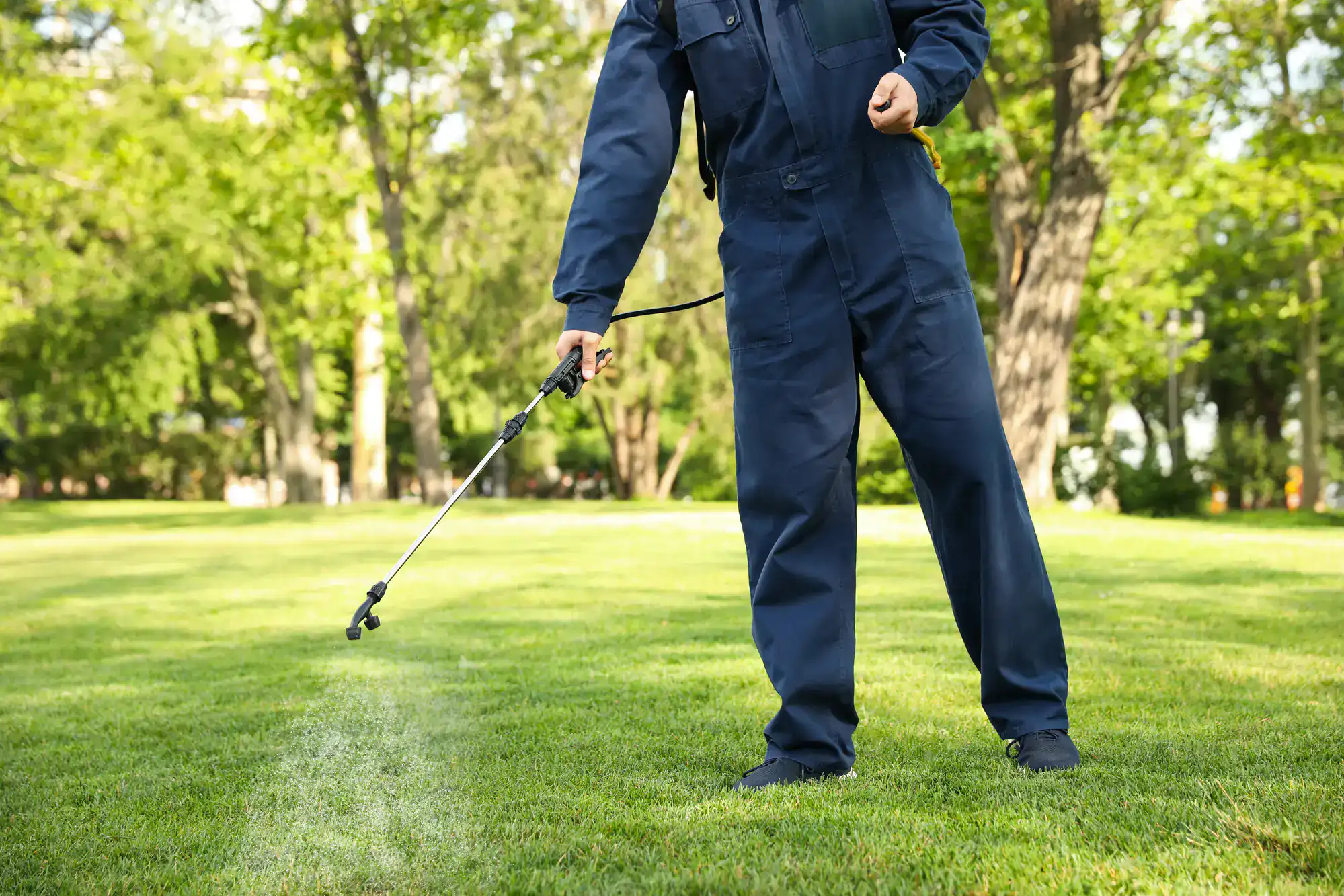
A thick, green, weed-free lawn doesn’t happen by accident in Setauket. The mature tree canopy throughout the historic district and neighborhoods near Frank Melville Memorial Park creates significant shade and shaded lawns need different grass varieties, different fertilization rates, and a different approach to weed control than open sunny turf. When those details are handled correctly, you stop fighting the same bare patches every spring and start seeing a lawn that actually holds through the season.
The soil underneath your Setauket grass is Haven Loam well-drained, sandy-gravel substrate that moves nutrients downward faster than most homeowners realize. That means timing matters, product selection matters, and a one-size-fits-all fertilizer program is quietly working against you. When the right blend goes down at the right time, your grass roots deeper, recovers faster from summer stress, and comes out of fall ready for a strong spring green-up.
For properties in Old Field and along Strong’s Neck, there’s another layer: salt air off Long Island Sound affects turf health in ways that most lawn companies simply aren’t thinking about. A program built for coastal North Shore conditions not a generic Long Island template is what actually moves the needle on a waterfront Setauket property.
We’ve been operating in Setauket and throughout Suffolk County since 1987. That’s nearly four decades of treating lawns across the North Shore including the shaded, mature-canopy properties of the Three Villages area, the waterfront estates in Old Field, and everything in between. We’re based in Port Jefferson Station, which puts us a few minutes from Setauket along Route 25A. This isn’t a regional franchise routing crews from a distant hub it’s a local operation that knows these roads, these Setauket neighborhoods, and these soil conditions from years of actual work.
Every technician on our team is a licensed NYS DEC pesticide applicator. That’s a legal requirement in New York State that a surprising number of operators quietly skip. Beyond the licensing, we run a fleet of five fully wrapped, professional trucks and use a custom-blended fertilizer made specifically for our programs and Long Island’s soil profile. When you call us, you’re not getting a call center you’re getting a company that has been accountable to Setauket and Suffolk County homeowners for longer than most lawn care franchises have existed.

It starts with an honest assessment of what’s actually going on with your lawn. Sun exposure, shade patterns, grass species, soil condition, problem areas all of it gets looked at before anything gets applied. A property near the Setauket village green with heavy canopy cover is going to need a different approach than a newer construction home in a sunnier part of the Three Villages. That initial read shapes everything that follows.
From there, we build a treatment schedule around your lawn’s specific needs and Suffolk County’s regulatory calendar. The county prohibits fertilizer applications from November 1 through April 1 a rule that exists to protect Long Island’s sole-source drinking water aquifer, and one that we follow without exception. Treatments are timed to hit the right windows: pre-emergent weed control in early spring before crabgrass gets established, grub control in summer before larvae damage becomes visible, and the most critical work of the year in fall core aeration, overseeding, and fertilization that builds the root system your lawn needs to carry through winter.
We use hydraulic aerators that pull deeper cores than the consumer-grade equipment most operators use, which means better air, water, and nutrient penetration into the soil. After aeration and overseeding, the fertilizer goes down the custom-blended formula made specifically for us and Long Island’s soil chemistry. You’ll notice the difference by the following spring.
Ready to get started?
Our programs cover the full range of what a North Shore Suffolk County lawn actually requires. Fertilization, weed control, grub control, core aeration, overseeding, and new lawn installation from seed are all part of what we do and each service is delivered by licensed pesticide professionals, not a rotating crew of unlicensed laborers working off a quota sheet.
Grub control is worth calling out specifically, because Japanese beetle grub damage is a real and documented problem in Setauket’s residential neighborhoods. Adults lay eggs in summer, grubs feed on grass roots through fall, and by the time you see brown spongy patches lifting away from the soil, the damage is already done. Preventive grub control, timed correctly, stops that from happening. For a homeowner with an established lawn on a property valued near or above the Setauket median which sits close to $860,000 losing that turf to a preventable infestation is not an acceptable outcome.
If your lawn is past the point of treatment and needs a full restart, we install new lawns from seed. We bring the same licensed expertise and custom-blended fertilizer to a new install as we do to a maintenance program, so the lawn that comes up is built on a solid foundation from day one. One company handles the whole picture from bare soil to a finished, maintained lawn.
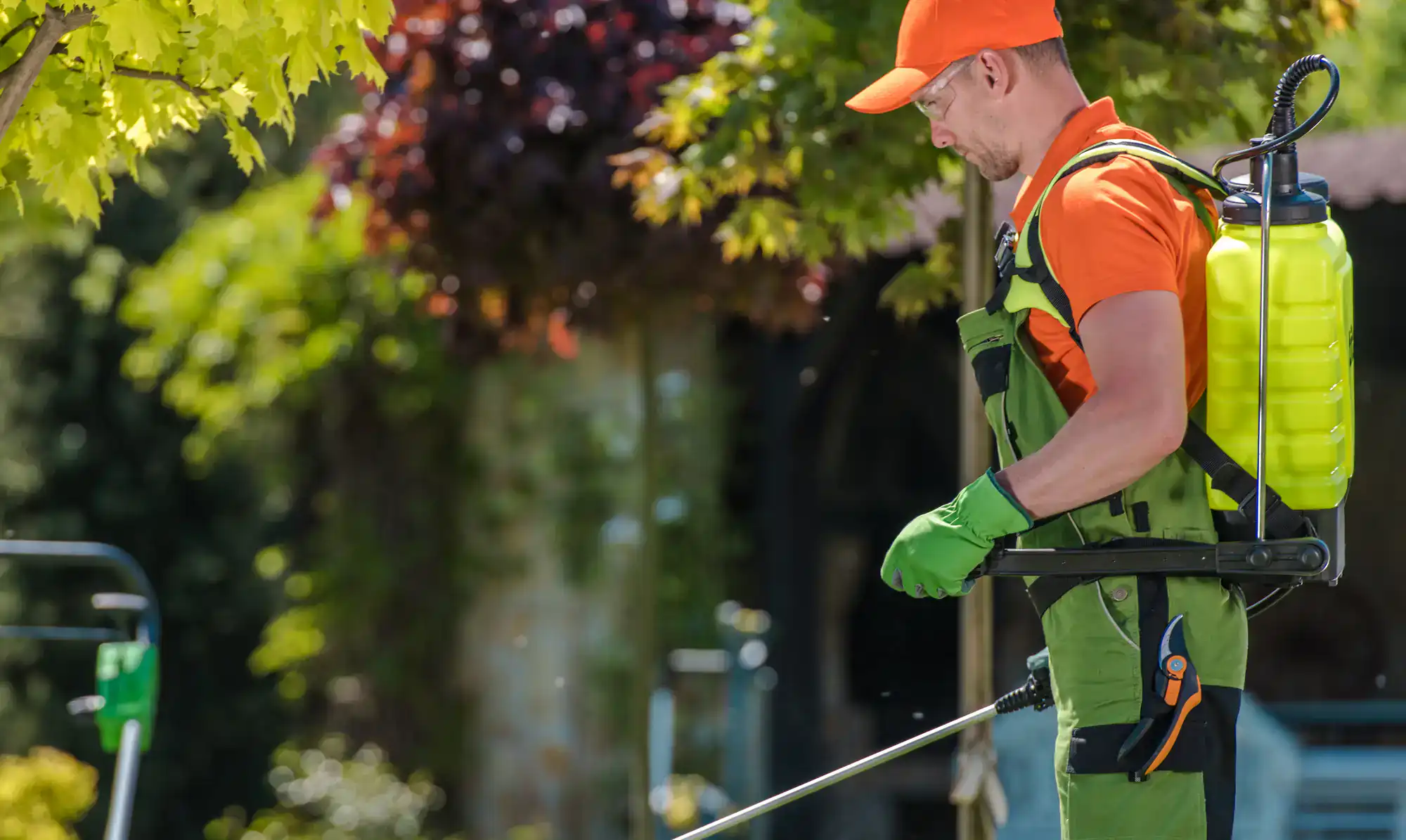
Setauket has a combination of conditions that most generic lawn programs aren’t built for. The mature tree canopy throughout the historic neighborhoods especially around the village green and Frank Melville Memorial Park creates significant shade that requires different grass varieties and different treatment approaches than open, sunny turf. Fine fescue performs in those shaded zones where Kentucky bluegrass or tall fescue would struggle, and fertilization rates need to be adjusted accordingly.
Then there’s the coastal factor. Properties in Old Field and along Strong’s Neck deal with salt air off Long Island Sound that stresses cool-season grasses and affects soil chemistry over time. And underneath all of it, Setauket sits on Haven Loam a well-drained, sandy-gravel soil that moves nutrients downward faster than clay-heavy soils found elsewhere in New York. A program that accounts for all three of those factors shade, coastal exposure, and soil drainage is going to outperform a generic regional template every time.
On Long Island’s North Shore, the two most productive windows for fertilization are late spring and fall with fall being the more important of the two. Cool-season grasses like tall fescue and Kentucky bluegrass are actively growing when soil temperatures are in the 60–75°F range, which in Setauket typically means April through early June and again from September through October. Fertilizing during those windows fuels real root development. Fertilizing outside of them is largely wasted effort.
There’s also a hard regulatory line to be aware of: Suffolk County Local Law 41-2007 prohibits lawn fertilization from November 1 through April 1. The rule exists because grass goes dormant when soil temperatures drop below 55°F any fertilizer applied during that window doesn’t feed the lawn, it leaches through Setauket’s sandy soil into Long Island’s sole-source aquifer. A licensed professional follows this calendar without exception. If the company treating your lawn doesn’t know this regulation, that’s a problem worth taking seriously.
A few signs point pretty clearly in that direction. If your lawn feels spongy or compacted underfoot, if water pools after rain instead of absorbing, or if you’re seeing thin, patchy areas that don’t fill in on their own those are all indicators that the soil has become too compacted for grass roots to thrive. Aeration breaks that up. It pulls physical cores from the soil, creating channels for air, water, and nutrients to reach the root zone in a way they simply can’t in compacted ground.
Fall is the right time for this in Setauket specifically early September through October, when cool-season grasses are in their active growth phase and conditions are ideal for seed germination. Overseeding right after aeration takes advantage of the open soil channels and consistent fall moisture to establish new grass before winter. A hydraulic aerator, which pulls deeper and more consistent cores than consumer-grade equipment, makes a meaningful difference in how well the seed takes and how much the existing turf responds. Done right, you’ll see a noticeably thicker, healthier lawn the following spring.
For most Setauket properties, yes and it’s worth treating preventively rather than waiting for visible damage. Japanese beetle grubs are a well-documented problem throughout Suffolk County. The adults lay eggs in the soil in midsummer, the grubs hatch and spend late summer and fall feeding on grass roots just below the surface, and by the time you see the brown spongy patches that lift away from the soil, you’ve already lost the root system underneath. Reactive treatment at that point is less effective and more expensive than prevention.
Timing is everything with grub control. The application needs to hit the window when grubs are newly hatched and close to the surface typically late June through August. Applied too early or too late, the product doesn’t reach the larvae at the right stage. A licensed technician who knows Suffolk County’s seasonal patterns will get that timing right. For a homeowner with a large, established lawn on a high-value Setauket property, preventive grub control is a straightforward investment compared to the cost of reseeding or replacing a damaged lawn.
Start with licensing. In New York State, any company applying pesticides or fertilizers to turf for hire is legally required to employ NYS DEC-licensed pesticide applicators. This isn’t optional it’s a regulated credential that requires a 30-hour training course and a state exam. A lot of operators in Suffolk County quietly skip this requirement. Asking directly whether technicians are licensed is a reasonable and important question, and a legitimate company will answer it without hesitation.
Beyond licensing, look for a company that actually knows the area. Setauket has specific conditions Haven Loam soil, a mature shade canopy, coastal exposure in parts of Old Field and Strong’s Neck that require a program built around those realities, not a generic template applied county-wide. Ask how they assess a new lawn before starting, whether they use custom or off-the-shelf fertilizer products, and how long they’ve been operating in Suffolk County. Longevity matters here. A company that has been treating North Shore lawns for decades has encountered your exact conditions before and knows how to handle them.
In most cases, yes though the starting point matters. A lawn that’s thin, weedy, and stressed from years of poor care or a single bad season of grub damage can be brought back, but it takes a realistic sequence of steps rather than a single application. The first priority is addressing whatever caused the damage whether that’s grubs, compaction, shade stress, or a fertilizer program that wasn’t calibrated for the soil. Treating the symptom without understanding the cause just leads to the same outcome the following year.
From there, core aeration and overseeding in fall give the lawn its best opportunity to recover. New seed germinates into the open channels left by the aerator, and fall’s cooler temperatures and consistent moisture create ideal conditions for establishment. We also install new lawns from seed when the damage is extensive enough that restoration isn’t the right call same licensed professionals, same custom-blended fertilizer, same program-based approach from the ground up. Setauket’s soil and climate respond well to a properly sequenced recovery program, and most homeowners see meaningful improvement within a single growing season when the work is done correctly.
Useful Links
Other Services we provide in Setauket