
Hear from Our Customers
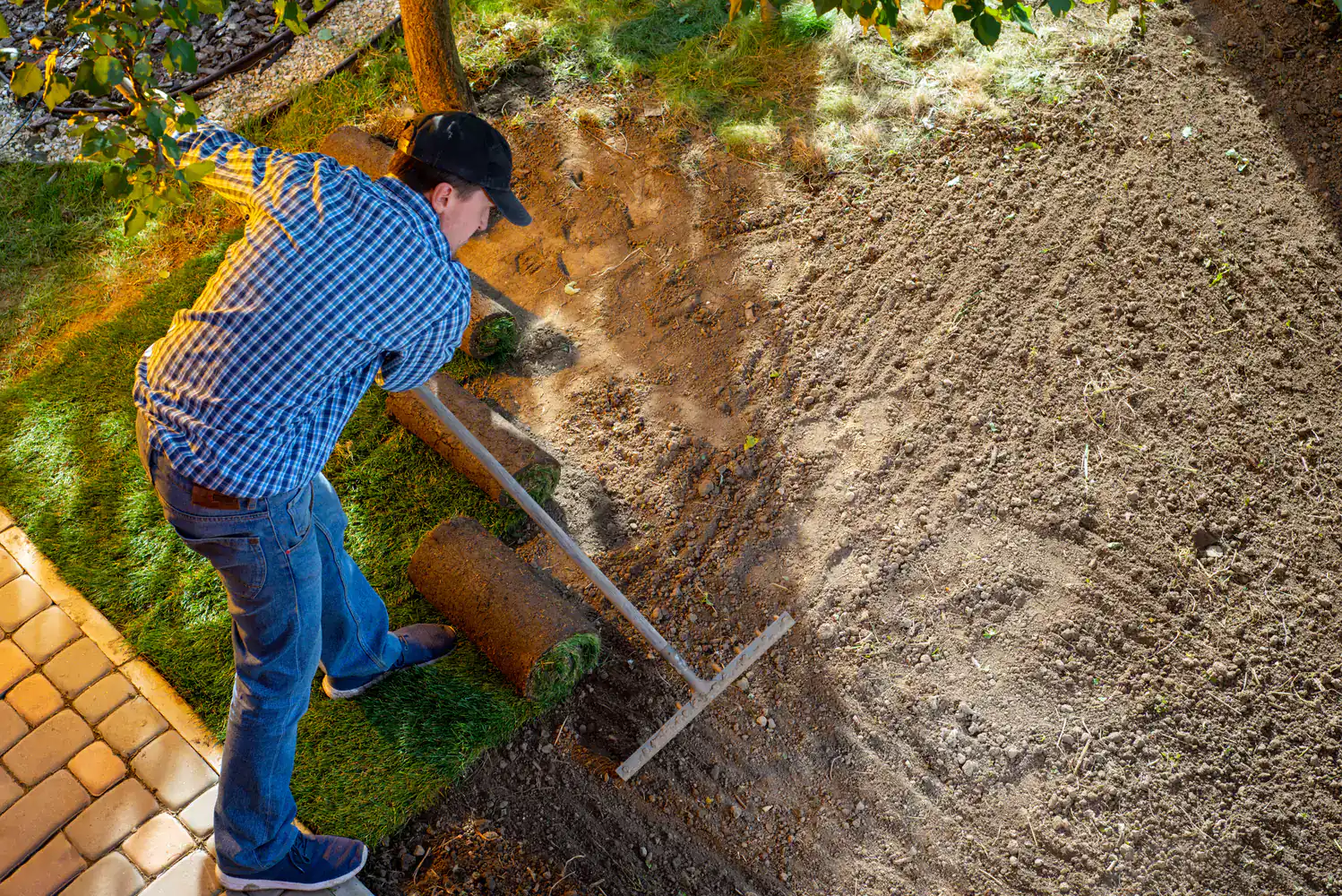
When you’re standing at the end of a major project a new build in the M Section, a pool installation, a full exterior renovation the bare ground around it isn’t a minor detail. It’s the last thing people see. In Setauket, where the historic district, the waterfront, and the school district all contribute to what makes a property worth what it’s worth, an unfinished lawn is a real problem.
A properly installed lawn doesn’t just look better. It stabilizes the soil, manages drainage, and protects the investment you’ve already made in the property around it. For homes near Conscience Bay or Port Jefferson Harbor, that also means choosing grass varieties that hold up to salt air something a general landscaper isn’t thinking about when they throw seed down in April.
What you get on the other side of our professional installation is a lawn that establishes correctly, fills in evenly, and doesn’t need to be redone six months later. That’s the outcome. Not just green grass a finished property.
We’ve been installing and renovating lawns on Long Island since the mid-1980s. That’s not a number to fill a headline it’s the difference between a company that knows Setauket’s Haven Loam from a textbook and one that has been working in it, season after season, on properties from Port Jefferson Station to Old Field.
We’re based in Port Jefferson Station, right next door to Setauket along Route 25A. This isn’t a franchise dispatching crews from Nassau County. When we show up to your property, we already know the neighborhood, the soil, and what a North Shore lawn in Setauket needs to establish correctly.
Our entire business is built around installation and renovation not mowing routes, not maintenance contracts. If you need a lawn built from bare ground, we’re the company that does exactly that, and we’ve been doing it here longer than most competitors have been in business.

The first thing that happens isn’t seeding it’s assessment. Every Setauket property starts with a site evaluation: what the soil looks like, how the grade drains, whether there’s compaction from construction equipment, and what kind of soil history the lot has. Older homes near the village green have decades of layered fill and pH drift. New construction sites often have stripped topsoil and buried debris. The starting point matters, and it’s different on every property.
From there, the ground gets prepared grading where needed, topsoil added where the depth isn’t sufficient, soil amendments applied based on what the site actually requires. In Setauket, that often means lime to correct pH in Haven Loam and starter fertilizer timed to the installation. New York State restricts high-phosphorus fertilizer to new lawn installations specifically, so this step has to be done correctly and legally.
Once the ground is ready, seed selection is matched to your property’s specific conditions sun exposure, proximity to water, slope, and intended use. The optimal window for seeding in Setauket is late August through October, when soil temperatures support germination and fall rains carry the establishment through. After installation, you get a clear 30-to-60-day plan so you know exactly what to do and what to expect.
Ready to get started?
New lawn installation in Setauket isn’t a single method applied to every property. The approach depends on the size of the area, the condition of the soil, the timeline, and what the property actually needs. For larger lots, seeding seeding delivers professional-grade results at a fraction of the cost of sod, with faster and more even coverage than hand seeding alone. For smaller areas or properties where an immediately finished appearance matters, sod is the right answer. We match the method to the property, not to what’s easiest to quote.
Every installation includes the soil preparation work that most companies skip: grading, topsoil addition where the depth falls short of the four-to-six-inch minimum for healthy establishment, and soil amendment based on what the ground actually needs. For waterfront and near-waterfront properties in communities like Old Field and Poquott, salt-tolerant grass variety selection is part of the process not an afterthought.
What you’re paying for isn’t just seed or sod. It’s the expertise to read your specific property, prepare it correctly, and give the lawn the best possible start. That’s what separates a lawn that establishes cleanly from one that struggles through its first season and has to be addressed again.
The best window for new lawn installation in Setauket is late August through October. Cool-season grasses which are standard for Long Island’s North Shore climate establish their root systems most effectively when soil temperatures are still warm but air temperatures are cooling down. Fall rains support establishment without the heat stress risk that comes with spring and summer seeding.
Spring installations are possible, but they come with real trade-offs. Weed competition is aggressive on Long Island in April and May, and a lawn seeded in spring has to survive its first July and August before roots are fully developed. Many spring-seeded lawns on Setauket properties struggle through summer and end up needing overseeding in the fall anyway. If your timeline allows it, late summer to early fall is the installation window that consistently produces the strongest first-year results in this area.
The cost of a new lawn installation in Setauket varies based on the size of the area, the condition of the soil, and the method used seed, seeding, or sod. For a typical residential property in the Setauket area, seed-based installations generally run less per square foot than sod, while seeding falls in the middle and works well for larger open areas. Sod costs more upfront but delivers an immediately finished appearance, which matters for some homeowners at the end of a major renovation or new construction project.
What affects cost most significantly is the soil preparation work required before any seed or sod goes down. A new construction site with stripped topsoil and compacted subsoil needs more prep than a property with existing soil in reasonable condition. Getting an accurate number means walking the property first not quoting over the phone based on square footage alone. Any company giving you a firm price without seeing the site is guessing.
It matters more than most homeowners realize. Properties near Port Jefferson Harbor, Conscience Bay, or the waterfront communities of Old Field and Poquott are exposed to salt air that can cause leaf burn and gradual soil salinity buildup. Grass varieties that perform well on inland Setauket properties don’t always hold up the same way within a mile of the water.
For North Shore waterfront and near-waterfront properties in Setauket, the seed blend needs to include varieties with demonstrated salt tolerance typically certain tall fescue cultivars and fine fescues that handle coastal conditions better than standard turf-type blends. This is a detail that a general landscaper applying a standard Long Island seed mix often misses entirely. If your property is close to the water, it’s worth asking specifically what’s going into the ground and why because the wrong variety selection is one of the more common reasons new lawns on North Shore waterfront properties underperform.
New construction sites are some of the most challenging starting points for lawn installation. Heavy equipment compacts the subsoil, topsoil gets stripped or buried during grading, and construction debris fill material, concrete chips, broken asphalt often ends up just below the surface. In the Setauket area, where active new construction on infill lots in subdivisions like the Stony Brook M Section continues to add custom homes to the market, this is a common scenario.
Before any seed or sod goes down, the site needs a real assessment: how deep is the existing topsoil, is there adequate drainage, and what does compaction look like below the surface. Healthy lawn establishment requires at least four to six inches of quality topsoil. Most new construction sites don’t have that without adding it. Skipping this step and seeding directly onto compacted, debris-mixed subsoil is the reason so many post-construction lawns in this area fail to establish evenly and end up needing to be redone.
Sod gives you an immediately finished lawn you install it and the property looks complete the same day. That’s its main advantage, and for some homeowners finishing a major renovation or preparing a property for sale, that timeline matters. The trade-off is cost. Sod is significantly more expensive per square foot than seed-based methods, and for larger properties in the Three Village area, that difference adds up quickly.
seeding seeding applies a mixture of seed, mulch, and fertilizer in a slurry that covers the ground evenly and establishes faster than hand-broadcast seeding. It’s a strong option for open areas that are too large to sod economically but need more consistent coverage and faster germination than dry seeding provides. The establishment period for seeding is longer than sod typically four to eight weeks before the lawn is ready for normal use but the results on a properly prepared surface are comparable, at a fraction of the cost. Which method makes sense depends on your timeline, your budget, and what your property actually needs.
The first 30 to 60 days after installation are when most new lawns succeed or fail and the biggest factor is watering. Newly seeded or hydroseeded lawns need consistent moisture to germinate and establish, which typically means light, frequent watering in the first two weeks and gradually deeper, less frequent watering as roots develop. In Setauket’s fall installation window, cooler temperatures and natural rainfall do a lot of the work, but dry stretches still happen and irrigation matters.
Beyond watering, the first-season rules are straightforward: don’t mow until the grass reaches three to four inches, keep foot traffic off the lawn until it’s established, and avoid applying weed control products during the establishment period most herbicides will damage young turf. The first fertilization after a new seeding should wait until the lawn has been mowed at least twice. We provide every Setauket homeowner with a specific establishment plan after installation so none of this is guesswork you know what to do at each stage and what the lawn should look like when it’s on track.
Useful Links
Other Services we provide in Setauket