
Hear from Our Customers
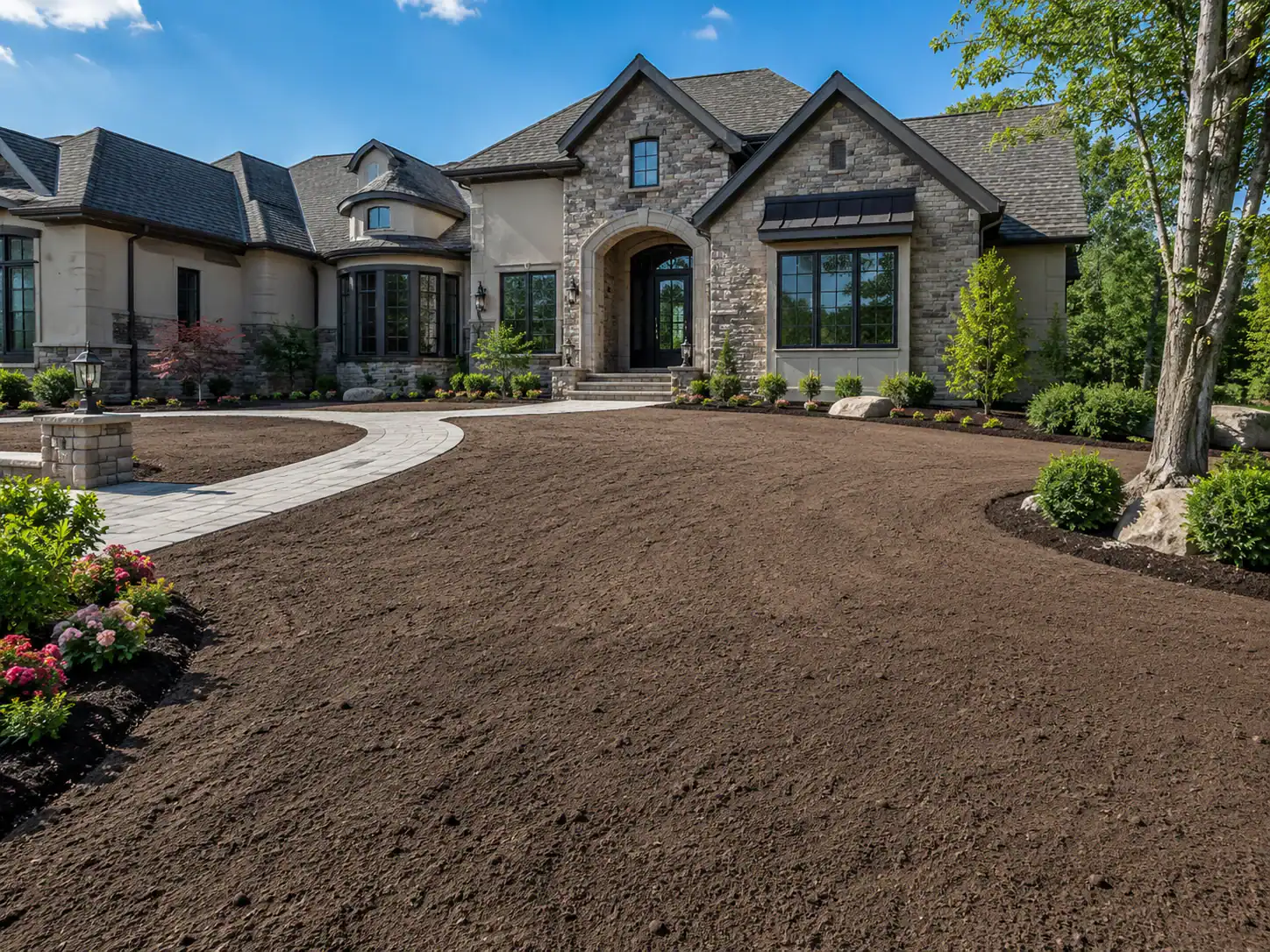
When lawn restoration is done right, the results aren’t subtle. Bare patches fill in. Color returns. The turf gets dense enough that weeds stop finding room to move in. And instead of watching your lawn get worse every season, it starts building on itself thicker root systems, better water retention, less work for you over time.
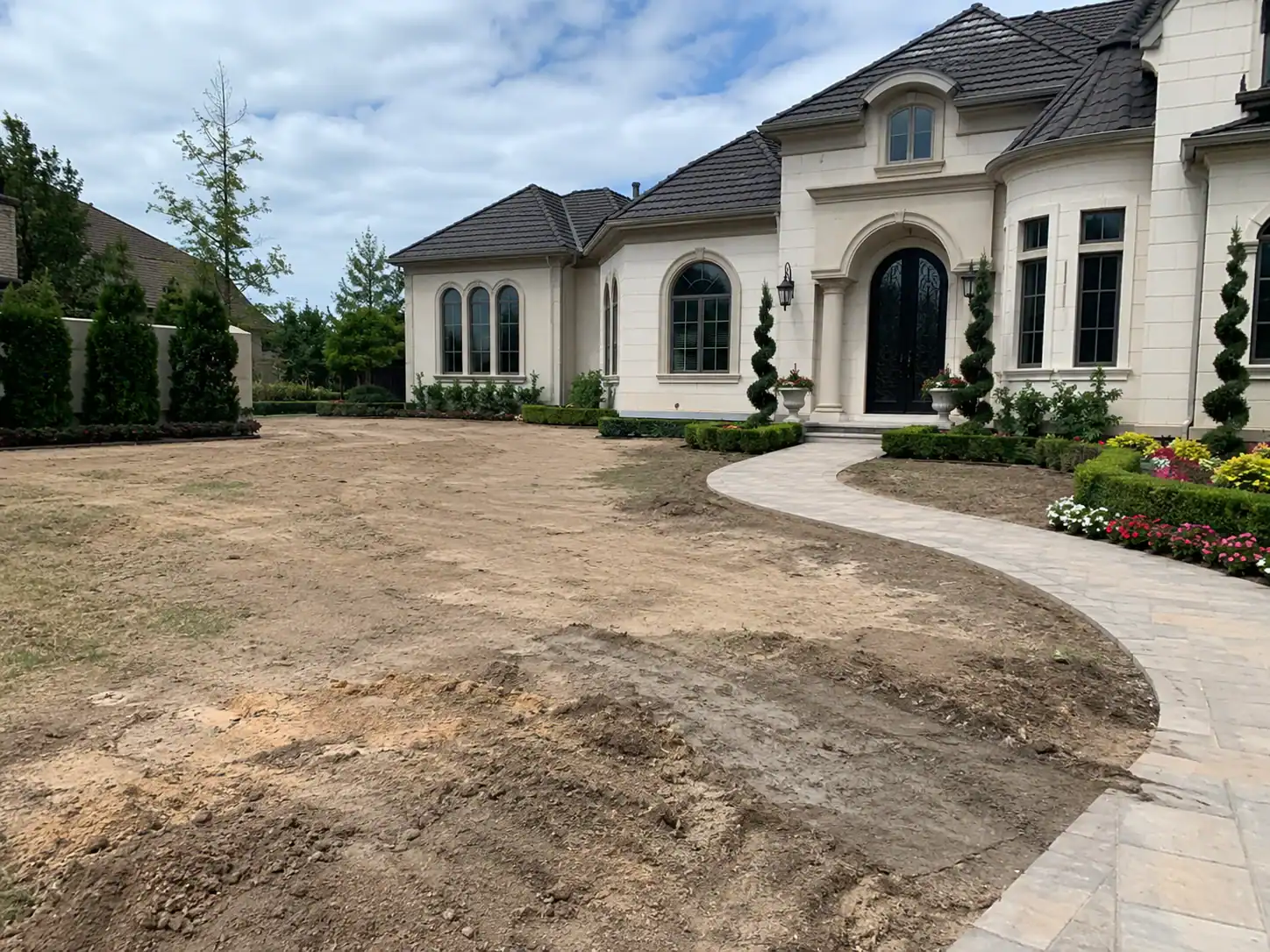
Here in Setauket, that outcome takes a little more than seed and fertilizer. The North Shore’s heavier glacial moraine soils compact harder and drain slower than what you’d find in communities farther south on Long Island. That means bare patches and thinning turf often aren’t just a surface problem they’re a soil problem. Compaction, pH imbalance, and poor organic matter are usually doing the real damage underneath. Restoration that doesn’t address those conditions won’t hold.
The mature tree canopy that makes Setauket’s neighborhoods look the way they do also creates real challenges for turf. Deep shade, root competition, and decades of acidifying leaf litter from established oaks and maples are some of the most common reasons lawns in this area decline. A properly restored lawn accounts for all of that not just what’s visible on the surface.
We’ve been restoring Suffolk County lawns since 1986. That’s not a number we throw around lightly it means we’ve worked through every condition Long Island can produce, including the specific challenges that come with North Shore properties like the ones throughout Setauket, East Setauket, and Old Field.
We’re NYS-licensed, which matters more than most homeowners realize. Commercial pesticide and fertilizer application in New York requires a valid state license. Not every company operating in this area holds one. Ours is on file, and every technician we send to your property is trained and certified accordingly.
What actually separates us isn’t just the years it’s the approach. We don’t show up with a program already decided. We assess your soil, identify what’s actually causing the damage, and build a restoration plan around what your specific lawn needs. That’s how you get results that last past the first growing season.
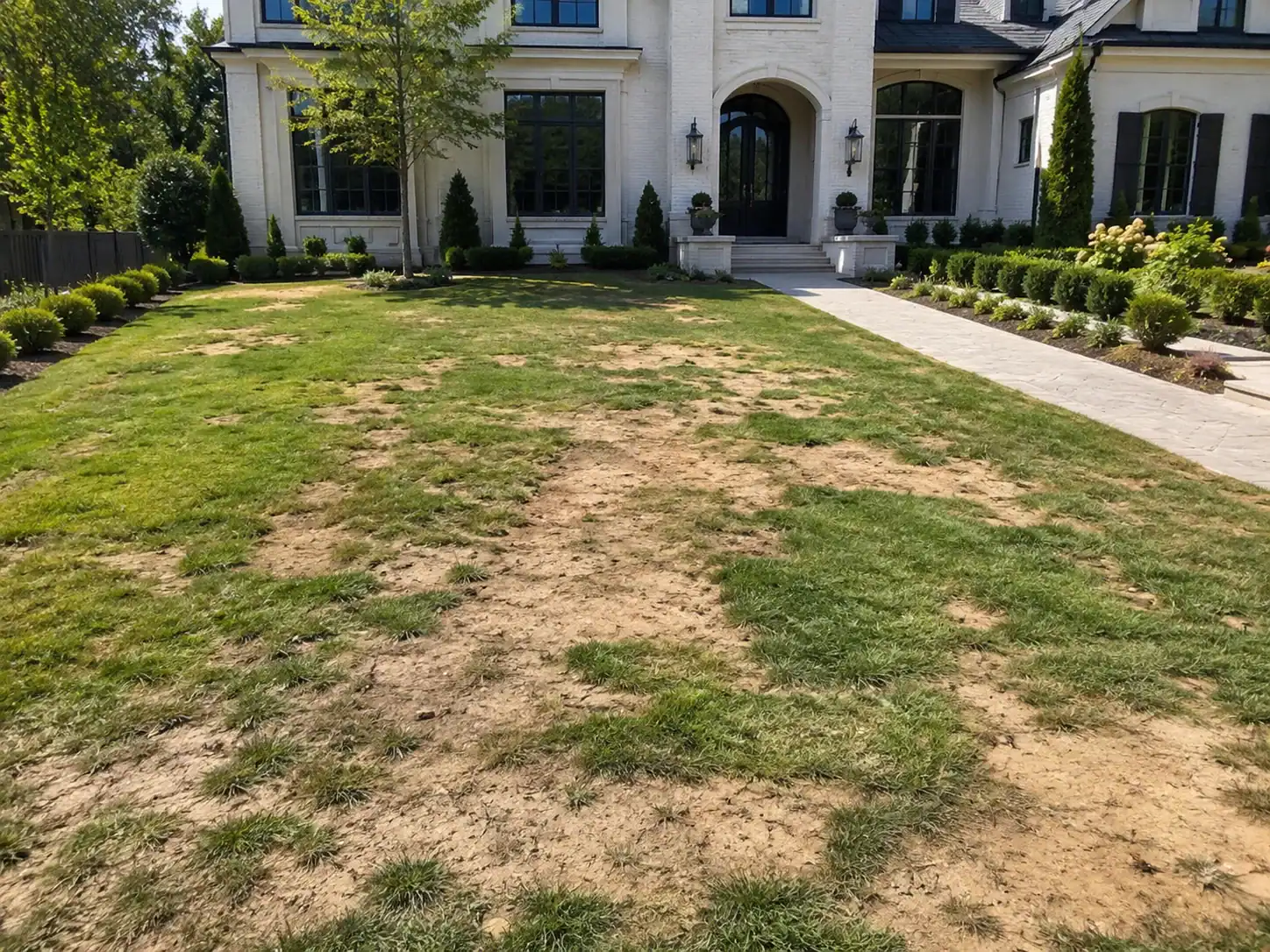
It starts with a full diagnostic assessment. We test your soil pH, evaluate compaction levels, measure thatch buildup, and look at drainage patterns and shade coverage across your property. In Setauket, that last part matters a lot. Properties near the water in Old Field or Poquott can carry elevated soil salinity that standard programs don’t account for. Wooded lots throughout the Three Village area often have pH levels well below the range where grass can actually thrive. We find those issues before we recommend anything.
From there, we build a restoration plan specific to your lawn. That typically involves some combination of core aeration or deep-tine aeration to break up compacted North Shore soil, pH correction through targeted lime application, soil amendment to rebuild organic matter, and slice seeding to get new growth established at the right depth. Slice seeding is important here broadcasting seed over compacted or clay-influenced soil doesn’t work. The seed needs to make contact with the soil to germinate, and our equipment ensures that happens.
Timing is calibrated to Setauket’s actual growing season, not a generic Long Island schedule. North Shore soils warm later in spring than South Shore sandy soils sometimes by a week or two and we account for that. The strongest window for restoration work in this area is late summer through early fall, when soil temperatures support germination and the heat stress on new seedlings drops off. We’ll walk you through what that timeline looks like for your property before anything starts.
Ready to get started?
Lawn restoration and lawn renovation are not the same thing, and the difference matters for your budget and your timeline. Restoration is about bringing your existing lawn back to health correcting the soil conditions, reestablishing turf density, and addressing the underlying causes of decline. Renovation means removing what’s there and starting over. Most Setauket lawns that look beyond saving are actually good candidates for restoration. We’ll tell you honestly which one applies to your property after the diagnostic. If your lawn does need a full rebuild, we offer renovation services as well and we’ll connect you to that process directly.
A restoration program through us typically includes soil testing and pH assessment, core or deep-tine aeration suited to your soil profile, targeted lime and soil amendment application, slice seeding with a seed mix appropriate for your sun exposure and soil type, and a structured follow-up fertilization plan to support the recovery. For properties near Setauket Harbor or Conscience Bay, we also evaluate for salt air impact and adjust the program accordingly.
Setauket’s proximity to protected tidal waterways is something we take seriously on the chemistry side. Our programs are designed to build soil health from the ground up reducing dependence on heavy synthetic nitrogen inputs that can leach into groundwater and surface water. That’s the right approach for the environment here, and it also produces more durable turf over time. A lawn with healthy soil structure doesn’t need to be propped up season after season.
Restoration means working with your existing lawn correcting the soil, reestablishing turf density, and addressing whatever caused the decline in the first place. Renovation means removing the existing lawn and rebuilding it from scratch, either partially or fully. The two are often confused, and some companies will recommend renovation when restoration is actually the right call because renovation costs more.
In Setauket, most lawns that look severely damaged are still good candidates for restoration. Compacted North Shore soils, low pH from years of hardwood leaf litter, and shade-related thinning are all correctable without tearing out the lawn. We assess every property before making a recommendation, and if restoration is viable, that’s what we’ll propose. If the lawn genuinely needs a full rebuild, we’ll be upfront about it and walk you through what renovation involves.
In most cases, yes but it depends on what caused the bare patches in the first place. If the soil underneath is compacted, acidic, or depleted of organic matter, seeding over the surface won’t work regardless of how much seed you put down. The underlying conditions have to be corrected first. That’s true whether you’re dealing with one or two bare spots or a lawn that’s more bare than grass.
Setauket lawns deal with a few specific causes of bare patches that we see consistently. Shade from mature oaks and maples is one of the most common turf thins out over years as the tree canopy fills in, and by the time a homeowner notices, the damage is significant. Root competition from established trees compounds the problem. Deer activity also creates localized damage in this area. All of these are addressable through a properly designed restoration program that includes the right seed mix, soil correction, and realistic expectations about what turf can do in deep shade.
If the restoration work is done in late summer or early fall which is the optimal window for Setauket and the North Shore you can expect to see meaningful germination and coverage within three to four weeks. Full density takes longer. A lawn that’s coming back from significant damage typically looks substantially better by the following spring and reaches its target condition through the second growing season.
The timeline depends on the severity of the damage, how well the soil responds to correction, and how consistently the new turf is watered during the establishment period. We’ll give you a realistic picture of what to expect for your specific property after the diagnostic. What we won’t do is promise a full recovery in 30 days that’s not how soil biology works, and any company telling you otherwise is setting you up for disappointment.
It does, and it’s one of the reasons generic programs from national chains often underperform on North Shore properties. Setauket sits on glacial moraine deposits heavier, more clay-influenced soils than what you’d find on Long Island’s South Shore. These soils compact more readily, drain more slowly after rain, and warm later in spring. A restoration program that doesn’t account for those characteristics is going to produce inconsistent results.
The practical difference shows up in a few areas. Aeration on clay-influenced soil needs to go deeper and may need to be repeated more frequently than on sandy soil. Seed-to-soil contact is harder to achieve, which is why slice seeding outperforms broadcast overseeding on most Setauket properties. And the spring treatment calendar needs to be pushed back slightly relative to what South Shore-focused companies recommend North Shore soils can run one to two weeks behind in terms of warming, which affects when pre-emergent and fertilizer applications are most effective.
Lawn restoration pricing varies based on the size of the lawn, the severity of the damage, and what the diagnostic reveals about your soil. A straightforward restoration on a mid-size Setauket property aeration, soil amendment, slice seeding, and a follow-up fertilization plan typically runs in the range of a few hundred to over a thousand dollars depending on square footage and what’s needed. Properties with significant pH correction requirements, salt damage near the waterfront, or extensive bare patch coverage will generally fall toward the higher end.
The most important thing to understand about cost is that a restoration program that actually works is less expensive over time than one that doesn’t. Applying seed and fertilizer to soil that hasn’t been corrected means doing it again next year. Getting the soil right the first time pH, compaction, organic matter means the lawn builds on itself instead of requiring constant intervention. We’ll give you a clear estimate after the diagnostic, and we’ll explain exactly what’s included and why.
For most restoration work slice seeding, aeration, soil amendment late summer through early fall is the strongest window in Setauket and throughout the North Shore. Soil temperatures are still warm enough to support germination, air temperatures are dropping, and new seedlings aren’t fighting summer heat stress during the critical establishment period. Cool-season grasses, which are what most Suffolk County lawns are made up of, actively want to grow in this window.
Spring is possible for some restoration work, but the North Shore’s heavier soils warm later than the South Shore sometimes by a week or two which compresses the viable treatment window before summer heat arrives. If you’re looking at your lawn right now and it’s in rough shape, the best move is to get a diagnostic done soon so a restoration plan can be in place and ready to execute at the right time. Waiting until the lawn looks worse in spring usually means losing another full growing season.
Useful Links
Other Services we provide in Setauket