
Hear from Our Customers
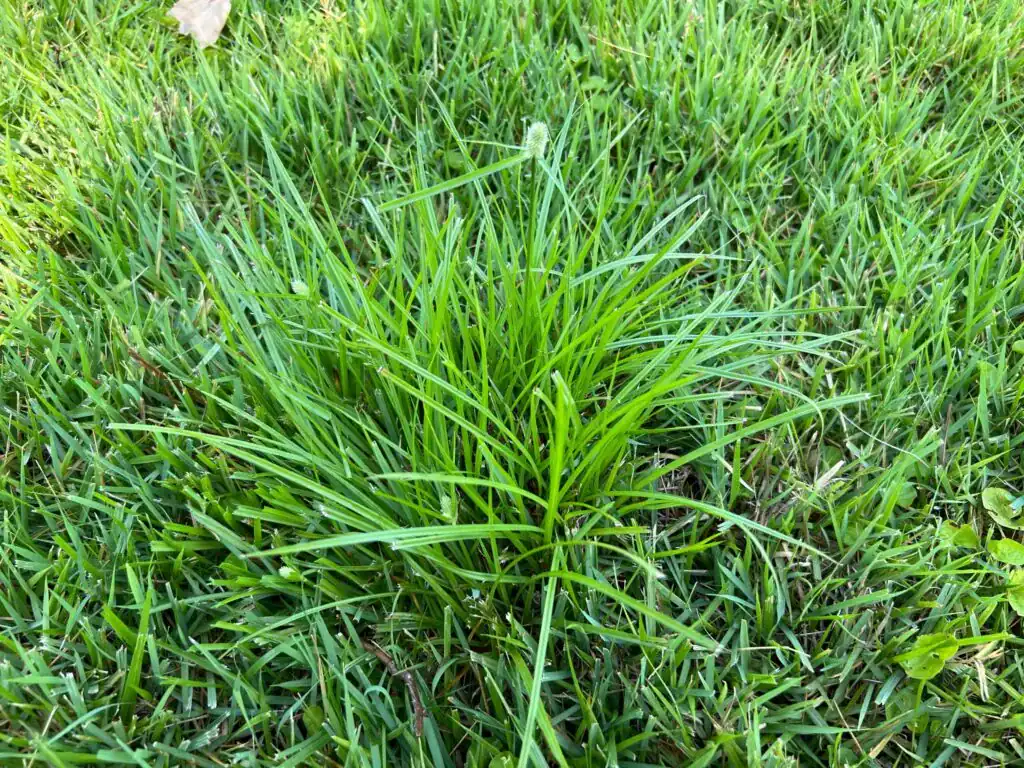
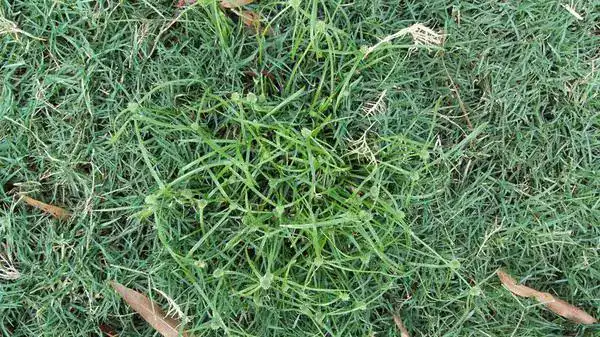
Kyllinga doesn’t just look bad it spreads fast. That dark green, low-growing patch you noticed in June can double in size by August, especially in Bayport where the growing season runs slightly longer thanks to the Great South Bay’s moderating effect on the local climate. By the time most homeowners realize what they’re dealing with, the weed has already pushed deep into the surrounding turf.
When kyllinga is treated correctly with the right herbicide chemistry, timed to the weed’s active growth window the results are visible and lasting. The patches stop spreading. The desirable grass fills back in. And you’re not starting over next summer with the same problem.
What makes Bayport lawns specifically vulnerable is the combination of coastal soil moisture and irrigation. Many homes in the southern parts of Bayport sit on lots where the water table is close to the surface, and kyllinga thrives in exactly those conditions. A treatment program that doesn’t account for that isn’t going to hold. One that does gives your lawn a real shot at staying clean through the season and beyond.
We’re a locally owned, Suffolk County lawn care specialist not a franchise running a national template in your yard. Every property we treat is in this county, which means we understand the soil profiles, the drainage patterns, and the specific weed pressure that South Shore communities like Bayport deal with season after season. We’ve worked on properties throughout Bayport, from the neighborhoods near the Great South Bay to the areas along Browns River, and we know how the local conditions drive kyllinga infestations.
We hold a NYSDEC Commercial Pesticide Applicator License, Category 3a, which is what’s required to purchase and apply the professional-grade herbicides that actually work on kyllinga. The retail products available to homeowners aren’t the same chemistry. That licensing gap is often the difference between a treatment that works and one that doesn’t.
Bayport sits within the Town of Islip and borders the Great South Bay a community with real environmental awareness and legitimate concerns about what gets applied near Browns River and the waterfront. We take Suffolk County’s pesticide buffer zone regulations seriously, and every application we make is documented and compliant. That’s not a selling point it’s just how licensed work is supposed to be done.
It starts with identification. Kyllinga and nutsedge are both sedges, and they’re frequently confused even by lawn care providers. Before any product touches your lawn, we confirm what you’re actually dealing with. Kyllinga brevifolia and false green kyllinga have different growth habits and may call for slightly different application strategies. Getting this wrong from the start is how treatments fail.
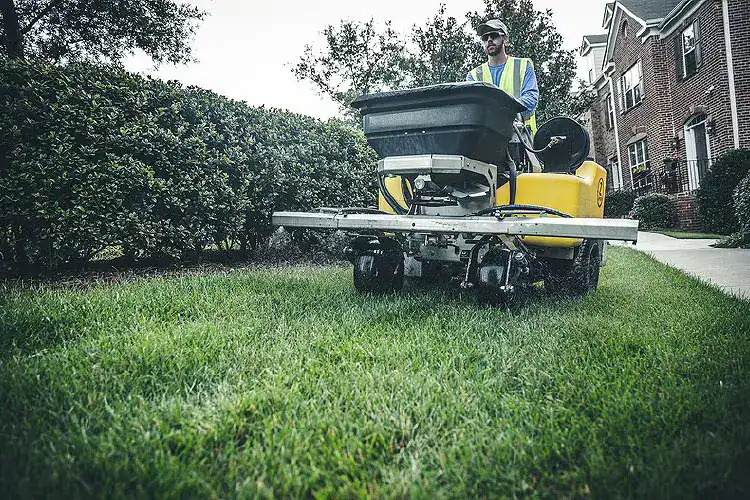
Once we’ve identified the species and assessed the extent of the infestation, we select the appropriate professional-grade herbicide typically halosulfuron or sulfentrazone and apply it during kyllinga’s active growth window. In Bayport’s coastal climate, that window runs from late May through late August. Timing matters here. Applying too early or too late in the season reduces efficacy significantly.
Because kyllinga spreads through underground rhizomes, one application isn’t enough. A properly structured program requires two to three targeted treatments spaced four to six weeks apart. After the kyllinga is eliminated, the bare or thinned areas it leaves behind need attention too overseeding and soil restoration are part of what we recommend to close the door on reinfestation. In a community where lots near the bay stay moist and bare soil doesn’t stay bare for long, skipping that step is how the problem comes back.
Ready to get started?
What you get with a kyllinga control program from us isn’t a single visit and a handshake. It’s a structured, multi-application approach that follows how this weed actually behaves. Kyllinga is a perennial sedge it comes back from the root system if the treatment doesn’t address the full plant. That’s why the program is built around two to three applications timed to the active growing season, with follow-up assessments between visits to track how the lawn is responding.
Every application is made by a licensed applicator using professional-grade chemistry that isn’t available over the counter. For Bayport properties particularly those in the southern portions of the hamlet near the Great South Bay or along the Browns River corridor we consult the Suffolk County Department of Health Services pesticide buffer zone map before any application. This is a legal requirement under Suffolk County Local Law 41-2007, and it’s one that not every provider operating in this area takes seriously.
Beyond the herbicide work, we look at the conditions driving the infestation. Overwatered lawns, irrigation systems running too frequently, and low-lying lots with poor drainage all contribute to kyllinga pressure. If those conditions aren’t addressed alongside the treatment, the weed will find its way back. We flag those issues as part of the process so you’re not just treating the symptom you’re actually solving the problem.
This is the most common frustration homeowners bring to us, and the answer almost always comes down to one of two things: wrong chemistry or a single application. Kyllinga is a perennial sedge that spreads through underground rhizomes root stems that survive even when the visible plant tissue is damaged or killed. If the herbicide used doesn’t penetrate to the root system, or if only one application is made, the rhizomes regenerate and the weed returns the following season.
The other common cause is misidentification. Kyllinga is frequently mistaken for nutsedge or even crabgrass, and the herbicide programs designed for those weeds don’t reliably control kyllinga. If a previous provider treated your lawn with a standard broadleaf or grassy weed product and the problem persisted, that’s likely why. Getting the identification right before selecting a treatment is the step that separates a program that works from one that gives you temporary results and sends you searching again next summer.
For most lawns in Bayport, a properly structured kyllinga control program requires two to three targeted applications spaced four to six weeks apart during the active growing season. That window runs from late May through late August and because the South Shore’s coastal microclimate keeps temperatures slightly warmer than inland Suffolk County, kyllinga can remain actively growing here a bit later into the season than it would in towns further north or inland.
The number of applications also depends on the severity of the infestation and how long it’s been established. A patch that’s been spreading for two or three seasons will have a more developed rhizome network than one caught early, and it may require the full three-application approach to achieve clean results. We assess the lawn at each visit and adjust based on what we’re seeing the goal is effective control, not a fixed number of visits.
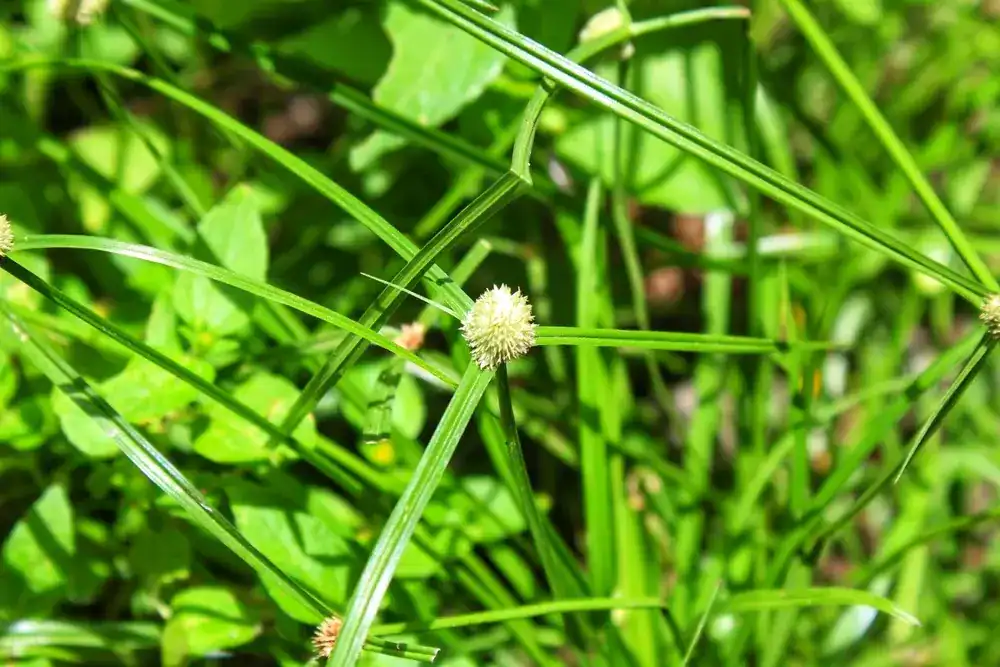
It does matter, and it’s worth understanding the difference. Both kyllinga and nutsedge are sedges not grasses which is why standard lawn herbicides don’t work on them. But they’re distinct plants with different growth habits. Kyllinga tends to grow lower and denser than nutsedge, forming a tight mat-like patch that can look almost like a different variety of grass from a distance. Nutsedge grows taller and more upright, often with a visible triangular stem. Kyllinga’s seed head is a small, rounded cluster; nutsedge produces a more branched, multi-pronged seed head.
From a treatment standpoint, both respond to halosulfuron and sulfentrazone, but the timing and program structure may differ slightly depending on species. More importantly, correctly identifying what’s in your lawn tells us how aggressively it’s likely to spread and what kind of follow-up the program needs. Misidentifying kyllinga as nutsedge or vice versa doesn’t always lead to treatment failure, but it can lead to a program that’s under-structured for the actual problem. We identify before we treat, every time.
This is a fair question and one we take seriously in Bayport specifically. The professional-grade herbicides used for kyllinga control primarily halosulfuron and sulfentrazone are EPA-registered and approved for use on residential turf when applied correctly by a licensed applicator. That licensing requirement exists for a reason: proper application rates, appropriate buffer distances, and documented compliance with local regulations are what keep these products safe in sensitive environments.
In Suffolk County, Local Law 41-2007 establishes pesticide-free buffer zones around public drinking water supply wells, and the Suffolk County Department of Health Services maintains a map that licensed commercial applicators are required to consult before any application. For properties near the bay or along the Browns River corridor, we review that map before every job. We also factor in wind conditions, application timing, and proximity to waterways as part of our standard process. If a property has conditions that require us to adjust our approach, we do and we communicate that clearly before the work begins.
You can try, but the honest answer is that the products available to homeowners aren’t the same chemistry as what licensed applicators use. Professional-grade halosulfuron and sulfentrazone formulations require a NYSDEC Commercial Pesticide Applicator License to purchase the consumer versions sold at hardware stores are lower-concentration formulations that don’t deliver the same level of control, particularly against an established perennial infestation with a developed rhizome network.
Beyond the product gap, there’s the identification and timing issue. If you’re not certain you’re dealing with kyllinga specifically and not nutsedge or another sedge species you may be applying the wrong product entirely. And even the right product applied at the wrong time in the growing season will underperform. Kyllinga is most responsive to treatment during its active growth window, which in Bayport runs roughly late May through late August. Applications made outside that window, or as a single one-time treatment, rarely produce lasting results. That’s the cycle most homeowners are stuck in when they reach out to us.
A few things are driving this. Kyllinga has been documented expanding its range northward into the Northeast over the past decade, and Long Island’s South Shore communities with their warmer coastal microclimates and bay-influenced growing seasons are among the more susceptible areas in the region. Bayport’s position directly on the Great South Bay means the hamlet sees slightly longer warm seasons than inland towns, which gives kyllinga a longer window to establish and spread each year.
Irrigation is also a significant factor. Many Bayport homes in the mid-to-upper price range have in-ground irrigation systems, and overwatering is one of the most consistent contributors to kyllinga pressure. The weed thrives in moist, surface-level soil conditions exactly what an irrigation system running on an aggressive schedule creates, especially in low-lying lots near the bay where the water table is already close to the surface. Combine that with the warm, humid summers that characterize the South Shore, and you have conditions that strongly favor kyllinga over the cool-season turf grasses most Bayport homeowners are trying to maintain. Addressing the irrigation habits alongside the herbicide program is part of how you keep the problem from returning.
Useful Links
Other Services we provide in Bayport