
Hear from Our Customers
Most Bayport lawns aren’t struggling because of bad seed or weak fertilizer. They’re struggling because the soil has closed off. Sandy coastal soil compacts at the surface over time, forming a layer that blocks water, air, and nutrients before they ever reach the root zone. You can keep feeding a lawn that can’t absorb anything, or you can open the soil up and let everything you’ve already been investing actually work.
After proper core aeration, water stops pooling and starts penetrating. Fertilizer moves where it’s supposed to. Roots push deeper. The difference shows up within weeks more color, better density, fewer bare patches that never seem to fill in no matter what you try.
For homes south of Middle Road in Bayport many of them close to a century old this is especially true. Decades of mowing, foot traffic, and seasonal use without systematic aeration means the compaction isn’t just at the surface. It’s layered. One solid aeration on a property like that can produce results that years of fertilization alone never delivered. And for waterfront properties along the Great South Bay, where salt air stress already puts turf under pressure, relieving that compaction gives your lawn a real fighting chance to recover and hold through the season.
We’re a Suffolk County lawn care company not a national brand with a local phone number. Our team knows the difference between the sandy coastal soils along Montauk Highway in Bayport and the heavier glacial soils you find further north in Smithtown or Stony Brook. That’s not a small thing when the entire service depends on understanding what’s actually happening under your lawn.
Every applicator on our team holds a New York State DEC pesticide applicator license. That’s a legal requirement in New York, and it matters more in Bayport than most places your lawn sits near the Great South Bay, and what goes on it has a direct path to that water. Licensed applicators understand New York’s phosphorus restrictions and apply accordingly. A lot of smaller operators in this area can’t say the same.
We serve homeowners across Suffolk County, including Bayport, Blue Point, Sayville, Port Jefferson, Smithtown, and Stony Brook. The goal is straightforward: give your lawn what it actually needs, explain why, and let the results speak.
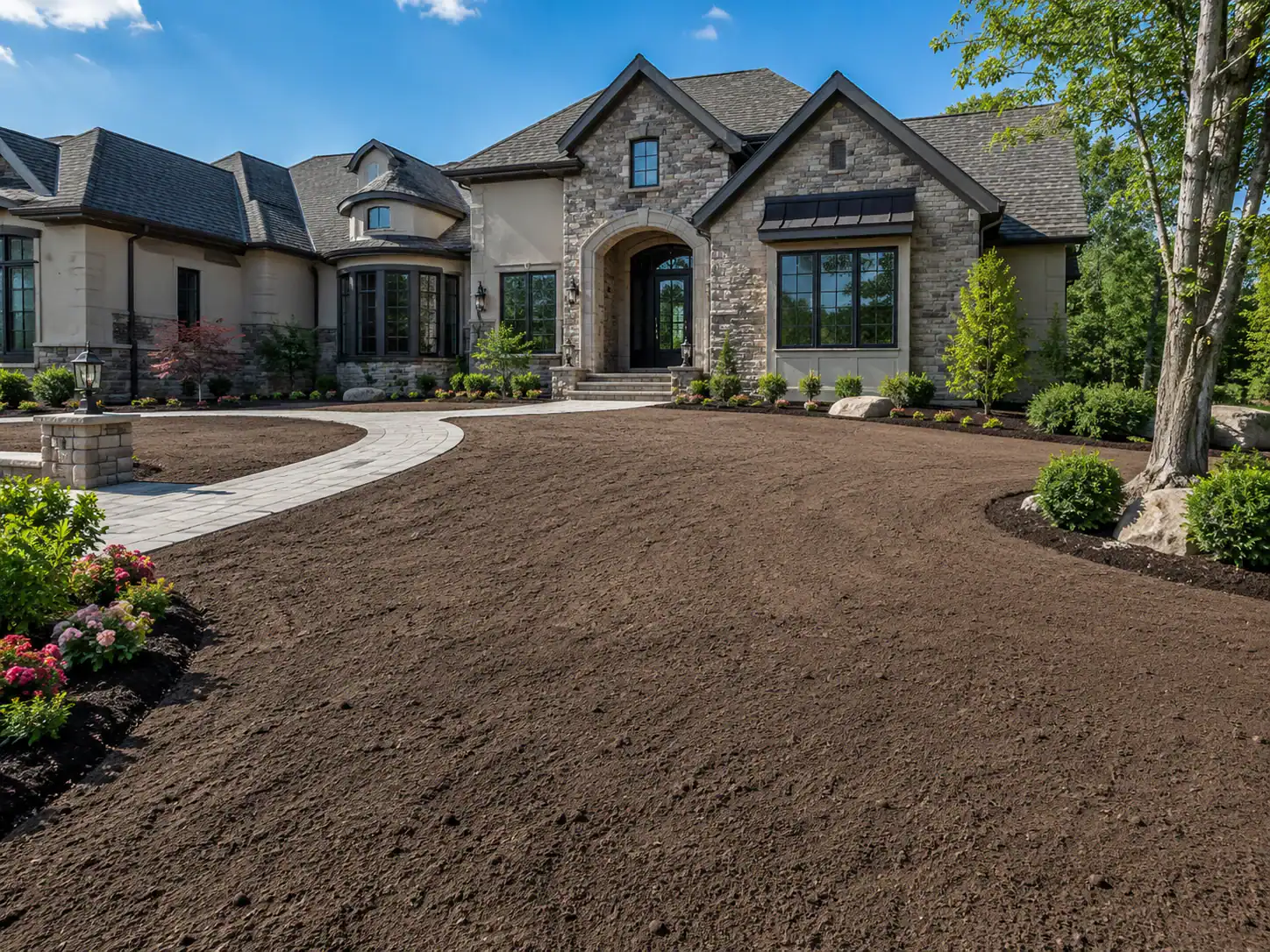
It starts with a free estimate. Before anything is scheduled, we look at your property the soil type, the thatch layer, the traffic patterns, the condition of the turf and give you an honest read on what aeration will do for your specific lawn. For Bayport properties, that assessment includes how the coastal conditions and soil profile factor into timing and depth.
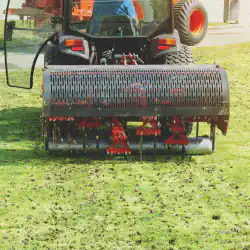
When our crew arrives, we’re using a commercial hydraulic aerator not the drum-style machine you’d rent from a hardware store on Sunrise Highway. The hydraulic system adjusts tine pressure dynamically and drives cores 3 to 4 inches into the soil. Standard rental equipment typically reaches 1.5 to 2 inches on a good day, and less on compacted sandy surface soil. On a Bayport lawn where the compaction layer sits just below the thatch, that depth gap is the difference between real relief and a surface-level pass that changes nothing.
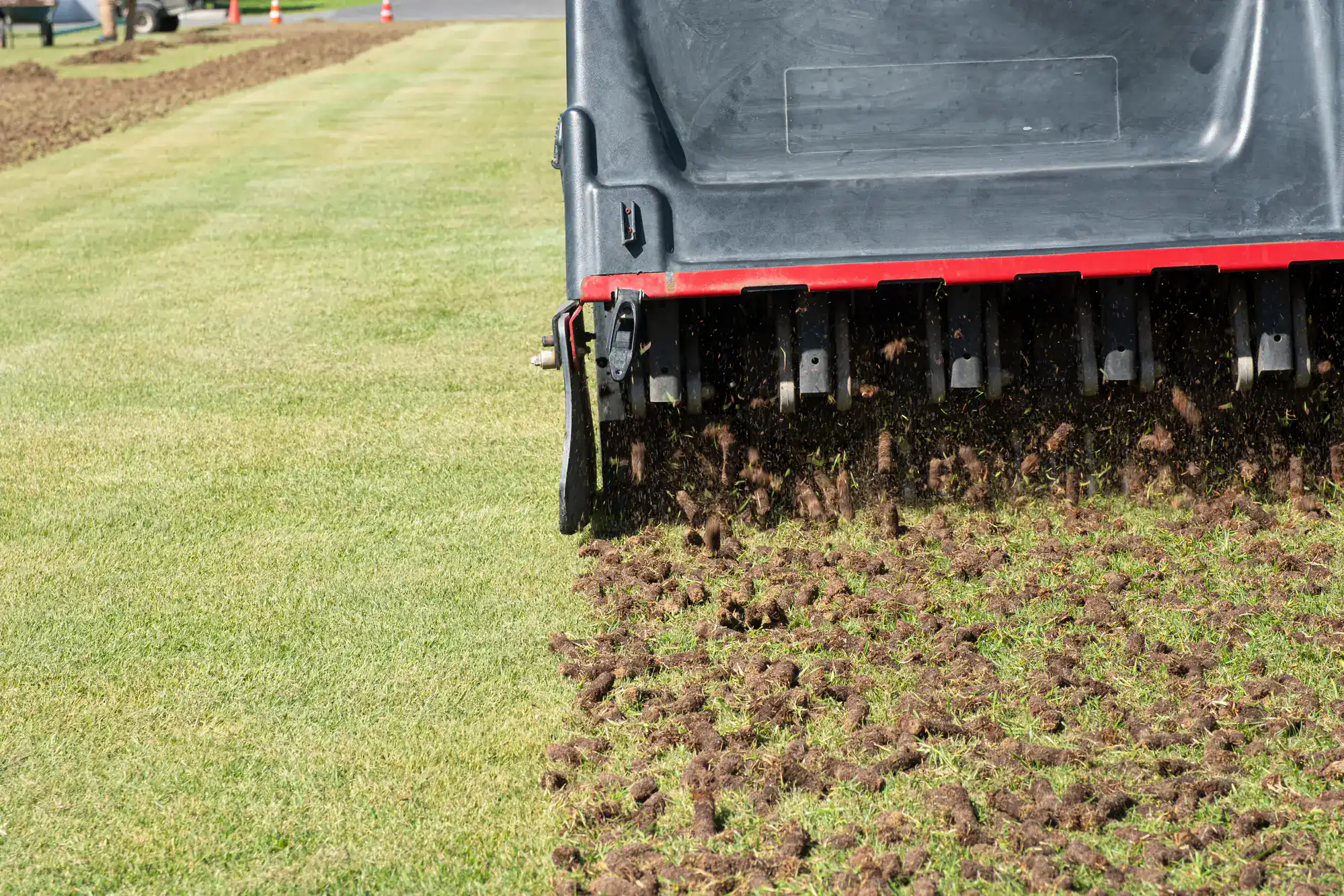
After the cores are pulled, you’ll see soil plugs scattered across the lawn. Leave them. They break down within 2 to 4 weeks and return organic matter and soil microbes directly back into the turf. Removing them which some operators do eliminates one of the key benefits of the service. If you’re pairing aeration with overseeding, which most Bayport lawns benefit from, seeding happens immediately after. The open channels give seed direct contact with mineral soil, and germination rates improve significantly compared to seeding on un-aerated ground. Fall late August through October is the optimal window for cool-season grasses on Long Island, and slots book up fast. Scheduling early is worth it.
Ready to get started?
Core aeration with us isn’t a standalone punch on a checklist. It’s the foundation that makes the rest of your lawn care program function. If you’ve been running a fertilization program whether through us or anyone else and the results have been underwhelming, compaction is the most likely culprit. Aeration is what unlocks the investment you’ve already made.
The service includes a full pass with the hydraulic aerator, pulling cores across the entire lawn at the spacing and depth your soil condition requires. For Bayport’s sandy coastal profile, that means targeting the surface compaction zone that develops from foot traffic, mowing equipment, and the repeated wet-dry cycles common near the Bay. Our licensed applicators assess thatch depth and soil response on-site and adjust accordingly this isn’t a one-size-fits-all pass.
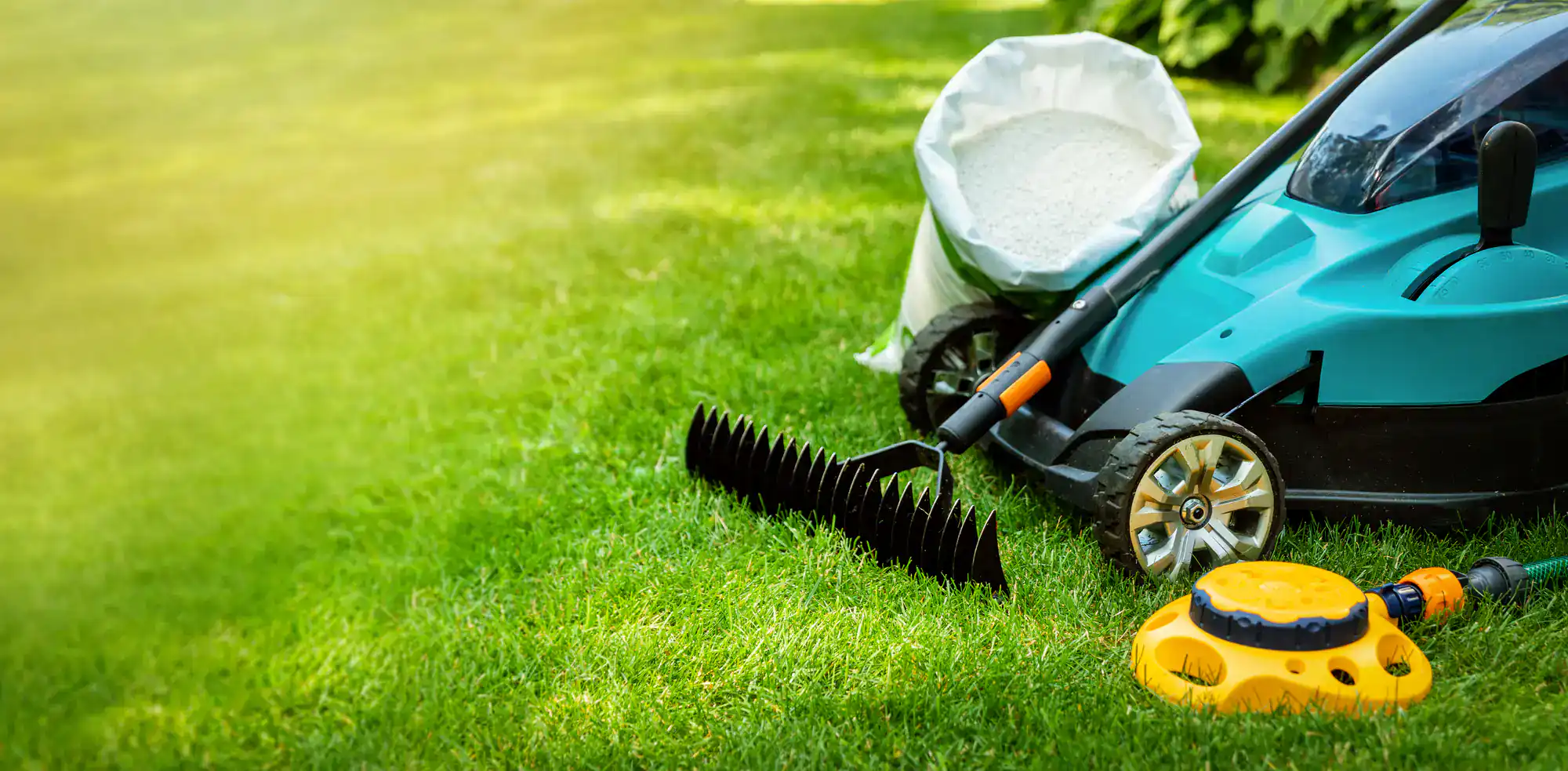
Aeration pairs directly with overseeding and fertilization for homeowners who want to take the full step. Overseeding after aeration gives seed the soil contact it needs to germinate something Bayport’s thatch-prone sandy soil makes nearly impossible without it. Fertilization applied post-aeration reaches the root zone instead of sitting on a compacted surface. Together, the three services form a system that works. We serve Bayport, Blue Point, Sayville, Port Jefferson, Smithtown, Stony Brook, and surrounding communities throughout Suffolk County. If your lawn is in the 11705 ZIP code or anywhere along the South Shore, the fall window is the time to act and the estimate is free.
This is one of the most common frustrations among South Shore homeowners, and the answer is almost always the same: the soil is compacted. Bayport’s sandy coastal soil compacts at the surface over time, forming a dense layer just below the thatch that blocks water, air, and nutrients from reaching the root zone. Fertilizer sits on top of that barrier or runs off it never gets to where the grass actually needs it.
Core aeration solves this mechanically. By pulling plugs 3 to 4 inches into the soil, it breaks through the compaction layer and creates direct channels for water and nutrients to move down to the roots. Once that barrier is gone, the fertilizer you’ve been applying starts doing what it was always supposed to do. Most Bayport homeowners see a noticeable difference within a single season after their first proper aeration more color, better density, and fewer bare patches.
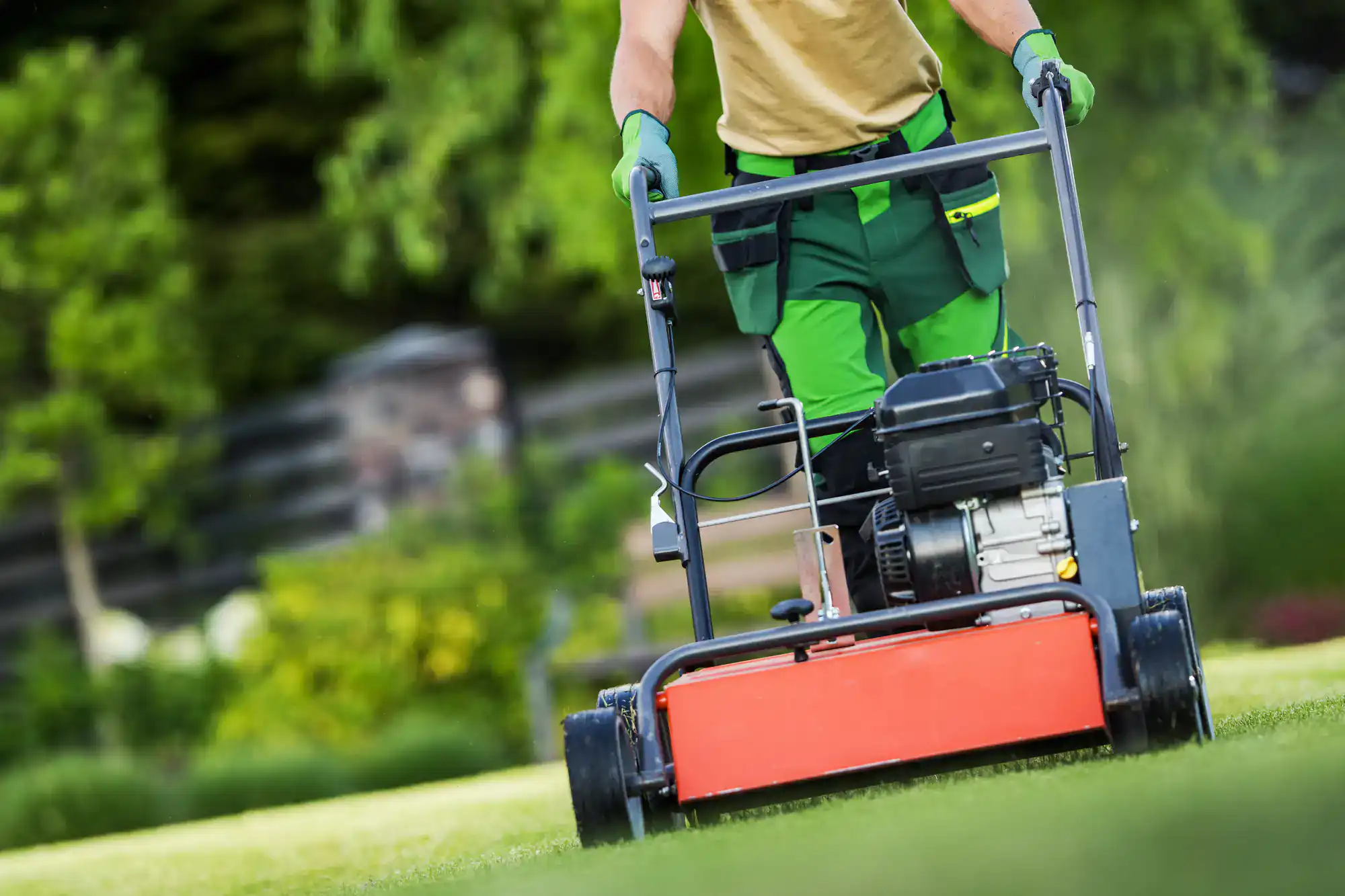
A drum aerator uses a heavy roller with fixed tines. It penetrates based on the weight of the drum typically 1.5 to 2 inches under ideal conditions, and less on compacted or sandy surface soil. It’s the type of machine available at equipment rental centers and used by many local lawn care operators in the Bayport area. It works on relatively loose, cooperative soil. On Bayport’s compacted coastal substrate, it often just scratches the surface.
A hydraulic aerator uses pressurized tines that drive into the soil with adjustable, controlled force reaching 3 to 4 inches regardless of surface resistance. That depth is what actually reaches the compaction layer on South Shore sandy soils. The difference isn’t subtle. A shallow pass leaves the root zone untouched. A deep pass opens it up. If you’ve had aeration done before and didn’t see meaningful results, the equipment is likely why.
For the cool-season grasses that make up most Bayport lawns tall fescue, Kentucky bluegrass, and perennial ryegrass the fall window is the right time. Late August through October gives you warm soil temperatures for germination, cooler air temperatures that reduce stress on new growth, and a full growing season ahead before summer heat returns. Bayport’s position along the Great South Bay moderates fall temperatures slightly compared to inland Suffolk County, which can extend the effective window a bit into October, but the core timing is the same across Long Island.
Spring is a secondary option, but it comes with a tradeoff. Aerating in spring means working around pre-emergent herbicide timing you generally don’t want to aerate right after a pre-emergent application, since it disrupts the barrier that prevents weed germination. Fall avoids that conflict entirely and gives overseeded grass the best possible start. If you’re planning to aerate and overseed in the same visit, fall is the clear choice for Bayport lawns.
Yes and for Bayport homeowners, this is one of the most immediate and visible benefits. When sandy soil compacts at the surface, it loses permeability. Water can’t move through the compressed layer, so it either pools in low spots or runs off toward the street before it ever reaches the root zone. This is a common pattern in Bayport yards, especially in areas that see regular foot traffic near driveways, backyard access points, or waterfront property edges along the Bay.
Core aeration restores that permeability by physically opening the soil. After a proper aeration, water moves down through the profile the way it’s supposed to reaching the roots instead of evaporating at the surface. This matters especially during Bayport’s summer months, when sandy soil drains fast and drought stress is real. Homeowners who irrigate regularly but still see dry, thin turf are often dealing with exactly this dynamic. Aeration is the fix, not more water.
Do them together. Aeration and overseeding are most effective when they’re paired in the same visit, and the reason is straightforward: the open cores created by aeration give seed direct contact with mineral soil. On a Bayport lawn with any thatch buildup which is common on sandy South Shore soil seed dropped on an un-aerated surface has almost nowhere to anchor. It sits on top of the thatch, dries out, and never germinates. That’s why overseeding alone often produces disappointing results.
When you overseed immediately after aeration, seed falls into the core holes and contacts real soil. Germination rates improve significantly often 30 to 50 percent higher than seeding on un-aerated ground. Fertilizing at the same time compounds the benefit: nutrients move directly into the root zone through the same channels. The three services together aerate, overseed, fertilize form a system that produces results a single service rarely matches on its own. For Bayport lawns heading into fall, this combination is the most effective single investment you can make in your turf.
Core aeration itself the mechanical process of pulling soil plugs has no environmental impact on the Bay or surrounding waterways. It’s a physical service, no chemicals involved. What matters from a regulatory standpoint is what gets applied to the lawn afterward, and that’s where licensing becomes important for Bayport homeowners specifically.
New York State requires commercial lawn care applicators to hold a valid DEC pesticide applicator license, and New York’s fertilizer laws restrict the use of phosphorus-containing products near waterways like the Great South Bay and Brown’s River. Our applicators are fully licensed and compliant with those restrictions. For a waterfront community where runoff has a direct path to the Bay, that’s not a minor detail it’s the difference between a contractor who understands the environmental context of your property and one who doesn’t. Every fertilization recommendation we make for Bayport properties accounts for proximity to the Bay and follows state guidelines accordingly.
Useful Links
Other Services we provide in Bayport