
Hear from Our Customers
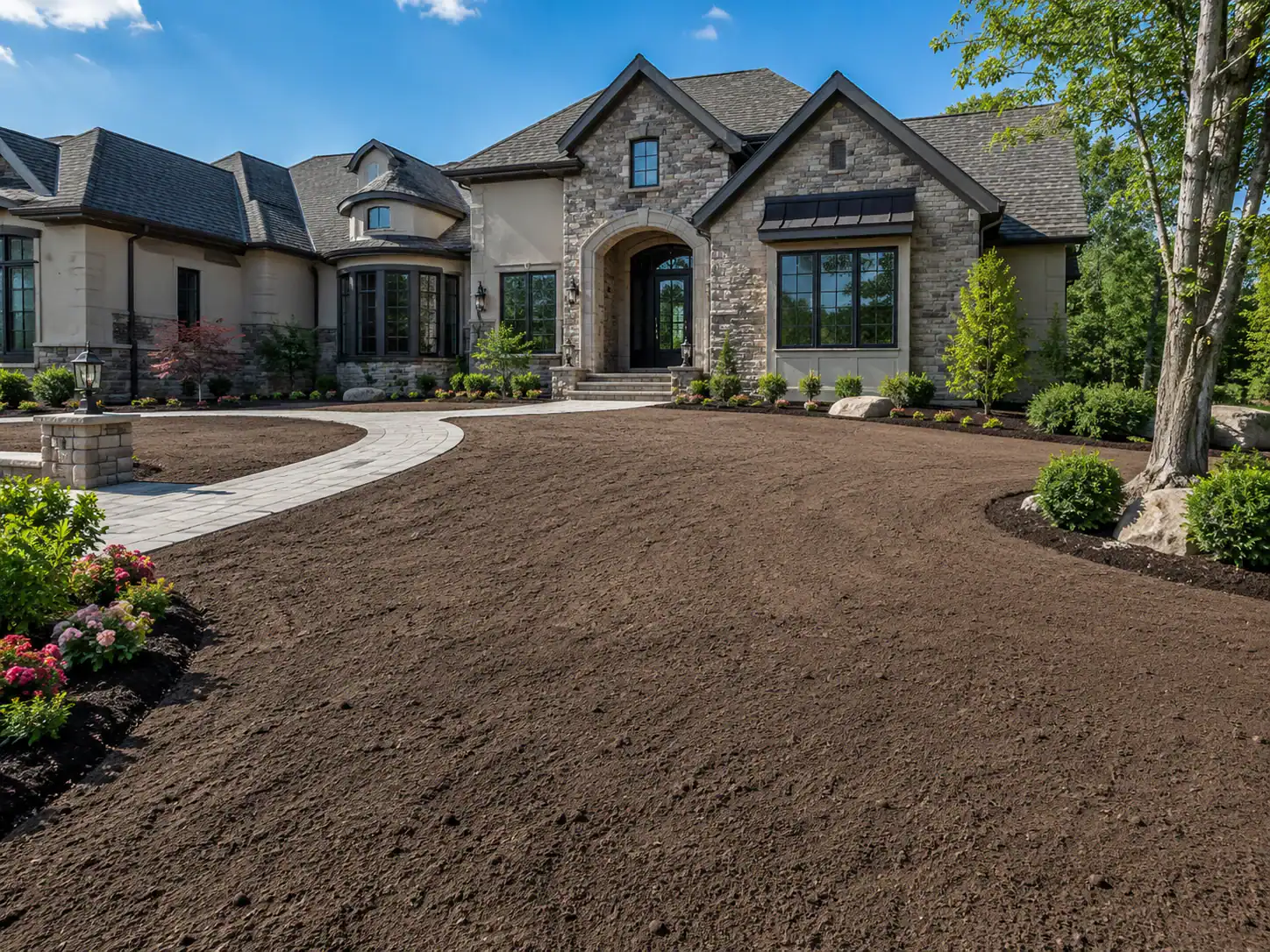
You stop dreading the front yard. The bare patches are gone, the color is back, and the turf is thick enough to actually hold up through summer. That’s what happens when the underlying problem gets fixed instead of covered up.
For Bayport homeowners, that underlying problem is usually the soil. The south shore’s sandy glacial outwash doesn’t hold nutrients or moisture the way inland soils do. Grass thins out, browns faster in July, and never quite recovers on its own not because you’re doing anything wrong, but because the foundation needs work first. Once the soil is corrected and the right seed is established, the lawn responds.
If your Bayport home sits south of Middle Road or anywhere near the Blue Point Association waterfront, salt stress is likely compounding the problem. Wind-driven salt off the Great South Bay pulls moisture out of grass blades and disrupts nutrient uptake at the root level. It looks like drought damage, but watering more won’t fix it. Proper restoration soil flushing, pH correction, and salt-tolerant variety selection will. That’s the kind of work that actually holds.
We’ve been working Bayport and Suffolk County lawns since 1987. That’s not a marketing number it means our technicians have read the soil on hundreds of south shore properties, from Bayport to Blue Point to Sayville, and we know exactly what’s happening beneath the surface before we recommend a single treatment.
We hold full NYS Department of Environmental Conservation licensing, and we operate in complete compliance with Suffolk County’s commercial lawn application requirements including the fertilizer and phosphorus restrictions that matter most for Bayport properties near the Great South Bay. That compliance isn’t just a legal requirement. For you as a Bayport homeowner, it’s protection for the bay and for your property.
When you request an estimate, you get a real assessment from someone who knows this area not a franchise rep reading from a program menu. We diagnose first, then we build a plan that actually fits your lawn.
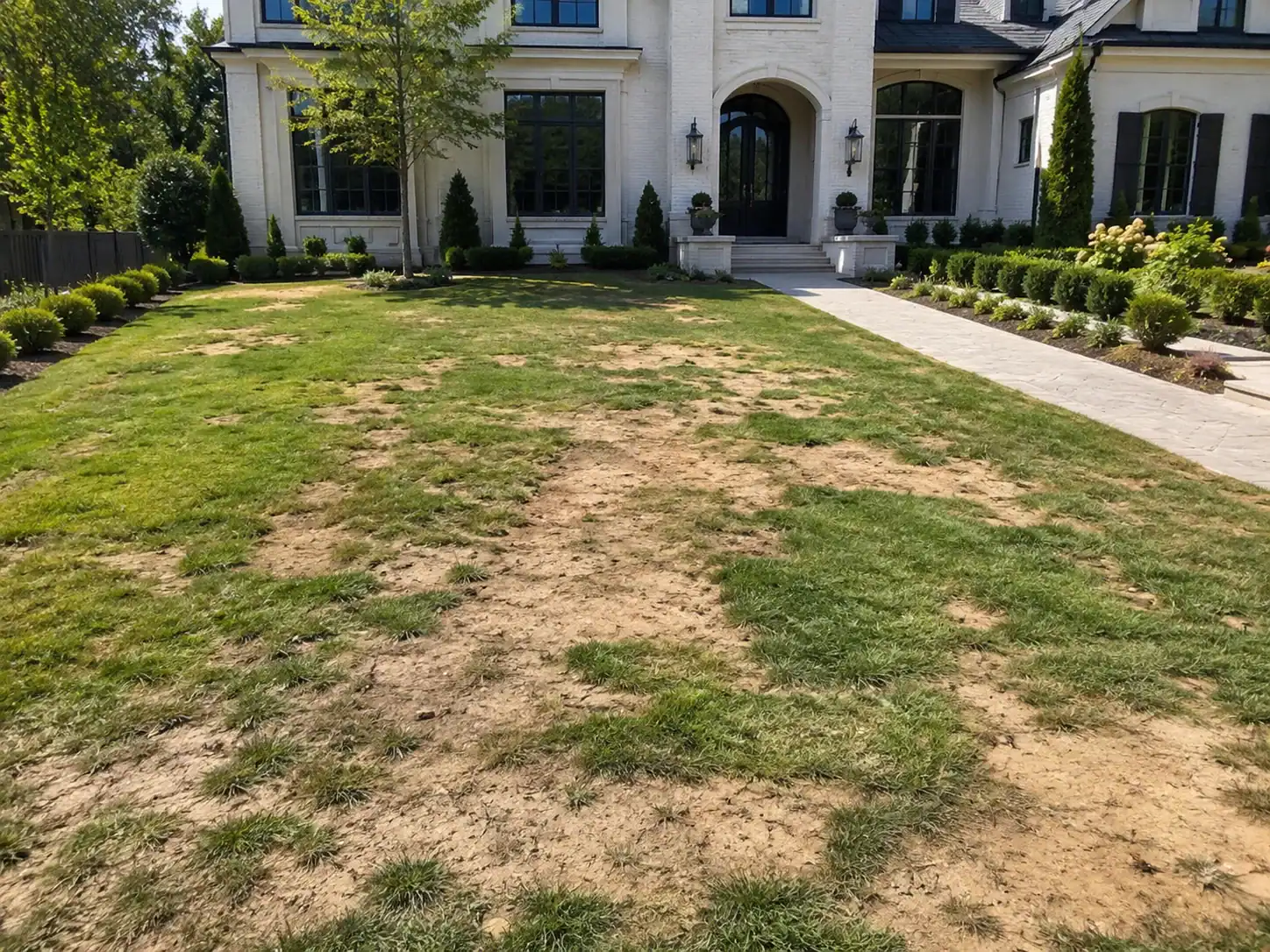
It starts with an honest look at what’s actually going on. When we assess a Bayport lawn, we’re checking soil compaction, thatch depth, pH levels, drainage patterns, and signs of salt damage or fungal activity because any one of those can be the reason your lawn isn’t recovering. We don’t guess. We test, look, and diagnose before anything gets applied.
From there, the restoration plan gets built around what your lawn specifically needs. That usually involves core aeration to break up compacted sandy soil, lime or organic matter applications to correct pH drift, and slice seeding which cuts directly into the soil surface and places seed at the right depth for germination. Broadcast seeding on Bayport’s fast-draining soil doesn’t establish well. Slice seeding does. The timing matters too: the optimal window for seeding on Long Island’s south shore is late August through October, when soil temperatures support germination but summer heat stress has passed.
After the initial work, we follow up with a structured program to support establishment through the first growing season. Restoration isn’t a one-visit fix it’s a process. But by the time the following spring arrives, the difference is visible. Most lawns in this condition reach full recovery within one to two growing seasons.
Ready to get started?
Lawn restoration in Bayport isn’t the same as lawn restoration inland. The soil profile here sandy, low in organic matter, quick-draining requires a different approach than what works in Commack or Hauppauge. Every restoration plan we build for a Bayport property starts with that reality, not a standard package.
What that looks like in practice: professional soil assessment and pH testing, targeted lime or organic matter correction, core aeration to relieve compaction in sandy coastal soils, and slice seeding using grass varieties selected for south shore conditions including salt-tolerant options for Bayport properties with direct bay exposure. If brown patch or another fungal disease has damaged your lawn over a past summer, we identify that correctly and treat the cause, not just the symptom. We also navigate Suffolk County’s nutrient runoff regulations as a matter of course particularly the phosphorus application restrictions that apply to Bayport properties near the Great South Bay. You don’t have to think about that. We handle it.
One thing worth clarifying upfront: lawn restoration is about bringing your existing lawn back to health. If your lawn has damage in specific areas bare patches, thinning turf, salt stress zones, fungal damage restoration is the right call. If the lawn has failed completely across the entire property, that’s a different conversation. We’ll tell you honestly which situation you’re in, and if a full rebuild makes more sense, we’ll point you toward our lawn renovation service rather than oversell a restoration that won’t hold.
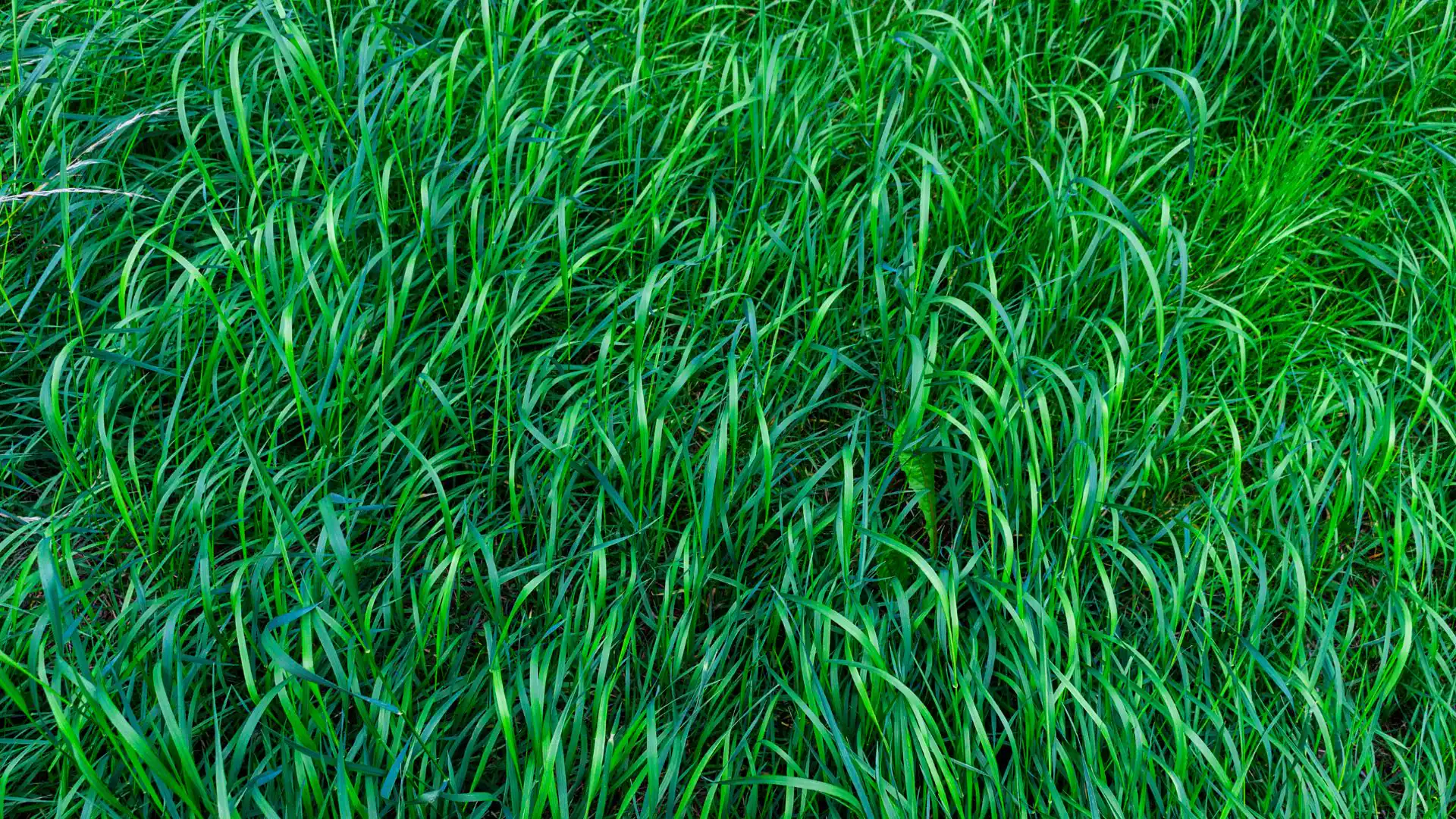
Restoration means working with what’s already there. If your Bayport lawn has damaged zones, bare patches, thinning turf, or areas that have been stressed by salt, drought, or disease, restoration is the process of diagnosing what went wrong and correcting it soil, seed, pH, and all. The existing grass base stays. We repair and strengthen it.
Renovation is a full rebuild. That means killing off what’s there, starting from scratch, and re-establishing the entire lawn from the ground up. It’s the right call when the lawn has failed completely and there’s nothing worth saving but that’s less common than most homeowners think.
For most Bayport properties we assess, especially those with established lawns that have declined over time due to soil issues, salt exposure, or deferred maintenance, restoration is the right first move. It’s less disruptive, less expensive, and it produces lasting results when the underlying cause is properly addressed. If restoration isn’t the right fit for your specific lawn, we’ll tell you that directly and explain why.
Often, yes but it depends on what “dead” actually means. A lawn that looks completely brown and bare is not always a total loss. Grass crowns can survive dormancy, drought stress, and even moderate salt damage while appearing completely dead on the surface. The real question is whether the root system still has viable crowns that can regenerate with the right conditions.
The only way to know for certain is a proper assessment. When we look at a damaged Bayport lawn, we’re checking for crown viability, soil condition, thatch depth, and the presence of underlying problems like grub damage or fungal disease that may have caused the decline. If there’s enough living root structure to work with, restoration can bring the lawn back. If the damage is too extensive across the full property, we’ll tell you that honestly and explain what a full renovation would involve instead. Either way, you get a straight answer not a sales pitch.
Most Bayport homeowners start seeing visible improvement within four to six weeks of the initial seeding and soil correction work assuming the timing is right and conditions cooperate. Germination on south shore sandy soils happens relatively quickly when slice seeding is done in the late summer or early fall window, which is the optimal period for establishment on Long Island.
Full recovery meaning thick, healthy, even turf across the restored areas typically takes one to two full growing seasons. That timeline depends on the severity of the original damage, how much soil correction was needed, and how well the lawn is maintained through the establishment period. Lawns with significant salt stress or compaction issues may take slightly longer, since the soil itself needs time to stabilize after pH correction and aeration. We set realistic expectations from the start and follow up through the process to make sure the recovery is on track.
It does, and it’s one of the most commonly misdiagnosed problems we see on south shore properties. Salt damage doesn’t always look like salt damage it looks like drought stress, or a lawn that just won’t respond to watering or fertilizer. That’s because salt affects the lawn in two ways: wind-driven salt spray deposits on grass blades draw moisture out of the plant, and salt accumulation in the soil disrupts the root’s ability to take up water and nutrients regardless of how much you apply.
Properties in Bayport south of Middle Road and in the Blue Point Association waterfront area are the most exposed, but salt stress can affect any Bayport lawn within a mile or two of the bay especially after nor’easters or tropical weather events that push salt-laden air inland. Proper recovery involves soil flushing, pH correction, and reseeding with grass varieties that are suited to coastal conditions. Treating it like a standard drought repair doesn’t work, and that’s where a lot of DIY attempts fall short.
The cost depends on the size of the lawn, the extent of the damage, and what the soil actually needs which is why we assess before we quote. A restoration program for a mid-sized Bayport residential property typically involves soil testing and correction, core aeration, and slice seeding. Each of those has its own cost component, and the total varies based on square footage and the complexity of the underlying issues.
What we can tell you is that restoration is significantly less expensive than a full lawn renovation, and for most Bayport lawns where the damage is concentrated in specific zones rather than the entire property it’s the more cost-effective path to a healthy lawn. Given that homes in this area are listed near or above $999,000, the return on a well-executed restoration in terms of curb appeal and property presentation is real. We provide transparent, itemized estimates so you know exactly what you’re paying for before any work begins.
Honestly, the better first question is: what actually caused my lawn to decline? Because the answer to that determines everything else including whether restoration will hold long-term or whether you’ll be back in the same situation in two years.
In Bayport, the most common root causes we find are soil compaction on older properties south of Middle Road, pH drift on sandy soils that haven’t been limed in years, salt stress from Great South Bay exposure, and brown patch fungal damage that went untreated through one too many summers. Each of those has a specific fix. When the fix addresses the actual cause, restoration works and it lasts. When it doesn’t when someone just overseeds on top of a compacted, acidic, salt-stressed soil the results are temporary at best.
That’s the conversation we have with every Bayport homeowner before we recommend anything. Restoration versus renovation is a real distinction, and we’ll tell you which one fits your lawn. But the diagnosis comes first, and that’s where the real value of working with someone who has spent 38 years in Suffolk County soil actually shows.
Useful Links
Other Services we provide in Bayport