
Hear from Our Customers
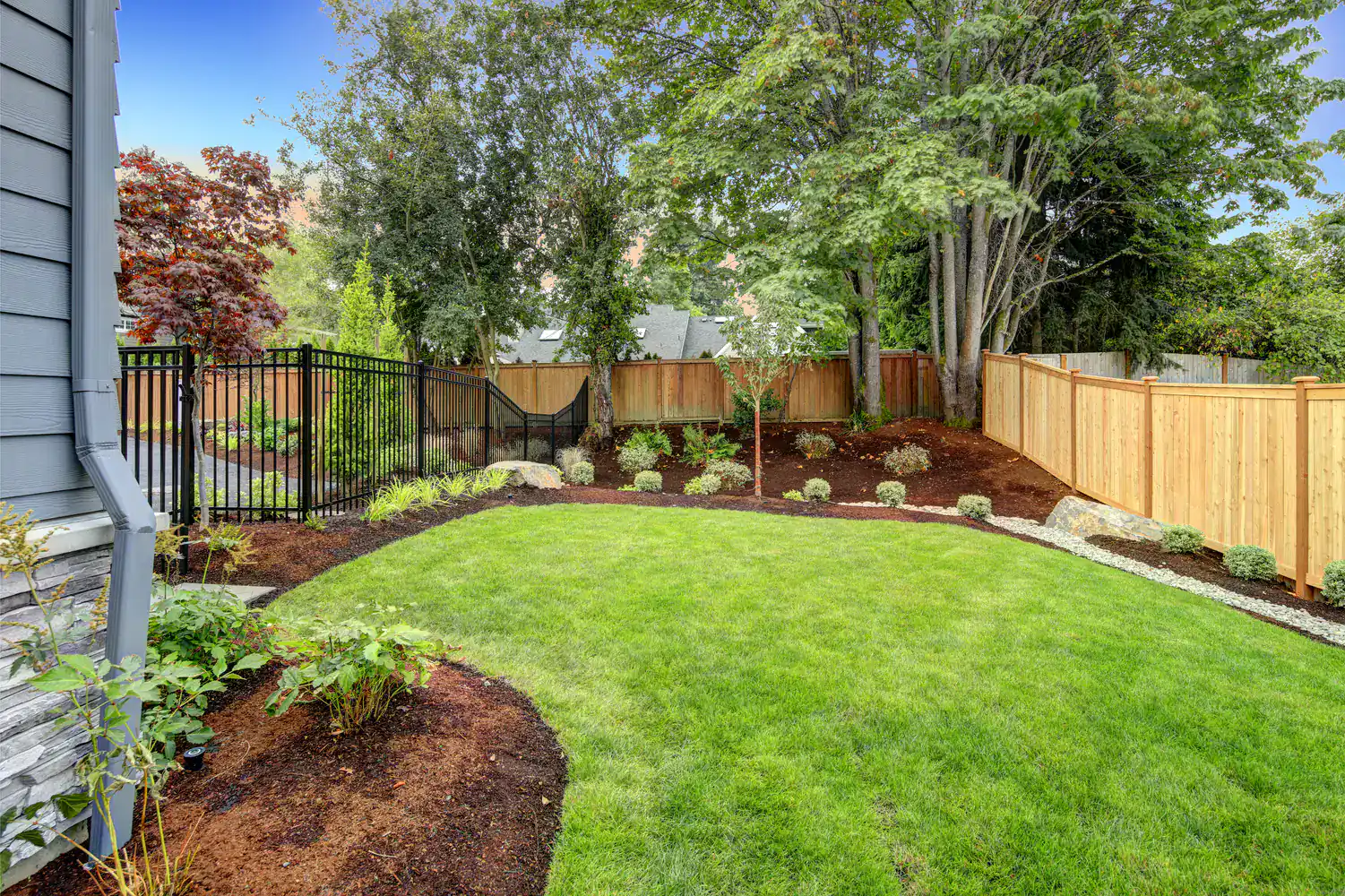
When a lawn renovation is done right, the difference isn’t subtle. You go from patchy, struggling turf that looks tired against your neighbors’ properties to dense, even grass that holds through summer heat, grub season, and everything else western Suffolk County throws at it. For homeowners in Commack where properties routinely sell above $700,000 and curb appeal carries real financial weight that transformation matters more than most people realize until they see it.
A lot of Commack’s housing stock was built in the 1950s and 60s. That means many of the lawns here are 50 or 60 years old, sitting on soil that’s been compacted, depleted, and patched without ever being properly reset. Sandy loam soil drains fast and holds almost nothing nutrients leach right past the root zone before grass can use them. Renovation addresses that. Soil preparation, core aeration, and professional-grade seeding with the right cool-season varieties for this climate create a foundation that actually supports long-term growth.
The other thing that changes is the daily experience of looking at your property. Commack has one of the highest work-from-home rates in the country around 16% of residents. If you’re home every day, you’re looking at your lawn every day. A renovated lawn stops being a source of frustration and starts being something you’re genuinely proud of.
We were built around one thing: fixing lawns that other approaches couldn’t. Founded by Matt Shaker, who’s been working in the lawn and landscape industry on Long Island since 1994, we’ve spent over three decades dealing specifically with the conditions that challenge turf in Commack and throughout western Suffolk County sandy soil, Japanese beetle grub pressure, summer drought stress, and the kind of aging lawn problems that come with homes built in the 60s.
Commack sits across both the Town of Huntington and the Town of Smithtown, and the properties here reflect that mix established neighborhoods, premium homes, and lawns that have been around long enough to develop real problems. We know this area. The grub damage documented throughout western Suffolk County, the soil conditions along the Jericho Turnpike corridor, the turf challenges common to neighborhoods near Hoyt Farm none of it is new to us.
This isn’t a franchise with a call center. When you reach out, you’re talking to people who actually know what’s happening in your lawn and why.
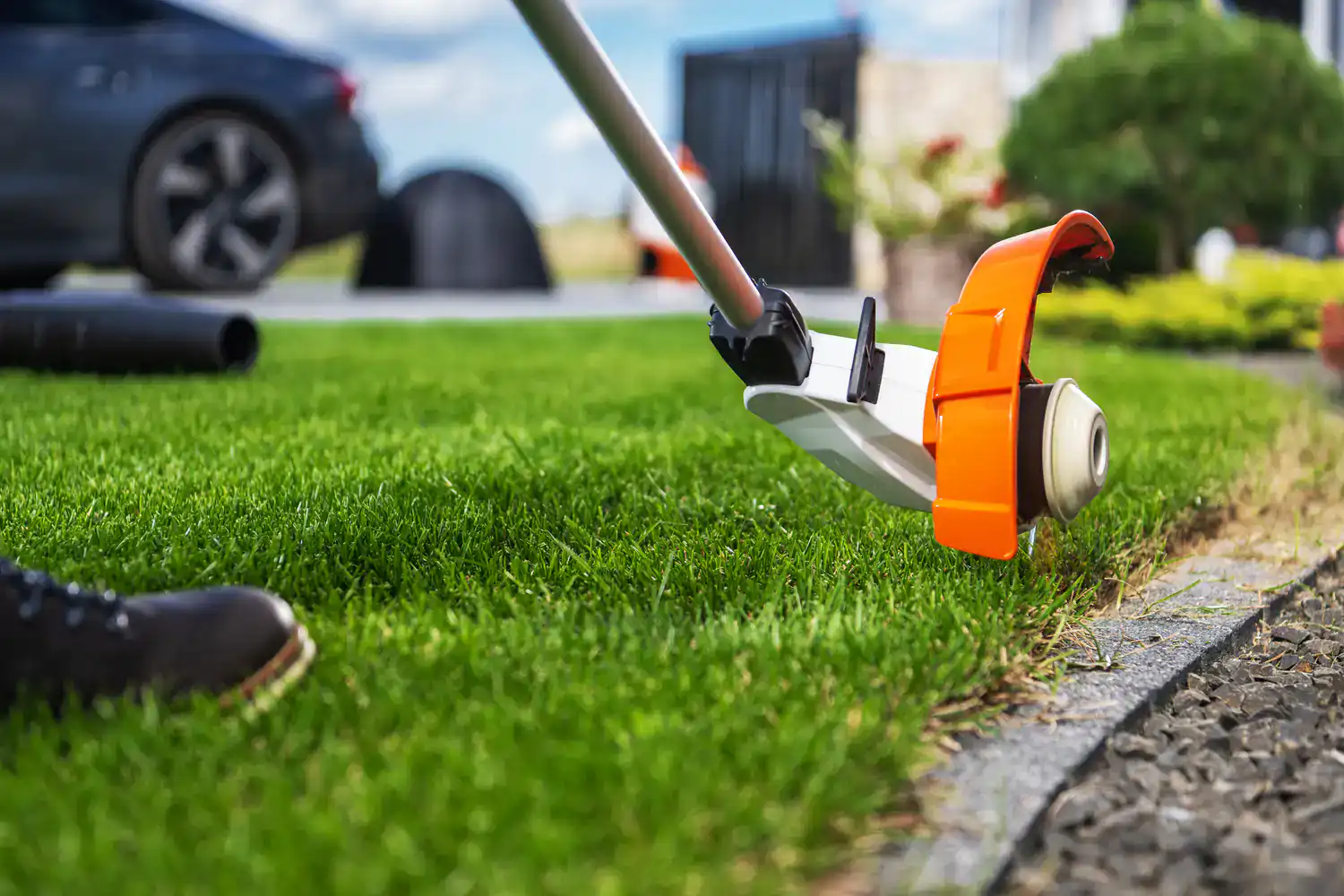
The process starts with an honest assessment not a sales pitch. Before any seeding or soil work happens, we evaluate your lawn for what’s actually causing the problem. In Commack, that usually means checking for grub damage, measuring thatch depth, testing soil pH, and identifying any invasive species like nutgrass or bentgrass that have taken over sections of the lawn. Those are common issues in this area, and skipping that diagnostic step is exactly why cheaper fixes don’t hold.
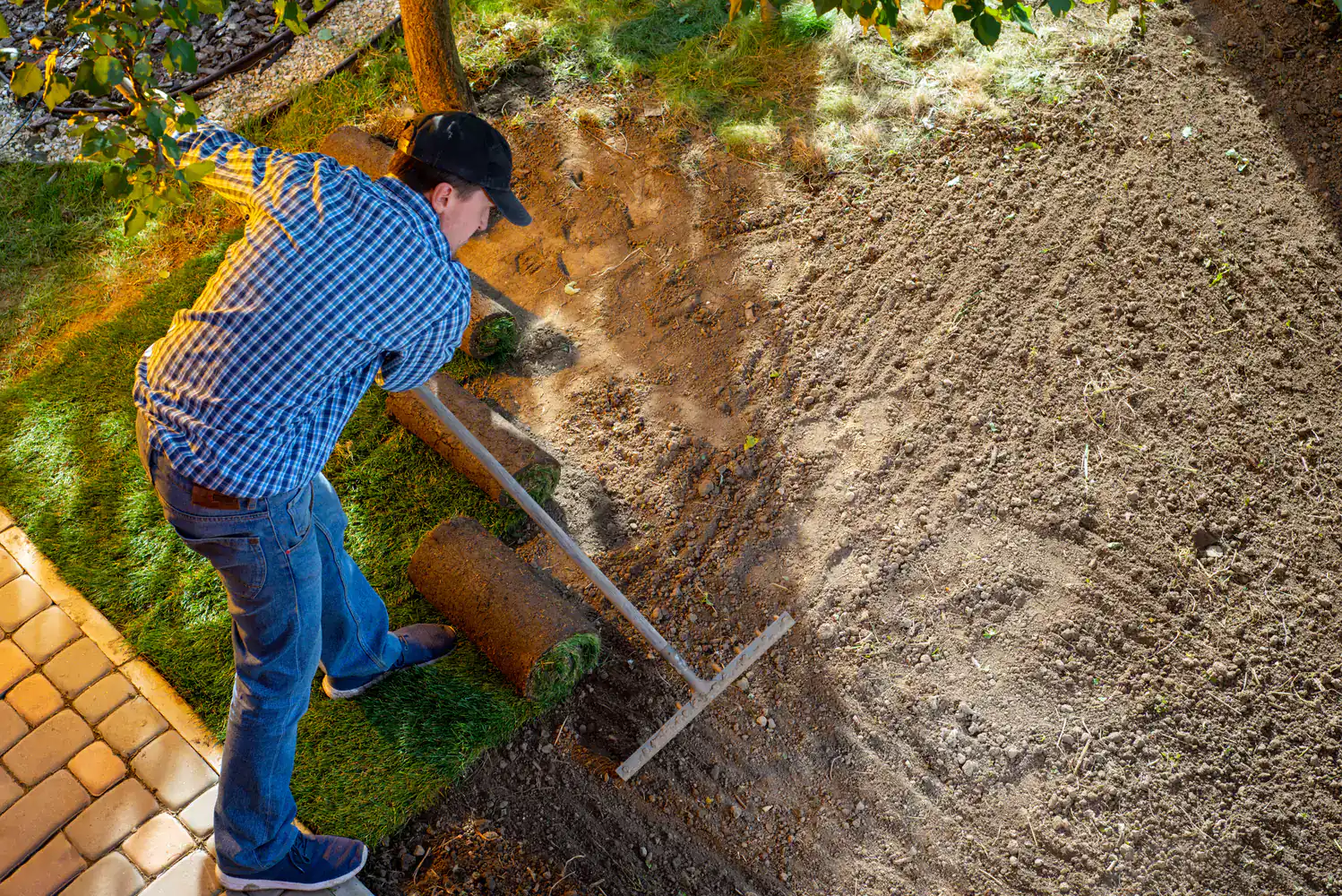
From there, the soil gets prepared properly. That means aerating compacted ground, removing dead material, and amending the soil where needed to give new seed a real chance. On Suffolk County’s sandy loam, this step isn’t optional it’s the whole reason the renovation works when overseeding alone didn’t. Once the ground is ready, renovation seeding goes down using cool-season grass varieties suited to Commack’s climate: Kentucky bluegrass, tall fescue, and perennial ryegrass are the workhorses here, and the right seed selection matters.
Timing is a real factor in Commack. The best window for full lawn renovation is late August through mid-October soil temperatures are in the right range, summer weeds have run their course, and fall rainfall supports germination without constant irrigation. Spring renovation is available for grub damage and winter kill, but fall is when the results are most reliable. Our fall renovation calendar in Commack fills up during that window, so earlier is better if you’re planning ahead.

Ready to get started?
Our renovation services cover the full scope of what it takes to rebuild a failing lawn in western Suffolk County not a partial fix, not an overseeding program dressed up as something more. Core aeration, soil preparation, renovation seeding programs, new lawn installation, and specialized control for nutgrass and bentgrass are all part of what we offer. Those last two matter more than people expect. Nutgrass spreads through underground nutlets that survive standard herbicide treatments. Bentgrass creates off-color, disease-prone patches that crowd out desirable turf. Most companies in the Commack area either can’t treat them effectively or don’t offer the service at all.
For homeowners in The Hamlet Commack’s gated community near the golf and country club where properties range from $850,000 to well over a million the standard for what a lawn should look like is set by grounds maintained to a level most residential lawns never reach. Our premium and luxury lawn renovation work is built for that tier of expectation. Dense, even, weed-free turf that holds through summer and looks the way a property at that price point should look.
All commercial pesticide application work is performed in compliance with New York State NYSDEC licensing requirements and Suffolk County Local Law 41-2007, which governs pesticide use near public drinking water wells throughout the county. You’re not hiring an unlicensed crew.
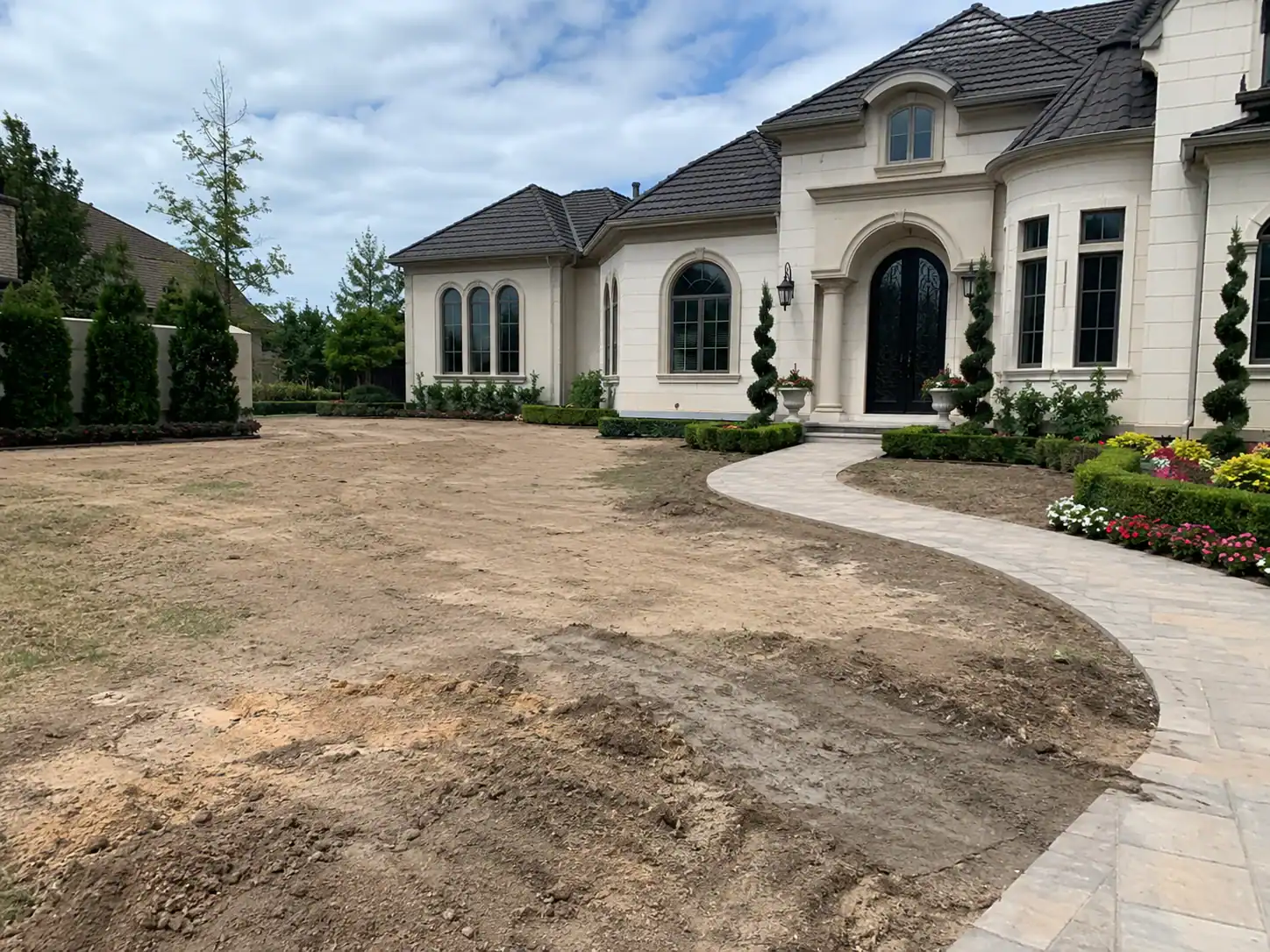
Overseeding means spreading seed over an existing lawn. It works when the lawn is fundamentally healthy but thin in spots. Renovation is a different category entirely it’s what you do when the existing turf has failed beyond what overseeding can fix. In Commack, that distinction matters because most of the housing stock here is 50 to 60 years old. Lawns on those properties have decades of compaction, thatch buildup, and depleted soil organic matter working against them. Spreading seed on top of that doesn’t solve the underlying problem it just adds seed to conditions that won’t support it.
A proper lawn renovation in Commack starts with soil preparation: aerating compacted ground, removing dead material, testing and amending pH, and addressing any invasive species before a single seed goes down. That groundwork is what makes the difference between results that hold for years and results that fade by the following summer. If you’ve had overseeding done and it didn’t hold, the soil is almost always why.
Lawn renovation pricing in Suffolk County typically runs between $0.75 and $4.00 per square foot depending on the scope of work the condition of the existing lawn, how much soil preparation is needed, whether invasive species like nutgrass or bentgrass need to be addressed first, and the size of the area being renovated. For a typical Commack property with a quarter to a third of an acre of lawn, a full renovation generally falls in the range of $7,500 to $22,500. Premium properties including homes in The Hamlet community may run higher depending on what’s required.
The more useful way to think about the cost is relative to what you’ve already spent. If you’ve had two or three rounds of overseeding, fertilization programs, and weed treatments that didn’t hold, you’ve likely already spent a meaningful amount without lasting results. A complete lawn rebuild is a one-time investment that addresses the root cause instead of treating symptoms repeatedly. For a home worth $700,000 or more in Commack, the return on a renovated lawn in curb appeal, property presentation, and resale value is real.
If you’re seeing the same dead or thinning patches come back year after year in the same locations, there are a few likely explanations and in Commack specifically, Japanese beetle grub damage is near the top of the list. Grubs feed on grass roots just below the soil surface from late summer into fall, killing the turf above them in patches that peel back like loose carpet. Because the damage happens underground before you see it, many homeowners in the Commack area don’t connect the dead patches in August or September to grubs until the problem has already spread.
Beyond grubs, recurring dead spots in Commack lawns are often caused by severe soil compaction, thatch layers thick enough to block water and nutrients, or low spots where water pools and suffocates roots. Sandy loam soil makes all of these worse it drains so fast that even healthy areas can dry out quickly during summer heat, and compacted areas shed water entirely. Renovation addresses these issues at the source. Patching the same spots every spring without fixing the underlying condition is a cycle that doesn’t end on its own.
Late August through mid-October is the window that produces the most reliable results for lawn renovation in Commack. Soil temperatures during this period are in the 50 to 65 degree Fahrenheit range the sweet spot for germination of cool-season grasses like Kentucky bluegrass, tall fescue, and perennial ryegrass, which are the varieties best suited to Long Island’s climate. Summer annual weeds like crabgrass have completed their life cycle by early fall, so newly seeded grass isn’t competing with aggressive weed pressure. And fall rainfall in western Suffolk County typically supports germination without requiring constant supplemental irrigation.
Spring renovation is available and appropriate for specific situations grub damage that killed sections over winter, bare patches from snow mold, or areas that need spot repair before summer. But full-scale spring renovation carries real risks: crabgrass pressure ramps up quickly, and new seedlings established in March or April face their first Long Island summer before their root systems are fully developed. If your goal is a completely rebuilt lawn by next summer, booking a fall renovation is the path that gives you the best outcome. Our fall calendar in Commack fills up during the August–September window, so reaching out early gives you the most flexibility.
Yes and this is one of the areas where working with a renovation specialist makes a real difference. Nutgrass, also called yellow nutsedge, is one of the most persistent turf invaders on Long Island. It spreads through underground nutlets that survive most standard herbicide applications and return the following season. Treating it effectively requires a targeted protocol with the right product, applied at the right time, with follow-up management built into the plan. Most general lawn care companies in the Commack area either don’t offer this service or apply standard weed control that doesn’t address the nutlets which is why the nutgrass keeps coming back.
Bentgrass creates a different kind of problem. It grows faster than surrounding turf, has a different color and texture, and creates spongy, disease-prone patches that crowd out desirable grass over time. If sections of your lawn look off different shade, different feel underfoot, growing faster than everything else bentgrass is a common culprit in this area. Both nutgrass and bentgrass control are part of our renovation capabilities in Commack. Addressing them before renovation seeding goes down is critical, because seeding into an active nutgrass or bentgrass infestation just buries the problem.
We serve Commack and the surrounding western Suffolk County area as part of our regular service territory. From our base in Port Jefferson Station, Commack is a straightforward drive roughly 20 to 25 miles via the Long Island Expressway or Northern State Parkway, both of which run directly through or adjacent to Commack. The highways that connect these two communities are among the most familiar routes in the county, and Commack falls well within the area we work in regularly.
The more relevant point for Commack homeowners is that we operate specifically within Suffolk County not Nassau, not the five boroughs, not a broad multi-region franchise territory. That focus means the people doing the work know the local conditions: the soil types common to western Suffolk, the grub pressure documented throughout the Huntington and Smithtown areas, the seasonal timing that works for this specific climate. If you’re in Commack, Dix Hills, Kings Park, Smithtown, or the surrounding communities, you’re in the area we know well and serve consistently.
Useful Links
Other Services we provide in Commack