
Hear from Our Customers
If you’ve been running a fertilizer program for years and your lawn still looks thin, yellow, or overrun with weeds, the problem probably isn’t the fertilizer. When soil pH drops below the range your grass needs typically 6.0 to 6.8 for the cool-season turf varieties common in Commack nutrients get chemically locked out at the root level. The grass can’t absorb what you’re putting down, no matter how much you apply. Correcting the pH doesn’t just fix the soil. It makes every other lawn investment you’ve already made start working the way it was supposed to.
Commack has a specific set of conditions that accelerate this problem. The mature oak and hickory trees throughout the community the same species that fill Hoyt Farm Nature Preserve drop acidic leaf litter every fall. It decomposes into your soil year after year, quietly lowering the pH without any visible warning sign until the damage shows up as patchy, struggling turf. Add in Long Island’s naturally sandy, porous glacial soils that leach calcium and magnesium faster than most soil types, and you’ve got a chronic acidification pattern that doesn’t correct itself.
Once your pH is in the right range, grass thickens up, roots deepen, and weeds lose the foothold they depend on. You’re not fighting the lawn anymore you’re working with it.
We’re based in Port Jefferson Station and have been working across Suffolk County long enough to know that soil conditions here aren’t uniform they vary street by street, and Commack is no exception. Properties on the Smithtown side of Townline Road, homes near the wooded buffer around Hoyt Farm, and older lots built on what used to be agricultural land in the 1950s can all test differently. That kind of local variability is exactly why a professional soil test matters more than a bag of lime from the hardware store and a guess.
When you call Lawn Master, you reach a real person not a call center, not a chatbot. Carol handles scheduling, accounts, and questions directly, and we build your program around your actual soil test results, not a franchise template. That’s a different experience than what you get from the national operators serving this area, and Commack homeowners tend to notice the difference quickly.
It starts with a soil test. Before anything is applied to your lawn, we pull a sample and test it to find out your current pH level, your soil’s buffering capacity, and exactly how much lime is needed to bring you into the optimal range for Long Island turf which Cornell Cooperative Extension of Suffolk County puts at 6.3 to 6.5. Without that number, any lime application is a guess, and guessing wrong in either direction creates a new set of problems.
Once we have your results, we calculate the right lime rate for your specific lawn and apply it evenly across the property. In Commack, fall is the best window for this typically September through November. Long Island’s fall rainfall and winter freeze-thaw cycles do the work of pushing lime deeper into the soil profile, so by the time your grass starts actively growing in spring, the pH shift has already taken place. Homeowners who wait until April to address a yellow lawn are already a full season behind.
After the application, we set you up with a retest schedule. Soil pH doesn’t stay fixed permanently it drifts over time, especially with Long Island’s leaching-prone sandy soils and the ongoing leaf litter from Commack’s heavy tree canopy. Retesting every two to three years keeps you ahead of it instead of reacting to it.
Ready to get started?
A pH treatment from us isn’t a single lime application and a handshake. It starts with a professional soil test that gives you real numbers your current pH, what it needs to be, and how much ground we’re covering to get there. That test is the foundation. Everything after it is built around what your specific lawn actually needs, not a standardized rate that gets applied to every property on the route.
The lime product and application rate are selected based on your soil type and test results. Commack’s soils tend to be sandy and fast-draining, which affects how lime moves through the profile and how quickly it integrates. If your lawn sits under heavy oak canopy common in the neighborhoods around Hoyt Farm and along the older residential streets in the Smithtown-side of the community we factor in the ongoing acidification load from leaf litter when determining how aggressive the correction needs to be.
Because we operate as a licensed, NYSDEC-registered commercial applicator in Suffolk County, every treatment we apply meets state compliance requirements. That matters here Commack sits above Long Island’s sole-source drinking water aquifer, and over-applying lime or fertilizer without a soil-test basis isn’t just wasteful, it’s an environmental issue the county takes seriously. We do too.
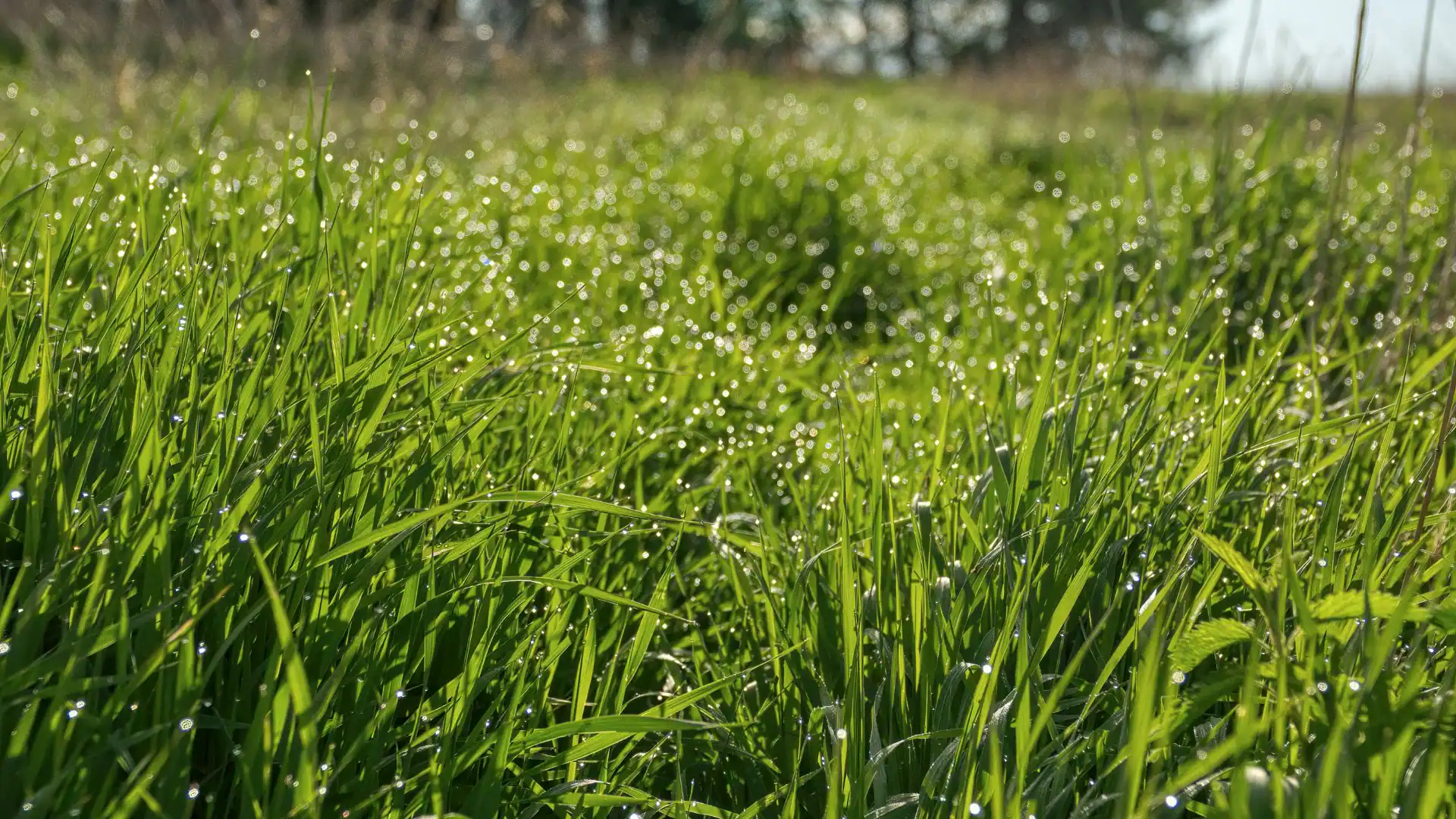
It’s a fair question, and the honest answer is: most lawns in Commack do need it, but the only way to know for sure is a soil test. Long Island’s soils are naturally derived from glacial outwash deposits sandy, porous, and prone to losing calcium and magnesium through rainfall and irrigation over time. That natural tendency, combined with decades of nitrogen-based fertilizer applications and the acidic leaf litter from the oak and hickory trees throughout Commack’s neighborhoods, pushes most untreated lawns well below the 6.3 to 6.5 pH range that Long Island turf needs to thrive.
That said, not every lawn is equally acidic. Properties with different drainage patterns, sun exposure, and tree cover can test differently even on the same block. A soil test tells you exactly where you stand so if your pH is already in range, you’ll know that too, and we won’t recommend a treatment you don’t need.
This is the most common frustration we hear from homeowners across Commack, and the explanation is almost always the same. When soil pH is too low which is the chronic baseline condition for most untreated Long Island lawns the nutrients in your fertilizer become chemically unavailable to your grass roots. They’re physically in the soil, but locked in forms the plant can’t use. So the fertilizer isn’t doing nothing, it’s just not doing what you paid for it to do.
The pH scale is logarithmic, which means a drop from 6.5 to 5.5 isn’t a small shift it represents a tenfold increase in acidity. At that level, nitrogen, phosphorus, and potassium absorption drops significantly, and no amount of additional fertilizer compensates for it. Correcting the pH first is what makes the fertilizer program actually work. Most homeowners in Commack see a noticeable difference in color, density, and weed pressure within one full growing season after a proper pH correction.
Fall is the right window specifically September through November. Long Island’s fall rainfall naturally carries lime deeper into the soil profile, and the freeze-thaw cycles through winter continue that integration process. By the time your cool-season grass varieties are actively growing in spring, the pH adjustment has already taken place where it matters most: at the root zone.
Most Commack homeowners who decide to address pH wait until they see yellow or thin grass in April or May. That’s understandable, but it means you’re a full season behind spring lime applications don’t fully integrate until the following fall. If you want to see a real difference in your lawn next spring, the time to act is this fall.
Yes, with one simple precaution. The lime products used in professional lawn pH treatment are calcium-based compounds either calcitic lime or dolomitic lime and they’re not toxic. That said, you’ll want to keep kids and pets off the lawn until the application has been watered in, either by rainfall or irrigation. Once the lime has settled into the soil surface and the lawn is dry, it’s safe for normal use.
The lime products we apply are selected and applied at rates that comply with New York State DEC requirements and Suffolk County’s regulations around lawn care applications. If you have specific concerns about a particular product or your lawn’s proximity to a play area, that’s exactly the kind of question you can ask directly when you call you’ll get a straight answer.
Lime doesn’t work overnight. The realistic timeline for a fall application is that you’ll start seeing measurable pH improvement by late winter or early spring, with the full effect realized by mid-spring when your grass is actively growing. That’s roughly four to six months from application to visible results which is exactly why timing matters so much.
The speed of integration depends on a few factors: how finely ground the lime product is, how much rainfall you get after application, and your soil’s existing buffering capacity. Commack’s sandy soils actually integrate lime faster than heavier clay-based soils, which works in your favor. But the freeze-thaw cycles of a Long Island winter are doing real work during that waiting period it’s not a passive process. By spring, the chemistry has shifted, and your grass has access to nutrients it couldn’t reach before.
You can buy a bag of pelletized lime at any hardware store and spread it yourself that’s true. The problem isn’t the lime, it’s the application rate. Without a soil test, you have no idea what your current pH actually is, how much buffering capacity your soil has, or how much lime is needed to reach the target range. Too little and nothing changes. Too much and you push the pH alkaline, which locks out a different set of nutrients iron, manganese, zinc and produces the same yellowing and thinning you were trying to fix.
In Commack specifically, soil pH can vary significantly from one property to the next depending on drainage, tree canopy, and the history of the land. A home that was built on former agricultural land in the 1950s may have a very different baseline than a newer property with less organic matter history. A professional soil test removes the guesswork and gives you a precise number to work from. The cost of getting it wrong another full season of a struggling lawn is higher than the cost of getting it right the first time.
Useful Links
Other Services we provide in Commack