
Hear from Our Customers
You stop avoiding the front of your house. The patchy, thin strips that embarrassed you every time a neighbor walked by gone. What you have instead is dense, even turf that looks like it belongs on a property worth what yours is actually worth.
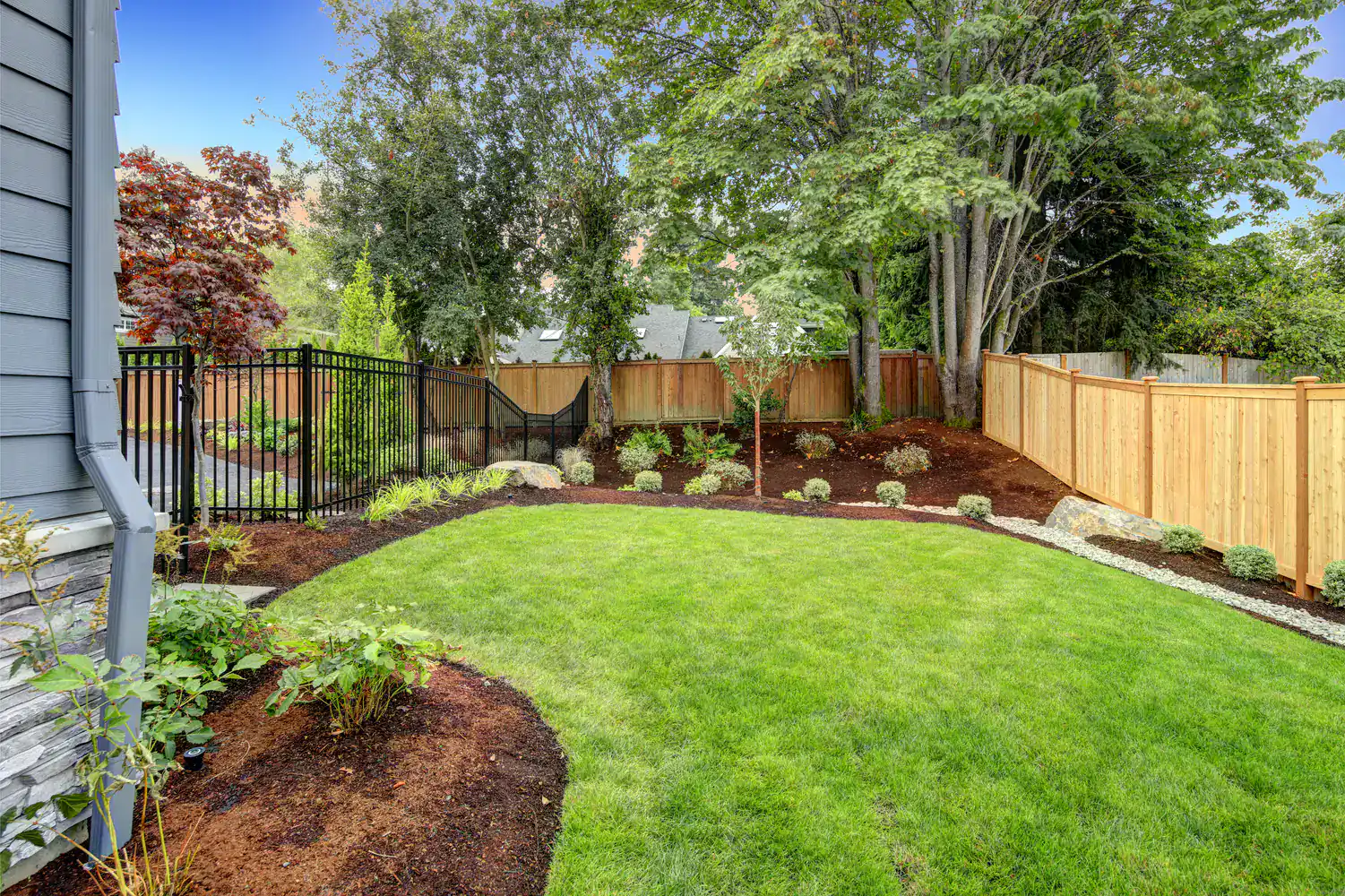
That matters here more than most places. Nesconset homes sit at median values around $870,000. The lawn is the first thing anyone sees, and right now, if it’s thin and weedy, it’s quietly working against everything else you’ve put into that property. A full lawn renovation doesn’t just fix the grass it restores the whole first impression.
The other thing that changes is durability. Nesconset’s housing stock was largely built in the 1970s, which means most of these lawns were seeded with older grass varieties that were never designed to hold up through decades of compaction, drought, and grub pressure. When you rebuild with modern, improved cultivars matched to Suffolk County’s Haven Loam soil profile, you’re not just getting green you’re getting a lawn that can actually handle what Long Island summers throw at it year after year.
We’ve been doing this work in Suffolk County since 1994. That’s three decades of renovating Long Island lawns including the aging 1970s and 1980s housing stock that makes up most of Nesconset’s residential neighborhoods off Southern Boulevard, Gibbs Pond Road, and the streets surrounding Great Hollow Middle School.
We’re based in Port Jefferson Station, sitting at the eastern end of NY-347 the Nesconset Highway itself. When we come to your property, we’re not dispatching from Nassau County or operating out of a national franchise hub. We’re coming down the same road you drive every day, with 30 years of hands-on knowledge of how Suffolk County soil behaves, what kills lawns here, and what actually fixes them.
This isn’t a maintenance company that also does renovation on the side. Lawn renovation is the core of what we do and that focus shows in the results.

It starts with an honest assessment of your lawn. Not a sales pitch an actual look at what’s going on with your soil, your existing turf, your drainage, and the specific failure points that have kept the lawn from recovering on its own. In Nesconset, that often means evaluating Haven Loam drainage behavior, checking for grub damage, and identifying whether nutsedge or bentgrass has taken hold both of which require targeted treatment before any seeding can succeed.
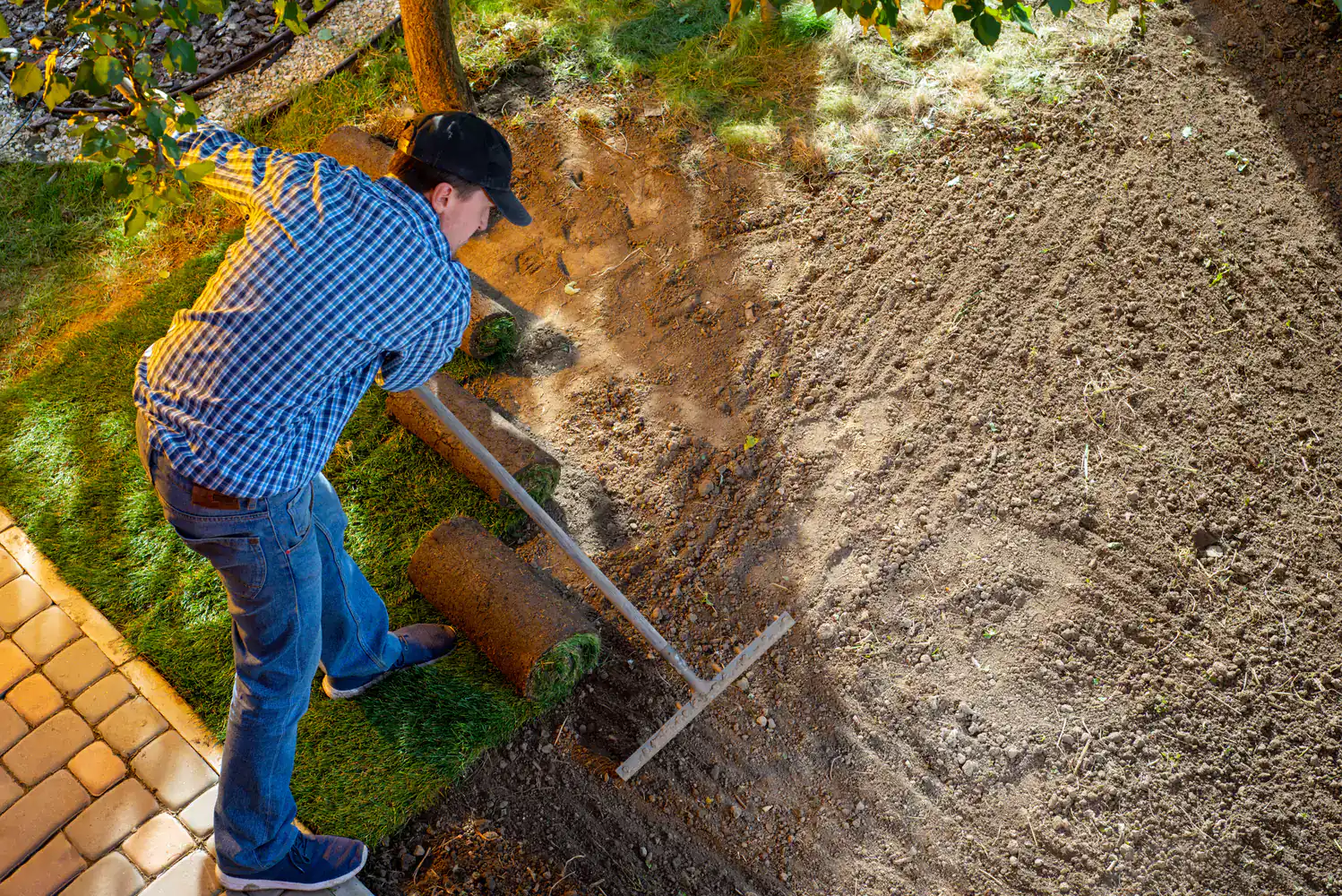
From there, the soil gets prepared properly. That means core aeration to break up compaction that’s built up over decades, dethatching to remove the dead layer that’s been blocking water and nutrients from reaching the root zone, and soil amendment where needed. Skipping this step is why overseeding fails. The seed needs a prepared surface to germinate not a mat of dead thatch sitting on top of compacted ground.
Once the soil is ready, power seeding goes in with modern grass varieties selected for your specific conditions sun exposure, shade from mature trees, soil type, and how the lawn drains. Timing matters here. In Nesconset, the prime renovation window runs from late August through mid-October, when soil temperatures drop into the range cool-season grasses need to germinate and summer weeds stop competing. That window is real, and it fills up. If fall renovation isn’t possible, spring is a viable secondary window for addressing winter damage but fall is always the stronger option on Long Island.

Ready to get started?
A complete lawn renovation from us covers the whole picture not just the seeding. It includes core aeration, power seeding with improved cultivars suited to Suffolk County conditions, dethatching, and targeted weed control for problem species like nutsedge and bentgrass. These aren’t add-ons. They’re part of the process because leaving any one of them out is how renovations fail.
For Nesconset properties specifically, soil preparation is where the work really begins. Haven Loam drains well under normal conditions, but after 40 or 50 years of foot traffic and seasonal stress, the compaction layer underneath tells a different story. We address that before a single seed goes down. If your lawn sits near the Lake Ronkonkoma border where soil profiles can carry more clay content and drainage irregularities are more common, that gets factored in too.
All pesticide and herbicide applications are performed by a licensed applicator under New York State NYSDEC requirements. Suffolk County’s Local Law 41-2007 establishes pesticide-free buffer zones around public drinking water wells, and we verify compliance before any application something unlicensed operators simply don’t do. For homeowners in Nesconset served by the Suffolk County Water Authority, that’s not a minor detail. It’s the difference between a legal, responsible application and one that isn’t.
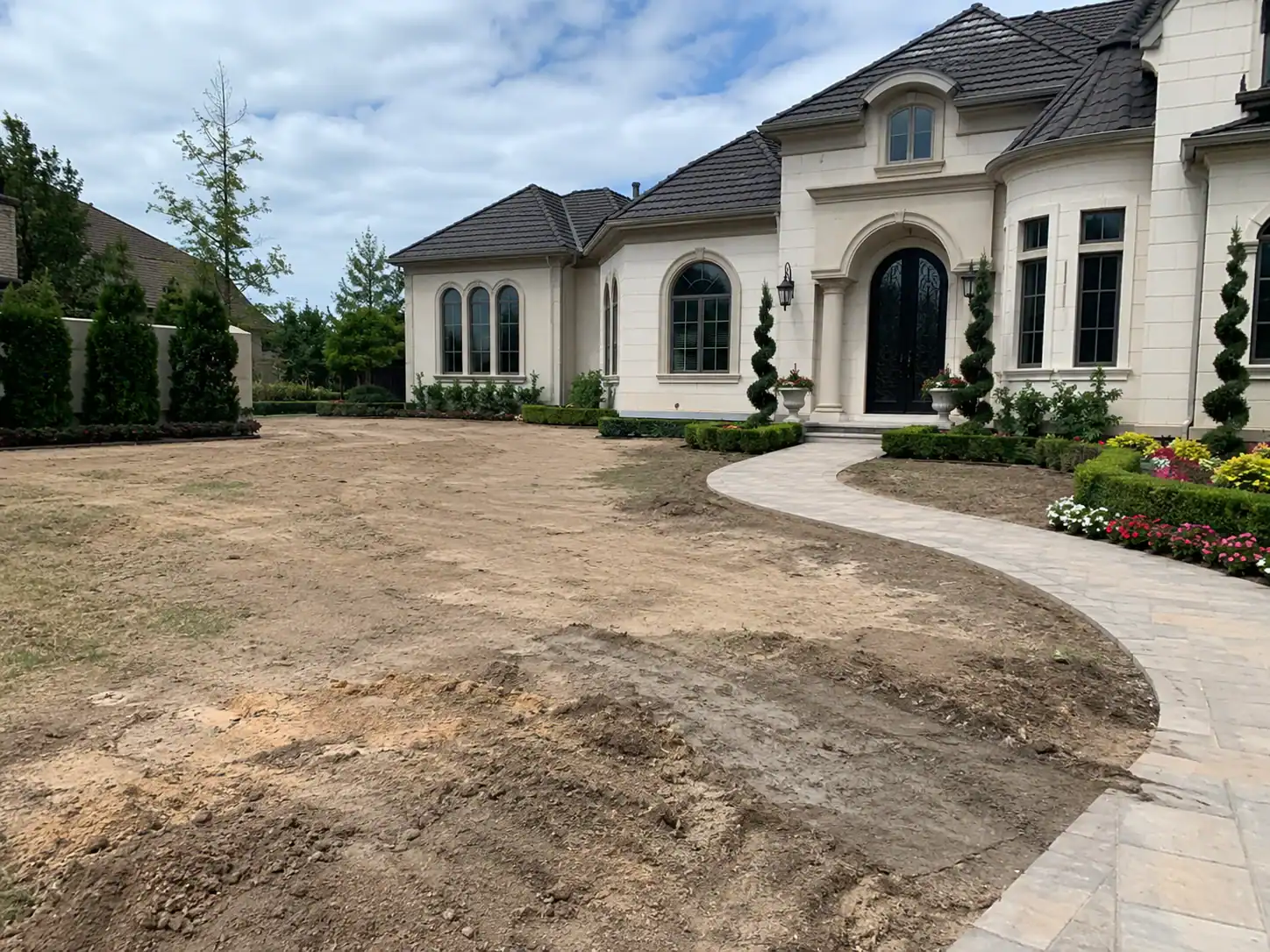
The strongest window for lawn renovation in Nesconset runs from late August through mid-October. That’s when soil temperatures drop into the 50–65°F range that cool-season grasses need to germinate well, summer weeds like crabgrass have stopped competing, and natural rainfall starts returning to support establishment. On Long Island, fall isn’t just a good time to seed it’s the right time, and the biology backs that up.
Spring renovation is a viable secondary option, particularly for repairing winter heaving, bare patches from grub damage, or areas that didn’t establish fully the previous fall. The risk in spring is higher weed competition, since crabgrass and other warm-season annuals germinate aggressively once soil temps climb. If you’re working with a severely damaged lawn in Nesconset and spring is your only option, it can be done but fall should be the first choice whenever possible. The fall renovation schedule fills up, so reaching out early in the season gives you the best shot at the right timing.
Overseeding means spreading seed over your existing lawn without addressing what’s underneath it. It works reasonably well on a lawn that’s 70–80% healthy and just needs some thickening. But if your lawn has significant compaction, a thick thatch layer, weed invasion covering more than a third of the surface, or soil that hasn’t been aerated in years overseeding on top of that produces minimal lasting results. The seed can’t make good contact with the soil, germination rates drop, and whatever does come up struggles against the existing competition.
Lawn renovation starts at the root cause. It means aerating the soil to break up compaction, removing the thatch layer that’s blocking water and nutrients, eliminating problem weeds before seeding, and putting down the right seed variety for your specific conditions. On a Nesconset property with a lawn that’s been in the ground since the 1970s, that level of preparation isn’t optional it’s what determines whether the result holds through next summer or fades out again by July.
Lawn renovation pricing depends on the size of the lawn, the condition of the soil, and how much preparation work is needed before seeding. As a general benchmark, complete lawn renovation in the Suffolk County area typically runs in the range of $1,500 to $6,000+ for most residential properties, with larger lots or more severely damaged lawns on the higher end of that range.
For Nesconset homeowners, it helps to think about this as a property investment rather than a maintenance expense. On a home worth $800,000 or more, a lawn that’s visibly patchy or weed-dominated is actively working against your curb appeal and resale value. A renovation that produces dense, lasting turf pays for itself in how the property presents whether you’re staying long-term or eventually listing. The more useful question isn’t “how much does it cost” but “what does it cost to keep doing fixes that don’t hold.” Most homeowners who reach out to us have already spent money on approaches that didn’t work. This is the step that ends that cycle.
Yes, and it needs to be addressed before renovation, not after. Nutsedge commonly called nutgrass spreads through underground nutlets that standard broadleaf herbicides don’t reach. If you seed over an active nutsedge infestation without treating it first, the nutsedge comes right back through the new turf and you’re dealing with the same problem in a different lawn. It’s one of the more common issues on Long Island properties, particularly in areas with any drainage irregularity or soil moisture variation.
We specifically treat nutsedge and bentgrass as part of the pre-renovation process. Both require targeted applications by a licensed pesticide applicator which is a legal requirement in New York State, not just a best practice. The treatment timing matters too: nutsedge control needs to happen at the right point in the growth cycle to be effective. Getting this step right before seeding is what separates a renovation that holds from one that gets overtaken again within a season.
A lawn that’s mostly dead or completely bare can absolutely be renovated in many cases, it’s actually easier to work with than a lawn that’s 40% weeds and 60% struggling grass, because there’s less to remove and the soil preparation can be done more thoroughly. The condition that determines whether renovation is the right approach versus full new lawn installation is primarily the state of the soil and whether there are any underlying drainage or grading issues that caused the lawn to fail in the first place.
If the soil is compacted but structurally sound, renovation through aeration, soil amendment, and power seeding is the right move. If there’s a drainage problem water pooling, soil erosion, or significant grade issues that needs to be corrected before any seeding will hold. We assess both scenarios and will tell you honestly which approach fits your situation. For properties in Nesconset where grub damage from Japanese beetles has wiped out large sections of turf, renovation is typically the appropriate response once the grub issue has been addressed at the soil level.
It matters significantly and it’s one of the most common places where DIY renovations and generic overseeding services fall short. The grass varieties sold in bags at hardware stores are often low-performing cultivars that don’t have the disease resistance, drought tolerance, or density of modern improved varieties. On a Suffolk County lawn that has to handle summer heat, periodic drought, and the soil conditions specific to this part of Long Island, seed selection directly affects how the lawn performs two and three years down the road.
For most Nesconset properties in full or partial sun, a mix weighted toward Kentucky bluegrass performs well in Suffolk County’s climate typically blended with perennial ryegrass for faster establishment and fine fescues for any shaded areas under the mature trees that are common throughout Nesconset’s residential streets. Heavily shaded spots need a fine fescue-dominant blend to have any real chance of establishing. The right seed for your specific lawn depends on sun exposure, soil type, and how the property drains all of which we evaluate before putting a single seed down.
Useful Links
Other Services we provide in Nesconset