
Hear from Our Customers
Compacted soil is quiet damage. You water the lawn, fertilize it, maybe overseed a thin patch and nothing really sticks. That’s not a product problem. It’s a soil problem. When the ground is too dense for air, water, and nutrients to reach the root zone, everything you put into your lawn stays on the surface and runs off. Core aeration pulls plugs from the soil and opens it back up so the inputs you’re already paying for can actually do their job.
For Bayport properties near the water, this matters more than most people realize. The sandy loam soils along the Great South Bay drain fast which sounds like a good thing until compaction sets in and that drainage advantage disappears. Salt air adds another layer of stress on the root system, and once the soil tightens up, the grass has nowhere to recover. Aeration creates the channels that let fresh water flush through, nutrients penetrate, and roots push deeper instead of sitting shallow and struggling.
Even if your property is farther north toward Sunrise Highway, the picture isn’t much better. Newer construction lots in that part of Bayport were often built on subsoil that was compacted by heavy equipment during development stripped of topsoil, compressed, and seeded over. Those lawns have been fighting compaction since day one. One solid aeration program changes that trajectory.
We’ve been working Suffolk County lawns since 1987 long before most of the franchise operations you see today even existed. That’s not a throwaway line. It means decades of learning how South Shore soil behaves through drought summers, freeze-thaw winters, and the specific coastal stress that comes with living near the Great South Bay. The lawn on Middle Road in Bayport doesn’t respond the same way as one near the Bayport waterfront, and we’ve seen enough of both to know the difference.
Every job is handled by a licensed pesticide professional not a seasonal crew member handed a machine and a schedule. NYSDEC licensing requires passing written exams, maintaining active certification, and staying current on application standards. That’s the person making decisions on your Bayport property. We also run a fleet of five fully wrapped trucks throughout Suffolk County, which means when we’re booked in Bayport, we show up on time, with the right equipment, ready to work.
Before anything happens to your lawn, we look at it. Bayport properties vary enough that a one-size approach doesn’t hold up a shaded lot with mature oaks along Middle Road has different compaction patterns than a waterfront property in South Bayport or a newer build up near Sunrise Highway. We assess your specific soil conditions, grass type, and what the lawn has been through before recommending anything.
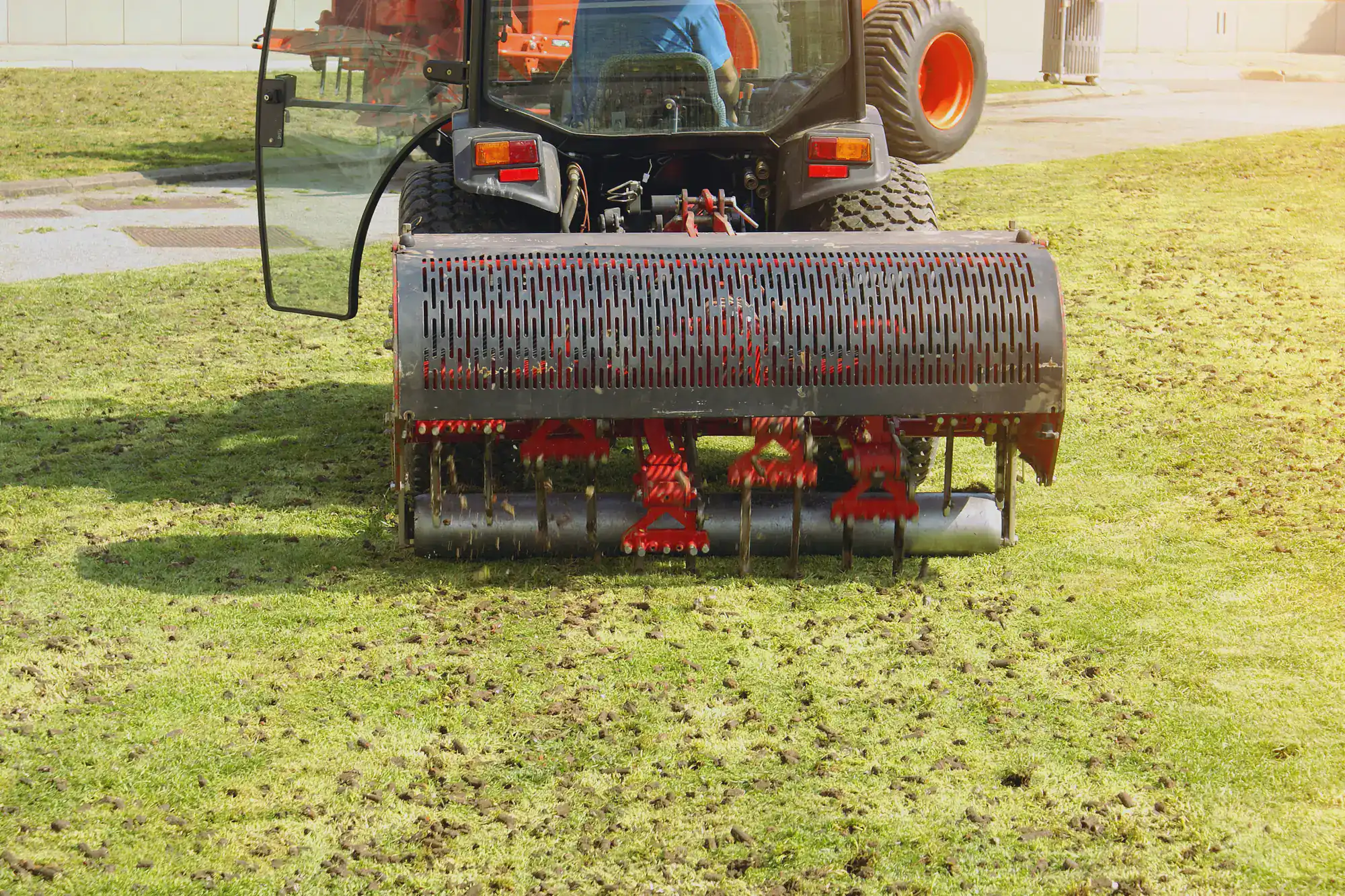
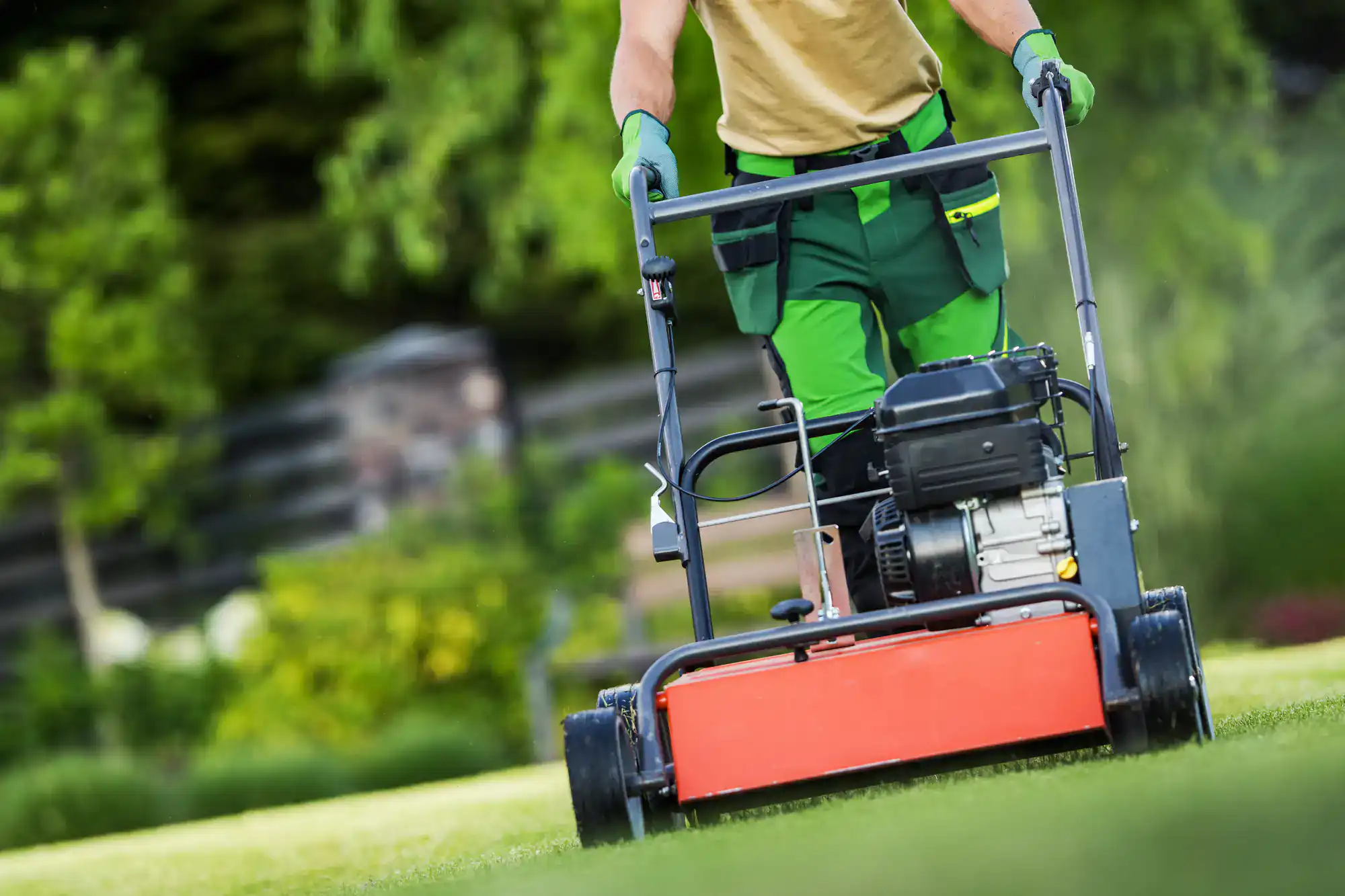
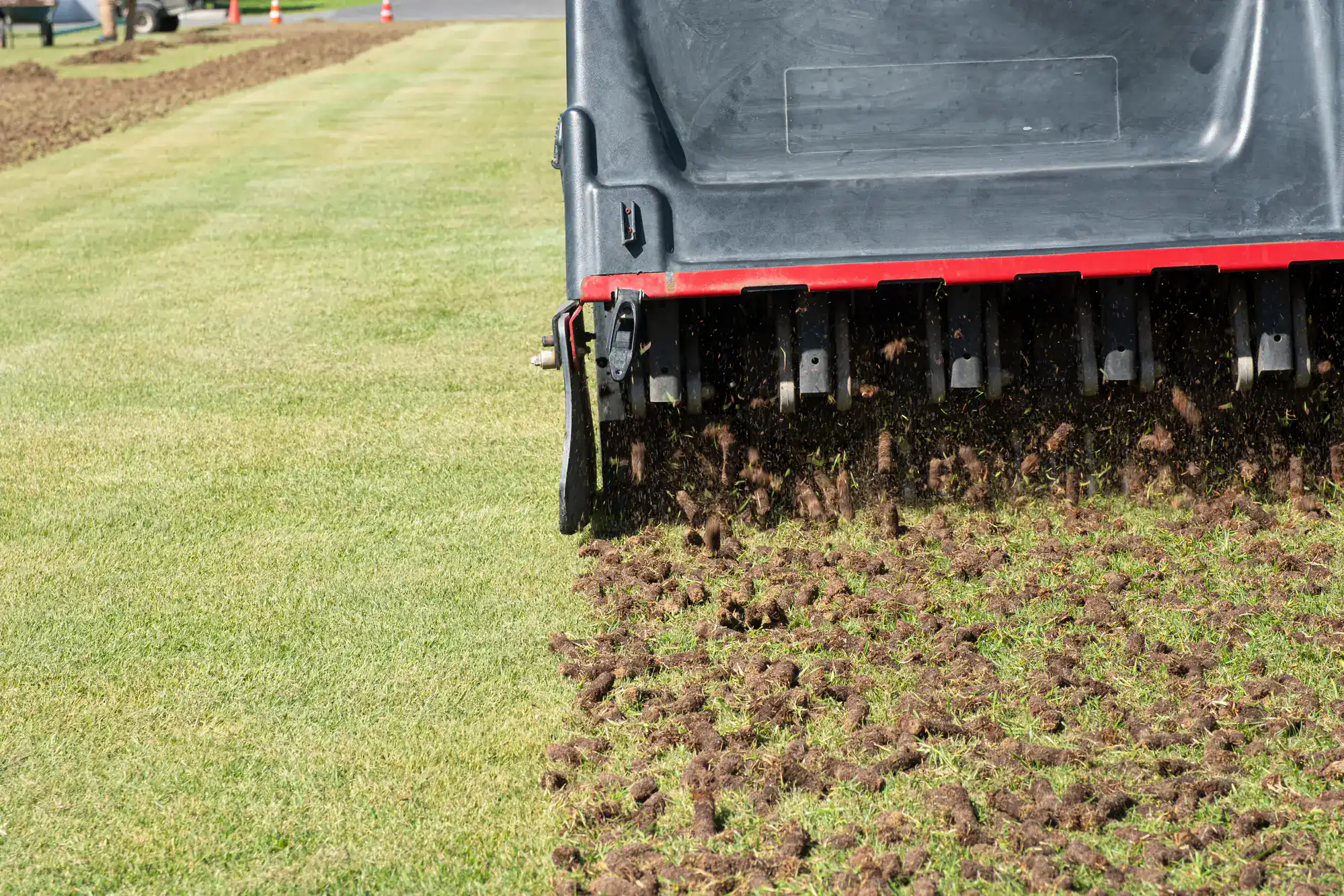
From there, we bring in hydraulic core aerators not the walk-behind rental units you can pick up for a day. Hydraulic equipment pulls cleaner plugs at consistent depth across uneven terrain, and it handles Bayport’s range of soil conditions without skipping or bouncing over the harder spots. The cores pulled from your lawn break down naturally over the following weeks, returning organic matter to the surface while the channels below stay open for root development.
Timing matters here. For the cool-season grasses that cover most Bayport lawns tall fescue, Kentucky bluegrass, perennial ryegrass fall is the right window. The soil is still warm, the grass is in its strongest growth phase, and you have a real opportunity to combine aeration with overseeding and a fertilizer application before Suffolk County’s November 1 fertilizer ban closes that window. We plan the schedule accordingly so nothing gets cut short.
Ready to get started?
We don’t hand you a package off a menu. Your Bayport property gets assessed on its own terms soil type, compaction level, shade patterns, grass variety, and what’s been done to it before. That assessment drives the program, not the other way around. It’s the difference between a plan that works and one that looks good on paper.
Every aeration job we perform uses professional hydraulic equipment and is handled by a licensed applicator. When overseeding follows aeration, we use varieties suited to Long Island’s coastal climate not generic blends. When fertilization is part of the program, it’s applied with Suffolk County’s November 1 cutoff in mind and uses our custom-blended fertilizer formulated specifically for Long Island soil, not a national formula designed for somewhere else. For Bayport homeowners close to the Great South Bay, that also means responsible application that keeps nitrogen where it belongs in your root zone, not running off into the water.
Managing your service is straightforward. Online account access, credit card invoice payment, and email reminders mean you’re not chasing anyone down or waiting on a callback. For Bayport residents with demanding commutes and full schedules, that kind of reliability isn’t a bonus it’s the baseline expectation, and we meet it.
For Bayport lawns, fall is the window specifically late August through October. The cool-season grasses that cover most properties here, tall fescue, Kentucky bluegrass, and perennial ryegrass, grow most actively in fall. The soil is still warm enough for clean core removal, and the grass has the energy to fill in the channels aeration creates. That combination produces results you won’t get from a spring aeration on the same lawn.
There’s also a hard deadline to keep in mind. Suffolk County’s fertilizer ban goes into effect on November 1 every year, which means your aeration, overseeding, and fall fertilizer application all need to happen before that date. Bayport’s position on the Great South Bay makes that regulation especially relevant nitrogen runoff from residential lawns is a documented contributor to bay water quality, and professional timing keeps your program on the right side of both the law and the environment. Book early. The fall window fills up faster than most homeowners expect.
The easiest test is a screwdriver. Push one into your lawn after a normal watering if it resists going in past a few inches, your soil is compacted. You can also look at how water behaves after rain. If it pools on the surface instead of soaking in, or if it runs off quickly on a flat lawn, that’s compaction at work. Thin turf, patchy growth, and grass that stays stressed despite regular watering and fertilizing are all signs the root zone isn’t getting what it needs.
In Bayport specifically, a few situations make compaction especially common. Properties near the Great South Bay with sandy loam soil can compact and lose their drainage advantage faster than homeowners expect. Lots in the northern sections of Bayport, closer to Sunrise Highway, often sit on construction-compacted subsoil that’s been a problem since the house was built. Older properties with heavy oak or maple canopy common along Middle Road tend to develop compaction under the tree line where root competition dries and hardens the surface. If any of those sound familiar, aeration is likely overdue.
Core aeration physically removes plugs of soil from the ground, leaving open channels that allow air, water, and nutrients to reach the root zone. Those plugs break down on the surface over a few weeks and return organic matter to the lawn. Spike aeration, by contrast, just pokes holes into the soil with solid tines it doesn’t remove anything. The problem with spike aeration is that it can actually increase compaction around each hole by pushing soil sideways rather than pulling it out.
For Bayport lawns dealing with real compaction whether from salt air stress near the bay, foot traffic on an active property, or the freeze-thaw cycles Long Island puts lawns through every winter core aeration is the only method that genuinely addresses the problem. Spike aeration might look like it’s doing something, but it doesn’t produce the same root zone decompression. If your lawn has been struggling despite regular maintenance, spike aeration is likely not the reason it improved, and core aeration is the step that was missing.
Yes, and it’s actually one of the more important applications for it. Sandy loam soils drain quickly under normal conditions which is generally a good thing but they’re not immune to compaction. Foot traffic, mowing, and freeze-thaw cycles compress sandy soil over time, and once that happens, the drainage advantage disappears. Water starts pooling or running off instead of soaking in, and the root zone gets cut off from the inputs it needs.
Aeration on sandy or sandy loam soil does two things. First, it reopens the drainage channels that compaction closed, so water moves through the profile the way it should. Second, it creates pathways for fertilizer and organic matter to work their way deeper into the soil instead of sitting on the surface or leaching away before the roots can use it. For Bayport properties close to the water, where salt air is already stressing the grass, getting the soil functioning properly is the first step toward a lawn that can actually recover and stay healthy through the season.
Lawn aeration cost in Bayport typically varies based on the size of your property, the condition of the soil, and whether you’re combining aeration with overseeding or a fertilizer application. For a standard residential lot, professional core aeration generally runs in the range of a few hundred dollars and when you factor in overseeding and a fall fertilizer treatment, the total program investment goes up from there depending on what the lawn actually needs.
It’s worth comparing that against the DIY route. A consumer-grade aerator rental runs $75 to $107 per day, and the equipment available at most rental shops isn’t built to handle Bayport’s range of soil conditions the way professional hydraulic equipment does. You’ll get shallower cores, inconsistent depth on any uneven terrain, and results that don’t hold up the same way. For a property worth $700,000 or more which describes a lot of Bayport homes the difference in outcome between a professional program and a rental machine is not a small thing. A well-maintained lawn is part of what makes the property worth what it is.
It can, and it’s often the first real step in turning a struggling lawn around. When a lawn has been thin, patchy, or unresponsive for multiple seasons, compaction is frequently the underlying reason not the grass variety, not the fertilizer, not the watering schedule. All of those inputs are less effective when the soil is too dense to let them reach the root zone. Aeration opens the soil back up and creates the conditions where a recovery program can actually work.
For Bayport properties that have been through a few rough seasons whether from drought stress in a dry summer, salt air damage near the bay, or just years of foot traffic and neglect aeration combined with overseeding and a targeted fertilizer application gives the lawn a legitimate reset. The overseeding fills in the thin areas with fresh growth that establishes through the open channels aeration creates, and the fertilizer feeds that new growth before the November 1 Suffolk County cutoff. It’s not a one-visit fix for every lawn, but it’s the right starting point and for most properties, the improvement from the first fall program is significant enough that homeowners wish they’d done it sooner.
Useful Links
Other Services we provide in Bayport