
Hear from Our Customers
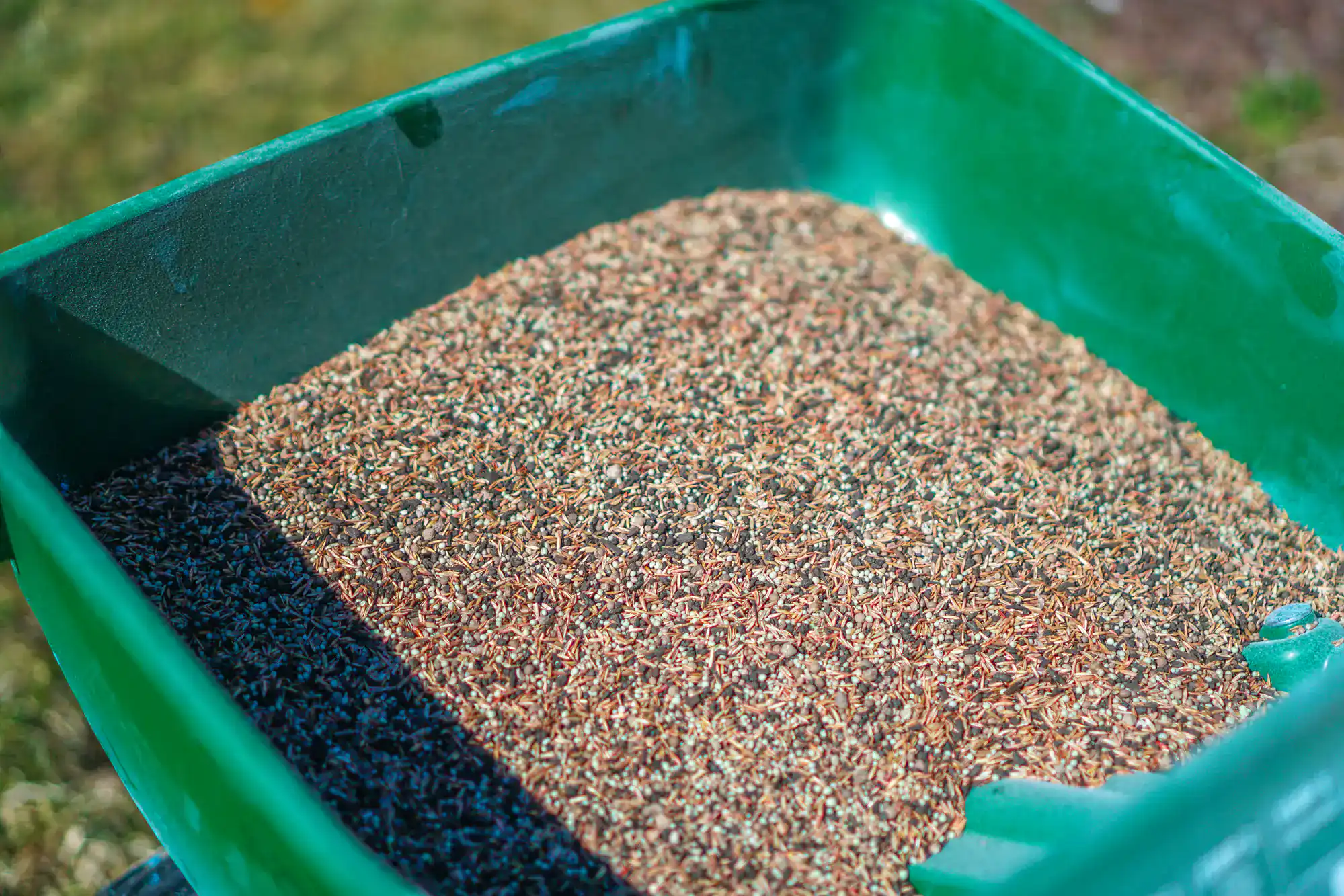
When fertilization is done right with the right product, at the right time, by someone who actually knows Long Island soil the difference shows up fast. Thicker turf. Fewer bare patches. Color that holds through the stress of a Long Island summer instead of fading out by July. That’s what happens when the program fits the lawn.
Commack’s soil is a big part of why generic programs underperform here. The sandy component in Suffolk County’s dominant soil type drains quickly, which means nutrients leach through before roots can absorb them. A fertilizer formula built for average conditions across 40 states isn’t calibrated for that. We use a custom-blended fertilizer made specifically for Long Island formulated around the nutrient demands of cool-season grasses growing in Suffolk County’s soil chemistry. That’s a meaningful difference when your lawn is sitting on property worth $700,000 or more.
There’s also the age factor. Most homes in Commack were built during the post-war suburban expansion which means many of the lawns here are 40 to 60 years old. Decades of foot traffic and seasonal stress compact the soil over time, blocking water, air, and nutrients from reaching the root zone. No fertilizer program works well on compacted soil. That’s why core aeration isn’t optional for a mature Commack lawn it’s what makes the rest of the program actually work.
We’ve been working in Suffolk County since 1987, and we know Commack specifically. That’s a track record that covers every grub cycle, every drought year, every regulatory change, and every soil condition this county has thrown at a lawn. We understand how lawns near the Sunken Meadow Parkway corridor behave differently from lawns closer to the Hauppauge border, and we program accordingly.
Every job is handled by a licensed pesticide professional not a seasonal crew, not a supervised technician. Our NYSDEC-certified applicators know Suffolk County’s fertilizer laws, including the November 1 through April 1 application ban, and we follow them without exception. Five fully wrapped, professional trucks cover the service area, and every program we build is centered around the specific conditions of your lawn not a corporate template applied the same way to every property in the zip code.
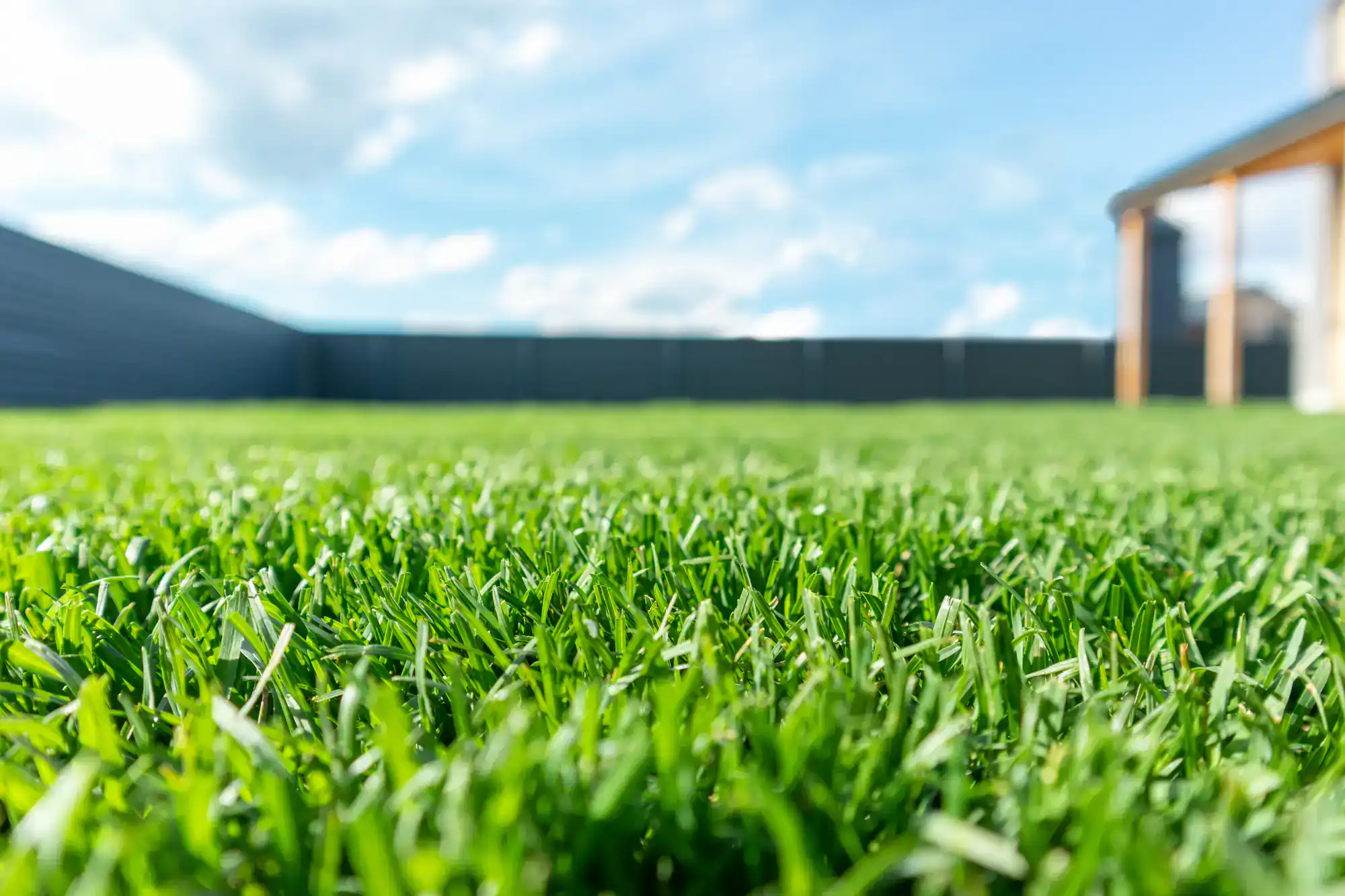
It starts with your lawn, not a brochure. Before anything is applied, we assess the conditions of your specific property grass type, soil characteristics, sun exposure, drainage patterns, and any existing weed or pest pressure. Commack lawns vary more than most people realize. A lawn with mature oak canopy and heavier soil has completely different needs than a sun-exposed property with fast-draining sandy soil near the Sunken Meadow Parkway. That assessment is what drives the program.
From there, we schedule applications around Long Island’s actual seasonal windows not a calendar that works for lawns in Ohio. The most critical window for cool-season grasses here is early fall, typically around early September, when fertilization builds root depth heading into winter dormancy. Pre-emergent crabgrass control goes down in mid-spring. Summer applications are timed carefully to avoid heat stress on cool-season turf. And nothing goes down between November 1 and April 1 that’s Suffolk County law, and we follow it without exception.
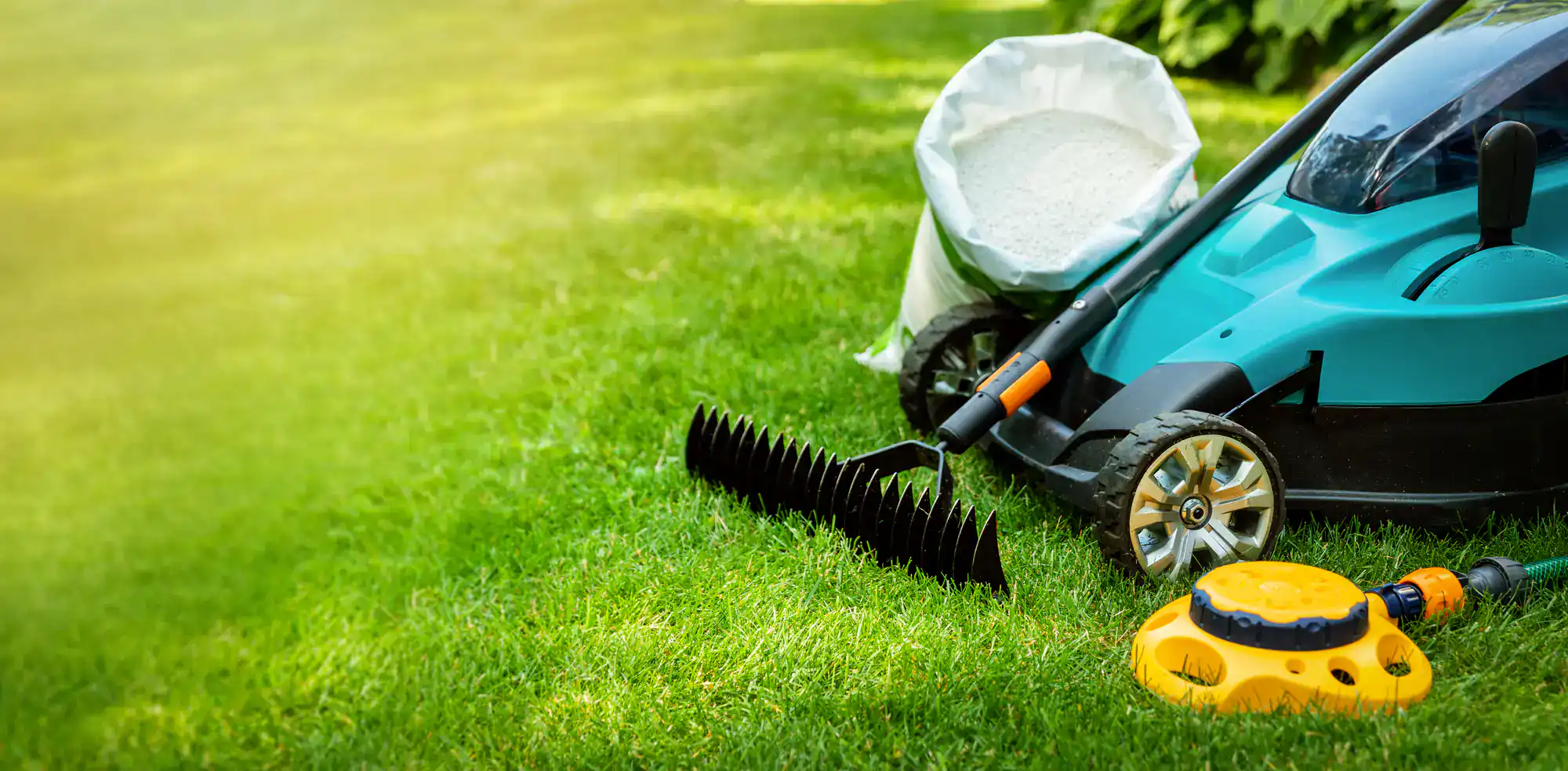
If your lawn needs more than fertilization compaction relief, overseeding, or restoration after grub damage our hydraulic aerators pull deeper plugs than standard equipment, creating real channels in compacted suburban soil so the fertilizer and seed can actually reach the root zone. The program adapts to what your lawn actually needs, not what’s easiest to apply.
Ready to get started?
Every program we build starts with what your lawn actually has going on not what a five-step national template assumes. The custom-blended fertilizer we use on every job was formulated specifically for us and calibrated to Long Island’s soil chemistry and cool-season grass demands. No competitor we’ve found serving the Commack area makes that claim. It’s not a product pulled off a commercial distributor’s shelf. It was built for this county.
Beyond fertilization, our full scope of services covers what Commack lawns commonly need: core aeration with hydraulic equipment that goes deeper than tow-behind units, overseeding with appropriate cool-season grass varieties, grub control timed to Long Island’s Japanese beetle pressure cycles, and weed control including nutgrass and bentgrass two of the most persistent and difficult-to-treat problems on Long Island that most generalist companies either can’t identify or won’t touch. Lawn restoration and new lawn installs from seed are also available for properties that need a full reset rather than a maintenance program.
All pesticide applications are handled by our NYSDEC-licensed professionals who comply with Suffolk County’s fertilizer restrictions, phosphorus limits, and neighbor notification requirements. Invoicing is handled online pay by credit card when it’s convenient for you, no paper bills, no phone calls required. For a Commack homeowner managing a demanding schedule, that’s one less thing to deal with.
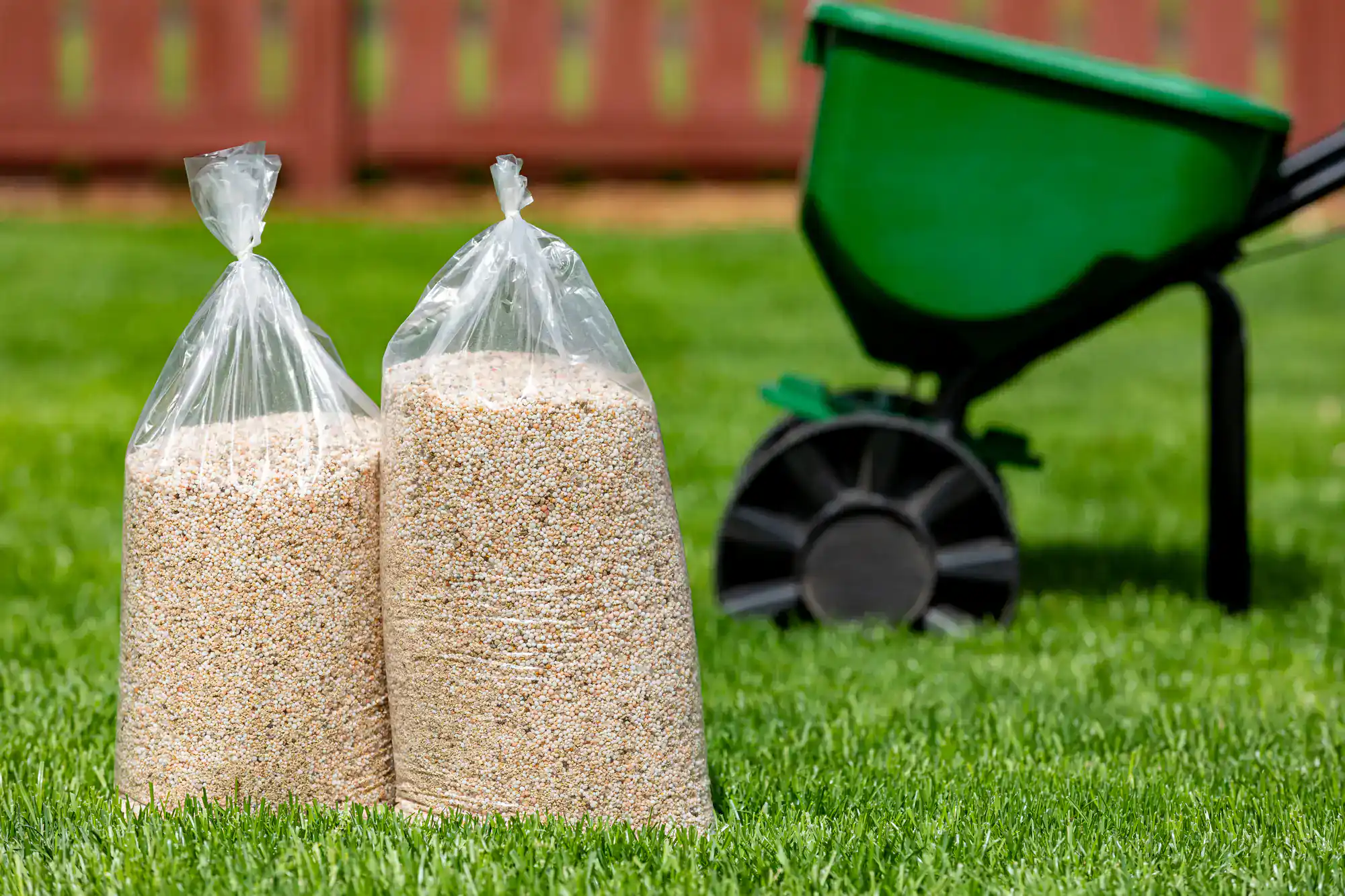
The most important window for fertilizing cool-season lawns on Long Island is early fall typically around early September. This is when Kentucky bluegrass, perennial ryegrass, and fine fescue are coming out of summer stress and actively building root depth before winter dormancy sets in. A well-timed fall application does more for your lawn’s long-term health than any other treatment in the calendar year.
Spring fertilization matters too, but timing is critical. Applications typically start around mid-April on Long Island, paired with pre-emergent crabgrass control before soil temperatures get warm enough for germination. Summer applications need to be carefully managed cool-season grasses slow down significantly during peak heat, and fertilizing during that window can stress the lawn rather than help it. One thing that’s non-negotiable in Suffolk County: no fertilizer applications between November 1 and April 1. That’s county law, and violations carry a $1,000 fine. Any company that schedules applications outside that window either doesn’t know the rules or doesn’t care about them.
The most common reason is soil compaction, and it’s especially prevalent in Commack’s older housing stock. When homes were built during the post-war suburban boom which covers a large portion of Commack’s residential neighborhoods construction equipment compacted the soil beneath what would become the lawn. Decades of foot traffic, mowing, and seasonal freeze-thaw cycles compound that over time. Compacted soil blocks water, air, and nutrients from reaching the root zone, which means even a well-formulated fertilizer can’t do its job if the soil is sealed off.
The other common culprit is the fertilizer itself. Suffolk County’s sandy soil drains quickly, and a generic formula not calibrated for Long Island’s soil chemistry will leach through before roots can absorb it. If you’ve been applying fertilizer and not seeing results, the issue is usually one of those two things or both. Core aeration with equipment that pulls deep plugs opens the soil up, and switching to a fertilizer actually formulated for Long Island conditions changes what your lawn can absorb. That combination is typically what turns a thin, patchy lawn around.
Yes and this is worth understanding before you hire anyone. In New York State, any business that applies pesticides for hire must register with the NYSDEC and employ at least one certified commercial pesticide applicator. That certification requires passing both the Core General Standards exam and a category-specific exam, and it has to be renewed every three years with 24 hours of continuing education. It’s not a rubber stamp it’s a real credential that requires ongoing training.
This matters more in Suffolk County than almost anywhere else in New York. The county’s entire drinking water supply comes from the underground aquifer system beneath Long Island there’s no surface water supply. What gets applied to lawns eventually filters through the same soil that feeds that aquifer. Suffolk County enacted its fertilizer law and pesticide regulations specifically because of that reality. When you hire a company whose applicators are NYSDEC-licensed, you’re hiring people who know the phosphorus restrictions, the application ban dates, the neighbor notification requirements, and the pesticide-free zones around public drinking-water wells. Unlicensed operators don’t know those rules. Licensed professionals follow them as a condition of keeping their certification.
Grub damage is common across Long Island, and Commack’s established suburban lawns are particularly susceptible. Japanese beetle grubs feed on grass roots from late summer into fall, and the first sign most homeowners notice is brown, spongy patches that look like drought stress but don’t recover when it rains. If you can pull back a section of that brown turf and it rolls up like a loose rug roots severed grubs are almost certainly the cause.
Commack neighborhoods with mature oak trees have higher Japanese beetle pressure because oaks are the preferred host plant for adult beetles laying eggs. The damage typically shows up most visibly in August and September, but by then the feeding has already been going on for weeks. The key is preventive grub control applied at the right time in early summer, before eggs hatch and larvae begin feeding. Reactive treatments after visible damage has appeared are less effective and can’t undo root loss that’s already occurred. A professional fertilization program that incorporates grub control timing based on Long Island’s actual beetle pressure cycles, not a generic national schedule is the most reliable way to protect a Commack lawn from this kind of damage year after year.
The most honest answer is consistency and local knowledge. National chains operate on volume large service areas, high technician turnover, and programs designed to be applied the same way across dozens of states. The technician who shows up to your Commack lawn this spring may have never worked in Suffolk County before, may not know the county’s fertilizer regulations, and almost certainly doesn’t know that your specific neighborhood has sandier soil that drains differently than the next town over.
The complaints that come up most often about national lawn care companies and they come up consistently in this market are unreliable scheduling, generic treatments that don’t address the specific lawn, and technicians who don’t know the property. For a homeowner in Commack, where the median home value is well above $700,000 and the lawn is part of a significant asset, that kind of inconsistency has real consequences. A local company that has been working specifically in Suffolk County since 1987, uses a fertilizer formulated for Long Island soil, and sends licensed professionals on every job is operating in a fundamentally different way. The results tend to reflect that difference pretty clearly over a full season.
It can more directly than most homeowners realize. Curb appeal consistently shows up in real estate research as one of the first factors buyers evaluate, and in a market like Commack, where homes are selling in the $700,000 to $850,000 range and buyers are highly informed, a thin or patchy lawn signals deferred maintenance. It raises questions about what else hasn’t been kept up. Conversely, a dense, healthy lawn with clean edges and consistent color makes a strong first impression that carries through the entire showing.
Beyond resale, there’s the neighborhood dimension. Commack residents chose this community partly because of its standards the school district, the property values, the way the neighborhood looks. A well-maintained lawn is part of that. It’s also worth noting that Commack’s older housing stock means many lawns are working against years of accumulated compaction and soil depletion. A professional fertilization program that addresses those underlying conditions isn’t just cosmetic maintenance it’s restoring the soil health that makes a lawn genuinely sustainable long-term. That kind of investment compounds. A lawn that’s been properly fed and aerated for several seasons is dramatically easier and less expensive to maintain than one that’s been neglected and needs periodic emergency intervention.
Useful Links
Other Services we provide in Commack