Hear from Our Customers
Most Nesconset homes were built in the 1950s and 60s. That means the lawn you’re looking at has been through sixty-plus years of foot traffic, freeze-thaw cycles, and compaction. Fertilizer alone won’t fix what decades of wear have done to the soil underneath. The right program addresses the root zone first then the results follow.
Suffolk County’s sandy, fast-draining soils are a real factor here. Nutrients wash out before shallow roots can absorb them, which is why off-the-shelf fertilizer often disappoints. A program that accounts for how your specific soil holds and releases nutrients produces visibly different results denser turf, fewer bare patches, and color that holds through summer stress instead of fading by July.
There’s also the shade issue. The mature tree canopy that makes Nesconset neighborhoods look the way they do creates real competition for nutrients and sunlight at the turf level. A fertilization program that ignores your shade patterns is leaving part of your lawn behind. When the program is built around your actual property sun exposure, soil condition, grass type, and all the whole lawn improves, not just the easy parts.
We’ve been working Nesconset and Suffolk County lawns since 1987. That’s not a tagline it’s just the truth. Companies that don’t deliver don’t last 37 years in a word-of-mouth market like this one. The lawns throughout Nesconset that look noticeably better than their neighbors? A lot of them have been on a Lawn Master program for years.
Every visit is handled by a licensed pesticide professional not a seasonal laborer who showed up last week. New York State requires NYSDEC commercial applicator certification for anyone applying pesticides for hire, and that certification isn’t easy to get or keep. Our team meets that standard on every job, which matters especially here in Nesconset, where your lawn drains directly into the sole-source aquifer that supplies drinking water to all of Suffolk County.
The fleet of five fully wrapped trucks you’ll see in your neighborhood isn’t for show. It reflects how the whole operation runs professionally, consistently, and accountably.
It starts with an honest assessment of what your lawn is actually dealing with. Soil condition, grass type, shade coverage, weed pressure, compaction these aren’t the same on every Nesconset property, and a program that doesn’t account for them isn’t really a program. It’s just a schedule.
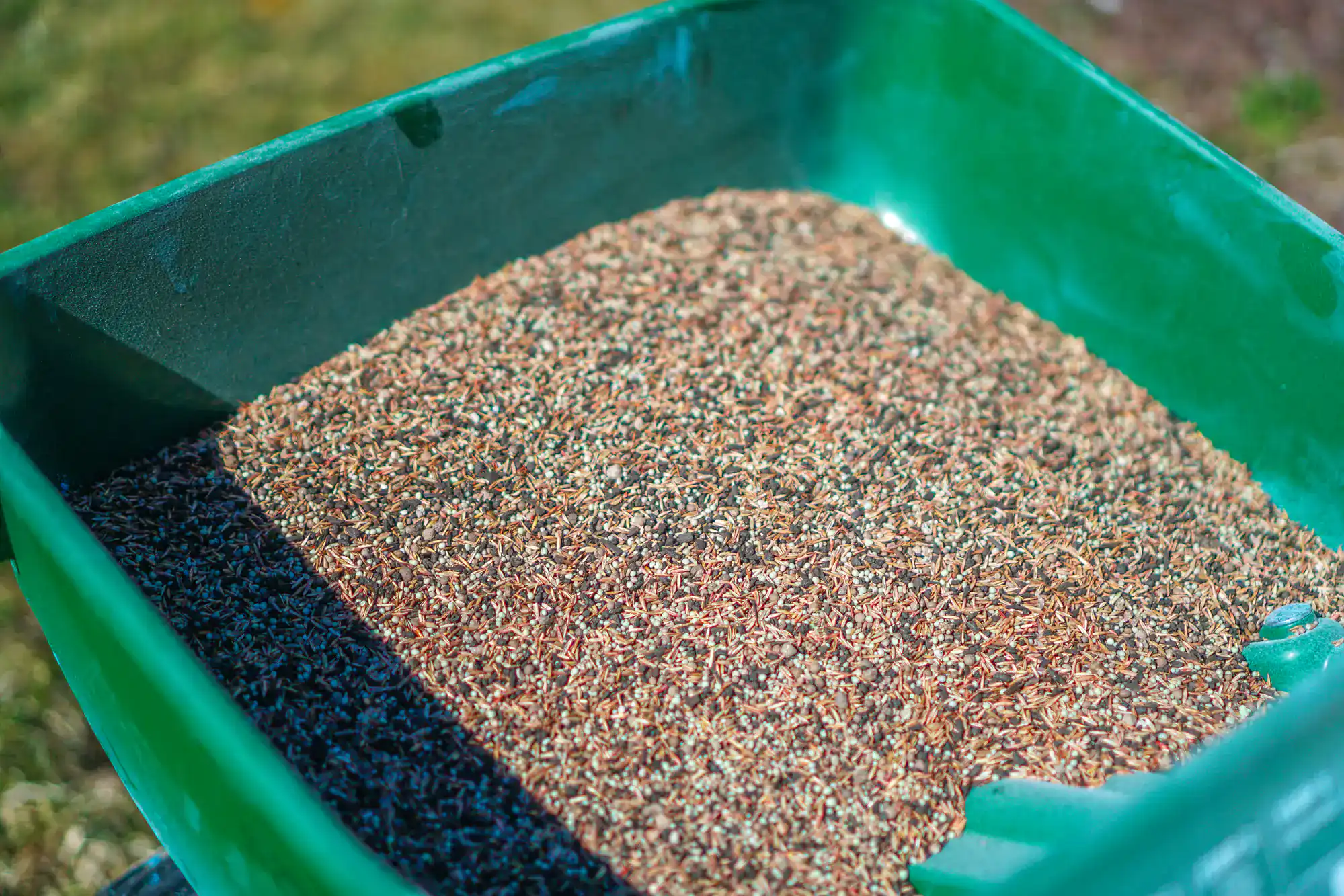
From there, we build a custom-tailored application plan using a fertilizer blended specifically for Lawn Master not a generic commercial product sourced from a warehouse. This matters on Long Island because Haven Loam, the predominant soil type throughout Nesconset and the broader Smithtown area, drains quickly and leaches nutrients faster than heavier soils. The formulation is calibrated for that. Applications are timed around the cool-season grass calendar that governs Long Island lawns: early spring when soil temperatures hit 55°F, through the critical fall window in September when cool-season grasses make their strongest push before dormancy. Suffolk County law prohibits fertilization between November 1st and April 1st a blackout period we follow precisely, and one that unlicensed operators frequently ignore.
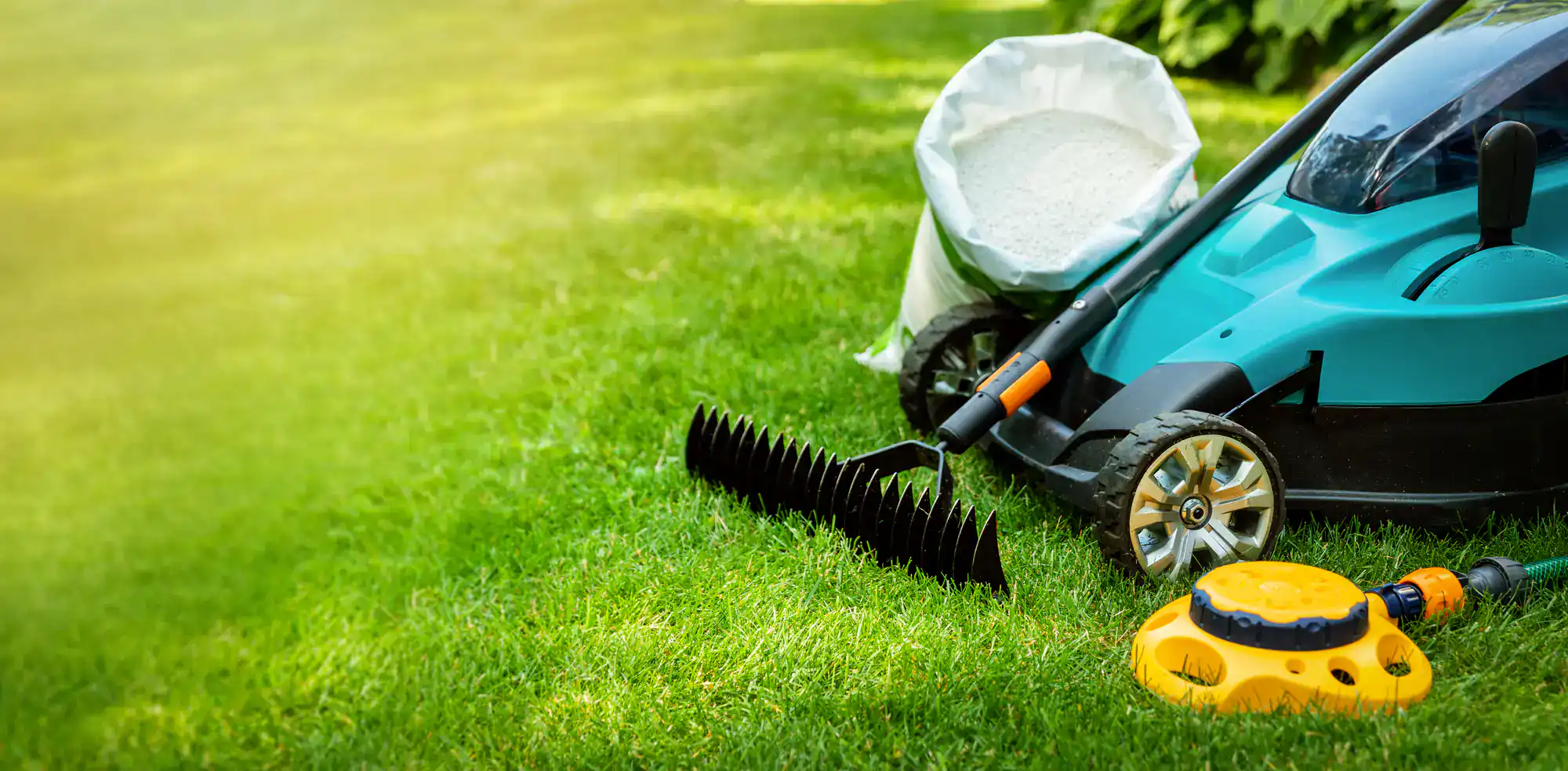
If your lawn needs more than fertilization core aeration, overseeding, or a full renovation we handle that too, using hydraulic aerators and seeders that go deeper and produce better results than the equipment most local operators bring to the job.
Ready to get started?
Our fertilization programs cover the full seasonal cycle that Long Island’s cool-season turf requires from pre-emergent crabgrass control in early spring through the fall applications that build root reserves before the ground hardens. Crabgrass and nutsedge are the two most persistent weed problems in Nesconset, and both require specific timing and product knowledge to control effectively. Generic programs miss this. We don’t.
For lawns on the older end of Nesconset’s housing stock the Ranches and Colonials built in the 50s and 60s with mature trees and decades of compaction core aeration is often the turning point. Our hydraulic aerators pull deeper plugs than standard equipment, opening the soil so water, air, and nutrients can actually reach the root zone. Paired with the custom-blended fertilizer and properly timed overseeding, this is where real transformation happens.
When a lawn is too far gone for treatment alone, we offer complete lawn restoration and new lawn installation from seed. If you’ve been staring at a struggling lawn on your Nesconset property and wondering if it can actually be fixed the answer is usually yes, but it takes the right assessment, the right equipment, and someone who knows what Long Island soil responds to. That’s what 37 years in Suffolk County gets you.
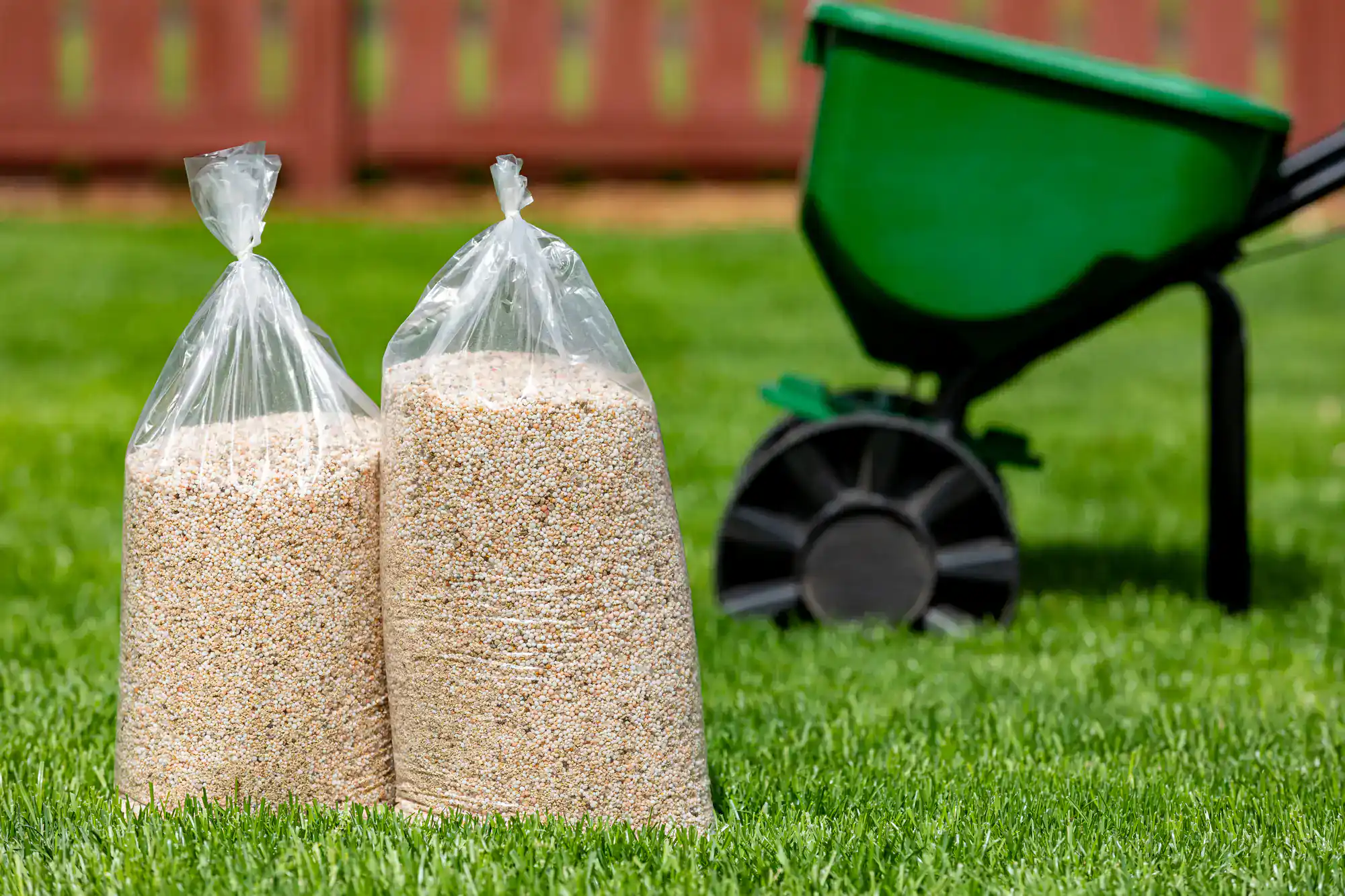
The most important window for Nesconset lawns is early fall specifically around September, before the ground cools and cool-season grasses begin heading into dormancy. This is when tall fescue, Kentucky bluegrass, and perennial ryegrass the grass types that dominate Long Island lawns are actively building root reserves for winter. A well-timed fall application has more impact on how your lawn looks the following spring than almost anything else you can do.
Spring fertilization typically begins in mid-April on Long Island, once soil temperatures reach around 55°F. Going earlier than that wastes product and can actually stress the lawn. Pre-emergent crabgrass control needs to go down before that soil temperature threshold, so timing in spring requires attention to both. Suffolk County law also prohibits any fertilization between November 1st and April 1st a $1,000 fine applies to violations so the calendar here is tighter than in other parts of New York.
The most common reason is the soil itself. Nesconset sits on Haven Loam Suffolk County’s predominant residential soil type, which has a sandy component that drains quickly and leaches nutrients faster than clay-heavy soils found elsewhere. When you apply a standard off-the-shelf fertilizer, a significant portion of it moves through the root zone before the grass can absorb it. The result is disappointing color, thin density, and the feeling that nothing is working even when you’re doing everything the bag says.
The second factor is compaction. Homes in Nesconset were mostly built in the 1950s and 60s, and those lawns have been walked on, mowed, and frozen and thawed for six decades. Compacted soil physically prevents nutrients, water, and air from reaching the root zone regardless of what you put on top. If your lawn has been fertilized consistently but still looks weak, compaction is often the real issue and that requires core aeration, not more fertilizer.
Yes, and they’re stricter than most homeowners realize. Suffolk County prohibits the application of fertilizer between November 1st and April 1st this is a hard blackout period with a $1,000 fine for violations. The law exists because Suffolk County’s sole-source aquifer supplies drinking water to the entire county, and fertilizer applied to dormant grass doesn’t get absorbed it runs off directly into the groundwater. Nesconset sits squarely within this regulatory zone.
There are also phosphorus restrictions that apply to commercial applicators throughout New York. Fertilizers containing more than 0.67% phosphorus can only be used when establishing a new lawn or when a soil test specifically indicates it’s necessary. Licensed applicators like our team are required to follow these rules and carry the knowledge to apply them correctly. Unlicensed operators often don’t which is one reason hiring a certified professional matters beyond just getting a better-looking lawn.
A standard five-step program applies the same products on the same schedule to every lawn in the service area. It’s designed for efficiency, not results. The problem is that no two lawns in Nesconset are identical one property has full sun and sandy topsoil near the curb, another has heavy shade under a 60-year-old oak with compacted soil from decades of foot traffic. A program that treats them the same will underperform on both.
A custom-tailored program starts with what your specific lawn needs the grass type, the sun and shade map, the soil condition, the weed pressure, and the history of the property. From there, the application schedule, product selection, and timing are built around those actual conditions. For Nesconset homeowners with mature trees, older housing stock, and the fast-draining soils that come with Long Island’s sandy geology, that kind of specificity produces results that a generic program simply can’t match.
A few signs point clearly toward aeration. If water pools on your lawn after rain instead of soaking in, if the turf feels hard or spongy underfoot, or if you have persistent thin or bare patches that don’t respond to fertilization, compaction is likely the issue. For most Nesconset properties where the housing stock is 60 to 70 years old and the lots have been in continuous use since the 1950s some degree of compaction is almost a given. It’s not a reflection of neglect; it’s just what happens to soil over time.
Overseeding becomes necessary when the turf density has dropped to the point where fertilization alone can’t fill it back in. If your lawn has areas where you can see soil through the grass, or where the coverage is thin enough that weeds are moving in easily, overseeding after aeration is the most effective path forward. The best window for this in Nesconset is mid-August through late September cool enough for seed germination but warm enough for establishment before winter.
In Suffolk County, this question carries more weight than it does in most places. Your lawn drains into the same aquifer that supplies your drinking water there’s no municipal filtration system between what gets applied to your grass and what comes out of your tap. New York State requires NYSDEC commercial pesticide applicator certification for any business applying pesticides for hire, and that certification involves passing multiple exams and completing continuing education every three years. It’s not a formality; it’s a meaningful standard.
Beyond the regulatory piece, there’s a practical one. Licensed applicators know the Suffolk County fertilizer blackout period, the phosphorus restrictions, and the Neighbor Notification Law that requires advance notice to adjacent properties before certain spray applications. They also know when and how to apply products safely around children and pets a real concern for the families in Nesconset’s school district community. An unlicensed operator who skips these steps isn’t just cutting corners on paperwork. They’re taking on risk that lands on your property, your groundwater, and your family.
Useful Links
Other Services we provide in Nesconset