
Hear from Our Customers
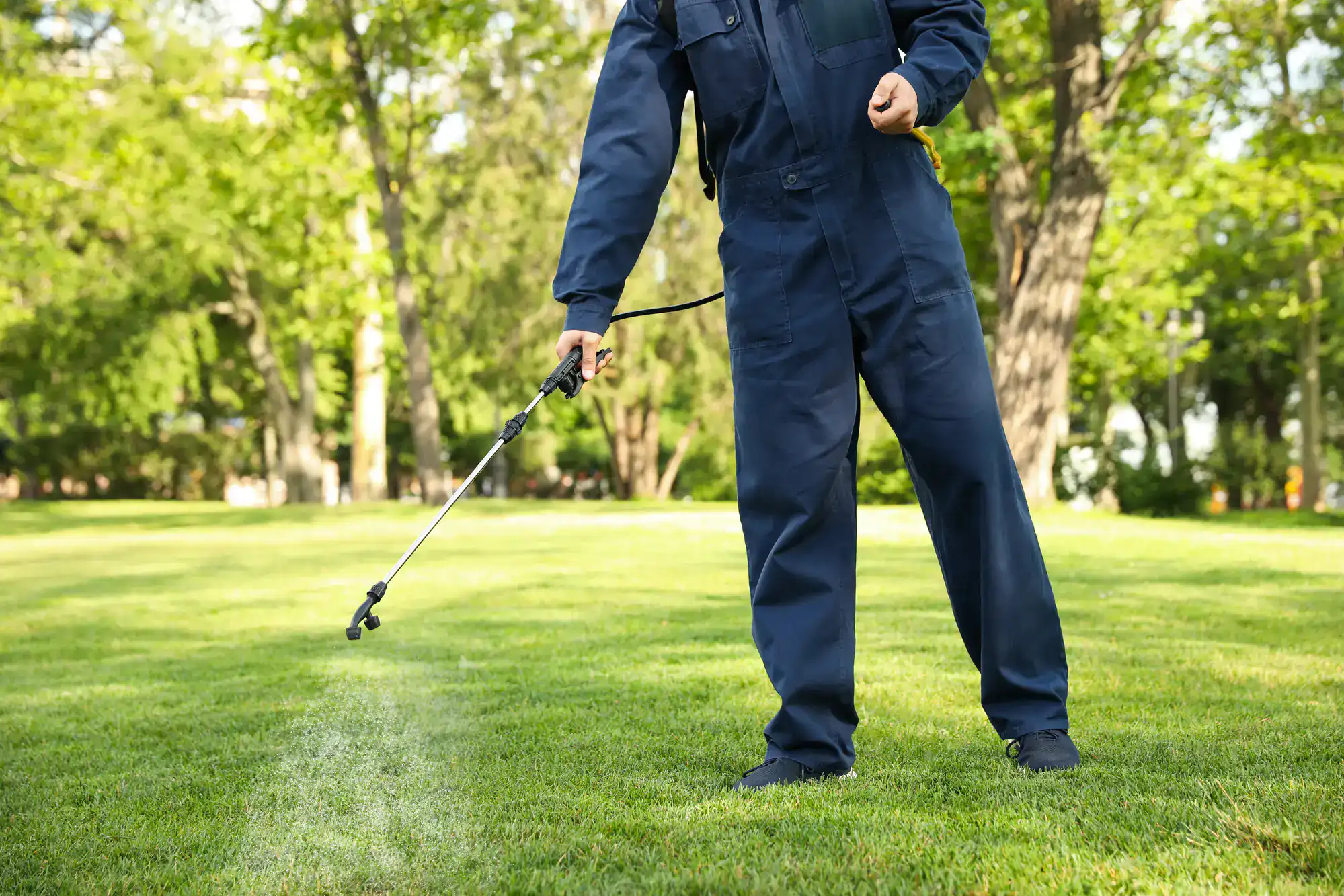
Most lawns in Commack aren’t struggling because of bad grass they’re struggling because of decades of compaction, inconsistent treatment, and programs that were never built for this soil. The housing stock here was put in the ground between the 1950s and 1980s, which means a lot of these lawns have 40 or 50 years of accumulated issues underneath the surface. Thatch, compaction, pH drift, grub damage it adds up. A program that actually addresses those layers is going to look completely different from a six-step national chain plan.
When your lawn is on the right program, the results aren’t subtle. You get thicker turf that holds color through the summer heat, fewer bare patches, and weeds that stop coming back because the grass is finally dense enough to crowd them out. For Commack homeowners whose property values are tied directly to the reputation of the school district and the appearance of the neighborhood, a well-maintained lawn isn’t just aesthetic it’s part of protecting what you’ve invested in.
Suffolk County soil also has specific drainage characteristics that cause nutrients to leach out faster than in other parts of the country. That means timing and product quality matter more here than almost anywhere else. A custom-blended fertilizer calibrated for Long Island soil, applied at the right point in the season, does more in one visit than a generic product does in three.
We’ve been treating lawns across Suffolk County since 1987, and Commack has been at the center of that work for nearly four decades. That’s not a tagline it’s a track record you can verify. Long before most of today’s national chains had a single truck on Long Island, we were learning how local soil behaves, when grub pressure peaks, and what cool-season grasses actually need to survive a Long Island summer.
Every technician on our crew is a licensed NYS DEC pesticide applicator. That’s a state requirement in New York, but it’s one a surprising number of operators quietly ignore. When one of our five fully wrapped, professionally branded vehicles shows up at your Commack property, the person stepping out is credentialed, accountable, and backed by nearly four decades of local experience.
From the established neighborhoods near Hoyt Farm Nature Preserve to the family-oriented streets of Commack Northeast, we know the lawns in this community and the specific challenges they face. We build programs around that knowledge.
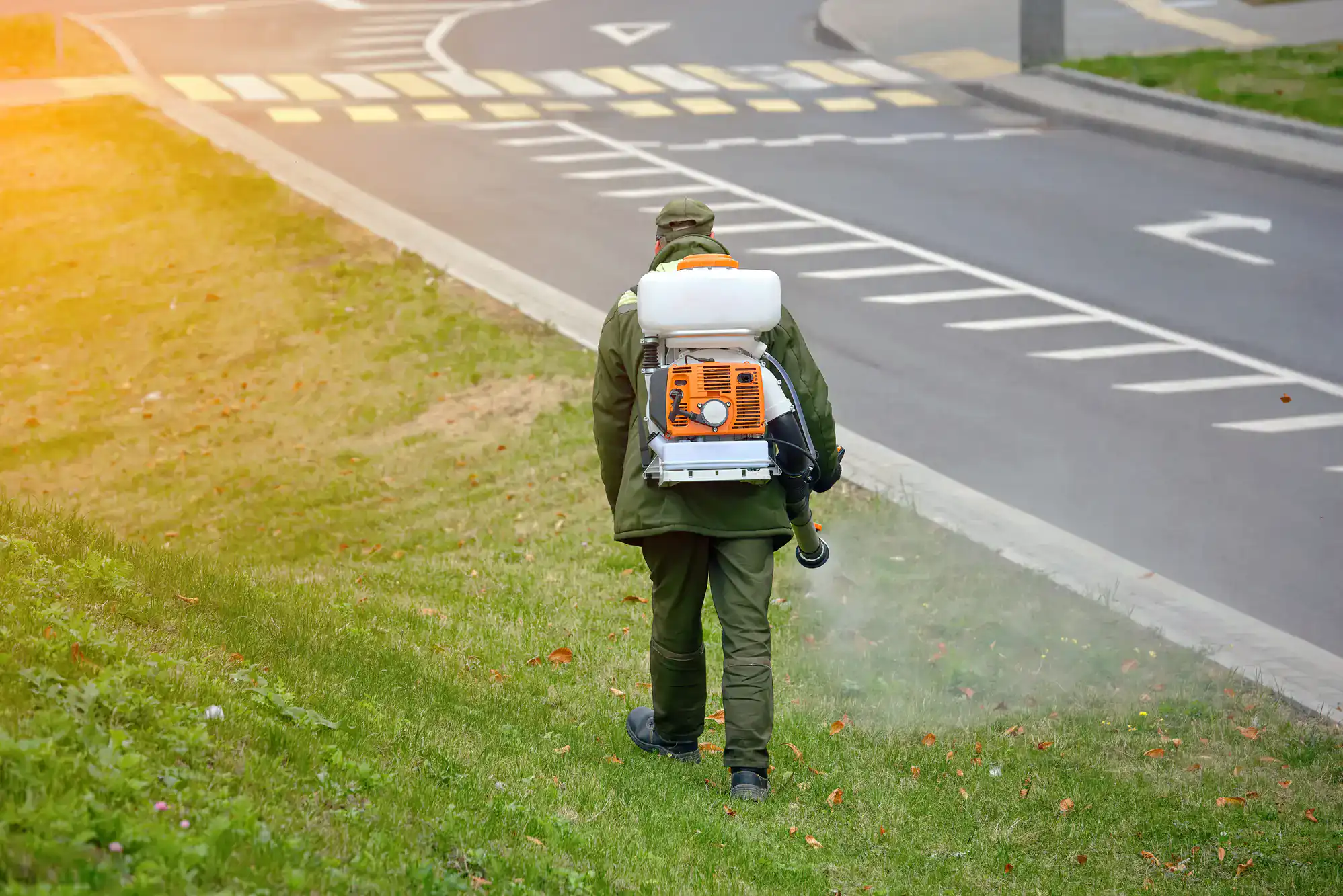
It starts with an honest look at what you’re actually working with. Soil compaction, grass type, shade coverage, drainage patterns, the history of what’s been applied before all of it factors into what your lawn needs. Commack’s mature housing stock means most properties have some combination of compaction and thatch that needs to be addressed before any fertilization program can do its job properly. Skipping that step is why so many generic programs produce mediocre results year after year.
From there, we build a treatment schedule around your specific lawn and Suffolk County’s seasonal calendar. Pre-emergent crabgrass control goes down before soil temperatures hit 55°F in mid-April miss that window and you’re managing crabgrass all summer. Summer applications are timed carefully to avoid stressing cool-season grasses during Commack’s humid July and August heat. Fall is the power season: core aeration with hydraulic equipment, overseeding, and fertilization that sets the lawn up for the following year.
It’s also worth knowing that Suffolk County Local Law 41-2007 prohibits fertilizer applications from November 1 through April 1. Our entire program is structured around that requirement it’s built into the calendar, not treated as an afterthought. You won’t get a call in December asking if you want a winter application.
Ready to get started?
Our programs cover the full range of what a Commack lawn needs across a season: fertilization with a proprietary blend made specifically for Long Island soil, targeted weed control, grub prevention timed to the Japanese beetle life cycle, and core aeration with hydraulic equipment that pulls deeper cores than the consumer-grade units most operators use. If your lawn has nutsedge or bentgrass two of the most stubborn and common problem species on Long Island those get addressed with targeted treatment that standard programs don’t include.
For lawns that are past the point of maintenance and need real restoration, we handle that too. Full lawn renovation, overseeding of thinned or damaged areas, and complete new lawn installation from seed are all part of what we offer. Given how many Commack properties have lawns that have been patched, neglected, or treated inconsistently for decades, that capability matters.
Every program is built around your specific property sun exposure, soil condition, grass type, and what’s been done before. Commack’s dual-town geography means some properties sit in the Town of Huntington and others in the Town of Smithtown, but the soil conditions and seasonal pressures are consistent across the community, and our programs are calibrated for exactly that environment. If you want to pay online when an invoice comes through, that option is available too no phone tag required.
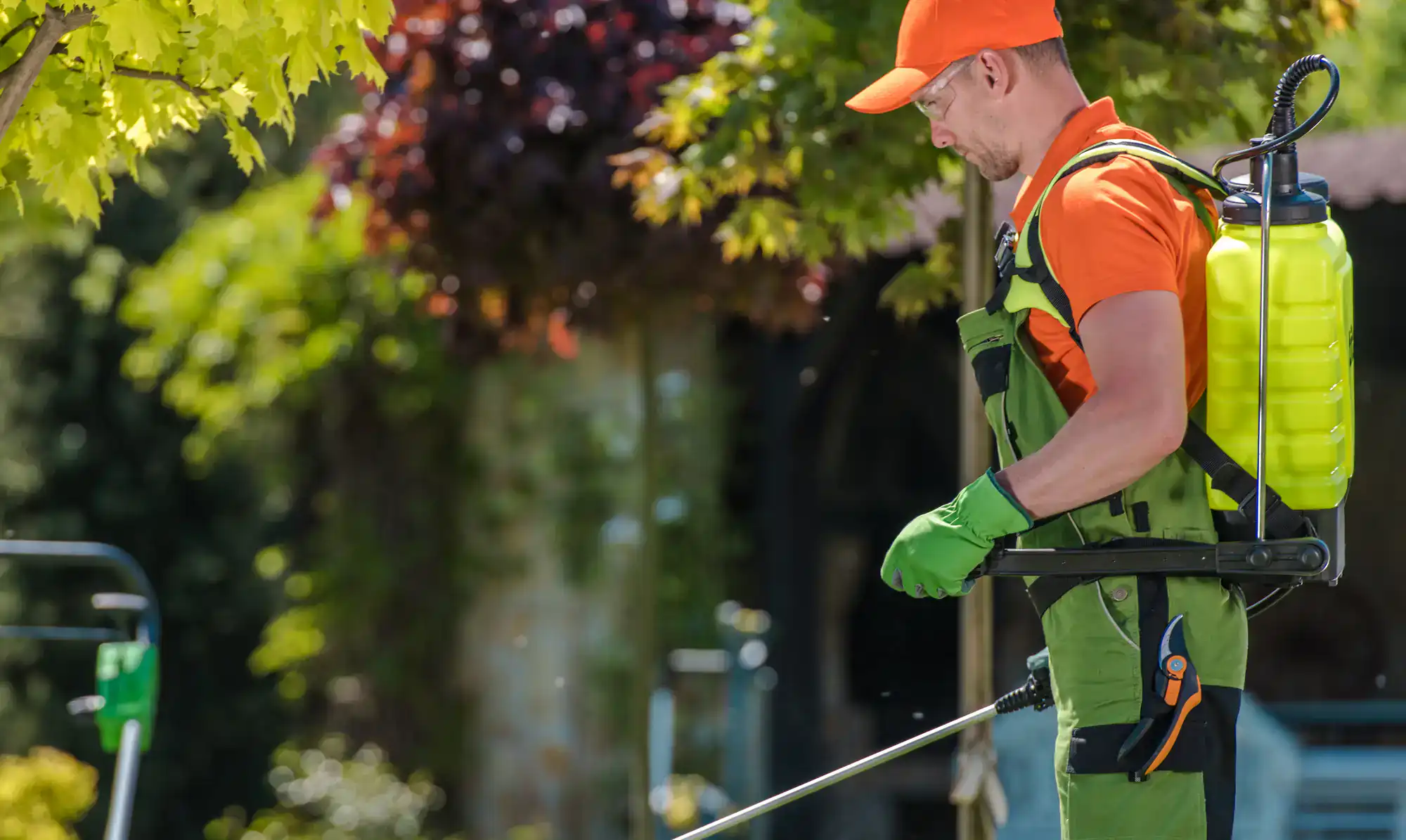
The most effective fertilization windows for Commack lawns are spring and fall. In spring, you’re looking at mid-April onward once soil temperatures reach around 55°F and cool-season grasses start actively growing. That’s also the window for pre-emergent crabgrass control, which has to go down before that temperature threshold, not after. Miss it by a week and you’re reacting to crabgrass instead of preventing it.
Fall is actually the more important season for most Commack lawns. Cool-season grasses like tall fescue and Kentucky bluegrass the dominant types in this area recover from summer stress and grow vigorously in September and October. Fertilizing and aerating in fall builds root depth and density that carries through the following year. It’s the single highest-return investment in the lawn care calendar.
One hard rule in Suffolk County: no fertilizer applications from November 1 through April 1. That’s Local Law 41-2007, and it exists because Long Island’s drinking water comes entirely from groundwater. Nutrients applied to dormant turf don’t get absorbed they leach straight into the aquifer. Our program calendar is built around this requirement from the start.
The core difference is that we’re an independent, owner-operated company that has been working in Commack and across Suffolk County since 1987 not a franchise applying a national template to your lawn. Lawn Doctor of The North Shore is the most visible franchise competitor in Commack-specific search results, and TruGreen operates across Long Island as well. Both run programs designed to be scalable across hundreds of markets. That scalability is exactly what limits them the fertilizer they apply in Commack is the same product they apply in markets with completely different soil chemistry and climate patterns.
We use a custom-blended fertilizer formulated specifically for Long Island soil. That’s not a marketing claim it’s a product that doesn’t exist anywhere else and was developed to address the specific drainage and nutrient-retention characteristics of Suffolk County soil. Combined with NYS DEC-licensed applicators on every visit, hydraulic aeration equipment, and nearly four decades of local knowledge, our program is built for this place specifically.
If you’ve been with a national chain and felt like your lawn was just another stop on a route, that’s a structural issue with how those businesses operate not a reflection of what professional lawn care can actually deliver.
If your lawn has been in the ground for more than a few years and hasn’t been professionally aerated, it almost certainly needs it. Commack’s housing stock was built primarily between the 1950s and 1980s, which means most lawns in the community have decades of foot traffic, equipment weight, and natural settling compressing the soil profile. Compacted soil blocks water, air, and nutrients from reaching the root zone so even a well-timed fertilizer application underperforms when the soil is too dense to absorb it.
The signs are usually visible: water that puddles instead of soaking in, grass that feels hard underfoot, thin or patchy turf that doesn’t respond to treatment. You might also notice the lawn looking worn in high-traffic areas around play equipment, along walking paths, near the driveway.
Core aeration is most effective in fall, which aligns with Commack’s power growth window for cool-season grasses. We use hydraulic core aerators professional-grade equipment that pulls deeper, more consistent plugs than the walk-behind units most operators rent or own. When paired with overseeding in September or October, the results are significantly more visible than aeration alone.
There are a few common culprits, and the one most people overlook is grub damage. Japanese beetle larvae feed on grass roots in late summer and fall, and by the time the dead patches are visible, the damage is already done. The affected areas feel spongy underfoot and sometimes get worse quickly because wildlife skunks, raccoons, birds dig into the turf looking for the grubs. This is a well-documented problem throughout Suffolk County, and Commack’s dense, mature lawns are particularly attractive to Japanese beetles during their egg-laying cycle.
Beyond grubs, brown patches in Commack lawns during July and August are often a combination of summer heat stress and fungal disease. Cool-season grasses slow their growth and go semi-dormant in the heat, and the humidity that comes with Long Island summers creates conditions for dollar spot and brown patch to develop especially if nitrogen was applied too aggressively during that period.
Getting the diagnosis right matters before you treat. Applying grub control after the damage is visible doesn’t reverse it it prevents next year’s cycle. We assess the cause before recommending a course of action, which is a different approach than applying a standard program and hoping it addresses the underlying issue.
Yes and it’s a more common situation in Commack than most homeowners realize. When a community’s housing stock is 40 to 60 years old, the lawns reflect that history. Inconsistent treatment, years of compaction, previous pest damage, thatch that was never properly managed, and the encroachment of problem weeds like nutsedge these issues accumulate over time and eventually reach a point where a standard maintenance program won’t move the needle.
We offer full lawn restoration for properties in that condition. Depending on what the lawn actually needs, that might mean deep aeration, targeted removal of problem weeds or invasive grass species like bentgrass, overseeding with the right cool-season mix for your sun and soil conditions, and a structured fertilization program to establish new growth. For lawns that are too far gone to restore incrementally, complete new lawn installation from seed is also available.
The honest answer is that most neglected lawns in Commack can be brought back it just takes a realistic assessment of where you’re starting from and a program that addresses the actual problems rather than masking them.
Pricing depends on the size of your property and what the lawn actually needs a standard treatment program for a typical Commack lot is going to look different from a full restoration on a larger property with significant compaction and weed pressure. That said, most homeowners in Commack who are comparing professional lawn care to what they’ve been spending on DIY products and time are often surprised by how close the numbers are once you factor in the full picture.
What you’re paying for with a professional program isn’t just product it’s licensed applicators, commercial-grade equipment, custom fertilizer that isn’t available at any garden center, and a treatment calendar that’s built around Suffolk County’s actual regulatory and seasonal requirements. Commack’s median home values are in the $700,000 to $800,000 range. A lawn that’s visibly well-maintained contributes to that value in a real way, particularly in a community where the school district’s reputation and neighborhood appearance are directly tied to property desirability.
We provide straightforward quotes based on a property assessment no vague estimates or upsells built into the initial conversation. If you want to know what a program costs for your specific lawn, the fastest way to find out is to reach out directly.
Useful Links
Other Services we provide in Commack