
Hear from Our Customers
Living near the Great South Bay means your family is outdoors constantly kayaking on Browns River, hiking the trails at Roosevelt Estate County Park, letting the dog run at Bayport Beach. That’s the whole point of living here. But ticks don’t stay in the park. They ride in on deer moving through the neighborhood, on small mammals along the waterfront edges, and straight into your backyard without any invitation.
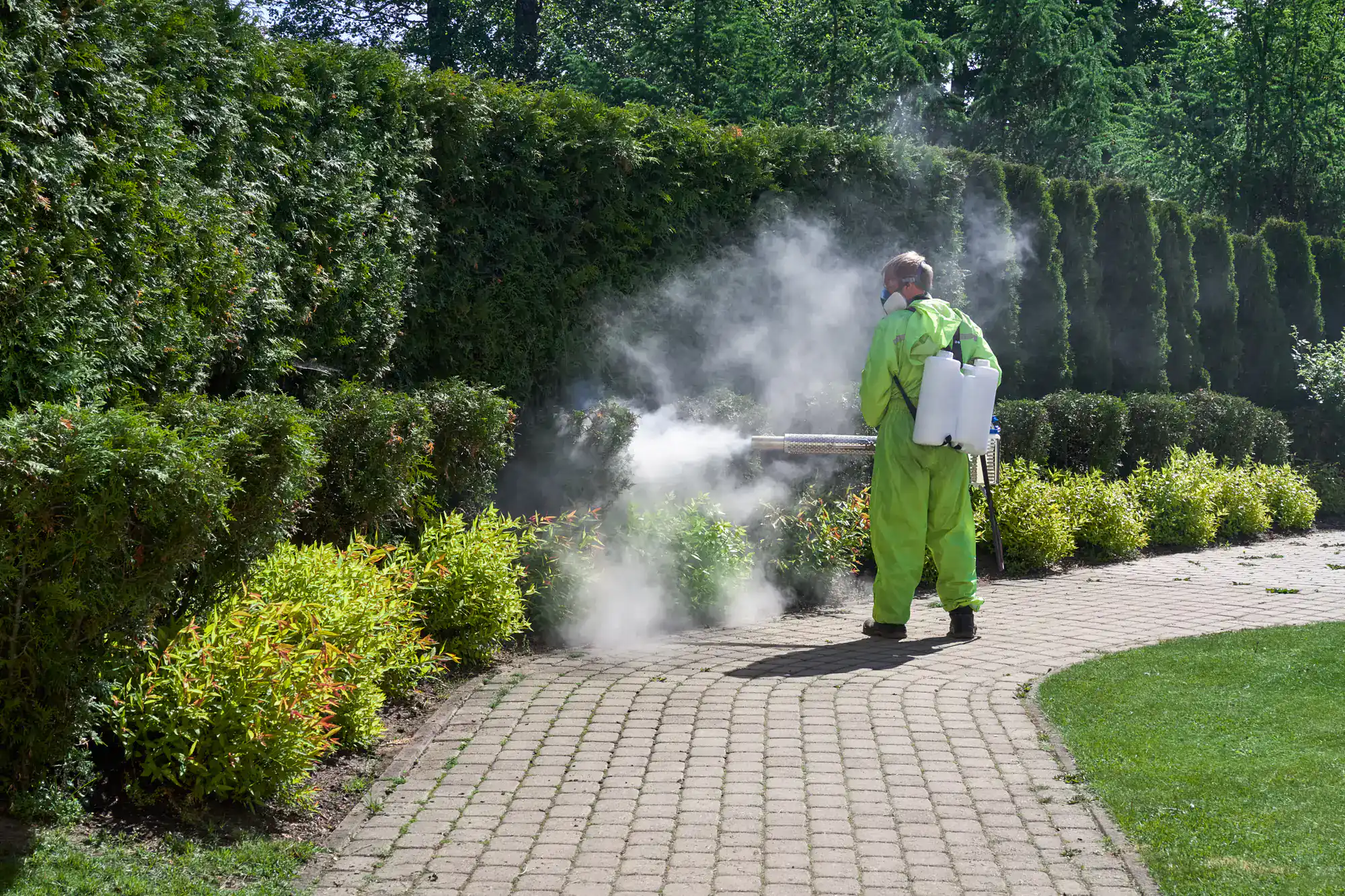
Professional flea and tick treatment creates a real barrier not just around the lawn’s edge, but in the transition zones where ticks actually live. We focus on the wooded borders, the ornamental beds, the shaded areas under your deck those are the spots that matter most, and those are exactly where treatment needs to happen. A properly treated yard in Bayport means your kids can play outside again, your dog can run without you spending the next hour checking for ticks, and your backyard actually functions the way you intended it to.
Bayport’s coastal climate also works against you here. The humidity off the Great South Bay keeps the ground moist longer than inland towns, and that’s the kind of environment ticks thrive in. Mild winters on the south shore mean tick season can start earlier and end later than most people expect. Getting ahead of it before nymphal tick populations peak in late spring is the difference between a season you enjoy and one you spend worrying.
We’ve been treating Suffolk County properties since 1987. That’s not a number thrown out to sound impressive it means the people working on your Bayport lawn have seen Long Island’s tick seasons change, watched pest pressure increase along the south shore, and built programs around what actually works here, not what looks good in a brochure.
Every job is handled by a licensed pesticide professional someone certified by the New York State Department of Environmental Conservation to apply the products being used on your property. That matters more than most homeowners realize, especially in a community like Bayport where children and pets are regularly in the yard and the properties themselves represent serious investment. You’re not getting a seasonal hire or a labor-only crew. You’re getting someone who is accountable for the result.
We operate out of Suffolk County and serve the south shore communities of the Town of Islip including Bayport, Blue Point, Sayville, and the surrounding area with the same standard on every property, every visit.
It starts with understanding your specific property. A Bayport home south of Middle Road on a mature, larger lot with wooded borders and bay-adjacent landscaping has a completely different risk profile than a newer ranch-style home further north. Before any product is applied, we assess the conditions of your yard deer pressure, shaded zones, ornamental beds, areas near fence lines, proximity to tidal waterways so the treatment targets the right places.
From there, the program runs on a seasonal schedule built around Long Island’s actual tick calendar. Spring treatment begins in early April, timed to get ahead of the nymphal tick population before it peaks in May and June. Nymphal ticks are the size of a poppy seed they’re nearly impossible to spot before they bite, and they carry Lyme disease at the same rate as adult ticks. Summer applications continue every three to four weeks through the height of the season. A fall treatment addresses the surge in adult deer tick activity that typically runs September through November, and on Bayport’s coastal south shore, that window can stretch later than most homeowners expect.
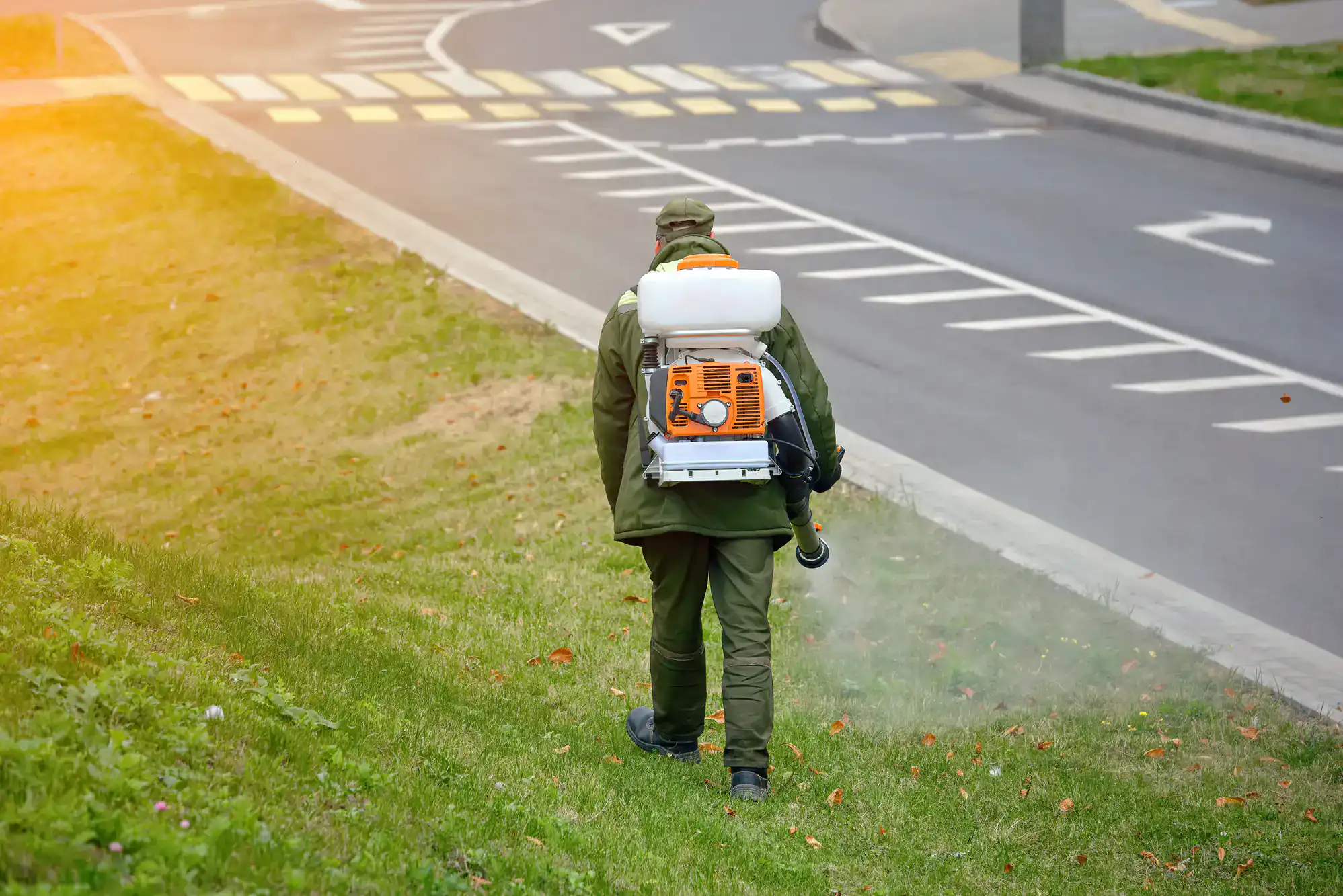
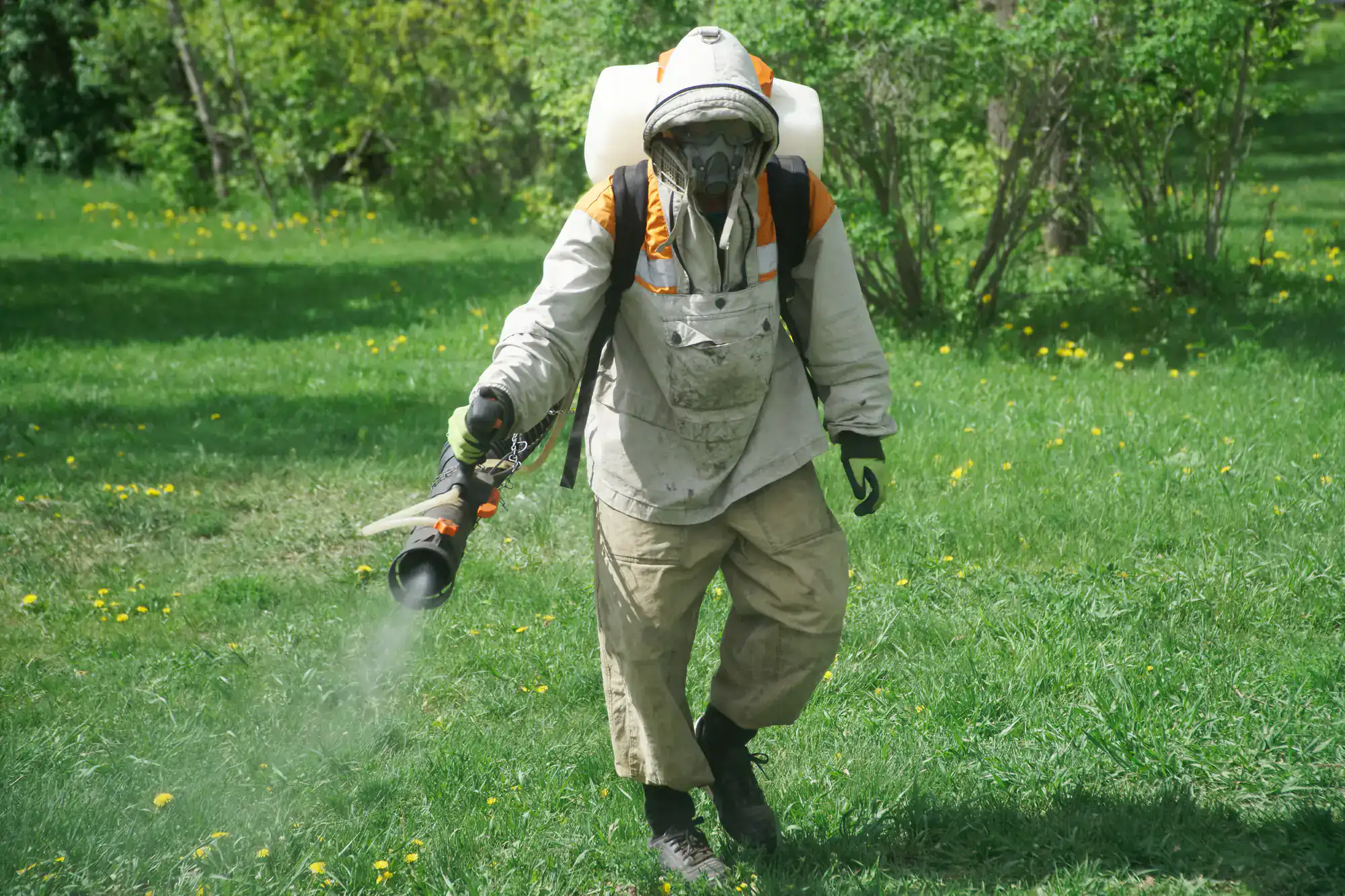
Each application focuses on the harborage zones the brushy edges, the transition areas between lawn and landscaping, the shaded spots where ticks wait for a host to pass. After the product dries, typically within 30 to 60 minutes, the yard is safe for your family and pets. You’ll receive seasonal reminders so nothing gets missed, and payment is handled online no paperwork, no chasing invoices.
Ready to get started?
Bayport sits at the intersection of several tick risk factors that don’t exist in inland Suffolk County towns. The Great South Bay waterfront, the Browns River corridor, the wooded trails at Roosevelt Estate County Park these aren’t distant threats. They’re part of daily life here, and they’re connected to your backyard by the same deer, rabbits, and small mammals that move freely through south shore neighborhoods year-round. Three tick species are documented on Long Island deer ticks, American dog ticks, and lone star ticks and all three are active in this area.
Flea control is handled with the same level of attention. Pets that access the waterfront, the parks, or even a neighbor’s yard can bring fleas home, and once they establish indoors in Bayport’s owner-occupied housing stock, they can persist year-round in heated homes. We apply professional-grade flea treatment for your yard that includes insect growth regulators products that break the flea life cycle in ways that store-bought concentrations don’t include at effective levels, which is why DIY treatments tend to fall short.
What makes us different from the pest-control-only companies serving Bayport is the integrated approach. Thatch buildup, moisture retention, and overgrown borders aren’t just lawn problems they’re the conditions that make your yard more hospitable to ticks and fleas in the first place. When your lawn is properly maintained and your pest program is managed by the same licensed professionals, you’re addressing the problem and the environment that feeds it.
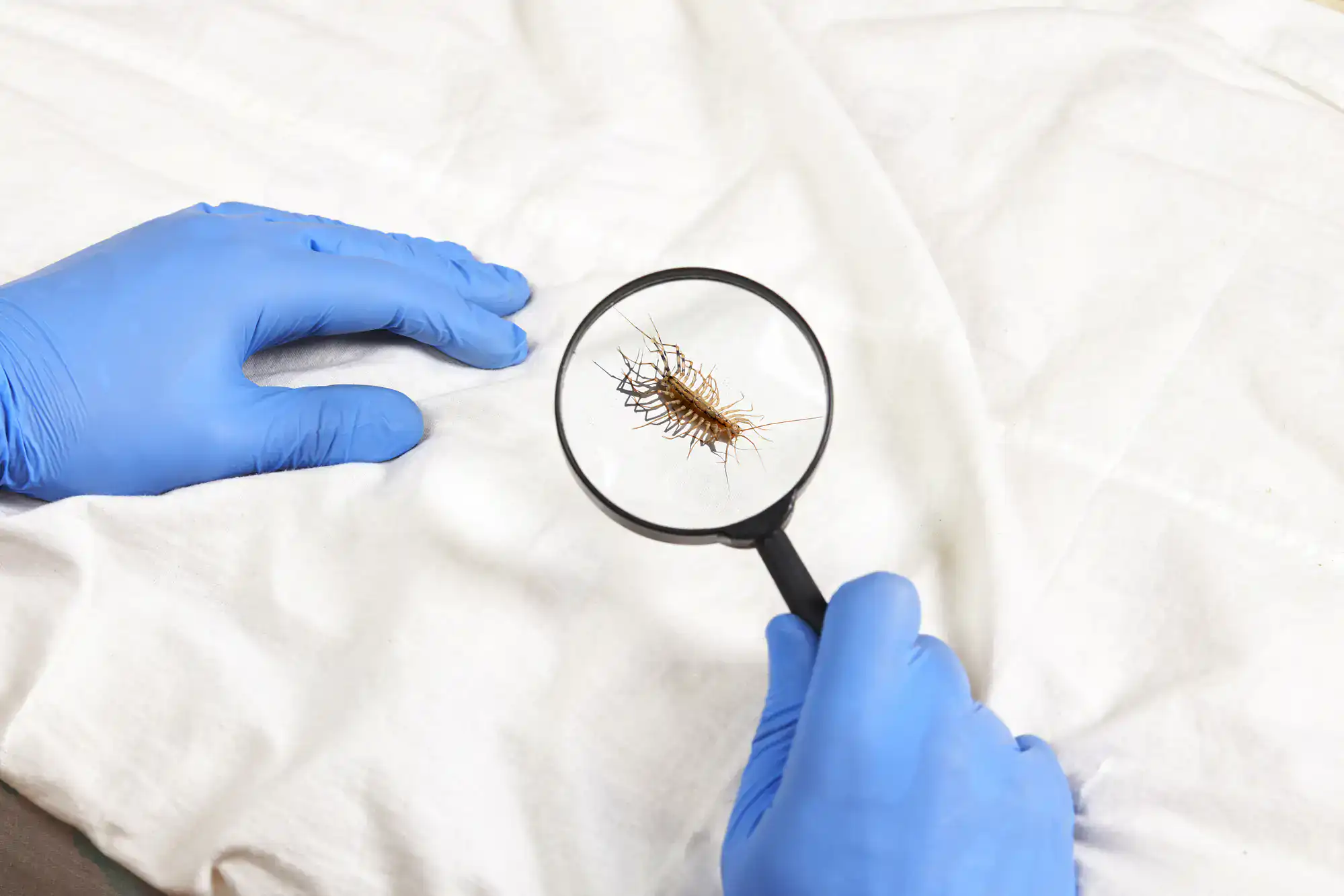
For most Bayport properties, a seasonal program with applications every three to four weeks during peak season gives you the most consistent protection. A single spray doesn’t hold up for an entire season tick treatments typically provide four to six weeks of residual control under normal conditions, and Bayport’s coastal humidity can shorten that window compared to drier, inland properties.
The standard program we recommend runs from early April through October, with a spring kickoff before nymphal tick populations peak, regular summer maintenance, and a fall application to address the adult deer tick surge in September and November. Because Bayport’s south shore climate is moderated by the Great South Bay, the active tick season here tends to start earlier and end later than inland Suffolk County towns so starting treatment in late March during a warm year isn’t unusual. Staying on schedule is what separates a program that works from one that leaves gaps.
Yes when it’s applied correctly by a licensed professional. The concern most parents and pet owners have is understandable, but the risk calculation here is straightforward. The documented tick-borne disease burden in Suffolk County including Lyme disease, babesiosis, and anaplasmosis, all confirmed in local tick populations is a real and ongoing threat. A professionally managed, targeted application is a controlled risk with a defined re-entry window. An untreated yard in Bayport, where deer move through neighborhoods adjacent to Roosevelt Estate County Park and Browns River, is not a neutral choice.
After application, the treated areas are typically safe once the product has dried usually 30 to 60 minutes under normal conditions. We apply product to the harborage zones where ticks concentrate, not broadcast across every inch of your lawn. That targeted approach minimizes unnecessary exposure while addressing the areas where the actual risk exists. If you have specific concerns about a particular product or your pet’s sensitivities, that conversation happens before the first treatment, not after.
The concentration levels in consumer-grade products are lower than what licensed professionals are authorized to use that’s not a sales pitch, it’s a regulatory fact. But the bigger issue is usually the application itself. Fleas don’t live uniformly across your yard. They concentrate in shaded, humid areas under decks, along fence lines, in the thick border plantings that are common on older Bayport properties south of Middle Road. If you’re spraying the open lawn and missing those spots, you’re treating the wrong places.
The other factor most DIY treatments skip entirely is an insect growth regulator, or IGR. Adult fleas are only about 5% of the total flea population at any given time. The other 95% eggs, larvae, and pupae are in the environment, and they’re not affected by the same products that kill adults. An IGR breaks the reproductive cycle so the population can’t rebound after treatment. Without it, you kill what’s visible today and deal with the same problem again in three weeks. Our professional-grade flea treatment for your yard includes both the knockdown product and the IGR, which is why the results are different.
There are two distinct peak windows to know about. The first is May through June, when nymphal deer ticks are at their highest density. Nymphs are the size of a poppy seed most people never see them before they bite and they carry Lyme disease at the same rate as adult ticks. This is statistically the highest-risk period for tick-borne illness on Long Island, and it’s the window that catches the most people off guard because the ticks are nearly invisible.
The second peak runs September through November, when adult deer ticks surge. Adults are larger and easier to spot, but they’re also more aggressive and actively seeking a host before winter. On Bayport’s south shore, the maritime influence of the Great South Bay moderates temperatures enough that this fall window can extend later into November than in inland towns like Holbrook or Centereach. Suffolk County health officials believe tick-borne disease rates along the north and south shores may run higher than the state average. Starting your program in early April and maintaining it through October gives you coverage across both peaks.
It does, and it’s one of the reasons an integrated approach works better than pest control alone. Ticks don’t live in the middle of a well-maintained lawn they need moisture, shade, and the kind of organic debris that builds up in neglected turf. Thatch accumulation, overgrown borders, and unmaintained transition zones between your lawn and your landscaping are the conditions that make a yard hospitable to ticks in the first place. Address those conditions, and your pest treatments work better and last longer.
Fleas follow a similar logic. They concentrate in the humid, shaded microenvironments that are more common on properties with poor turf health under dense plantings, in areas where thatch has built up, along the shaded borders that are typical of older, larger-lot Bayport properties. Our approach combines licensed pest treatment with actual lawn health management, which means the yard conditions that attract pests are being addressed alongside the pest population itself. No pest-control-only company in Bayport offers that. They spray and leave. The underlying conditions stay the same.
If you live in Bayport, the short answer is that tick exposure is part of the local landscape not a possibility, but a documented reality. Suffolk County reports approximately 500 confirmed Lyme disease cases per year, with actual infection rates estimated to be several times higher due to underreporting. New York State recorded 19,052 Lyme cases in 2023, a 146% single-year increase. Bayport sits directly in the middle of this risk zone, bordered by the Great South Bay waterfront, the Browns River tidal corridor, and the wooded grounds of Roosevelt Estate County Park.
That said, risk does vary by property. Homes that back up to wooded edges, ornamental beds, or the brushy margins along Browns River carry higher baseline tick pressure than properties on more open, well-maintained lots. If deer are regularly moving through your yard which is common in south shore neighborhoods adjacent to the park and waterfront tick activity on your property will reflect that. The best way to know what you’re dealing with is to have a licensed professional assess your specific conditions. That assessment is the starting point for any program we put together, and it’s what separates a treatment that’s built for your yard from one that’s just applied to it.
Useful Links
Other Services we provide in Bayport