

Hear from Our Customers
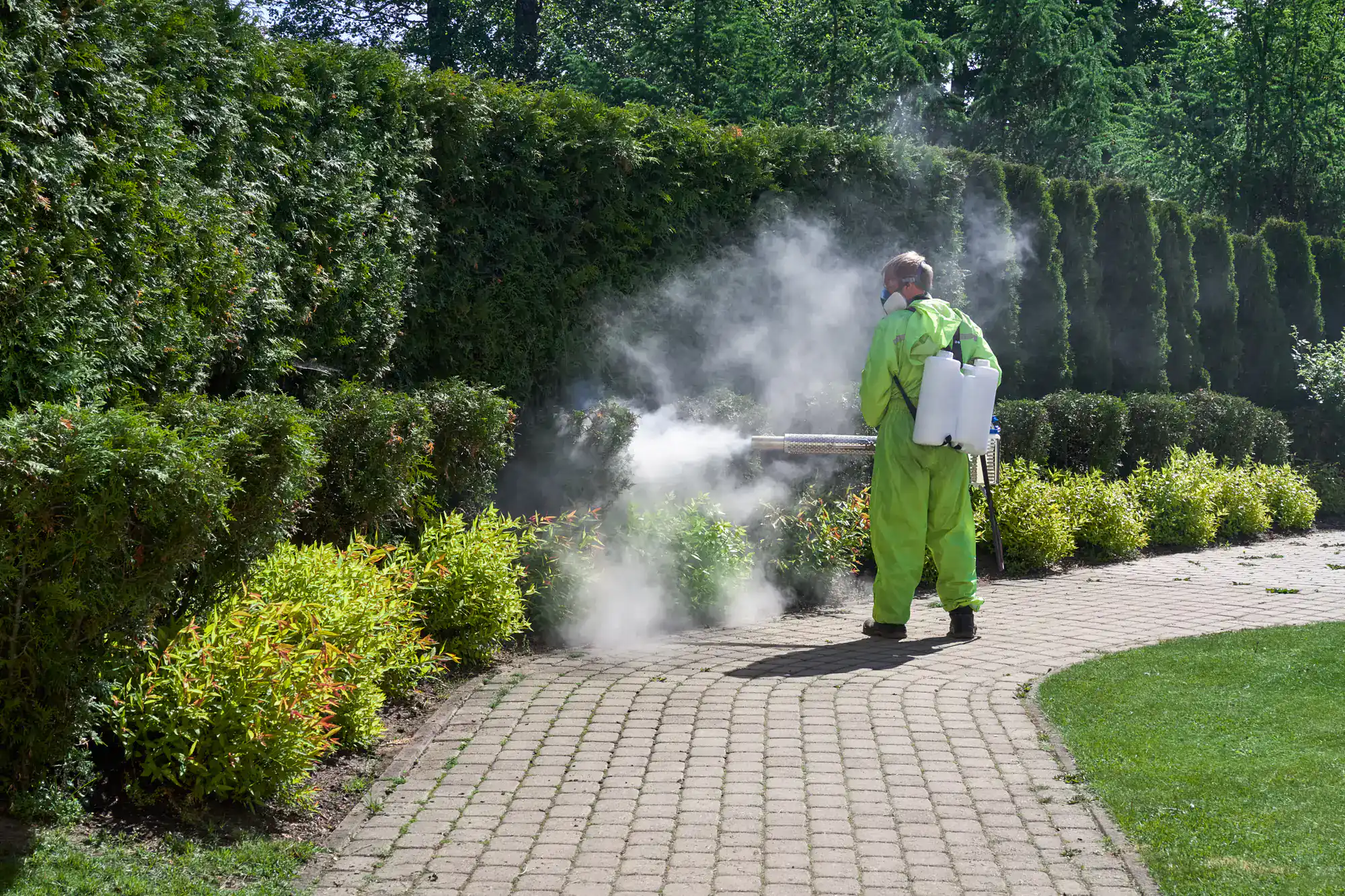
Tick season in Commack isn’t a few weeks in summer. It starts in late February when deer ticks become active on warm days, peaks in May and June when nymphal ticks are barely visible to the naked eye, and surges again in September through November. If you’re in Commack, you’re dealing with one of the longer and more active tick windows in the state and your yard is right in the middle of it.
Commack’s older housing stock most of it built in the 1960s and 1970s comes with mature trees, established shrub borders, and the kind of shaded, leaf-littered edges where ticks wait for a host. That’s not a knock on your property. It’s just the reality of living in an established neighborhood with real landscaping. The issue is that those wooded borders and ornamental beds are exactly where professional treatment needs to be focused, not just the open lawn.
When your yard is treated properly and on the right schedule, the difference is real. Your kids can use the backyard. Your dog can run without you pulling ticks off an hour later. You stop dreading the morning after a weekend in the yard. That’s what a well-run seasonal program actually delivers not just a spray and a hope.
We’ve been treating Suffolk County properties since 1987, which means we’ve worked through every tick season, every outbreak year, and every shift in Long Island’s pest pressure for nearly four decades. We know the deer corridors near Caleb Smith State Park. We know what Commack’s wooded lot borders look like in May when nymph season peaks. We know the difference between a yard that needs a maintenance program and one that needs a full reset.
Every technician who comes to your property is NYSDEC-licensed not just trained in-house, but certified by New York State to apply pesticides commercially. That’s a legal requirement, and it’s one that not every company in this market actually meets. Beyond the credentials, we build custom programs for each Commack property. Your yard near Hoyt Farm Nature Preserve is not the same as a property on a more open street in south Commack, and we don’t treat them the same way.
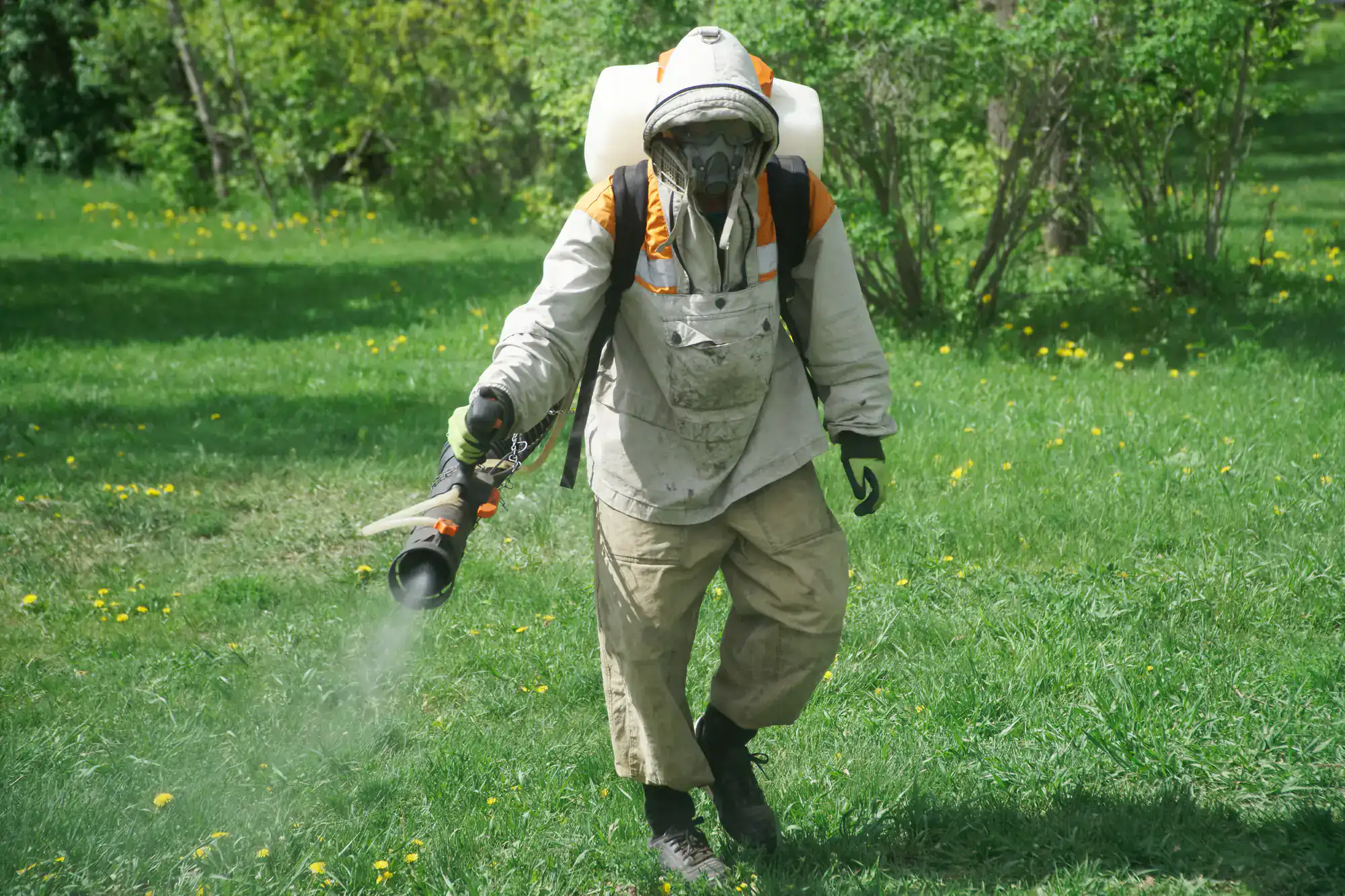
It starts with a property assessment. Before any product goes down, we look at your specific yard the wooded edges, the ornamental beds, the fence lines, the shaded areas where ticks actually live and wait. In Commack, that often means paying close attention to the transition zones between your lawn and any wooded borders, especially on properties adjacent to the corridors that connect to Hoyt Farm or the wooded stretches near the Sunken Meadow Parkway. That’s where the risk concentrates, and that’s where the treatment needs to be precise.
From there, we build your seasonal schedule. A proper program for a Commack property typically includes a spring kickoff in April before nymph season peaks, maintenance treatments every three to four weeks through summer, and a fall application in September or October to address the adult tick surge. Each visit targets the harborage zones not just the open turf using products applied by licensed professionals who know the difference between a targeted treatment and a blanket spray.
After each treatment, re-entry is typically safe within 30 to 60 minutes once the product has dried. We send reminders before each scheduled visit so you’re never caught off guard, and you can handle payment online without chasing down an invoice. The process is straightforward because it’s designed to fit into the schedule of someone who’s already busy.

Ready to get started?
Commack properties have a specific set of conditions that generic pest control programs aren’t built for. The median home here was built in 1964, which means mature landscaping, dense foundation plantings, and established wooded borders are the norm not the exception. Add in the deer pressure from Hoyt Farm Nature Preserve and the proximity to Caleb Smith State Park Preserve and Blydenburgh County Park, and you have a yard that needs a program designed around actual local risk, not a one-size-fits-all franchise package.
Our flea and tick control programs cover the full harborage zone: wooded edges, ornamental beds, shaded fence lines, ground cover, and the lawn perimeter where ticks drop off deer and wait for their next host. We treat for all three tick species active in this area the blacklegged deer tick, the American dog tick, and the lone star tick, which has become increasingly common across western Suffolk County. Flea treatment for the yard is included where needed, with targeted application to the areas where flea populations actually establish.
Because we handle full residential lawn care fertilization, aeration, overseeding your pest program isn’t operating in isolation. A properly maintained lawn produces less thatch, less moisture retention, and less overgrowth. Those are the exact conditions that reduce tick and flea habitat over time. That’s an advantage a dedicated spray-only company simply can’t offer.
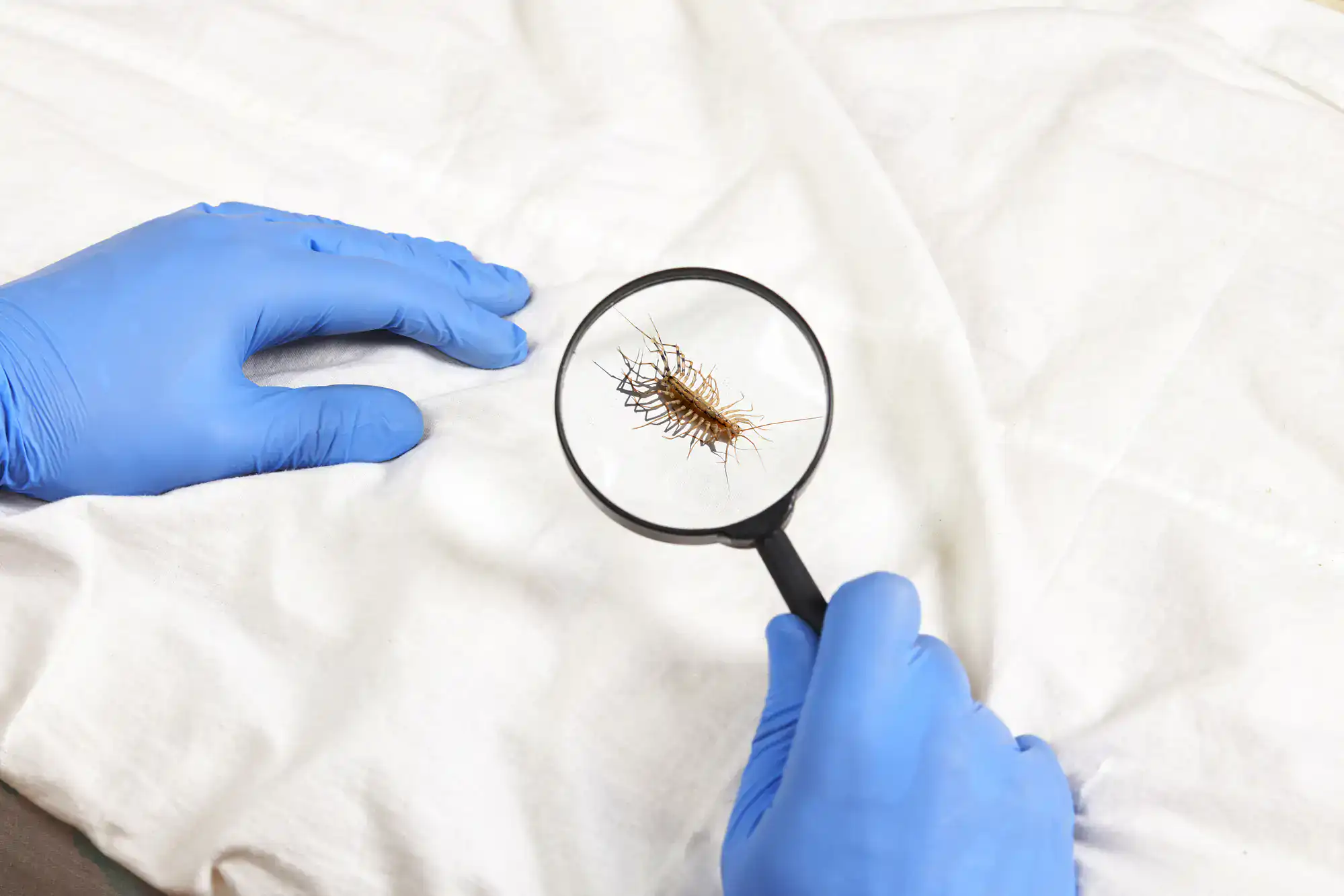
Most people assume tick season starts in late spring, but in Commack it’s earlier than that. Adult blacklegged ticks become active on any day the temperature climbs above freezing, which means late February and March are already part of the risk window. By April, nymphal ticks the ones responsible for the majority of Lyme disease transmission are beginning to emerge. They’re roughly the size of a poppy seed, which is why so many bites go unnoticed until symptoms appear weeks later.
The highest-risk window for Commack families runs from April through June, when nymphs are active and people are spending the most time outdoors. Adult ticks surge again in September through November, so the season effectively runs nine months out of the year in this part of Suffolk County. A seasonal program that starts in April and runs through October is the right framework for Commack not a one-time spray in July when you’ve already been through the peak exposure window.
For a small, open yard with minimal wooded borders, a DIY product might take the edge off. But most Commack properties aren’t that. Homes built in the 1960s and 1970s which make up the majority of the housing stock here typically have mature trees, established shrub beds, and shaded areas that create exactly the conditions where ticks concentrate. Store-bought sprays are usually applied to the open lawn, which isn’t where the problem lives.
Professional treatment focuses on the harborage zones: the wooded edges, the ornamental bed borders, the shaded fence lines, and the transition areas between your lawn and any wooded or brushy borders. Those are the spots that require targeted application and the right product selection not a broadcast spray from a hose-end bottle. If you’re near Hoyt Farm Nature Preserve or back up to any wooded corridor, the deer pressure alone makes a professional seasonal program worth the investment over a DIY approach that needs to be reapplied every few weeks with inconsistent results.
For a typical Commack property, a well-structured seasonal program runs four to six treatments between April and October. The first application goes down in early spring before nymph season peaks. From there, treatments are spaced every three to four weeks through summer to maintain the barrier as product breaks down from rain, heat, and lawn activity. A final fall treatment in September or October addresses the adult tick surge that happens as temperatures drop.
The exact number depends on your specific property lot size, the amount of wooded border, deer pressure, and whether you have pets or kids who spend significant time outdoors. A property backing up to wooded edges near one of the preserves adjacent to Commack may need more frequent attention than a more open lot. That’s why the assessment at the start of the program matters. You’re not paying for a set number of visits you’re paying for a program calibrated to what your yard actually needs.
This is one of the most common questions, and it deserves a straight answer. The products we use in professional tick and flea yard treatments are applied to specific harborage zones wooded edges, bed borders, shaded perimeters not broadcast across open play areas or garden beds. Once the product has dried, which typically takes 30 to 60 minutes under normal conditions, the treated areas are safe for re-entry by children and pets.
The key distinction is that professional application is targeted, not indiscriminate. A licensed NYSDEC applicator knows which products are appropriate for which zones, how to apply them at the correct rate, and how to avoid areas where unnecessary exposure could occur. The risk calculus here is also worth considering: a single Lyme disease diagnosis involves weeks of antibiotics, potential specialist visits, and in some cases long-term neurological complications. Stony Brook Medicine located just east of Commack has documented cases where symptoms didn’t appear for months after the bite. The risk of properly applied professional pest control is minimal compared to the documented risk of leaving a Commack yard untreated through tick season.
New York State law requires a NYSDEC Commercial Pesticide Applicator license for any commercial application of pesticides. That means any company you hire to treat your yard not just for ticks, but for any pest is legally required to have licensed applicators on the job. It’s not optional, and it’s not just a formality. The licensing process involves 30-plus hours of state-mandated training and a passed state examination covering product safety, application techniques, and environmental regulations.
The reason this matters practically is that not every company in the market actually complies. Some operators send unlicensed workers on service calls, which is both illegal and a quality problem. When you hire a company whose technicians are NYSDEC-certified, you’re getting someone who has been trained and tested on the specific standards that govern pesticide application in New York. For Commack homeowners many of whom are professionals who take credentials seriously it’s worth asking any company you’re considering whether the person showing up to your property is actually licensed by the state.
Commack’s tick pressure is higher than many people expect, and there are a few specific reasons for it. The hamlet sits between Huntington and Smithtown towns, adjacent to multiple wooded preserves Hoyt Farm Nature Preserve within Commack itself, Caleb Smith State Park Preserve to the east, Blydenburgh County Park to the southeast, and Nissequogue River State Park to the north. Deer move freely between these preserves and Commack’s residential neighborhoods, and every deer that crosses a backyard can deposit ticks along the way.
The housing stock adds to the problem. Homes built in the 1960s and 1970s come with decades of mature landscaping dense shrub borders, established ground cover, and leaf litter accumulation which are ideal tick harborage conditions. A Columbia University study found that 56% of ticks on Long Island carry Lyme disease, and Suffolk County consistently ranks among the top counties in New York for confirmed cases. New York State recorded over 19,000 confirmed Lyme cases in 2023 alone. Commack’s combination of wooded adjacency, deer pressure, and mature residential landscaping puts it squarely in the higher-risk zone which is exactly why a seasonal professional program makes sense here rather than a reactive, one-time treatment after you’ve already found a tick.
Useful Links
Other Services we provide in Commack