
Hear from Our Customers
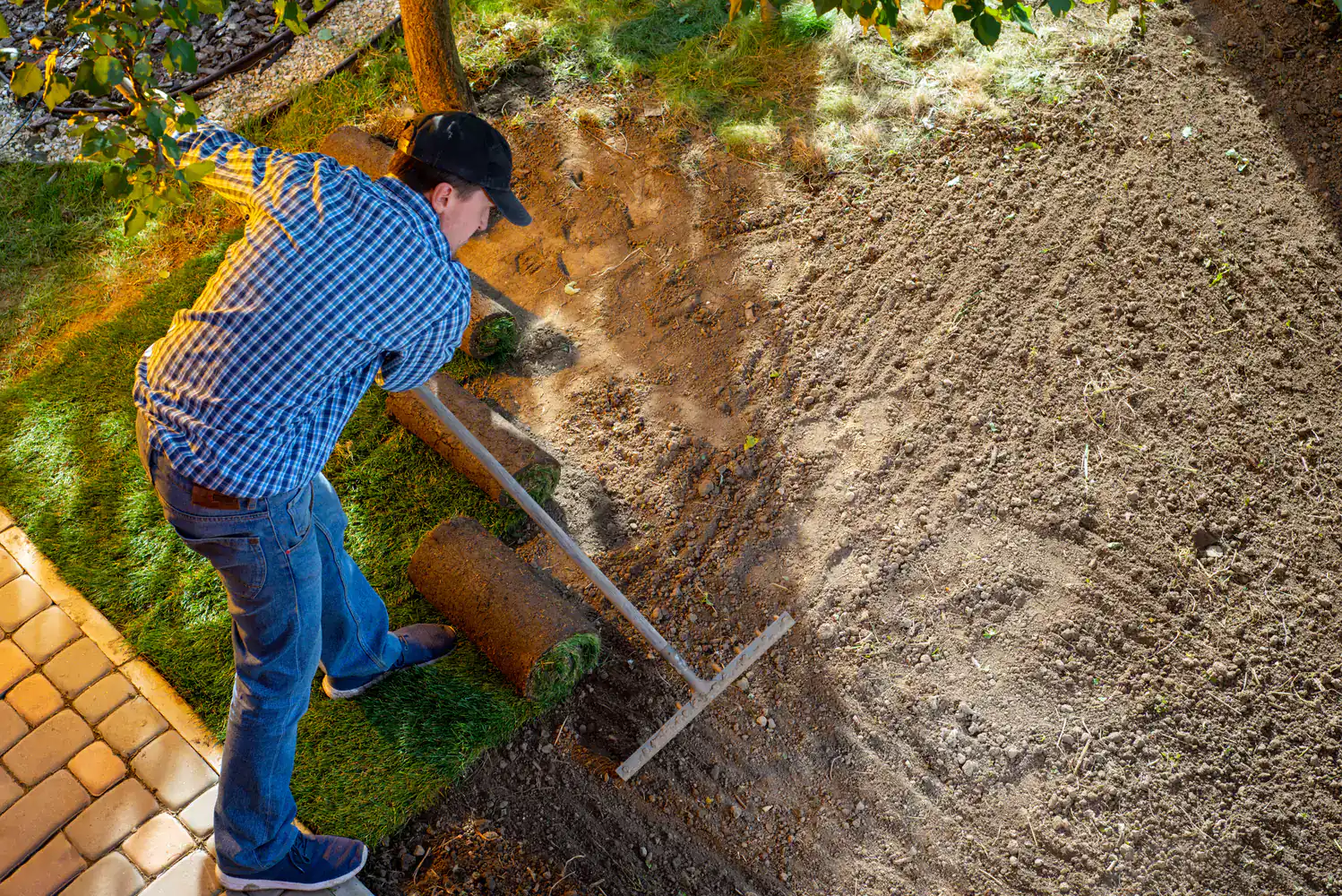
Most homeowners in Bayport who call us have already spent money on the problem. A bag of seed here, a basic overseeding service there, maybe a fertilization program that kept things alive but never actually fixed anything. The lawn still looks patchy by July. That cycle ends when the approach changes and the approach has to change because a lawn that’s fundamentally failing needs to be rebuilt, not maintained.
Bayport sits on a glacial outwash plain, which means sandy, fast-draining soil that loses nutrients quickly and dries out hard during summer. Add salt air moving in off the Great South Bay and you’ve got conditions that quietly destroy turf in ways that standard programs aren’t designed to address. Fertilizer doesn’t fix salt accumulation in the soil. Overseeding doesn’t fix compaction or thatch. The lawn keeps declining because the root cause never gets touched.
A complete lawn renovation changes the foundation soil preparation, pH correction, proper grass variety selection for coastal Long Island conditions, and power seeding that actually establishes. The result is turf that holds through the South Shore summer instead of looking great for six weeks and falling apart. For a Bayport property worth $700,000 or more, that’s not just a better-looking lawn. It’s protecting what you’ve built.
We founded Lawn Master in 1994, and our work has been focused on Suffolk County ever since. That’s three decades of learning what actually works on Long Island soil including Bayport’s coastal conditions, the sandy outwash plain that runs through South Shore communities, and the specific turf problems that inland companies simply don’t encounter.
This isn’t a national franchise applying the same program in Bayport that they run in Ohio. There’s no call center, no standardized playbook built for a dozen different climates. When you reach us, you’re reaching a local operation with real experience in the conditions your lawn is actually dealing with salt air from the Great South Bay, fast-draining soil, grub pressure, invasive species, and the tight fall renovation window that defines successful turf establishment on Long Island’s South Shore.
That depth of local knowledge is what makes the difference between a renovation that holds and one that looks good until summer hits.
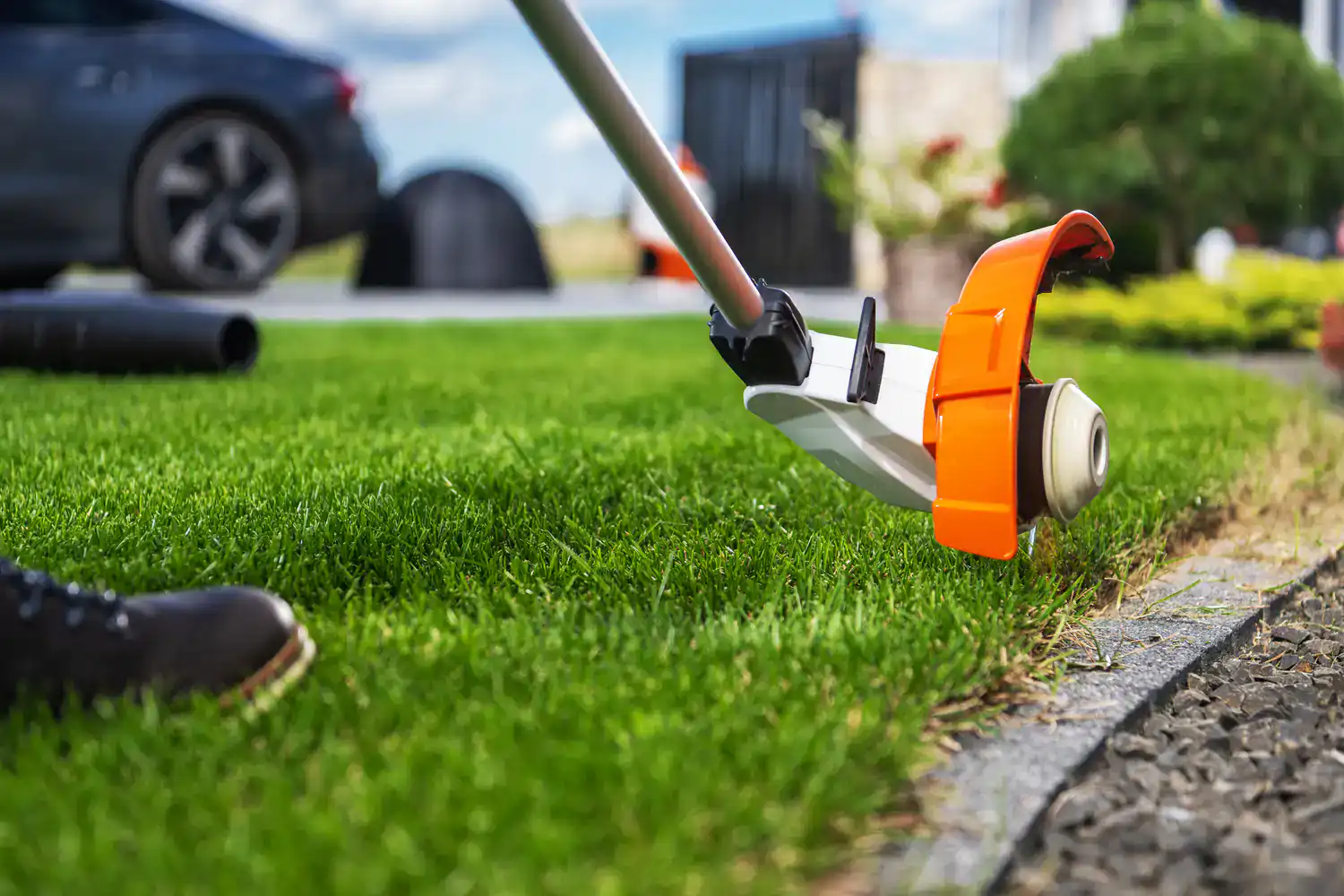
Before anything gets seeded, we assess the lawn. That means looking at what’s actually causing the problem not just what it looks like on the surface. Grub damage from Japanese beetles is widespread across Long Island, including Bayport, and it can look exactly like drought stress. Salt accumulation from Great South Bay exposure can mimic nutrient deficiency. Reseeding a lawn with an unresolved underlying problem is how you end up back at square one six months later.
Once the cause is identified and addressed, the preparation work begins. That includes dethatching, core aeration, soil amendment where needed, and pH correction because Bayport’s sandy coastal soils often need more than just seed to support healthy turf establishment. If invasive species like nutgrass or bentgrass are present, we treat those specifically before any renovation seeding goes down. Most companies skip this step or can’t do it. It matters enormously.
Timing is part of the process too. On Long Island’s South Shore, the fall renovation window roughly late August through mid-October is when cool-season grasses establish best. Soil temperatures in that range, reduced crabgrass competition, and natural fall rainfall all work in your favor. Miss that window and you’re fighting uphill. We plan renovation timing around what the season actually supports, not just when it’s convenient.

Ready to get started?
Our renovation services cover the full range of what a genuinely failing lawn needs not a trimmed-down version of it. That includes complete lawn rebuilds for properties where the damage is too extensive for standard renovation, new lawn installation from bare soil, renovation seeding programs for lawns that need a full reset, and targeted treatment for nutgrass and bentgrass, which are among the most stubborn turf invaders on Long Island and ones that most companies in Suffolk County either won’t touch or aren’t equipped to handle.
For Bayport properties specifically, salt air management and soil preparation are built into our renovation approach not treated as optional add-ons. The coastal conditions south of Middle Road, where homes sit closer to the Great South Bay and salt exposure is more direct, require a different level of soil assessment than inland Suffolk County properties. That’s factored in from the start.
All pesticide and herbicide applications are performed in full compliance with New York State DEC commercial applicator requirements and Suffolk County Local Law 41-2007, which governs pesticide buffer zones near public drinking-water wells. For Bayport homeowners who care about what runs off into the bay and most do that compliance isn’t just regulatory. It reflects how we do the work.
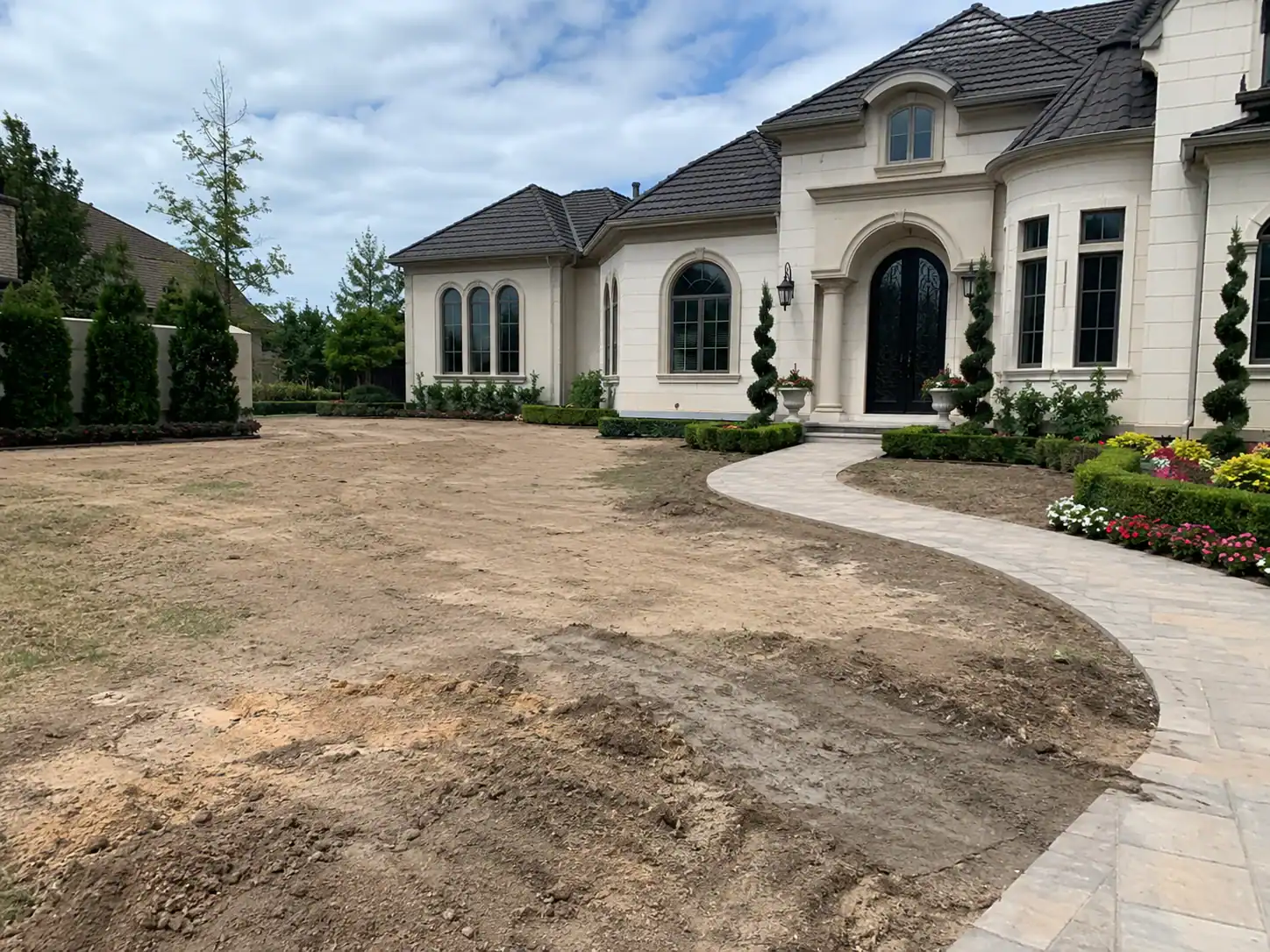
Salt air is one of the most overlooked causes of lawn decline in coastal South Shore communities like Bayport. When sodium deposits accumulate on grass blades and in the soil, they pull moisture out of the plant and interfere with the root system’s ability to absorb nutrients so the lawn looks like it’s starving or drought-stressed even when it’s been fertilized and watered. Standard lawn care programs aren’t designed to address salt accumulation, which is why lawns in Bayport neighborhoods south of Middle Road often continue declining despite consistent maintenance.
The fix isn’t more fertilizer. It’s a renovation approach that starts with a proper soil assessment, addresses the salt issue at the root level, and uses grass varieties suited to coastal Long Island conditions. Once the soil is corrected and the right turf is established, the lawn is far better equipped to handle ongoing salt air exposure without breaking down every summer.
Overseeding means spreading seed over an existing lawn. It works reasonably well when the existing turf is mostly healthy and just thinning in spots. What it doesn’t do is fix compaction, thatch buildup, pH imbalance, invasive species, or salt accumulation in the soil. If those problems are present and in Bayport’s coastal sandy soil, they usually are overseeding produces thin, temporary results that don’t hold through summer.
Lawn renovation is a ground-up process. It starts with diagnosing what’s actually wrong, then corrects the underlying conditions before any seed goes down. That means dethatching, aerating, amending the soil, treating invasive species if needed, and power seeding with varieties suited to Long Island’s South Shore climate. The difference in outcome is significant and it’s why homeowners who’ve tried overseeding two or three times often find that a complete renovation is what finally works.
Fall is the right window specifically late August through mid-October on Long Island’s South Shore. Cool-season grasses, which are the standard for Bayport and the rest of Suffolk County, germinate best when soil temperatures are between 50 and 65 degrees Fahrenheit. That range typically aligns with early fall here. Germinating in that window also means your new turf isn’t competing with crabgrass, which dies off with the first frost, and it gives the root system time to establish before winter.
Spring renovation is possible, but it comes with real trade-offs. Crabgrass pressure through summer can outcompete new seedlings before they’re established, and the heat stress of a Long Island summer hits young turf hard. Most lawns renovated in spring require a follow-up renovation in fall anyway. If your lawn needs a rebuild, fall is when you get the most out of it and the booking window for that season fills up faster than most homeowners expect.
A general rule: if more than 50% of your lawn is bare, weedy, or occupied by invasive species, renovation is the right call. Overseeding into a lawn that’s mostly gone doesn’t give new seedlings enough competition protection or soil contact to establish properly. You end up with sparse, patchy results that don’t fill in the way you’re hoping.
There are also specific conditions that make renovation necessary regardless of coverage percentage. If you have nutgrass or bentgrass present, overseeding won’t solve it those species need targeted treatment before any new turf goes down. If grub damage has destroyed the root system in sections of the lawn, the soil needs to be addressed before reseeding. And if your lawn has heavy thatch or significant compaction both common in Bayport’s coastal sandy soil overseeding on top of those conditions produces poor germination rates and thin results. A proper assessment before any work starts is the only way to know for certain which approach your lawn actually needs.
Lawn renovation itself seeding, aeration, dethatching, soil amendment doesn’t require a permit for residential properties in Bayport. However, any company applying pesticides or herbicides as part of the renovation process must hold a valid New York State DEC Commercial Pesticide Applicator license, specifically in the Ornamental and Turf category. That’s a state requirement, not optional, and it’s worth confirming before you hire anyone.
Suffolk County adds another layer through Local Law 41-2007, which requires pesticide-free buffer zones around public drinking-water wells. Commercial applicators are required to check the Suffolk County Department of Health Services map before any application. For Bayport homeowners particularly those near the Great South Bay, where protecting water quality is a genuine community concern working with a licensed, compliant applicator isn’t just about following the rules. It’s about knowing the products going into your soil aren’t creating a problem downstream.
Renovation cost depends on the size of the lawn, the severity of the damage, and what the soil assessment reveals. For a typical Bayport residential property, complete lawn renovation generally runs between $1,500 and $4,500 for most standard lot sizes. Properties with significant invasive species treatment, soil amendment needs, or larger square footage will fall toward the higher end or beyond it. New lawn installation from bare soil is a separate scope and priced accordingly.
What’s worth keeping in mind is that Bayport’s median home value sits above $700,000, and for many homeowners here especially those on or near the water the lawn is a visible, material part of that asset’s appeal. A renovation done right, once, typically costs less over a three-to-five year period than repeated rounds of overseeding, fertilization programs, and partial fixes that don’t hold. The homeowners who call us have usually already spent that money on approaches that didn’t work. The renovation is where the cycle stops.
Useful Links
Other Services we provide in Bayport